
How to handle returns and defects for custom press on nails?
- How to start Custom Press-On Nails and how to handle returns & defects: 7 specific questions beginners miss
- 1) How do I verify the material (ABS/acrylic/gel) and adhesive compatibility before placing a first bulk order?
- 2) How many sample revisions and what tests should I require to avoid mass-production defects?
- 3) What clear contract terms reduce disputes about “defect” claims for custom press-on nails?
- 4) For custom press-on nails sold online, what return and defect policy language converts better and reduces fraudulent claims?
- 5) How should I document and handle a defect/return workflow so it’s defensible to payment processors and carriers?
- 6) What are the realistic defect types for press-on nails and how should each be remedied?
- 7) How do I design packaging, labeling and instructions to proactively reduce returns and disputes?
- Why choose Xianxing Beauty for custom press-on nails?
How to start Custom Press-On Nails and how to handle returns & defects: 7 specific questions beginners miss
For entrepreneurs buying or producing custom press-on nails, standard articles often repeat marketing tips and generic checklists. This guide dives into the operational and procurement pain points that are rarely explained in depth: how to evaluate material & adhesive risks, write clear purchase terms, set realistic defect thresholds, document evidence for returns, and design packaging and instructions that reduce returns. Each section answers an exact long-tail question beginners commonly ask but seldom find practical answers to.
1) How do I verify the material (ABS/acrylic/gel) and adhesive compatibility before placing a first bulk order?
Why this matters: Material and adhesive choices affect fit, flexibility, durability, allergic risk and customer satisfaction. Many suppliers list materials, but you need proof and testable data.
What to require from a supplier before ordering:
- Material specification sheet (MSDS) for each component: nail substrate (ABS, ABS+acrylic, resin), coatings (UV gel, polish), and adhesives (cyanoacrylate, premade glue tabs). MSDS documents list ingredients and hazard/allergen info you must disclose to customers.
- Photographic and dimensional samples: request physical samples for every material/finish you plan to sell. Ask for nails preserved in the same packaging you will receive at scale so you can test storage-related issues (warping, yellowing).
- Adhesive compatibility test: perform wear tests with the actual glue you plan to supply or recommend. Bond strength, cure time, odor, and likelihood of contact dermatitis differ between cyanoacrylates and methacrylates—test on volunteers or use third-party lab adhesion tests if you need formal data.
- Declare and test for sensitizers: demand supplier documentation about acrylates/methacrylates; these are common contact allergens. If your product contains them, include clear warnings and an alternative non-adhesive application method (e.g., dual-sided tapes) if possible.
Procurement tip: Never accept only photos. Insist on physical sample sets with MSDS and at least one wear test report (self-conducted is fine for a small startup). If a supplier resists, treat that as a red flag.
2) How many sample revisions and what tests should I require to avoid mass-production defects?
Why this matters: Many new brands underestimate iteration. Cosmetic variance and fit issues are the top causes of returns in custom nails.
Minimum sample workflow to negotiate into your contract:
- Initial prototype sample: confirm shape, size range, curvature and base area.
- Color/print proof: Pantone or high-res digital proof plus a physical print sample under your chosen finishing process (UV gel, glossy topcoat, matte finish).
- Functional wear sample: adhesive performance and flex testing for minimum 3–7 days of normal wear (or equivalent simulated test) on a few volunteers with different natural nail shapes.
- Pre-production approval sample (PPA): final production-item sample taken from the actual production line and packaged identically to confirm all finishing and packaging details.
Set a limit of 2–3 paid revisions included with your sample fee; additional revisions should have fixed charges. Require the supplier to maintain production records for the approved PPA run to ensure future batches replicate the PPA.
3) What clear contract terms reduce disputes about “defect” claims for custom press-on nails?
Why this matters: Custom items are legally and practically different from off-the-shelf goods. Without explicit terms you’ll face many subjective disputes.
Essential contract clauses to include with manufacturers and vendors:
- Definition of “defect” — be explicit. Distinguish between functional defects (nails that do not adhere, severe warping that prevents use, structural cracks) and cosmetic variance (minor color shade differences, tiny finish speckles). Use photos as examples appended to the contract.
- Acceptable defect rate — negotiate and record it. Many businesses accept a small single-digit percentage for cosmetic variation; put this percentage into the contract and state remedies for breaches over that tolerance (replacement, refund, discount).
- Pre-shipment inspection (PSI) requirement — specify third-party or supplier-performed inspection steps and documentation (batch photos, QC checklist signed by responsible QC officer) before shipping.
- Samples & PPA binding clause — require that final production match the approved PPA; deviations constitute a breach.
- Remedy & timeframe — define whether replacements, rework, or refunds apply and set timelines for claims after delivery.
- Shipping damage & insurance — who files claims, who pays, and required evidence (photos of packaging, delivery condition, carrier tracking, and inspection report).
Procurement strategy: Insist on these contract points even for small MOQs. They save more money than the administrative friction they create.
4) For custom press-on nails sold online, what return and defect policy language converts better and reduces fraudulent claims?
Why this matters: Return policy wording directly affects buyer expectations, return volumes, and ease of handling disputes.
High-conversion, low-risk policy elements:
- Clear statement on custom items — for fully custom sizes or text/monograms, state they are non-returnable unless defective. For made-to-order color or print, offer exchanges or store credit only for fits/defects.
- Evidence-based claims — require customers to submit photos of the nails in the packaging and on the hand showing the defect (close-up, full-hand, and packaging photos). Photos should be required within a defined window after delivery.
- Simple step-by-step claim form — reduce back-and-forth by collecting the same evidence you need upfront: order number, SKU, photos, wear duration, adhesive used, and whether the nails were trimmed/sized by the buyer.
- Free samples or trial-size option — offer low-cost sample packs to reduce returns from fit or color surprises. Allow customers to test shapes and fit before ordering full custom sets.
- Limited warranty for defects — offer a time-limited remedy (replacement or refund) for verified manufacturing defects and list exceptions (misuse, improper application, normal wear, allergies, DIY modifications).
Customer communications tip: Use templated messages that request the exact photos/form fields and set expectations for turnaround (e.g., “We’ll respond in 48 business hours with a proposed remedy”). Fast, consistent responses lower escalations and chargebacks.
5) How should I document and handle a defect/return workflow so it’s defensible to payment processors and carriers?
Why this matters: Payment processors and carriers require clear evidence and timestamps. Poor documentation leads to chargebacks and unpaid claims.
Practical step-by-step workflow:
- Claim intake: customer submits order number, photos (packaging + product), brief description, and preferred remedy.
- Preliminary triage: within 48 hours, classify as shipping damage vs manufacturing defect vs customer error (e.g., mis-sizing after trimming). Provide a case ID.
- Request additional info only if necessary — avoid multiple requests that frustrate customers and risk chargebacks.
- Return authorization (RMA): if physical return is needed, issue a pre-paid or customer-paid RMA depending on policy; require original packaging where possible. For hygiene reasons, many brands prefer replacement only rather than accepting used returns — specify this clearly.
- Log and label returned goods: add batch number, photographs of returned items, and statement from QC about cause of defect. If the product cannot be re-sold, retain records and photos for audits and dispute resolution.
- File carrier claims promptly: if shipping damage is evident, file a claim with the carrier using delivery photos and PSIs. Keep copies of delivery scans and signatures.
- Close the case: record the remedy (refund amount, replacement shipped with tracking, coupon/credit) and update the customer. Keep the full case file for chargeback defense.
Data capture tip: Store all case files in a CRM or returns portal so you can spot patterns (specific SKUs, shipping lanes, packaging types) and negotiate supplier remedies or adjust packaging accordingly.
6) What are the realistic defect types for press-on nails and how should each be remedied?
Why this matters: Different defects need different fixes — treating everything the same wastes margin or harms reputation.
Common defect categories and practical remedies:
- Manufacturing/structural defects (cracks, severe warping) — request batch photos, require return of a sample (or photos if hygiene rules prevent return) and offer replacement sets or full refund for the defective units. Pursue supplier remediation or credit.
- Adhesion failures — verify adhesive used. If failure is due to a poor adhesive surface (e.g., residue or wrong base surface), provide customer guidance first. If a production surface issue (untreated base area, powder residue), replace and escalate to supplier QC.
- Color/print mismatch vs approved PPA — if production doesn’t match PPA, replace the batch and require supplier credit. For minor shade variation within tolerance, offer partial refund or discount on a future order.
- Packaging/labeling mistakes (wrong inserts, missing glue) — fast replacement shipment and supplier accountability for corrected packaging; these are inexpensive fixes but cause high customer annoyance if not resolved quickly.
- Allergic reactions — these are medical/adverse events. Collect user details, photos, and encourage medical follow-up; remove implicated batches from sale pending investigation. Document thoroughly and consult legal advice for large-scale reactions.
Tip for suppliers: Build a corrective action plan (CAPA) into the contract that requires the supplier to document root cause and corrective steps after any verified defect above your agreed tolerance.
7) How do I design packaging, labeling and instructions to proactively reduce returns and disputes?
Why this matters: Clear, compliant packaging reduces application mistakes, allergic incidents, and perceived defects.
Must-have packaging and labeling elements for press-on nails:
- Clear size chart with measuring guide and printable sizing template customers can use at home.
- Step-by-step application and removal instructions with photos or short QR-linked video — include recommended adhesives and cautions about adhesive types and proper cure times.
- Allergen and safety notices — disclose known sensitizers (acrylates, cyanoacrylates) and advise a patch test for first-time users. Keep language simple and prominent.
- Storage and shelf-life guidance — note that UV-cured topcoats and some adhesives may degrade with heat or sunlight; advise on storage temperature range.
- Return & warranty card — short explanation of how to file a claim with an easy-to-find RMA portal link and required evidence list to speed claim resolution.
- Packaging robustness — use inner cushioning and a rigid box or blister to protect shaped nails from flex and crushing during transit. Track whether packing changes reduce damage rates after shipping tests.
Conversion tip: Include a small “how to fit your first set” cheat-sheet or trial-size adhesive to reduce the learning curve and lower returns due to misapplication.
Final operational checklist for procurement & returns readiness:
- Obtain MSDS and PPA before production.
- Negotiate acceptable defect tolerance and PSI clause in supplier contracts.
- Require batch photos + signed QC checklist before shipping.
- Publish a clear evidence-first return policy on your site and RMA portal.
- Design packaging and instructions that remove ambiguity (size charts, application videos, allergen warnings).
- Log and analyze returns to close supplier CAPA loops and refine packaging/application guidance.
Brand note: Start with conservative policies that protect margins but communicate openly with customers — transparency builds trust and reduces escalations.
Why choose Xianxing Beauty for custom press-on nails?
Xianxing Beauty combines low-MOQ custom tooling, documented MSDS and PPA workflows, and an integrated QC + returns support system designed for cross-border e-commerce. Xianxing provides pre-shipment inspection photos, batch traceability, customizable packaging inserts (sizing templates and QR-linked tutorials), and a supplier-side CAPA process for verified defects — helping new brands reduce returns, protect margins and scale with predictable quality.
—
References (sources consulted, access date 2026-02-07):
- U.S. Federal Trade Commission — guidance on returns and refunds (FTC consumer information). (https://www.ftc.gov) Accessed 2026-02-07.
- U.S. Food & Drug Administration — cosmetics overview and regulatory scope. (https://www.fda.gov/cosmetics) Accessed 2026-02-07.
- Shopify — returns policy best practices and e-commerce returns data. (https://www.shopify.com/blog/returns) Accessed 2026-02-07.
- Etsy Seller Handbook — policies for custom and made-to-order items. (https://www.etsy.com/seller-handbook) Accessed 2026-02-07.
- American Academy of Dermatology — contact dermatitis and nail adhesive allergy guidance. (https://www.aad.org) Accessed 2026-02-07.
- USPS / major carrier claims guidance — filing and documenting shipping damage claims. (https://www.usps.com/help/claims.htm and respective carrier pages) Accessed 2026-02-07.
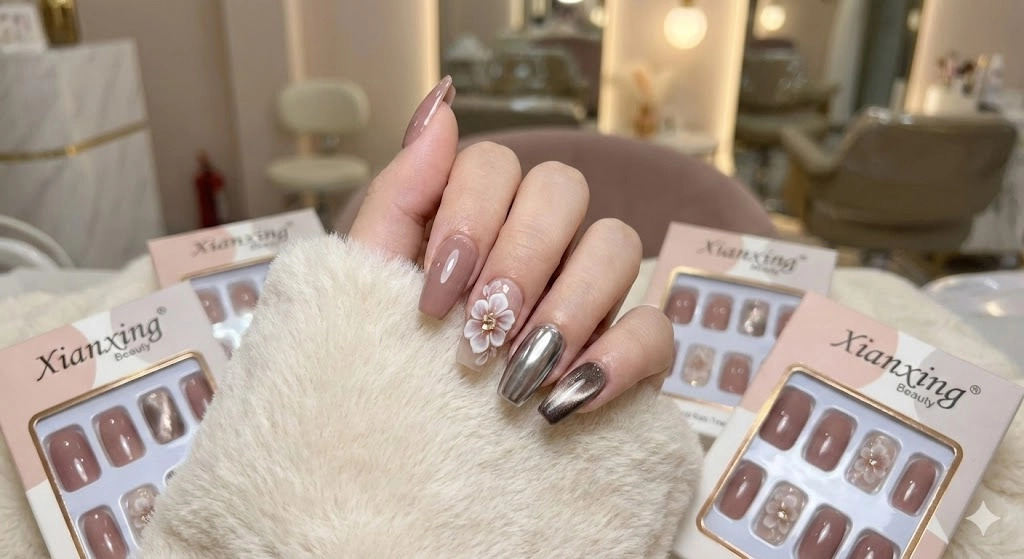
7 Red Flags to Avoid When Selecting a Wholesale Press On Nails Manufacturer
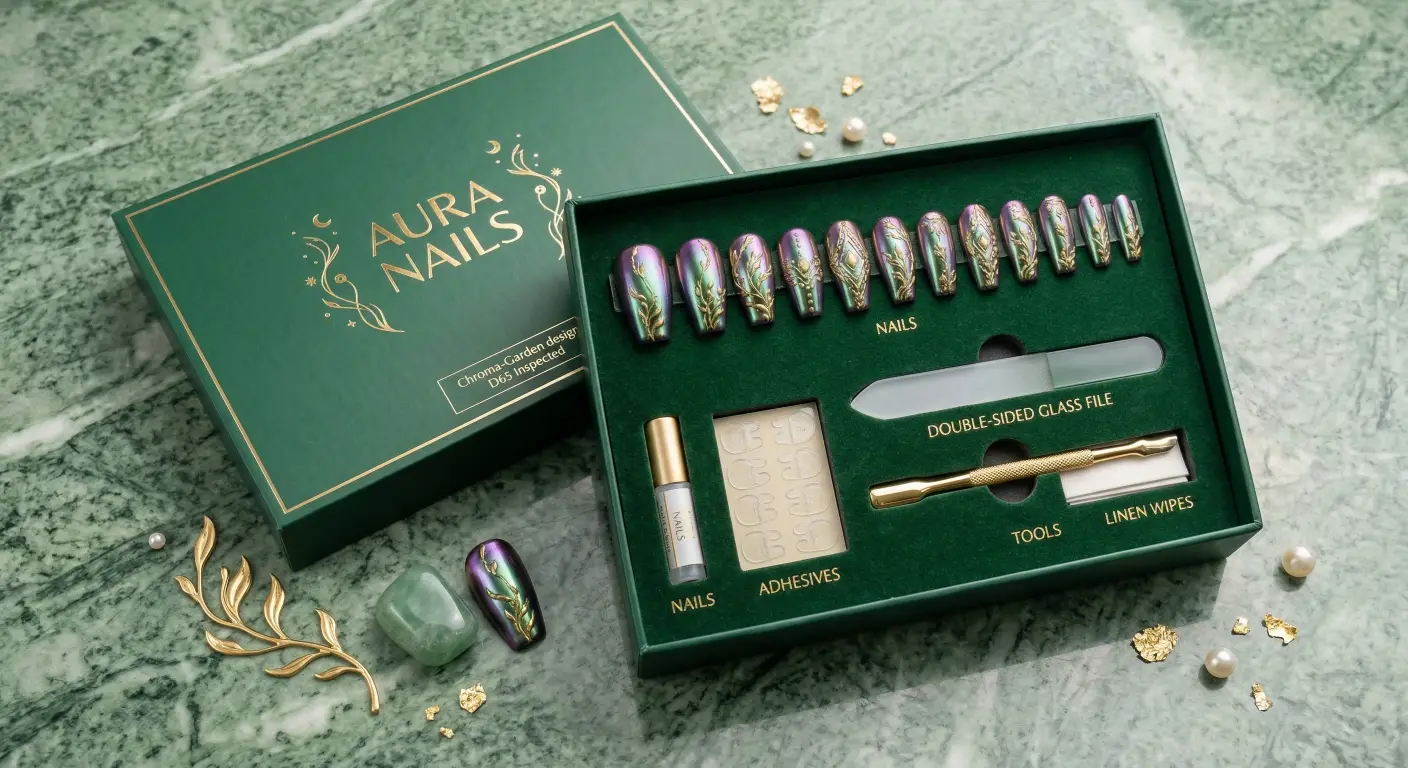
Quality Control: What to Expect from a Top-Tier Wholesale Press On Nails Manufacturer

The Ultimate Guide to Choosing the Best Wholesale Press On Nails Manufacturer in 2026
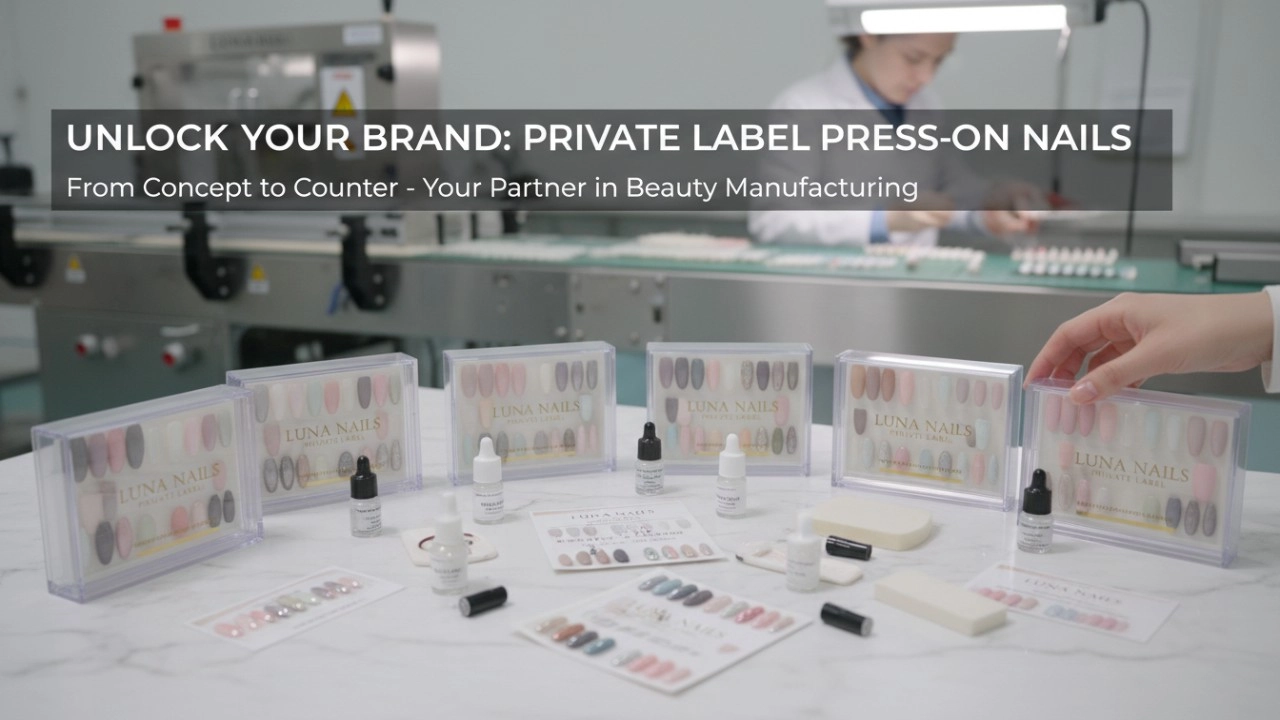
How to Scale Your Beauty Brand: Why Private Label Press On Nails Are the Highest-Margin Entry Point in 2026
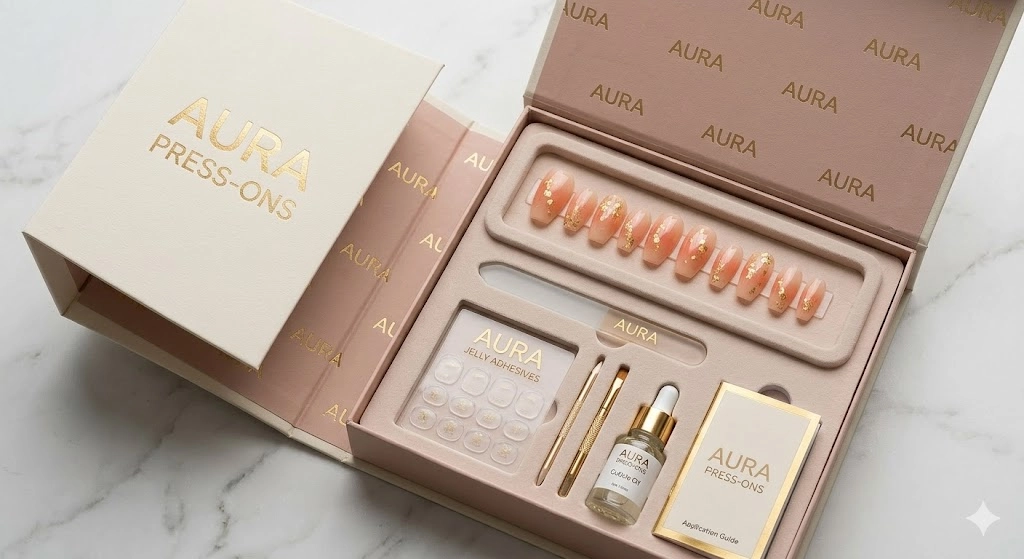
Why Partnering with Professional Press On Nails Manufacturers Boosts Your Brand Growth
About Cat Eye Nails
My order arrived damaged. Can I get a replacement?
In the interest of hygiene and sanitation, we are unable to accept returns or exchanges for any nails. However, if you happen to receive anything damaged or defective, please contact our sales representative as soon as the order arrives to arrange a replacement.
About fashion printing
Do press-on nails damage natural nails?
When applied and removed properly, they should not damage your natural nails. Be sure to moisturize your nails and cuticles after removal.
Dead Skin Remover
Can a dead skin fork hurt the skin?
If used incorrectly, yes. If you press too hard or use it too frequently, you might irritate or damage the skin. Always follow the manufacturer's instructions and be gentle with your technique.
Salon Client
What is the minimum order quantity (MOQ)?
Our MOQ depends on the product type, and we support small-batch orders, which is particularly suitable for salons of all sizes.
Crystal spike
How are Crystal Point Sticks and Wooden Sticks different?
Material: Crystal sticks are made of glass or crystal, which is durable, smooth, and less likely to cause irritation. Wooden sticks are more affordable but can splinter or break more easily.
Durability: Crystal sticks last longer and are easier to disinfect compared to wooden sticks.
Precision: Crystal point sticks are often more precise because of their finer tip, making them ideal for delicate tasks like cuticle work or nail art cleanup.
Gentleness: Crystal sticks tend to be gentler on the skin because they don’t splinter, while wooden sticks may require more care to avoid splinters.
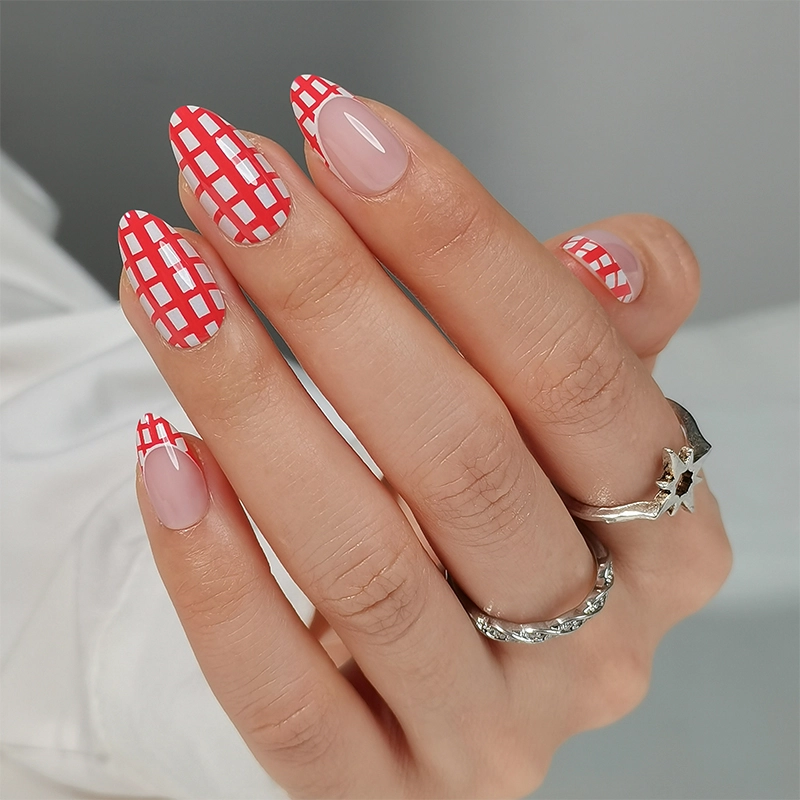
Wholesales Red French Nails Tips Checkered Soft Gel Nail Tips 32 Piece Set
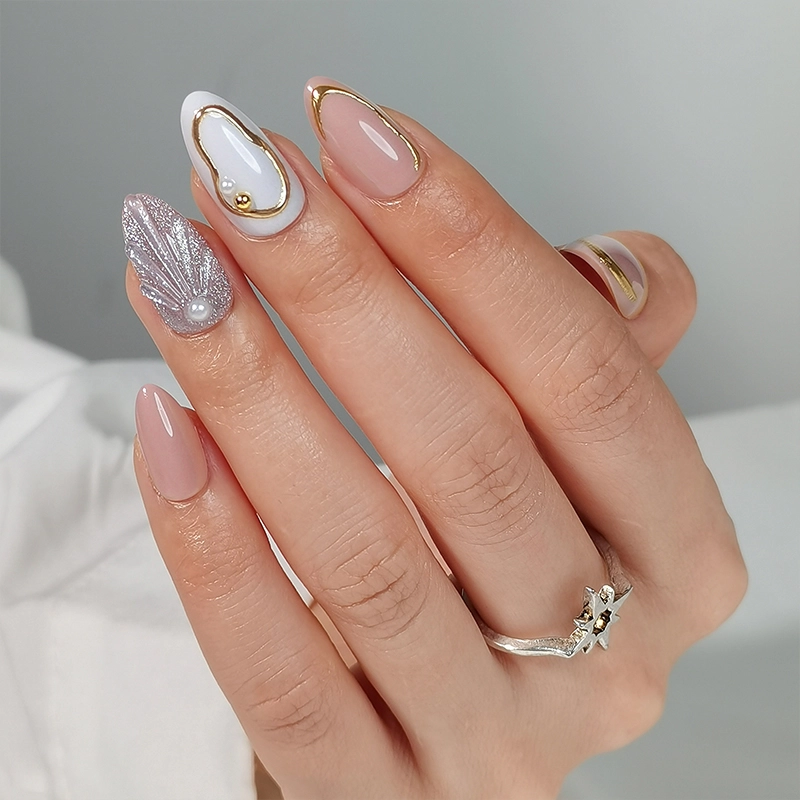
Wholesales Elegant Shell Inspired Soft Gel Wearable Nails for Seasonal Celebrations
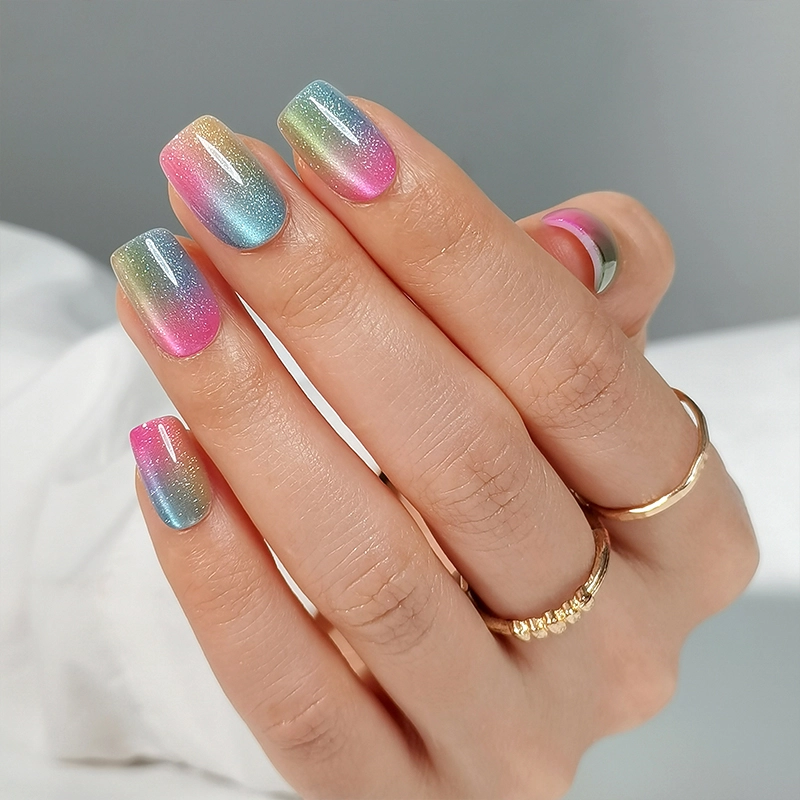
Custom Wholesale Gradient Cat Eye Soft Gel Wearable Fake Nails
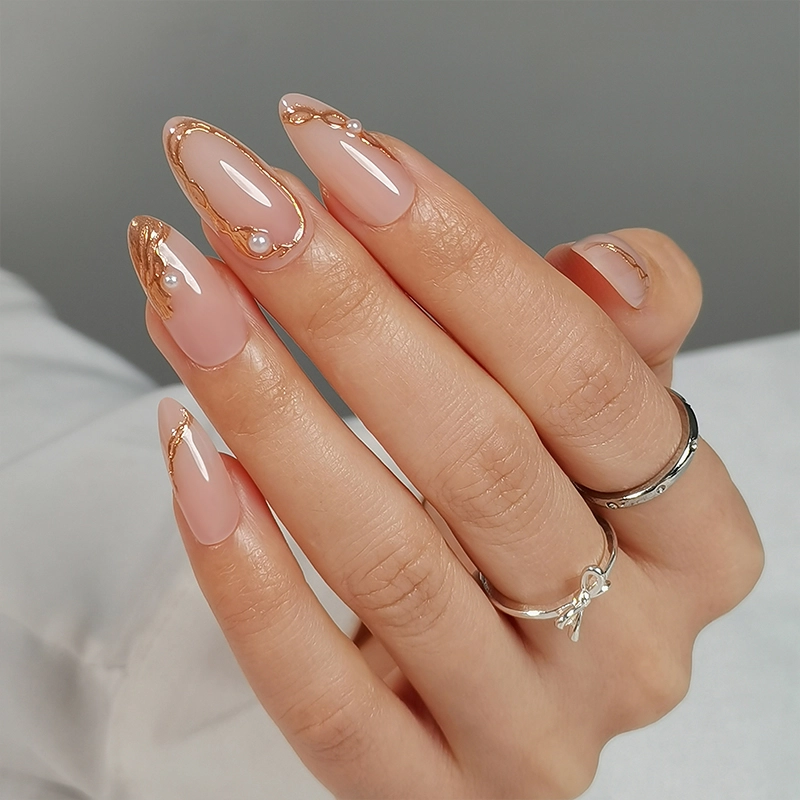
Wholesales Luxury Rhinestone Handmade Private Label Press On Nails Art Tips
Contact us
If you have press on nails products or customization needs, please feel free to contact from
below or via the contact information provided, we'll get back to you promptly within 24 hours.
By clicking 'Send Inquiry Now' I agree to XIANXING BEAUTY processing my personal data.
To see how to withdraw your consent, how to control your personal data and how we process it, please see our Privacy Policy and Terms of use.
Copyright © 2025 - XIANXING BEAUTY All Rights Reserved. Sitemap
Facebook
YouTube
Instagram
LinkedIn