
Can I create branding and packaging for custom press on nails?
- Can I create branding and packaging for custom press-on nails?
- 1) What exact labeling and ingredient information must appear on custom press-on nail packaging for US and EU sales?
- 2) Can I use my own brand and custom packaging design? What are typical legal and production steps?
- 3) What are realistic MOQs, lead times and cost drivers for custom press-on sets and branded packaging?
- 4) How do I choose safe adhesives and ensure compliance (and avoid returns or liability)?
- 5) How to design packaging that protects nails during transit but still looks retail-ready and sustainable?
- 6) What quality-control (QC) checks should I require so sizes, curvature and finish remain consistent across batches?
- 7) How do I make brand packaging flexible for seasonal SKUs and limited editions without huge extra inventory?
- Quick supplier-document checklist for procurement
- Xianxing Beauty — why choose us
- References and source notes
Can I create branding and packaging for custom press-on nails?
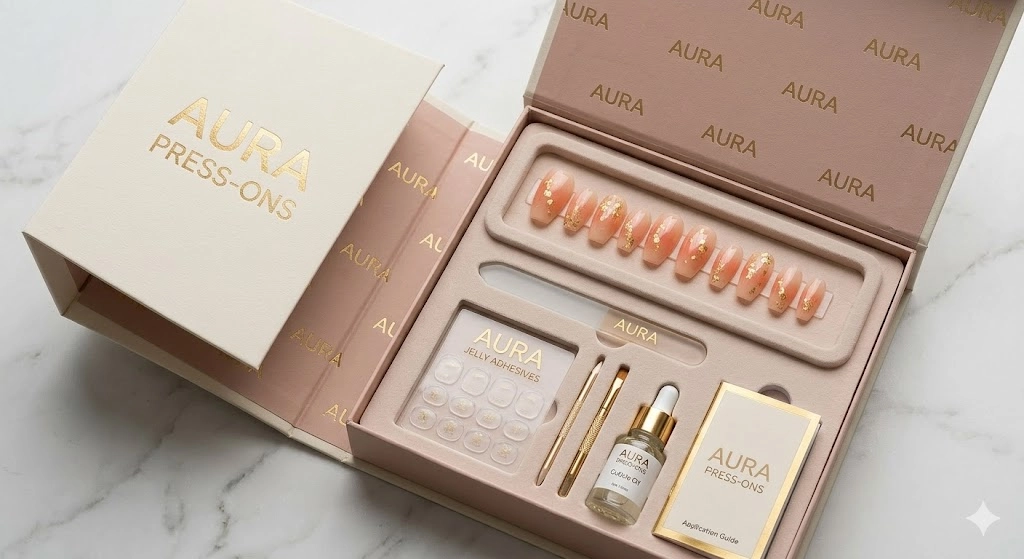
Yes — you can create a branded, retail-ready press-on nail product line. But buyers and new brands often underestimate regulatory labeling, adhesive safety, minimums and packaging engineering needed to protect delicate shapes in transit. Below are 7 specific long-tail procurement questions beginners ask — with practical, up-to-date answers that cover legal, manufacturing and QA pain points.
1) What exact labeling and ingredient information must appear on custom press-on nail packaging for US and EU sales?
Key points buyers must enforce with suppliers:
- US (FDA context): Artificial nails generally fall under cosmetics/cosmetic articles. While most cosmetic products do not require premarket approval, labeling must not be false or misleading. Ingredient disclosure for finished cosmetic products follows INCI naming conventions when ingredients are present (e.g., coatings, topcoats, adhesives included in the same pack). If you sell a separate adhesive, treat it as a consumer adhesive product — include hazard statements and an SDS (safety data sheet). See FDA cosmetics labeling guidance for specifics.
- EU: Cosmetic Regulation (EC) No 1223/2009 applies to cosmetics placed on the EU market. If your press-on nails include coatings, nail polish, or adhesives that are considered cosmetic products, you must have a Responsible Person within the EU, a Cosmetic Product Safety Report (CPSR), correct labeling (ingredient list in INCI), and translation into local languages where required.
- Other: For cross-border sales, check local rules for restricted colorants (color additives), banned ingredients (some monomers), and language requirements. For adhesives and chemical packaging, follow transport restrictions (IATA/dangerous goods) if applicable.
- Trademark search and filing — at minimum check national trademark databases (e.g., USPTO for US) to avoid infringement.
- Design approvals — create dielines (exact box dimensions and inner inserts) and request physical prototypes (pre-production samples) before mass run.
- Regulatory & labeling compliance — include required information (ingredient list, warnings, batch/lot code, manufacturer/importer contact) depending on market.
- Supplier IP agreement — include artwork and mold ownership clauses in your contract if you want exclusivity for a shape or design.
- Pre-production sample and QC criteria — sign off on a Production Approval Form (PAF) with color, gloss level, curvature, sizing, and packaging integrity checks.
- Press-on nail sets (fully custom shapes/molds): overseas factories often expect higher MOQs (commonly a few hundred to several hundred sets per SKU for fully bespoke molds). If you use standard shapes or off-the-shelf press-ons, smaller batches (50–200 sets) are easier to source from domestic or POD suppliers.
- Packaging printing: digital printing lets you run short runs (often from 50–250 units) affordably; offset printing becomes cost-effective at higher volumes (often several thousand units) but provides lower unit cost.
- Lead times: samples and tooling 2–6 weeks (mold creation/testing), production 2–8 weeks depending on season and complexity; packaging add 1–3 weeks for custom boxes. Combine these for total lead times and include buffer for QC and transit.
- Major cost drivers: custom molds/tooling, nail material and finish (gel-like high-gloss finishes cost more), adhesive included (single-use sachet vs. bottle), full-color packaging and inserts, protective inserts (blister vs. molded pulp), and special finishes (foil stamping, embossing).
- Avoid methyl methacrylate (MMA) for nail adhesives — MMA has a long history of causing severe adverse reactions and is restricted or banned for cosmetic nail use in many professional contexts. Instead, ethyl cyanoacrylate (ECA) variants are commonly used for instant-bond adhesives packaged with press-on nails.
- Require SDS and full ingredient disclosure for adhesives. The SDS should include first-aid measures, handling, storage, and recommended PPE. Keep SDS on file and provide to your fulfillment teams.
- Label adhesives with hazard/precautionary statements and child-resistant recommendations where applicable; include instructions and allergy warnings on packaging.
- For air shipping: check IATA/air transport rules for hazardous materials. Many liquid adhesives may be restricted or need specific packaging/capacity limits.
- Inner protection: thermoformed PET or reusable molded pulp trays sized to hold each set securely reduce breakage and scuffing. A thin protective film over the nail surface avoids scratching.
- Outer box strength: choose board with appropriate bending resistance (e.g., 250–350 gsm for sleeves and mailer boxes). Rigid boxes add cost but elevate retail perception.
- Sustainable options: recycled paperboard, molded pulp trays, FSC-certified cartons and minimal plastic. Use RPET windows if a transparent window is needed. Label materials with recycling instructions for end consumers.
- Design for returns: include a simple reuse return sleeve or a resealable packing that makes returns (or exchanges) less damaging to the product.
- Physical measurement tolerance: specify acceptable ranges for width/length/thickness per size (in mm) and acceptable curvature tolerance. Ask supplier to provide measurements for pre-production samples.
- Visual standards: gloss measurement (or visual standard photographs), color/Pantone targets for painted designs, and decal alignment tolerances.
- Adhesion and wear test: require sample sets to be tested for average wear (e.g., typical manufacturer claims 7–14 days); request testing protocol used by supplier for peel/sheer testing and sample results.
- Batch identification: insist on lot/batch codes on packaging for traceability, and retain production samples for each lot (golden sample) for future comparisons.
- Incoming inspection: accept/reject criteria for defects per 1000 units (AQL methodology) — agree AQL level up front (common levels: 1.5–2.5 for visual defects in cosmetics packaging). Work with a third-party QC firm for larger runs.
- Core packaging + interchangeable sleeves/labels: produce neutral primary boxes in larger quantities and customize with low-cost printed sleeves or stickers for seasonal art.
- Digital printing for short-run special editions: use digital printers for limited runs (often viable for 50–500 units) to test designs before committing to offset printing.
- Modular inserts: design a single die-cut tray that accommodates multiple nail sizes and styles, reducing need for many different inner tools.
- On-demand kitting: store blanks (nails in neutral trays) and apply labeling/adhesive sachets at a local fulfillment center to enable rapid seasonal launches with low MOQ.
- Pre-production samples (physical) and signed PAF
- Full ingredient list (INCI) for coatings and any polish/coating included
- SDS for adhesives and chemicals
- Finished-goods photos and golden-sample retention request
- Label mockups and translated labels for target markets
- Packaging dielines and protective insert specs
- QC acceptance criteria (AQL) and lot coding
- IP/artwork ownership and trademark confirmation
- U.S. Food & Drug Administration — Cosmetics Labeling & Regulation (accessed 2026-02-07). Source: FDA cosmetics pages covering labeling responsibilities and ingredient disclosure.
- European Union — Regulation (EC) No 1223/2009 on cosmetic products (accessed 2026-02-07). Source: EUR-Lex official regulatory text covering CPSR and Responsible Person requirements.
- U.S. Patent and Trademark Office — Trademark basics (accessed 2026-02-07). Source: guidance on trademark searches and filings for brand protection.
- IATA — Dangerous Goods Regulations overview (accessed 2026-02-07). Source: guidance for shipping adhesives and restricted liquids by air.
- EPA — Sustainable Management of Materials and Packaging guidance (accessed 2026-02-07). Source: packaging sustainability practices and recycling guidance.
- Industry packaging providers (digital vs offset printing practices) — provider and market materials accessed 2026-02-07 (examples of short-run vs. offset economics; procurement should confirm with chosen vendor).
- Occupational safety and SDS best practices — supplier SDS requirements (general industry standard guidance, accessed 2026-02-07).
Procurement action: ask suppliers for sample labels, an INCI list for any coatings, and current SDS documents for adhesives before approving packaging artwork.
2) Can I use my own brand and custom packaging design? What are typical legal and production steps?
Yes. Typical steps and checklist for branding & packaging:
Procurement tip: require a written mockup and one or two physical packaging prototypes (not just digital proofs) and keep the signed PAF as a release-to-production document.
3) What are realistic MOQs, lead times and cost drivers for custom press-on sets and branded packaging?
Typical ranges (industry-observed, vary by geography and supplier):
Negotiation tip: request price breaks by tier and ask suppliers about digital print short runs or hybrid solutions (blank printed boxes + sticker or sleeve for limited editions) to reduce risk on new SKUs.
4) How do I choose safe adhesives and ensure compliance (and avoid returns or liability)?
Safety and ingredient compliance are top procurement risks:
Procurement action: include adhesive composition and SDS as part of pre-shipment documentation requirements. Reject adhesives without SDS or clear ingredient lists.
5) How to design packaging that protects nails during transit but still looks retail-ready and sustainable?
Protection + presentation = fewer returns and better unboxing. Key elements:
Actionable test: run a transit simulation — pack 10 sample orders, ship through your target carriers to representative destinations, and inspect returns for scuffing or breakage before finalizing the dieline.
6) What quality-control (QC) checks should I require so sizes, curvature and finish remain consistent across batches?
QC checklist items to include in the purchase order and Supplier Quality Agreement:
Operational tip: keep a “golden sample” and require supplier photos (macro and full pack) for each production run prior to shipment.
7) How do I make brand packaging flexible for seasonal SKUs and limited editions without huge extra inventory?
Smart packaging strategies to reduce inventory risk:
Procurement tip: negotiate tooling ownership or write-in reuse clauses with suppliers so you can re-order a seasonal mold or tray at lower incremental cost.
Quick supplier-document checklist for procurement
Xianxing Beauty — why choose us
Xianxing Beauty combines dedicated cosmetic-grade manufacturing with private-label experience for press-on nails. We offer: direct access to tooling and short-run digital packaging, mandatory SDS and ingredient disclosure, pre-shipment QC with photographic evidence, and tailored packaging solutions (molded pulp, RPET windows, rigid boxes). For buyers, that means faster sampling, predictable MOQs, and compliance documentation you can present to retailers and marketplaces.
References and source notes
Note: Specific local requirements (HS codes, local ingredient restrictions, language rules) change by country and product formulation — always verify with your regulatory consultant or customs broker before finalizing artwork and shipment.
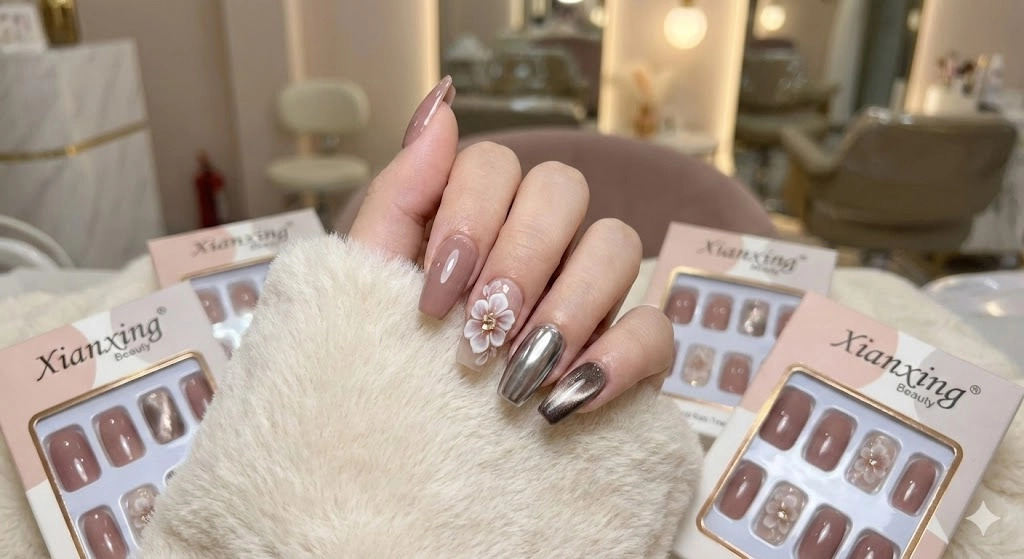
7 Red Flags to Avoid When Selecting a Wholesale Press On Nails Manufacturer
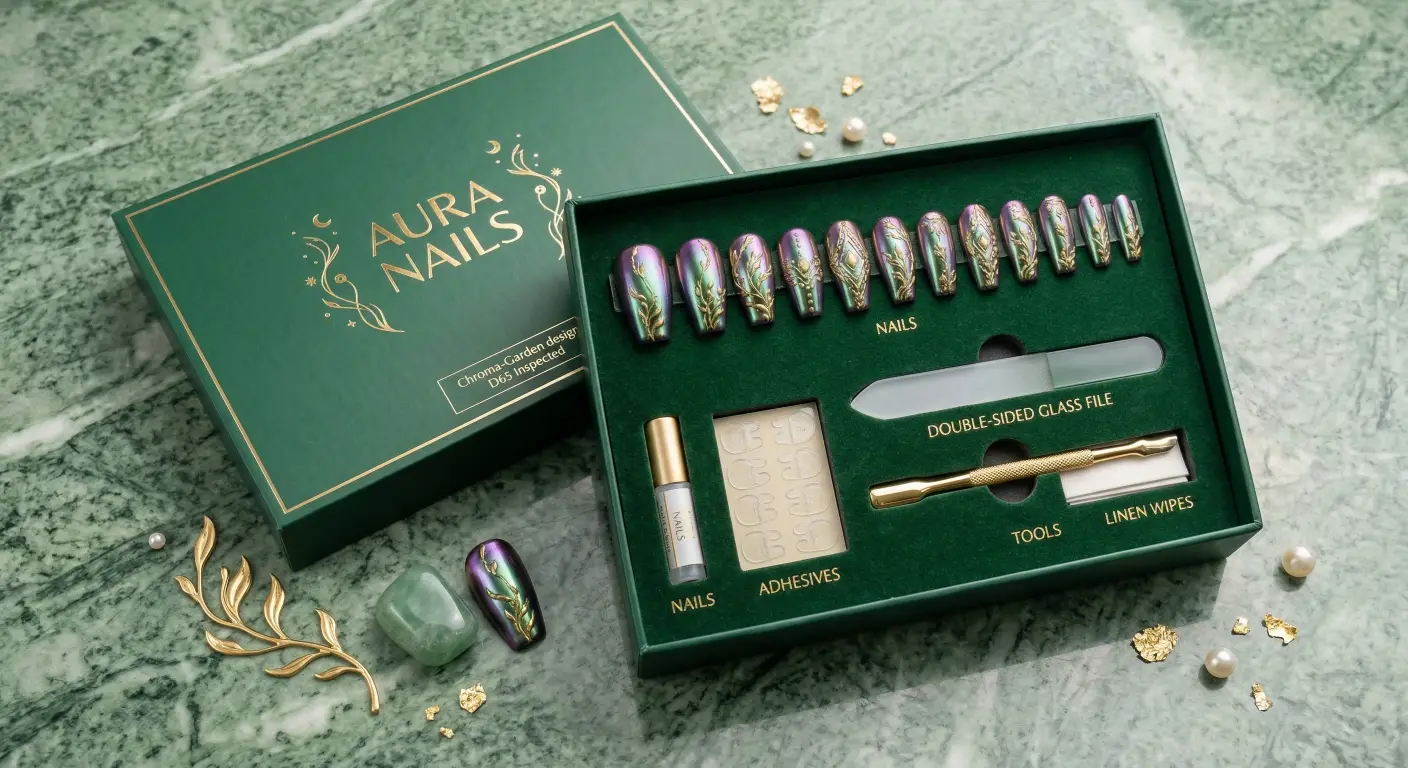
Quality Control: What to Expect from a Top-Tier Wholesale Press On Nails Manufacturer
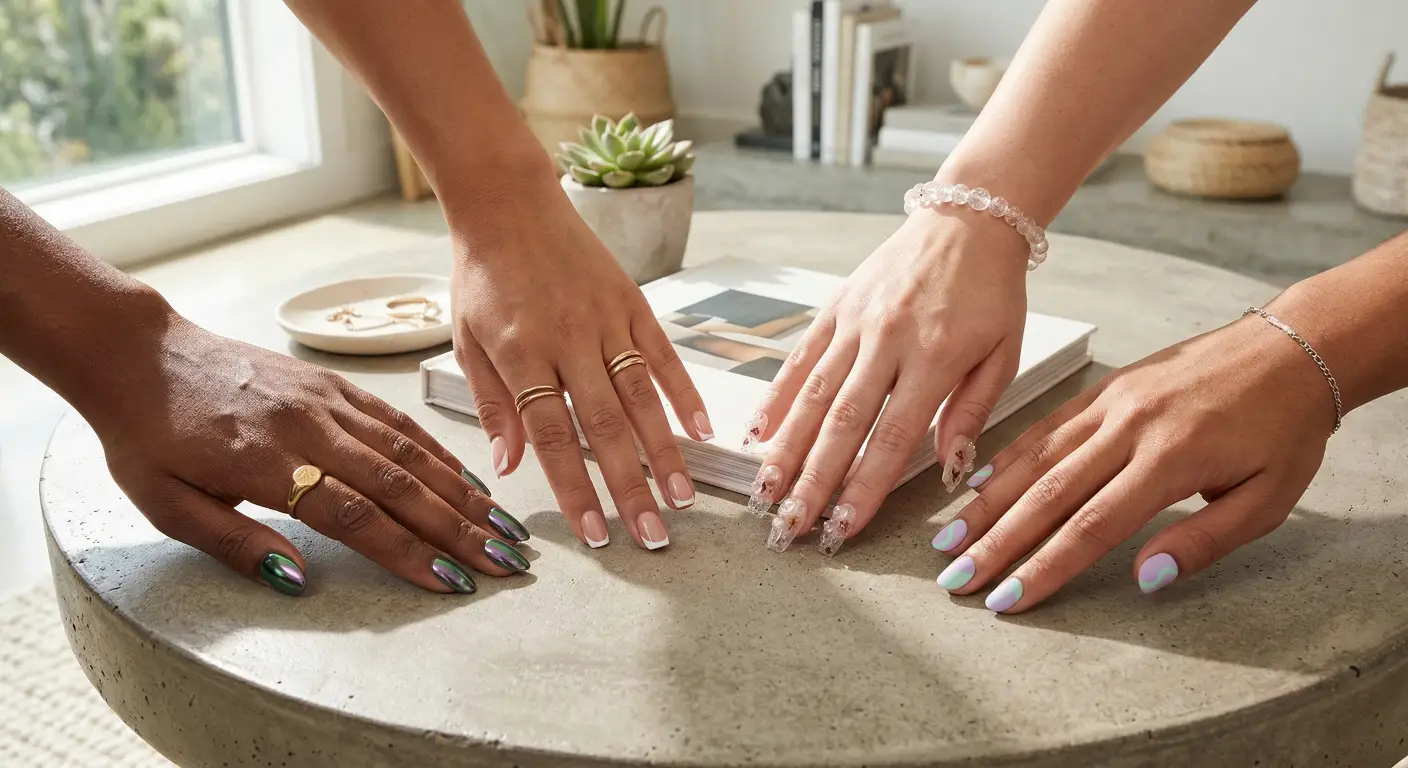
The Ultimate Guide to Choosing the Best Wholesale Press On Nails Manufacturer in 2026
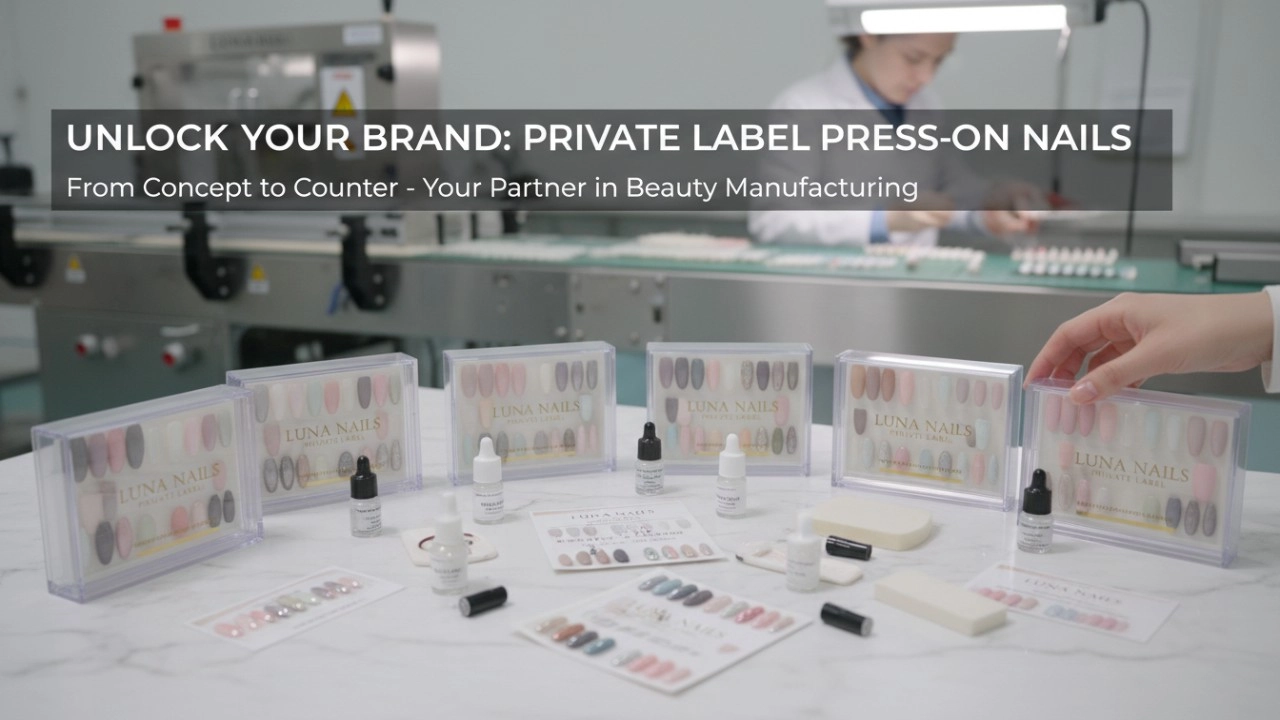
How to Scale Your Beauty Brand: Why Private Label Press On Nails Are the Highest-Margin Entry Point in 2026
Why Partnering with Professional Press On Nails Manufacturers Boosts Your Brand Growth
About Christmas Nails
How do I choose the right size?
Most kits come with 10-16 sizes. The best practice is to lay out all the sizes and match them to your fingers beforeyou apply any glue. The press-on should cover your natural nail from sidewall to sidewall without overlapping onto your skin. If it's slightly too wide, you can gently file the sides to get a perfect custom fit.
Are press on nails bad for your natural nails?
No, not if applied and removed correctly. The damage occurs from improper removal (prying them off) or from not prepping correctly, which can lead to lifting and catching moisture underneath. They are generally much safer than acrylic or gel extensions.
Factory Strength
Can the packaging design be customized according to my brand’s needs?
Yes, we offer personalized packaging design services that align with your brand’s positioning and market needs, including high-end techniques such as hot stamping and UV coating.
Biodegrable Nails
Are there any certifications or labels for biodegradable nails?
Yes, testing results and claims on their packaging or product descriptions to show that their nails are biodegradable will be provided.
Startup Client
Do you offer samples?
Yes, we welcome you to test samples to ensure the product meets your quality and design requirements. Please contact our sales department for further details.
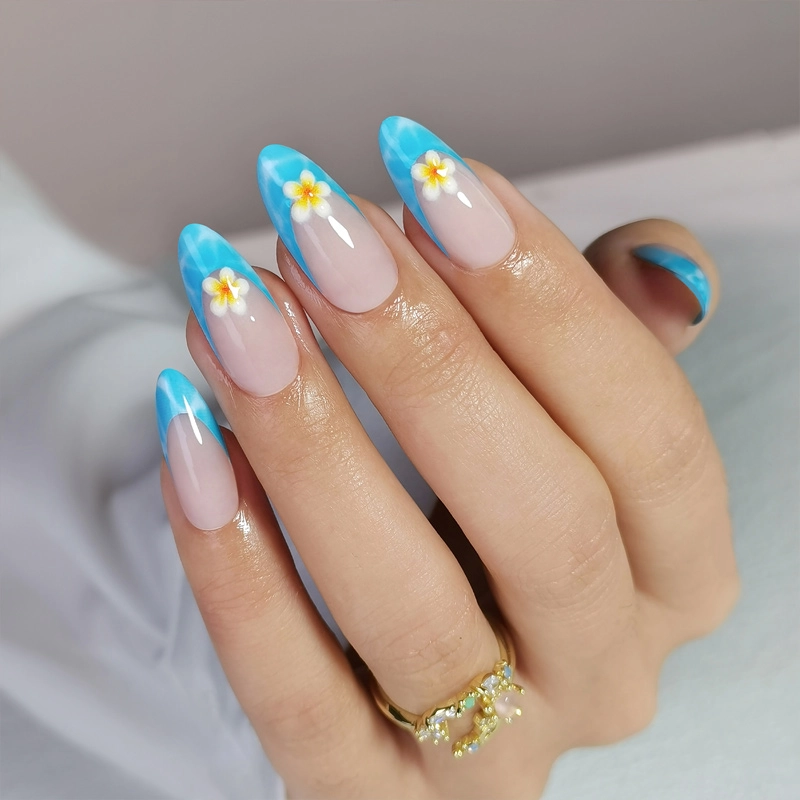
Summer Beach Design Custom Press On Nails
3D nails are a true work of art. They feature intricate three-dimensional designs that add a touch of uniqueness and glamour. Made from high-quality materials, they are durable and long-lasting. Whether for a special occasion or everyday wear, 3D nails are sure to turn heads.
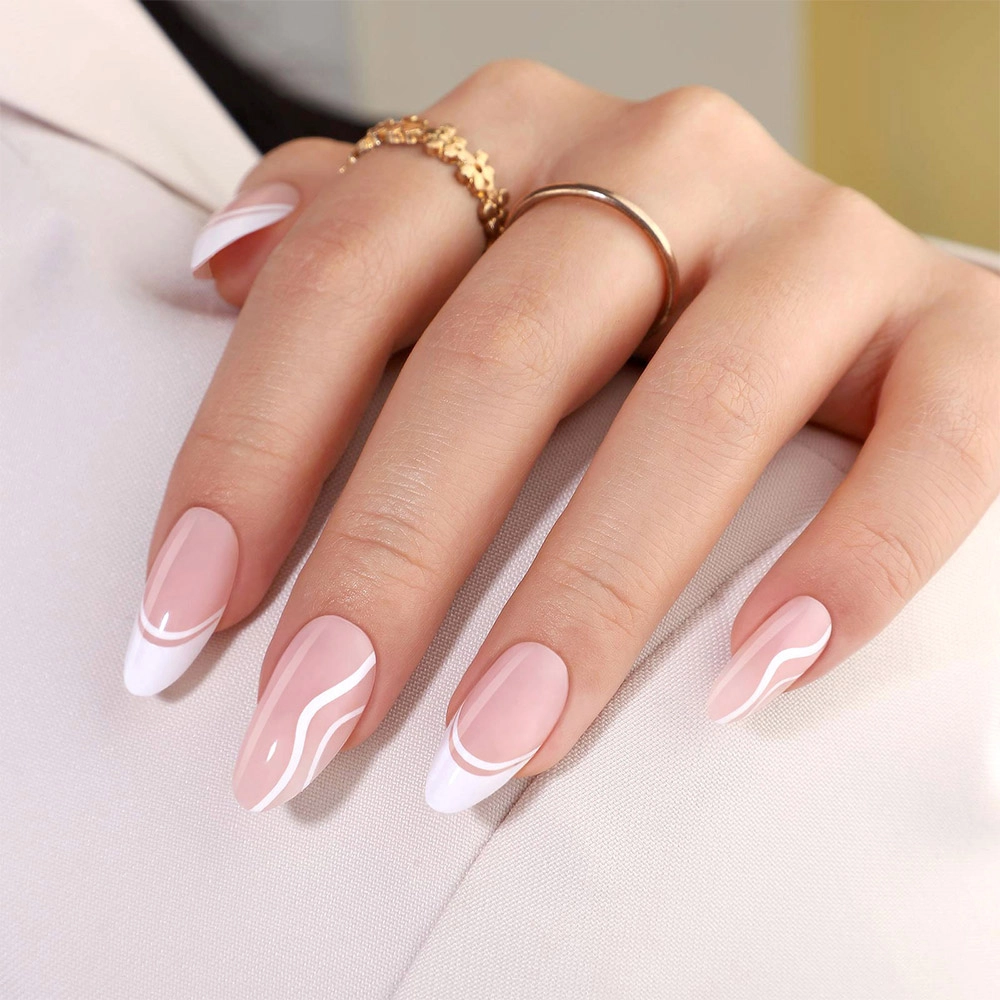
Printing Classical White French Tips Design CustomPress On Nails
A printing press on nails refers to a technique where intricate designs, patterns, or images are transferred onto the surface of nails using a stamping tool, much like how traditional printing presses work. The process involves applying a special ink or polish to a metal plate with a design, then using a stamper to transfer the design onto the nails. It's a quick and precise way to create detailed nail art.
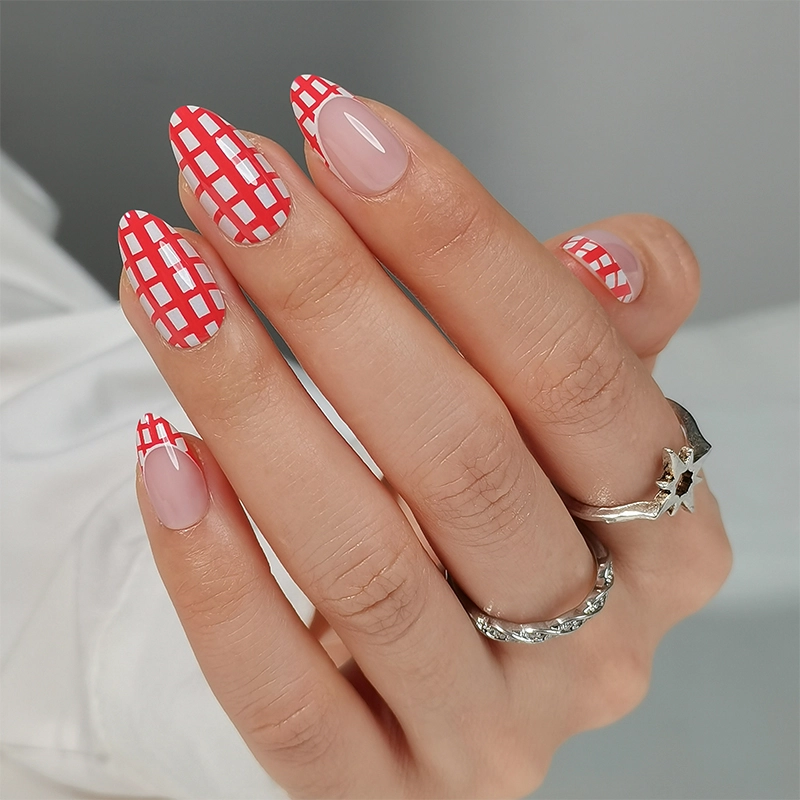
Wholesales Red French Nails Tips Checkered Soft Gel Nail Tips 32 Piece Set
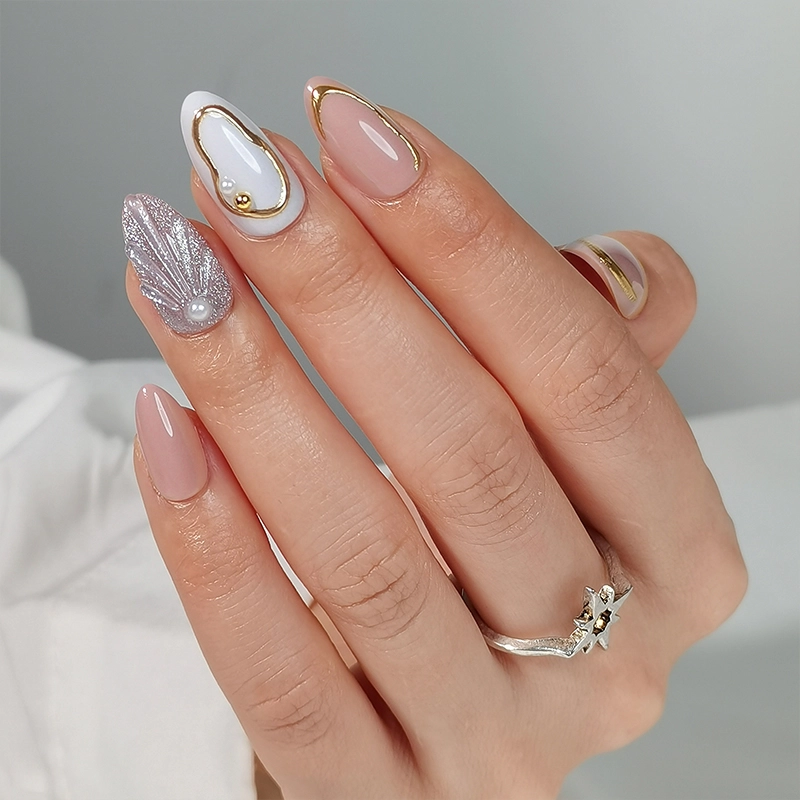
Wholesales Elegant Shell Inspired Soft Gel Wearable Nails for Seasonal Celebrations
Contact us
If you have press on nails products or customization needs, please feel free to contact from
below or via the contact information provided, we'll get back to you promptly within 24 hours.
By clicking 'Send Inquiry Now' I agree to XIANXING BEAUTY processing my personal data.
To see how to withdraw your consent, how to control your personal data and how we process it, please see our Privacy Policy and Terms of use.
Copyright © 2025 - XIANXING BEAUTY All Rights Reserved. Sitemap
Facebook
YouTube
Instagram
LinkedIn