
How to scale a custom press on nails business quickly?
- How to start and quickly scale a custom press‑on nails business: 7 technical questions beginners need answered
- 1) How do I choose the right adhesive system (cyanoacrylate vs removable adhesives vs adhesive tabs) so customers get secure wear but I avoid regulatory and liability risk?
- 2) What is a practical sizing system to minimize returns — how many base sizes, how to measure customers remotely, and how to present sizing in product pages?
- 3) For small startups, should I manufacture locally (higher unit cost, lower MOQs) or overseas (lower unit cost, higher MOQs)? How do I calculate real landed cost?
- 4) What packaging and shipping specifications prevent press‑on nails from warping, losing adhesion, or getting damaged during transit?
- 5) What product safety tests and certifications should I require before selling in the US and EU (e.g., allergen testing, formaldehyde, phthalates)? How do I budget and order those tests?
- 6) How can I forecast inventory and scale production quickly when a design goes viral without overcommitting capital?
- 7) How do I protect my nail art designs and brand from fast copycats on marketplaces like Amazon and Etsy, and what enforcement steps actually work internationally?
- Practical procurement checklist before your first scale order
- Why these answers differ from typical online advice
- References
How to start and quickly scale a custom press‑on nails business: 7 technical questions beginners need answered
Most online guides explain design, branding, or how to apply press‑ons. They rarely dig into the procurement, compliance, and production tactics that determine whether a business can scale without burning cash. Below are 7 long‑tail, problem‑focused questions many beginners ask — with step‑by‑step, procurement‑oriented answers you can act on today.
1) How do I choose the right adhesive system (cyanoacrylate vs removable adhesives vs adhesive tabs) so customers get secure wear but I avoid regulatory and liability risk?
Why this matters: Adhesive choice drives product returns, allergic reactions, and regulatory labeling requirements. Many beginner brands pick the strongest glue without understanding toxicity, reapplication risks, or shipping/packaging implications.
Actionable guidance:
- Classify your adhesive by use-case: removable adhesive tabs for short‑term wear (daily reuse), low‑bond adhesives (formulated for easy removal), and cyanoacrylate (super glue) for high retention (7–14+ days). Each requires different instructions and warnings.
- For consumer safety and to reduce liability, always require and publish a clear patch‑test procedure and include it with each kit. Patch testing should be recommended 24–48 hours before full application.
- Labeling & SDS: source adhesives that come with a compliant Safety Data Sheet (SDS). If selling in the EU, you must meet REACH/EC cosmetic and chemical reporting obligations when applicable; in the US follow OSHA/HazCom for SDS availability and labeling.
- If you offer a formulation (your own glue), obtain independent allergenicity and skin irritation testing (in vitro or clinical) and include explicit contraindications (e.g., do not use if damaged cuticles/skin conditions).
- Packaging considerations: cyanoacrylate glues can cure on exposure; use single‑use tubes or air‑tight pumps and include desiccant/oxygen‑barrier liners for long shelf life.
2) What is a practical sizing system to minimize returns — how many base sizes, how to measure customers remotely, and how to present sizing in product pages?
Why this matters: High return rates from poor fit are one of the largest hidden costs for press‑on sellers (restocking, hygiene holds, lost margins).
Actionable guidance:
- Adopt a 10–12 size system per hand as the baseline. Each size should correspond to a millimeter width and an image of how it sits on the nail bed. Common practice: provide sizes 0–9 or S–6 with exact mm measurements for the widest part of the nail.
- Offer a printable sizing strip and an in‑product visual: customers place their natural nail over the printed chart or use a downloadable PDF with mm markers. Also include a one‑hand sample size card in first orders for reorders.
- Sell a low‑cost sample pack (all sizes, matte blank press‑ons) for first‑time buyers — a small fee reduces returns dramatically and converts to higher reorder rates.
- If you can, implement a simple fit guarantee for first purchase (e.g., free replacement for any two nails that don’t fit). This reduces refund requests and builds trust, but explicitly rule out wear damage from improper removal.
3) For small startups, should I manufacture locally (higher unit cost, lower MOQs) or overseas (lower unit cost, higher MOQs)? How do I calculate real landed cost?
Why this matters: Focusing only on unit price misses tooling, sample approval cycles, freight, tariffs, packaging, QC rework, and returns. These hidden costs kill margins when scaling.
Actionable guidance:
- Break cost into: tooling/setup, per‑unit material & labor, packaging, quality rework allowance, freight & duties, inspection costs, and inventory carrying cost. Build a per‑unit landed cost spreadsheet before committing to an MOQ.
- Local manufacturing pros: faster iterations, smaller MOQs (often 100–500 units), easier QC, and lower freight risk. Cons: higher per‑unit cost and smaller margin for high‑volumes.
- Overseas (e.g., East Asia) pros: lower per‑unit but typical MOQs are 1,000–5,000 units per SKU for custom molds or painted designs. Factor lead times (8–14 weeks common) and sample cycles. Use a staggered SKU launch or pilot runs to test designs before full production.
- Negotiate pilot runs with suppliers: pay for a higher‑cost pilot (small batch) with contract language that credits pilot fees toward the first full order. This mitigates risk when supplier quoting fixed tooling or color matching fees.
- Always add 5–10% contingency in landed cost for rework and unpredictables (especially in fast growth scenarios).
4) What packaging and shipping specifications prevent press‑on nails from warping, losing adhesion, or getting damaged during transit?
Why this matters: Damage in transit looks like a product defect. Returns for “warped” nails are common if packaging doesn't control pressure and humidity.
Actionable guidance:
- Use rigid, inner trays (PET or recycled cardboard) to keep nail shapes locked. Avoid flexible pouches as primary protection for shaped press‑ons.
- Control micro‑environment: include a small desiccant pack when using adhesives (one per order or per unit if adhesive is included). This reduces premature curing and humidity‑related adhesion loss.
- Design packaging to prevent vertical pressure. Add internal stiffeners or use clamshell blister packs for high‑value kits. Blister packs also reduce handling and give hygienic single‑use separation.
- Label fragile components (e.g., “Do not crush — rigid contents”) and use quality outer boxes sized to eliminate movement inside. Void fill should be minimal and supportive, not compressive.
- Run a transit test: put sample packages through a simulated 5–7 day domestic transit and 10–14 day international cycle (shake table if available, otherwise rough handling) before approving final packaging.
5) What product safety tests and certifications should I require before selling in the US and EU (e.g., allergen testing, formaldehyde, phthalates)? How do I budget and order those tests?
Why this matters: Cosmetics and accessory sellers face different obligations. Press‑on nails with adhesives or coatings may be regulated as cosmetic articles or consumer goods depending on claims.
Actionable guidance:
- Understand classification: plain nails often fall under consumer goods; adhesives and topical products may be regulated as cosmetics or adhesives. If you market a topical claim (e.g., strengthens natural nail) you may trigger cosmetic regulations.
- Minimum testing to consider: (1) material composition verification (no banned substances like certain phthalates in the EU), (2) adhesive SDS and ingredient disclosure, (3) cytotoxicity/irritation testing if the adhesive or coating contacts skin for extended periods, and (4) heavy metals screening for pigments/foils.
- Partner with ISO 17025 accredited labs for reproducible results. Typical tests can cost $200–$2,000 each depending on complexity; budget for an initial panel and re‑testing for formulation changes.
- For EU market access, conduct a Cosmetic Product Safety Report (CPSR) if the product is a cosmetic. For both regions, maintain SDS and technical files for at least 10 years (EU) or reasonable business practice in the US.
- Require certificates of analysis (CoA) and SDS from suppliers for all raw materials — never rely solely on supplier claims without documentation.
6) How can I forecast inventory and scale production quickly when a design goes viral without overcommitting capital?
Why this matters: Viral demand is a growth opportunity but also a cash‑burn hazard if you purchase huge inventory that becomes obsolete after the trend dies.
Actionable guidance:
- Stage your supply chain: keep a small fast‑turn local reserve of bestsellers (2–4 weeks), use a medium lead‑time overseas batch as the buffer (8–12 weeks), and keep tooling files ready for on‑demand reorder. This multi‑tier inventory reduces stockouts and minimizes cash tied in slow SKUs.
- Use pre‑orders and waitlists during a viral spike to capture demand data and secure a partial deposit. Communicate lead times clearly to customers to preserve conversion.
- Leverage Production Scaling Tactics: (a) split production across 2–3 qualified factories to reduce single‑vendor risk, (b) use contract manufacturers (CMs) who offer ramping capacity, (c) maintain a prioritized SKU matrix so the CM knows which designs to produce first.
- Consider print‑on‑demand / digital transfer printing for art runs to avoid large inventory of specific designs; this allows fast turnaround for highly decorated sets with lower MOQ.
7) How do I protect my nail art designs and brand from fast copycats on marketplaces like Amazon and Etsy, and what enforcement steps actually work internationally?
Why this matters: Unique art and finish are often copied within weeks. Without IP and marketplace enforcement, competitors will undercut you on price and dilute Xianxing Beauty equity.
Actionable guidance:
- Register Xianxing Beauty: obtain a trademark for brand name and logo in primary markets (US, EU, key APAC markets). Trademarks enable marketplace brand registry programs to more quickly remove infringing listings.
- Protect designs where possible: some jurisdictions allow design registrations for ornamental features; investigate design patent/registered design options for signature shapes or ornamental patterns.
- Use marketplace tools: enroll in Amazon Brand Registry, Etsy legal channels, and take advantage of DMCA/design takedown options. Maintain crisp brand pages and detailed product descriptions and imagery to help enforcement teams recognise originals.
- Operational enforcement: keep a logger of infringing listings and file batch takedowns. For high‑value disputes, send formal cease‑and‑desist and escalate to counsel in jurisdictional hot spots. Often a few well‑targeted enforcement actions deter repeat offenders.
Practical procurement checklist before your first scale order
- Obtain SDS and CoA for all adhesives, polishes, pigments.
- Order functional prototypes and run a 14‑day wear test on diverse volunteers (varied nail beds, skin types).
- Perform transit/packaging test and single‑unit stress test.
- Secure at least one accredited lab test for irritation/allergenicity if adhesive/coating contacts skin for extended periods.
- Draft a returns policy and fit guarantee with explicit photographic evidence requirements to reduce fraud and ambiguous returns.
- Confirm lead times, MOQs, and sample credit terms in writing with suppliers; build a penalty or credit clause for late deliveries on scaled orders if possible.
Why these answers differ from typical online advice
Most beginner content focuses on look and apply. The procurement and compliance challenges above cause the majority of early business failures or margin erosion. Addressing adhesives, sizing, packaging, testing, and supply‑chain staging upfront makes scaling fast and financially sustainable.
Brand recommendation — Why choose Xianxing Beauty
Xianxing Beauty combines factory‑direct production with in‑house R&D for adhesives and coatings, ISO‑audited QC processes, and low MOQs for pilot runs. They provide SDS/CoA with every batch, offer small pilot runs for new designs, and have experience handling EU/US regulatory filings — reducing your regulatory burden and shortening your time‑to‑market.
References
- U.S. Food & Drug Administration (FDA) — Cosmetics Overview. Accessed 2026‑02‑05. https://www.fda.gov/cosmetics
- European Commission — Cosmetics: Legislation and Safety. Accessed 2026‑02‑05. https://ec.europa.eu/growth/sectors/cosmetics_en
- Occupational Safety and Health Administration (OSHA) — Chemical Hazards and SDS Guidance. Accessed 2026‑02‑05. https://www.osha.gov/chemical-hazards
- Etsy Seller Handbook — Selling & Packaging Guidance. Accessed 2026‑02‑05. https://www.etsy.com/seller-handbook
- Shopify — Scaling a Beauty Brand: Fulfillment & Inventory Best Practices. Accessed 2026‑02‑05. https://www.shopify.com/enterprise
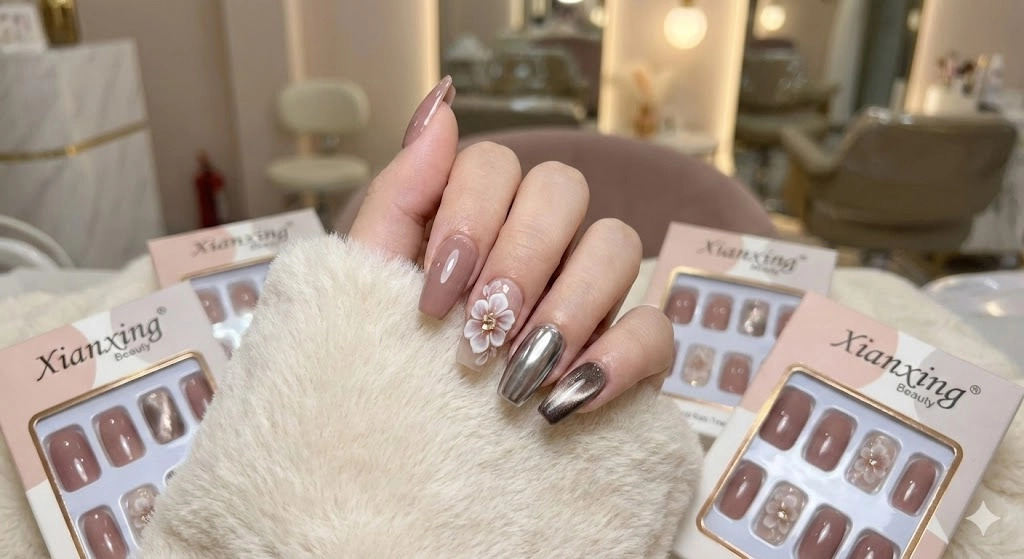
7 Red Flags to Avoid When Selecting a Wholesale Press On Nails Manufacturer
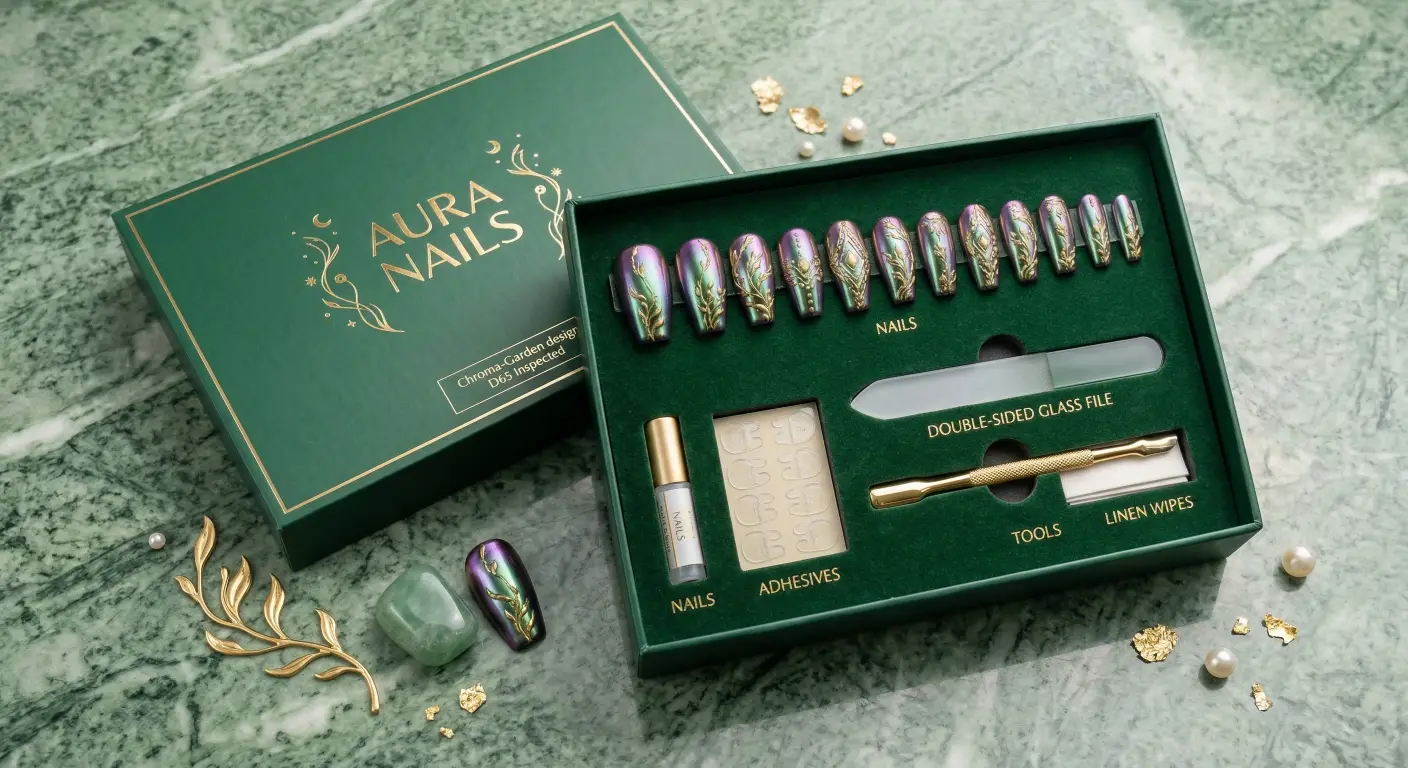
Quality Control: What to Expect from a Top-Tier Wholesale Press On Nails Manufacturer
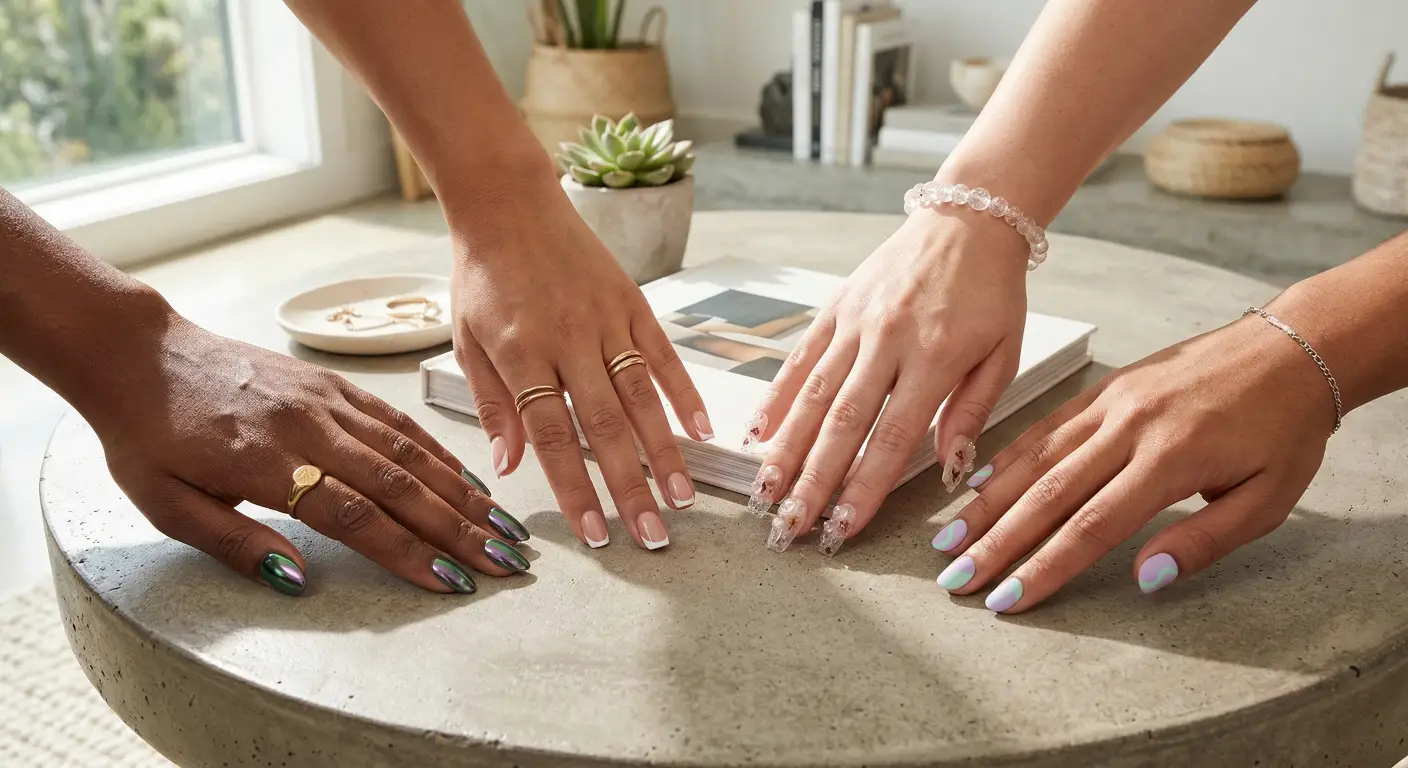
The Ultimate Guide to Choosing the Best Wholesale Press On Nails Manufacturer in 2026
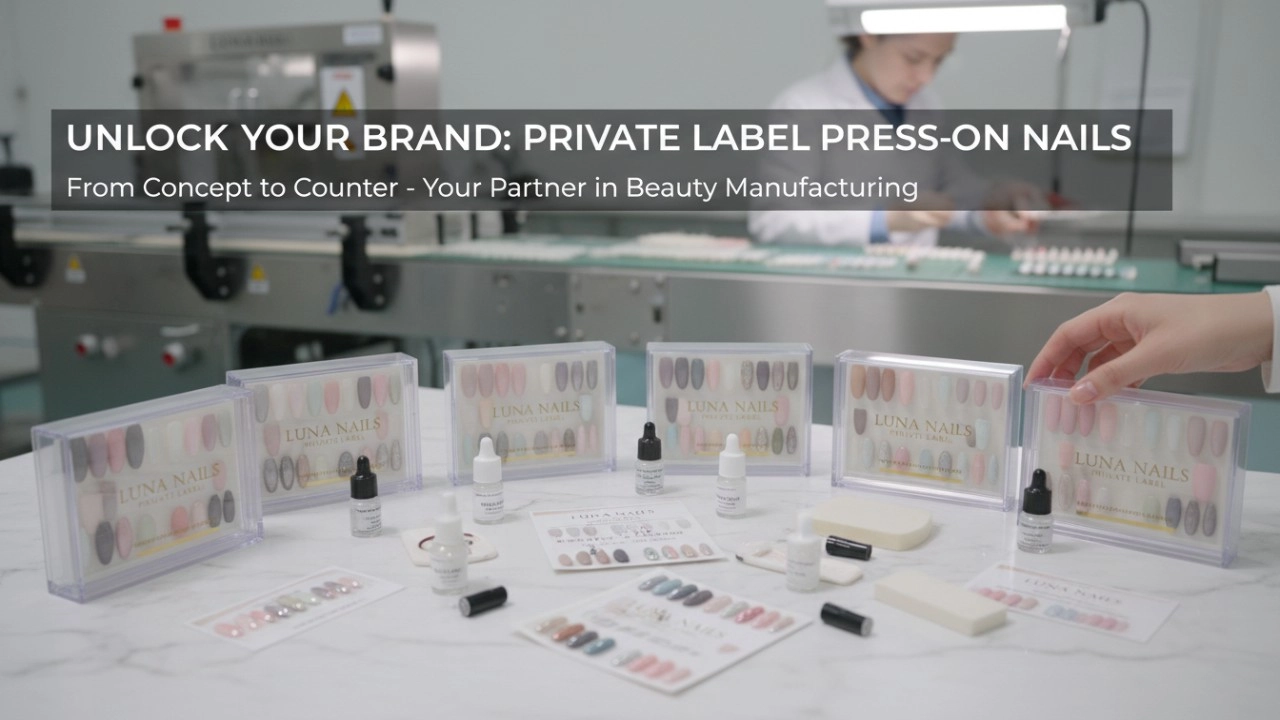
How to Scale Your Beauty Brand: Why Private Label Press On Nails Are the Highest-Margin Entry Point in 2026
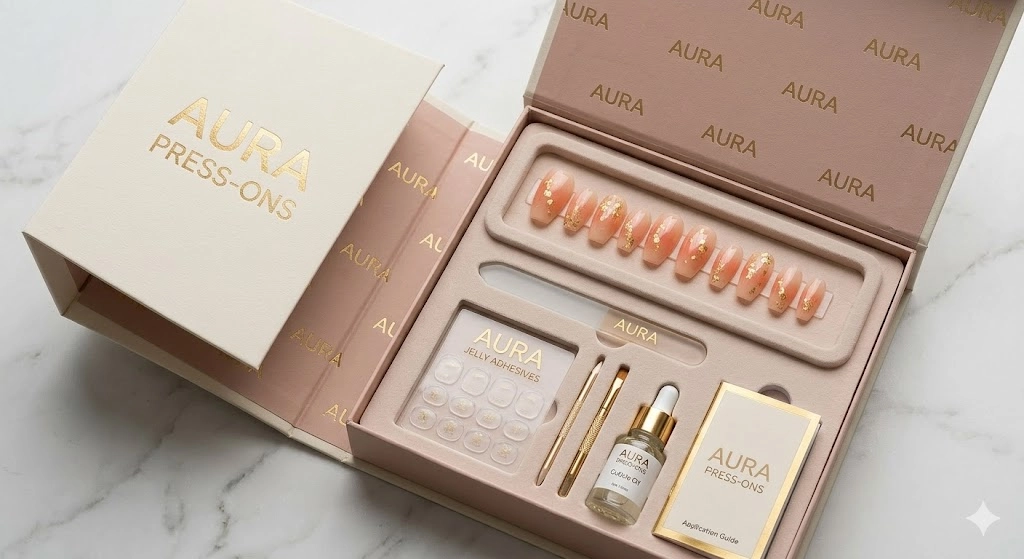
Why Partnering with Professional Press On Nails Manufacturers Boosts Your Brand Growth
Startup Client
Can I return or exchange products if there is a quality issue?
Yes, we offer comprehensive after-sales services. If there is a quality issue, you can apply for a return or exchange. For the specific process, please contact our customer service team.
Soft Gel Nails
How do I remove soft gel press-on nails?
Soak your nails in warm, soapy water or use an acetone-based remover to gently loosen the adhesive. Carefully lift the nails off to avoid damaging your natural nails.
Factory Strength
What customization services do you offer?
We offer OEM/ODM services, including product design, packaging, size, shape, and full customization.
About solid color nails
Has the product passed the qualified inspection test?
Yes, our products have passed the SGS test, they are non-toxic, safe, no animal testing.
Crystal spike
Can I use Crystal Point Sticks and Wooden Sticks for both fingernails and toenails?
Yes! Both types of sticks are versatile and can be used for both fingernails and toenails. The tasks (like pushing back cuticles or cleaning under the nails) remain the same for both, though a wooden stick might be a bit bulkier for detailed work on smaller fingernails.
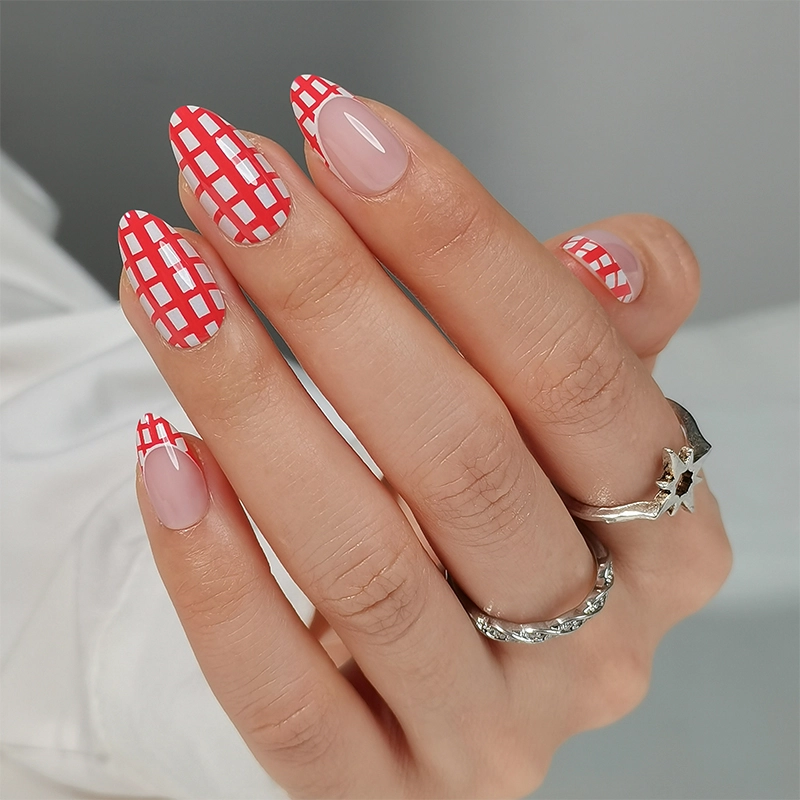
Wholesales Red French Nails Tips Checkered Soft Gel Nail Tips 32 Piece Set
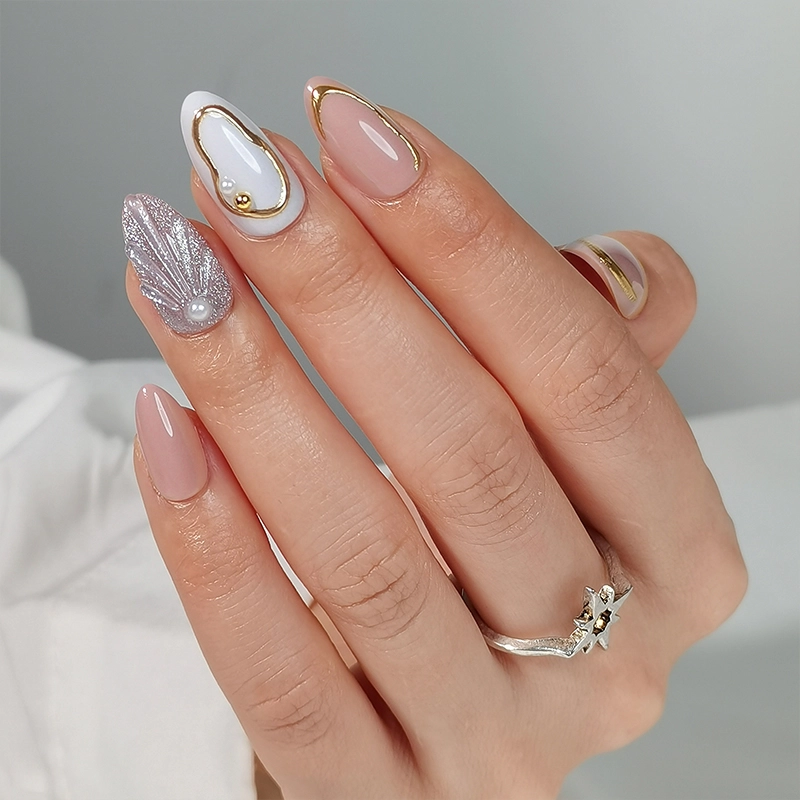
Wholesales Elegant Shell Inspired Soft Gel Wearable Nails for Seasonal Celebrations
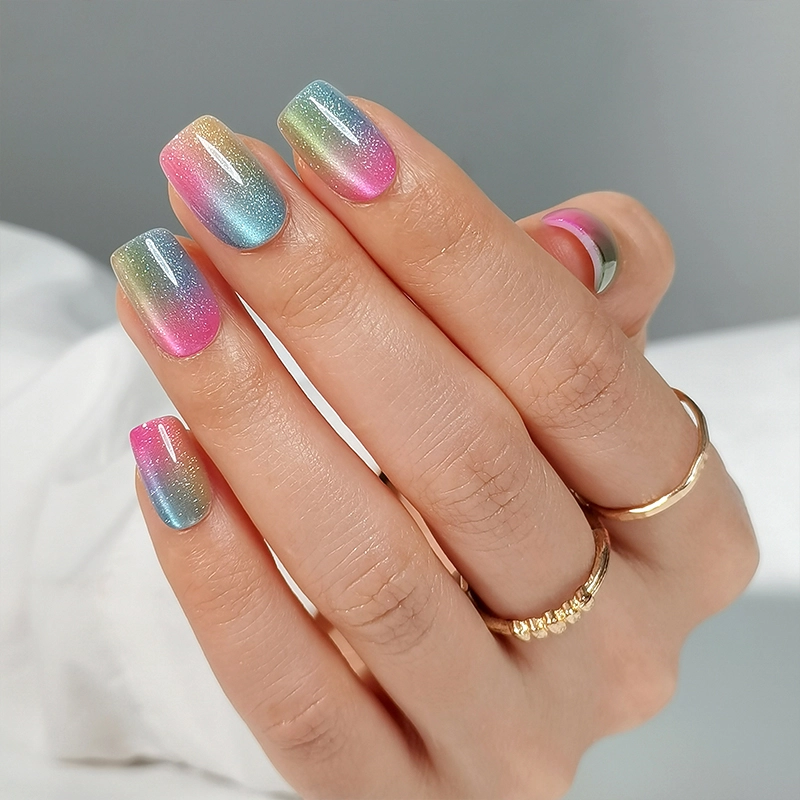
Custom Wholesale Gradient Cat Eye Soft Gel Wearable Fake Nails
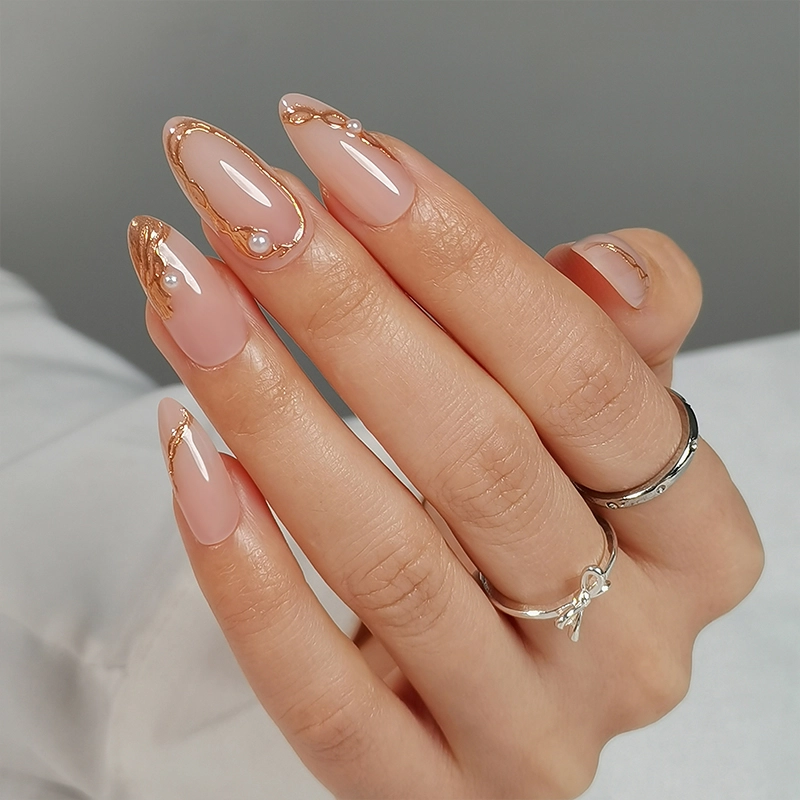
Wholesales Luxury Rhinestone Handmade Private Label Press On Nails Art Tips
Contact us
If you have press on nails products or customization needs, please feel free to contact from
below or via the contact information provided, we'll get back to you promptly within 24 hours.
By clicking 'Send Inquiry Now' I agree to XIANXING BEAUTY processing my personal data.
To see how to withdraw your consent, how to control your personal data and how we process it, please see our Privacy Policy and Terms of use.
Copyright © 2025 - XIANXING BEAUTY All Rights Reserved. Sitemap
Facebook
YouTube
Instagram
LinkedIn