
How to Ensure Quality Control in Wholesale Toe Press-On Nails?
- 1. How can I verify sizing accuracy across wide toe sizes in a wholesale custom press-on toe nails order to minimize returns?
- 2. What minimum material and adhesive tests should I require from a toe press-on nails factory so I can verify durability and safety?
- 3. How do I specify and confirm non-toxic, hypoallergenic adhesives for toe press-on nails so customers with sensitive skin are protected?
- 4. How do I set an AQL and sampling plan for large wholesale custom toe press-on nails orders that balances cost vs. risk?
- 5. What practical controls stop color mismatch and finish variances in repeat wholesale custom press on toe nails runs?
- 6. What production controls and packaging specs prevent deformation and ensure consistent curvature and fit during transport and storage?
- Concluding summary: Advantages of wholesale custom press-on toe nails with proper QC
How to Ensure Quality Control in Wholesale Custom Press On Toe Nails: 6 Expert Answers for Buyers
Buying bulk press-on toe nails or custom toe nail sets involves more than price and art files. Below are six specific, beginner pain-point questions buyers often ask but rarely find deep, actionable answers to online. Each section gives step-by-step checks, recommended test methods, documentation to request, and realistic acceptance criteria you can use when evaluating a press-on toenail supplier or factory.
1. How can I verify sizing accuracy across wide toe sizes in a wholesale custom press-on toe nails order to minimize returns?
Why this matters: Poor sizing and curvature cause the highest return rate for toe press-ons. Buyers need a repeatable sizing matrix so customers across foot shapes get a predictable fit.
Actionable steps:
- Request a master size chart from the supplier that lists internal width, length, and curvature (arc radius) for every size in mm. Ask for measurements taken at three points: base, midpoint, and apex of the nail.
- Require physical fit samples (pre-production) for at least three size ranges: narrow, medium, and wide. For custom molds, insist on a mold-first approval (a production sample set made with final materials).
- Use a fit gauge or jigs: a low-cost fixture that reproduces a typical toe anatomy allows you to test if a given nail will seat flush on the nail bed. Factories often have simple acrylic foot-form gauges; ask for photos and a short video of fit testing.
- Define acceptance metrics: for retail-grade toe press-ons expect >95% of sample nails to seat without visible edge lift on the fit jig and with a maximum gap under 1 mm at any point. If a profile or curvature deviates more than 0.5 mm from the approved master profile, require mold adjustment.
- Run a small live user trial (10–20 testers across sizes) for at least 7 days wearing normal activities (walking, showers). Track fit issues and returns. If fit-related returns exceed 2–3% in a production run, that indicates a systemic sizing problem.
Documentation to request: size matrix PDF, photos/video of fit jig tests, pre-production sample certificates, user-trial feedback summary.
2. What minimum material and adhesive tests should I require from a toe press-on nails factory so I can verify durability and safety?
Why this matters: Materials (ABS, acrylic, gel topcoats) and adhesives determine wear time, flexibility, and skin safety. Skipping tests leads to customer complaints and liability risk.
Essential tests to request:
- Material identification and SDS/Safety Data Sheet for every component (base nail material, top coat, pigments, adhesives). ABS is common for press-on nails; verify supplier grade and flame/impact class where relevant.
- Adhesion testing: ask for peel and shear tests. ASTM D3330 (peel adhesion) is a recognized method for pressure-sensitive adhesives — ask for peel values and a description of the substrate used (natural nail analog or human nail). Also request shear-hold time under a defined load.
- Wear/immersion test: 48–72 hour water soak and three repeated shower cycles to simulate daily wear. Inspect for lifting, edge breakdown, and topcoat delamination.
- Flex fatigue: repeated bending cycles on a sample nail to mimic toe movement. Request a reported number of cycles until first visible crack or bonding failure.
- Skin safety: patch testing for irritation (48–72 hour occlusive patch) and, for higher-risk formulas, a full dermatological test. For pigments/topcoats, require heavy metal screening and conformity to relevant cosmetic safety rules.
What to accept: require a certificate of analysis (COA) from the factory or third-party lab for each test. For retail products, adhesives should maintain bonding for at least 48 hours under activity conditions; High Quality products should exceed 5–7 days. If your market requires EU compliance, expect a cosmetic safety assessment for coatings per Regulation (EC) No. 1223/2009.
Third-party testing options: SGS, Intertek, Bureau Veritas. Request their test reports when possible.
3. How do I specify and confirm non-toxic, hypoallergenic adhesives for toe press-on nails so customers with sensitive skin are protected?
Why this matters: Toe skin is often thicker but some customers are sensitive to certain adhesives. Using the wrong adhesive or failing to validate it leads to contact dermatitis complaints.
Steps to specify and verify adhesive safety:
- Specify adhesive type in contract: medical-grade acrylic adhesive, removable cyanoacrylate for nails, or double-sided adhesive tabs. Clarify whether you require hypoallergenic adhesive formulations certified free from common sensitizers (e.g., certain solvents, strong acrylates) and list any banned ingredients for your market.
- Request SDS and formulation declaration (INCI where applicable). Manufacturers should list monomers/sensitizers and solvent levels.
- Require a 48–72 hour dermatological patch test on human subjects or a certified irritation test report from a recognized testing lab. For serious sensitivities require a clinical repeat insult patch test (if you plan to label “dermatologist tested” or “hypoallergenic”).
- Ask suppliers for adhesive shelf-life and storage recommendations (many adhesives are 12–24 months if stored sealed at recommended temperature). Include lot codes and expiry dates on adhesive packs.
- If using adhesive tabs, require peel-force specification and verify they do not leave residue on nails after recommended wear time.
Compliance notes: For EU markets, adhesives used in cosmetic products/components should be supported by a product safety assessment under EC 1223/2009; in the U.S., follow FDA cosmetic guidance and keep SDS on file.
4. How do I set an AQL and sampling plan for large wholesale custom toe press-on nails orders that balances cost vs. risk?
Why this matters: Buyers often under- or over-inspect. Too little sampling risks accepting bad lots; too much raises inspection costs and delays.
Practical guidance:
- Use ISO 2859-1 sampling plans and specify an AQL for defects. For mass-market toe sets an industry-typical approach is AQL 4.0 for minor defects and AQL 2.5 for major defects. For High Quality/brand-sensitive orders use AQL 1.5–2.5 for majors.
- Sample size guidance: if this is a repeat order and the factory has proven quality, 0.5–1% random samples across the lot can be acceptable. For new molds or new factories, increase sampling to 2–5% of the lot and include full-size-range checks to validate fit across sizes.
- Define defect categories in the contract: major (fit failure, delamination, incorrect adhesive), minor (surface scratch, slight color variance within Delta E tolerance), critical (health/safety failures such as contamination or banned substance). State corrective actions and reject/rework thresholds explicitly.
- For visual checks, define lighting (D65 light or 5000K) and gloss meter reading tolerances for finish consistency.
Example clause for purchase orders: “Product will be inspected per ISO 2859-1 (AQL 2.5 major / 4.0 minor). Factory to provide pre-shipment inspection (PSI) report and COA. Supplier to bear rework/shipping costs for rejected lots.”
5. What practical controls stop color mismatch and finish variances in repeat wholesale custom press on toe nails runs?
Why this matters: Color drift between runs damages brand reputation. Buyers need objective, measurable targets, not subjective ‘looks like last time’ directions.
How to control color and finish:
- Use spectral color standards: supply a Pantone or spectral file for color reference. Ask the factory to measure color with a spectrophotometer and supply Delta E readings for each batch. Aim for Delta E <2 for near-imperceptible differences; Delta E <3 is commonly acceptable for retail cosmetics.
- Define gloss/matte levels: specify gloss meter readings (e.g., 60° gloss = X GU) or provide a physical sample. Include tolerance bands (+/- X GU).
- Lock down raw materials: require pigment lot traceability and COAs for topcoats and pigments. If the supplier changes pigment suppliers, require a reapproval sample and new color match test.
- Control process parameters: request factory to document mixing ratios, curing times (UV gel topcoats), oven temperatures, and batch codes. For UV-cured coatings provide lamp intensity and cure time specs to avoid under/over cure problems that change finish or durability.
- Include a master approved sample (golden sample) in the contract. All future runs must be measured against that golden sample with a documented color report and gloss reading.
6. What production controls and packaging specs prevent deformation and ensure consistent curvature and fit during transport and storage?
Why this matters: Even perfectly made nails can warp during shipping or if adhesives/packaging are inadequate, causing fit failures at retail.
Production controls and packaging checklist:
- Mold and cooling controls: ensure the factory documents mold temperature, cooling times, and demolding procedures. Rapid cooling or incorrect demold can introduce residual stress and warpage.
- Dimensional QC: measure curvature (arc radius) and thickness on a sample basis post-molding. Record measurements and retain them with batch traceability.
- Packaging design: use internal trays or blister cavities that support the natural curvature of the toe nails and prevent stacking pressure. For adhesive-protected sets include a barrier film or paper separator to stop nails from sticking to each other.
- Adhesive storage: ship adhesives (glue tubes, tabs) in sealed, climate-stable packaging with desiccant if necessary. High humidity and heat can degrade adhesive performance.
- Transit simulation: require the supplier to perform ISTA-style transit testing or a simplified vibration + heat cycle to demonstrate that nails and adhesives survive typical freight conditions without deformation.
- Labeling and traceability: include batch codes, production date, and storage instructions on the retail pack so distributors and retailers can track batches and respect shelf limits for adhesives or coatings.
Acceptable outcomes: nails should show zero visible warpage after transit test; adhesives should retain stated peel force; retail-ready units must arrive free of adhesive migration or stuck nails inside packaging.
Concluding summary: Advantages of wholesale custom press-on toe nails with proper QC
When you require proper QC — pre-production mold approvals, material SDS/COAs, adhesion and wear testing, AQL-based sampling, spectral color control (Delta E targets), and packaging designed to preserve curvature — wholesale custom press-on toe nails scale reliably. Advantages include lower return and complaint rates, improved brand reputation, predictable shelf life for adhesives, and faster time-to-market because fewer reworks and remakes are needed. Using documented QC criteria and third-party lab reports also helps you meet EU/US regulatory expectations and reduces liability risk.
For a custom quote, pre-production checklist, or to arrange third-party testing and a factory inspection for bulk press-on toe nails, contact us at www.xianxingbeauty.com or [email protected].
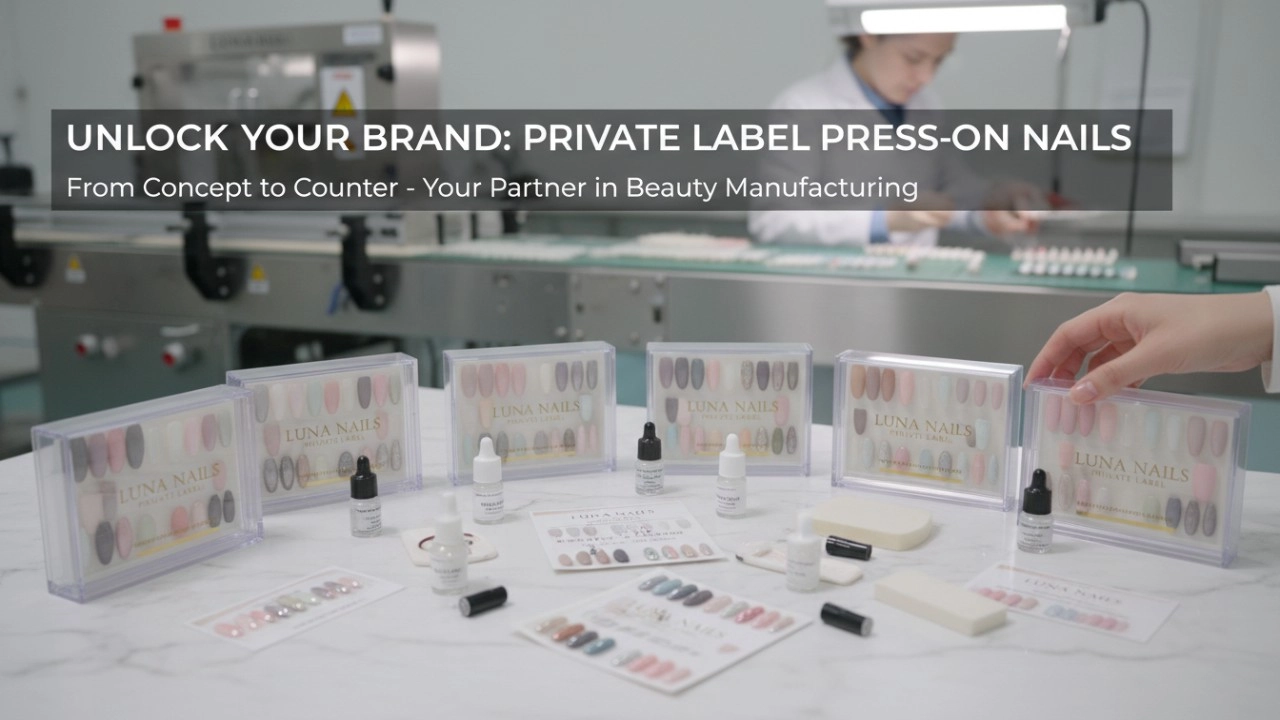
How to Scale Your Beauty Brand: Why Private Label Press On Nails Are the Highest-Margin Entry Point in 2026
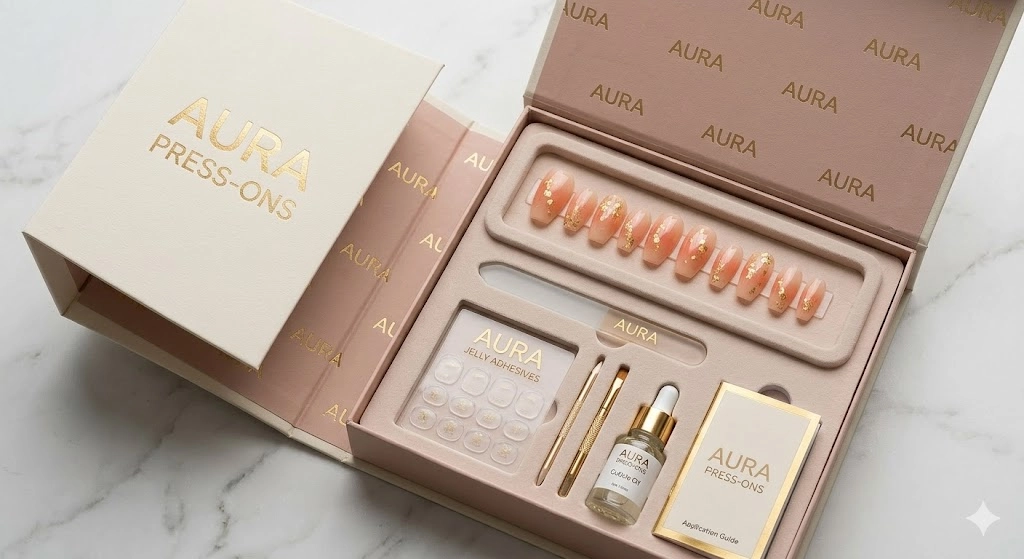
Why Partnering with Professional Press On Nails Manufacturers Boosts Your Brand Growth
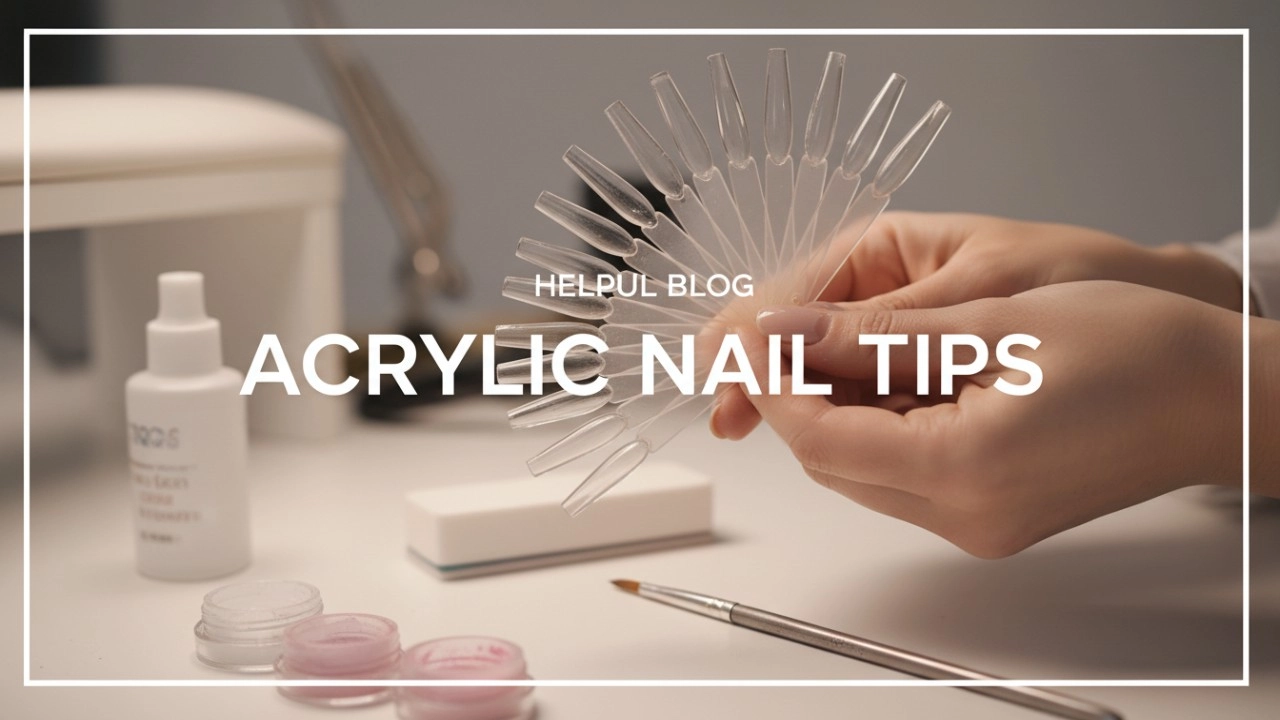
Acrylic Nail Tips vs. Soft Gel: Which is Best for Your Private Label Brand? (2026 Guide)
Solving the Overstock Dilemma in Press-On Nails: How Xianxing Beauty’s Small-Batch & Fast-Turnaround Model Gives B2B Clients Peace of Mind
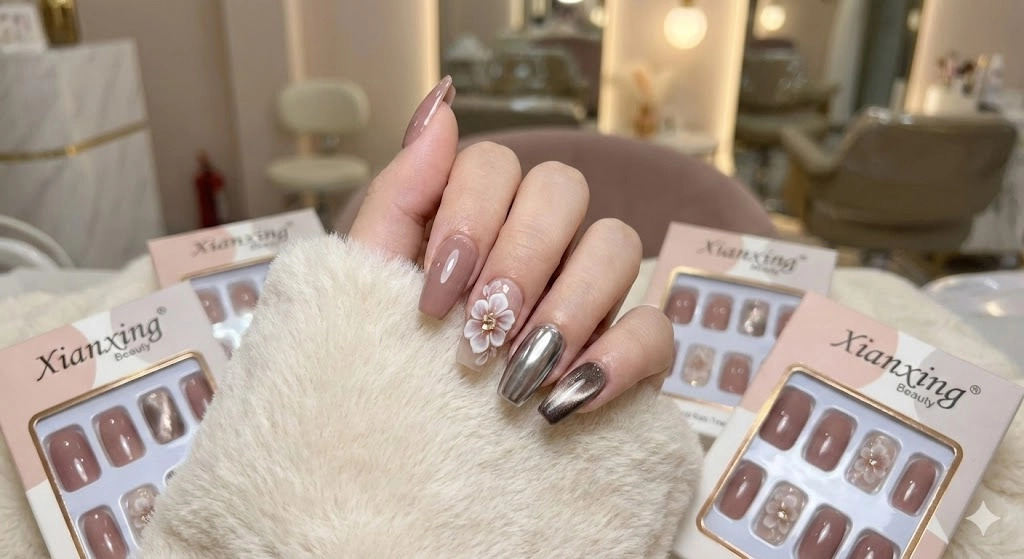
What to Expect from Custom Services Offered by Press On Nails Manufacturers
Customization
Do you provide customized press on nails packaging service?
Yes, we have abundant color box templates for customers to choose from, and we can also customize according to customers' requirements.
Salon Client
Do you support global shipping?
Yes, we offer global logistics services, ensuring that products are delivered safely and on time.
Nail file
Can I use a nail file on artificial nails?
Yes, nail files can be used on artificial nails (acrylic, gel, etc.), but be sure to use a file with a suitable grit. For acrylic nails, a coarser grit file works best, while for gel nails, a finer grit will help avoid damage.
75% Alcohol Pad
Can I reuse an alcohol pad for multiple nails?
Alcohol pads are typically single-use, so it's best to use one pad for all your nails. Reusing them can reduce their effectiveness in cleaning.
About Cooperation Process
How long does the collaboration process take?
The timeline depends on your specific needs for the manicure set and order size. Typically, it takes a few weeks to several months from demand confirmation to product delivery.
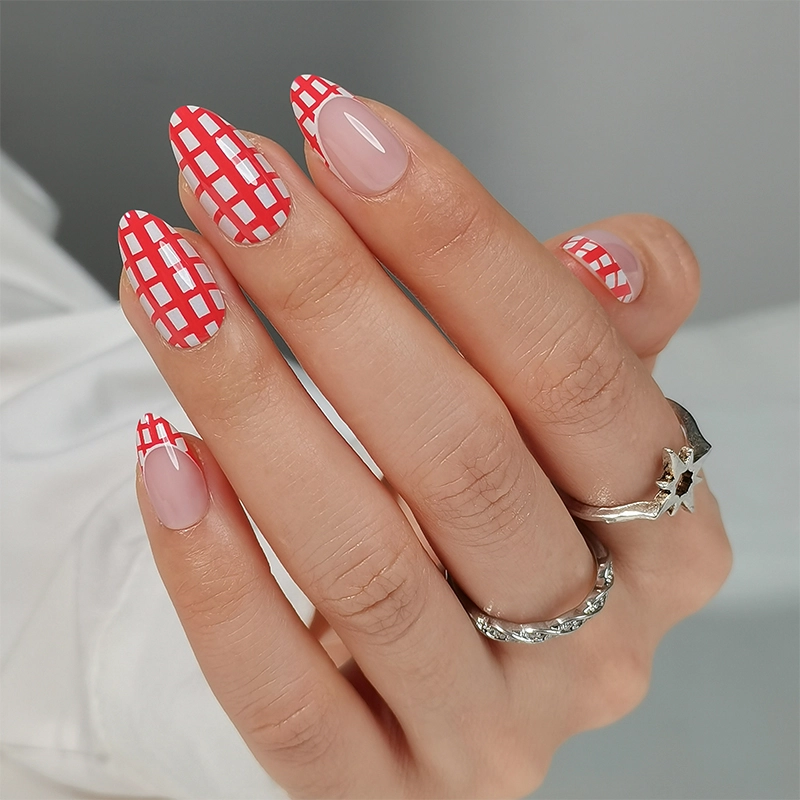
Wholesales Red French Nails Tips Checkered Soft Gel Nail Tips 32 Piece Set
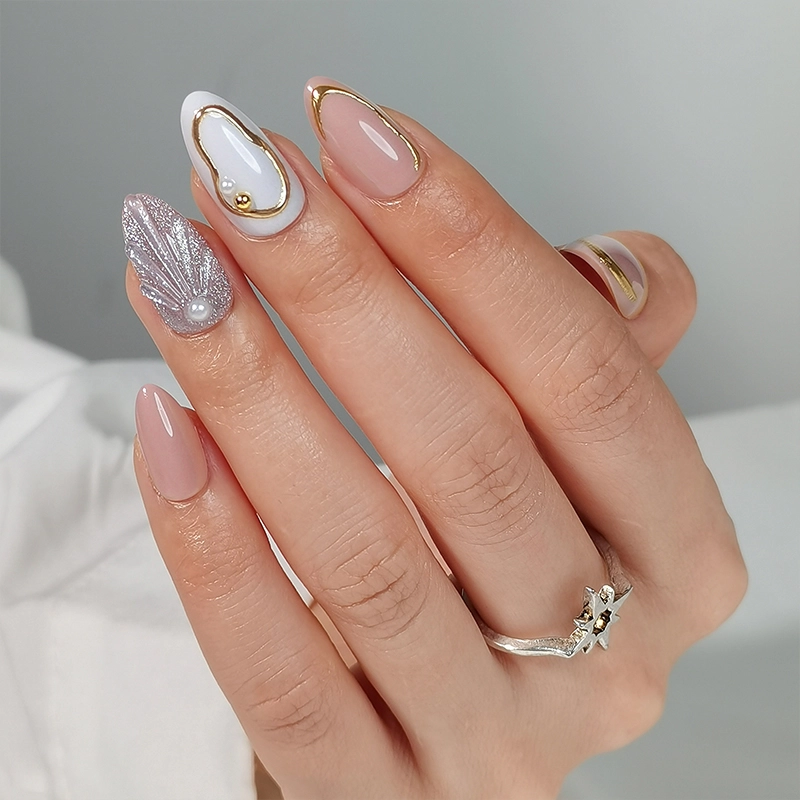
Wholesales Elegant Shell Inspired Soft Gel Wearable Nails for Seasonal Celebrations
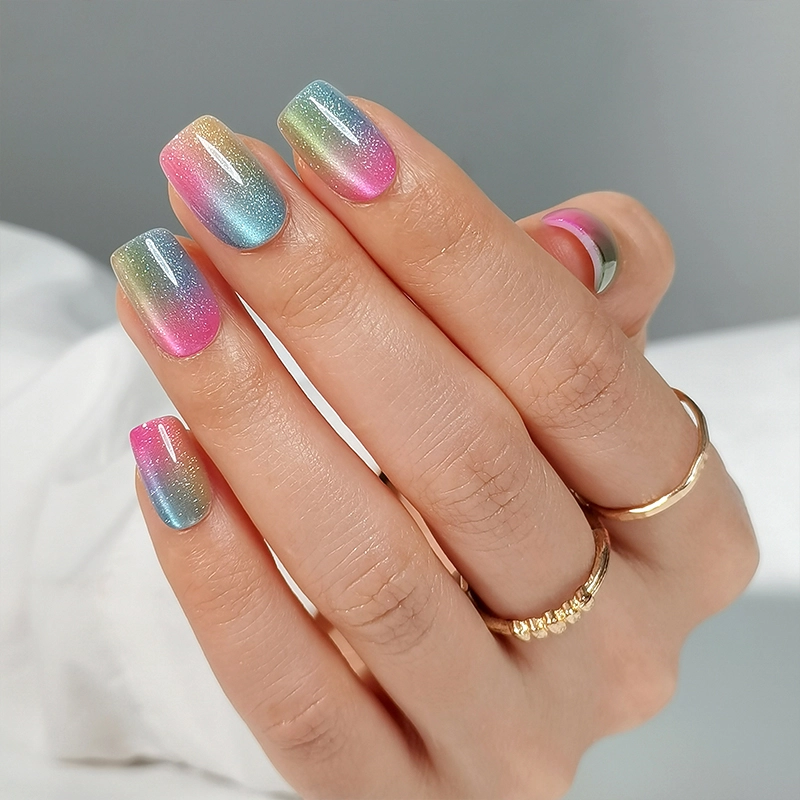
Custom Wholesale Gradient Cat Eye Soft Gel Wearable Fake Nails
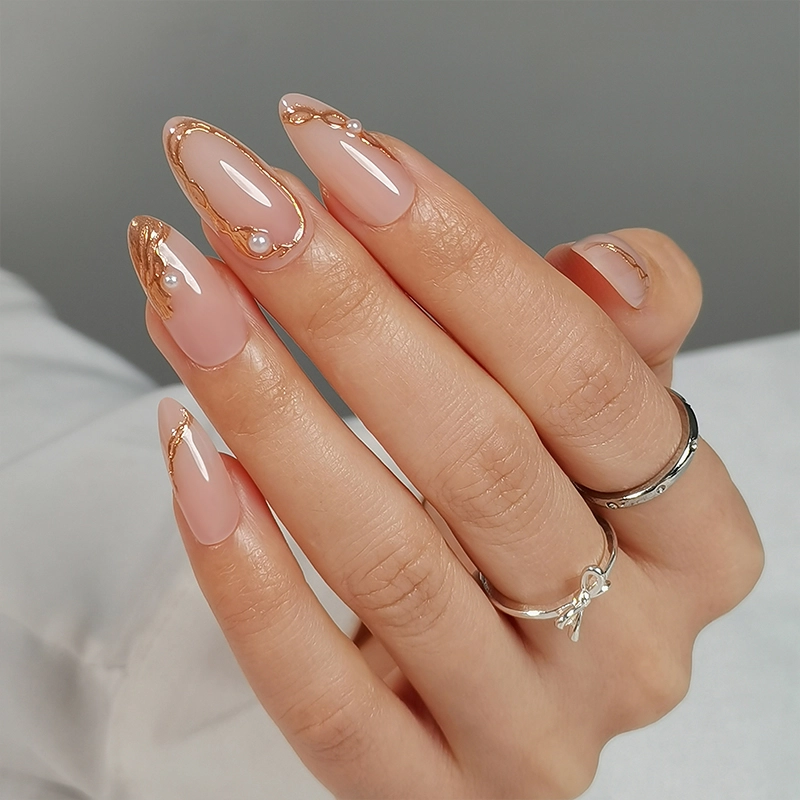
Wholesales Luxury Rhinestone Handmade Private Label Press On Nails Art Tips
Contact us
If you have press on nails products or customization needs, please feel free to contact from
below or via the contact information provided, we'll get back to you promptly within 24 hours.
By clicking 'Send Inquiry Now' I agree to XIANXING BEAUTY processing my personal data.
To see how to withdraw your consent, how to control your personal data and how we process it, please see our Privacy Policy and Terms of use.
Copyright © 2025 - XIANXING BEAUTY All Rights Reserved. Sitemap
Facebook
YouTube
Instagram
LinkedIn