
How to Scale Orders from Prototype to Large Volume?
- 1. What is a realistic MOQ and cost breakdown when moving from a prototype to 1,000+ custom press on toe nail sets?
- 2. How do I ensure consistent toe-nail sizing and fit across thousands of sets for diverse foot anatomies?
- 3. Which adhesives, coatings, and sterilization statements are compliant and safe for wholesale custom press on toe nails in the US and EU?
- 4. How should custom packaging be designed to protect toe nail sets in international sea freight while staying cost-effective for retail?
- 5. What QC tests must I run on prototypes to prevent large-volume recalls (adhesion failure, color fade, flex durability)?
- 6. How can I scale production from prototype art approval to multi‑SKU mass production while keeping lead time under eight weeks?
1. What is a realistic MOQ and cost breakdown when moving from a prototype to 1,000+ custom press on toe nail sets?
A frequent blind spot: suppliers quote a low-sample prototype price that doesn't reflect fixed tooling, artwork setup, and packaging costs that dominate when you scale.
- Typical cost drivers: artwork & color separations, custom molds or press dies, setup labor, finishing (UV gel/topcoat), adhesives or tabs, labeling/packaging, and inspections. For small-run custom toe nail art, many factories accept low MOQs (100–500 sets) but for fully custom molded tip shapes and exclusive tooling, common MOQs often rise to 500–2,000 sets.
- How to model costs: split into one-time (tooling, artwork, master sample) and recurring (per-set production, packaging, adhesive inserts, shipping). Ask suppliers to itemize: sample/tooling fee, per-set unit cost at 100/500/1,000/5,000 tiers, and packaging unit cost. This reveals break-even volume where the tooling amortizes.
- Pricing sensitivity: complex 3D sculpted toe shapes, hand-painted chrome/gel finishes, or embedded decorations increase labor and per-unit costs. Simplified digital-print designs and standard tip shapes reduce per-unit price.
- Practical step: negotiate a staggered MOQ—pay higher per-unit for an initial run of 500 with the option to scale to 2,000 at a lower pre-agreed unit price. Request a clear amortization schedule for tooling so you know when per-unit costs will drop.
(Embed: bulk press on toenails, low MOQ press on nails, OEM press on toes)
2. How do I ensure consistent toe-nail sizing and fit across thousands of sets for diverse foot anatomies?
Fit failures are a top cause of returns. Toe anatomy varies more than fingernails, so rely on process, not assumptions.
- Build an inclusive size matrix: rather than 6 sizes, create a 10–12 size matrix focused on the 3 most-used toe shapes (narrow, average, wide). Use absolute measurements (mm) for width and length for each size rather than vague labels (S/M/L).
- Prototype & validation: produce a pre-production fit run of 50–200 sets across all sizes and test with a geographically diverse group of wear testers (different ages, ethnic foot shapes). Record fit rejection rates by size.
- Manufacturing controls: use digital templates and CNC or laser-guided dies for consistent cutting. Require suppliers to maintain dielines and CAD files tied to each SKU.
- QC checks: integrate a dimensional check for every production lot (sample n per lot) with pass/fail tolerances (e.g., width ±1 mm). For critical clients, request a photo-size report and a physical sample of each SKU before shipment.
(Embed: nail tip sizing, press-on toenail manufacturer)
3. Which adhesives, coatings, and sterilization statements are compliant and safe for wholesale custom press on toe nails in the US and EU?
Regulatory clarity reduces liability and improves market acceptance.
- Adhesives: most press-on nails use consumer-grade cyanoacrylate glues or pressure-sensitive adhesive tabs. For bulk retail, many brands include single-use adhesive tabs as a lower-risk option. If supplying glue, obtain MSDS (SDS) and ensure label warnings comply with regional rules (EU CLP labelling, US hazard communication).
- Coatings: UV-cured gel topcoats and lacquer finishes are common. For claim compliance, follow EU Cosmetic Regulation (EC) No 1223/2009 and U.S. FDA guidance that treats nails and nail polish as cosmetics. Avoid making medical claims (e.g., “antifungal” or “sterilizing”) unless substantiated with valid lab tests.
- Lab testing & documentation: request and provide Certificates of Analysis (CoA), Material Safety Data Sheets (MSDS/SDS), and relevant lab test reports such as heavy metals screening, REACH compliance for EU sales, and California Prop 65 risk assessments where applicable. Keep certificates for each pigment, gel, and adhesive batch.
- Sterilization and hygiene: nails are a cosmetic accessory—not medical devices. Factories typically clean and package in controlled environments; if you want additional sanitary assurance, request microbial testing (e.g., total aerobic count) on finished packaged sets.
(Embed: UV gel finish, eco-friendly materials, MSDS)
4. How should custom packaging be designed to protect toe nail sets in international sea freight while staying cost-effective for retail?
Damaged or deformed sets in transit lead to returns and brand damage. Packaging must balance protection, branding, and freight optimization.
- Protective design: use a molded tray (PLA or PET) or foam insert to keep individual toenails flat and separated, or vacuum-sealed individual pouches for delicate gel finishes. Add a thin desiccant if humidity is a risk.
- Cartonization and freight: maximize carton density without crushing. Use double-walled outer cartons for pallet shipments and specify carton load limits to freight forwarders. Ask suppliers for standard carton dimensions and palletization patterns so you can calculate freight costs precisely.
- Retail-ready vs bulk: plan two packaging lanes—bulk B2B cartons for salons/wholesale buyers and retail-ready blister/box for DTC. Retail boxes should include SKU barcode (GS1 UPC/EAN), manufacturer info, ingredient list, and country-of-origin.
- Cost control: use standardized carton sizes, combine SKUs into mixed-case cartons to reduce per-unit shipping costs, and negotiate packaging plates/artwork as part of the tooling amortization.
(Embed: packaging customization, barcode GS1, bulk press on toenails)
5. What QC tests must I run on prototypes to prevent large-volume recalls (adhesion failure, color fade, flex durability)?
A lack of rigorous pre-production testing is how many scaling projects fail.
- Essential functional tests:
- Adhesion test: simulate typical application/removal cycles and exposure to water/sweat. Document percent retention after simulated 7–14 day wear.
- Flex and bend testing: repeated flex cycles on curved nail shapes to detect cracking or delamination.
- Colorfastness/UV resistance: accelerated UV exposure to evaluate fading or discoloration of prints, pigments, and glitter.
- Chemical resistance: household cleaners and saline exposure if marketing for pedicure use.
- Acceptance sampling: adopt AQL sampling plans (ANSI/ASQ Z1.4 or ISO 2859-1) for lot acceptance. Common practice uses general inspection level II with an AQL appropriate to Xianxing Beauty risk tolerance (e.g., 1.5–2.5 for critical defects).
- Third-party lab certification: for hazardous substance screening (heavy metals, phthalates) and cosmetic compliance tests, use accredited labs and retain CoAs per SKU and batch.
(Embed: quality control, AQL sampling, colorfastness)
6. How can I scale production from prototype art approval to multi‑SKU mass production while keeping lead time under eight weeks?
An 8‑week timeline is achievable with tight parallel processes and supplier coordination.
- Pre-production discipline: lock artwork, color codes (Pantone or supplier-approved swatches), size matrix, and packaging specs before ordering raw materials. Late changes are the main cause of delays.
- Parallelize: run tooling and packaging plate production in parallel with raw-material procurement (bases, gels, adhesives). Confirm long-lead items (special pigments, bespoke molds) and order them as soon as art is approved.
- Leverage existing assets: where possible use supplier’s existing nail tip molds or stock sizes to avoid custom tooling lead times. For new molds, expect tooling to add 2–4 weeks depending on complexity; negotiate expedited tooling if required.
- Capacity & contingency: secure production slots on multiple lines or factories within the same group to spread risk. Agree on buffer inventory and staggered shipments (first wave 30–40%, remainder 60–70%) so you can begin selling sooner.
- Communication & KPIs: set milestones (art lock, sample approval, material arrival, start of production, final inspection) with committed dates. Use weekly production reports and require photos or short videos at key checkpoints.
(Embed: lead times, staggered delivery, mass production tips)
Concluding summary: Choosing wholesale custom press on toe nails with a structured approach—clear cost split (tooling vs unit), validated size matrices, compliant adhesives and labeling, protective retail-ready packaging, rigorous QC (AQL & lab tests), and parallelized production planning—significantly reduces risk and shortens time-to-market. Suppliers that provide itemized quotes, transparent compliance documentation (SDS/CoA), pre-production fit runs, and flexible MOQs give the best return on investment.
Advantages of choosing XianxingBeauty's wholesale custom press on toe nails: experienced OEM/ODM production infrastructure, flexible MOQs for sampling, established quality-control checkpoints, support for packaging customization and GS1 labeling, and documentation for regulatory compliance to help you scale confidently.
Contact us for a quote: visit www.xianxingbeauty.com or email [email protected].
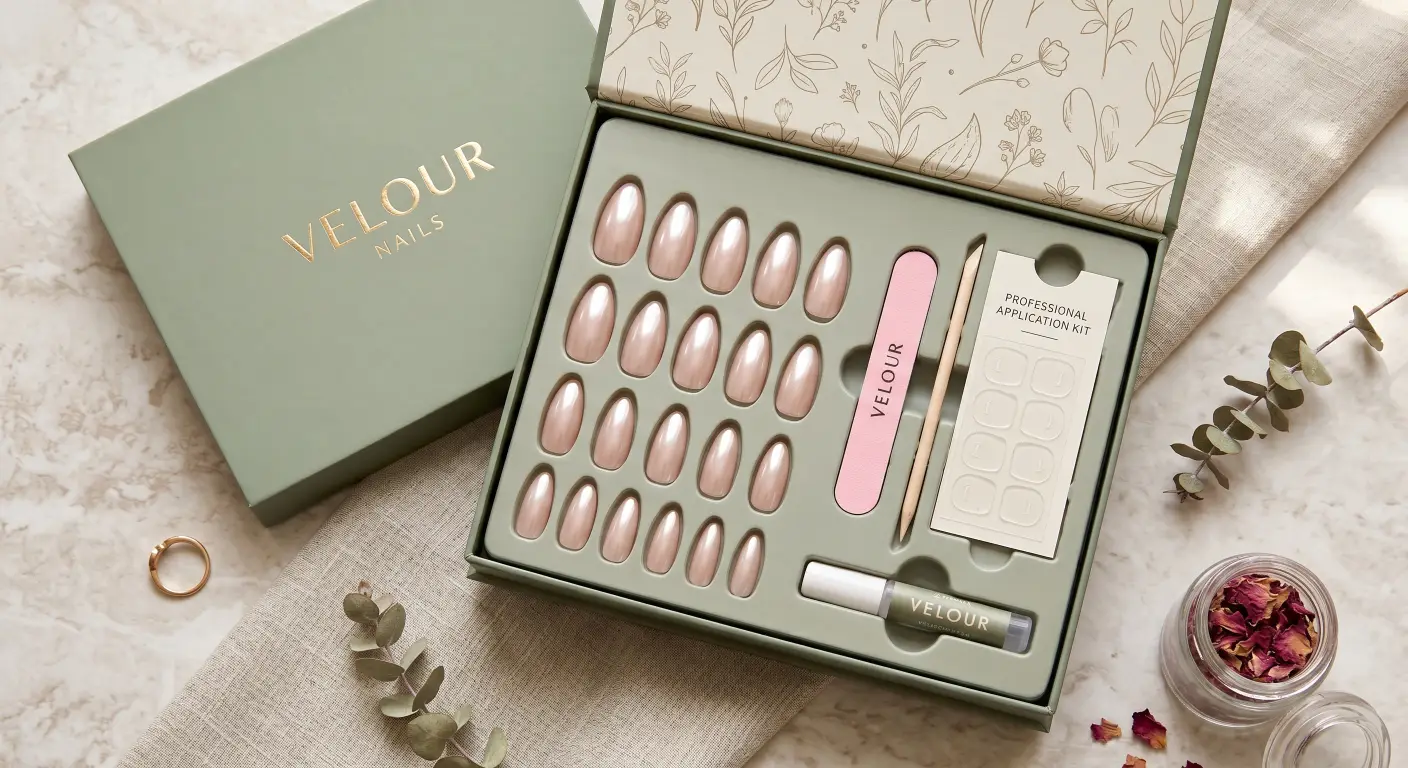
How a Reliable Wholesale Press On Nails Manufacturer Can Scale Your Beauty Brand
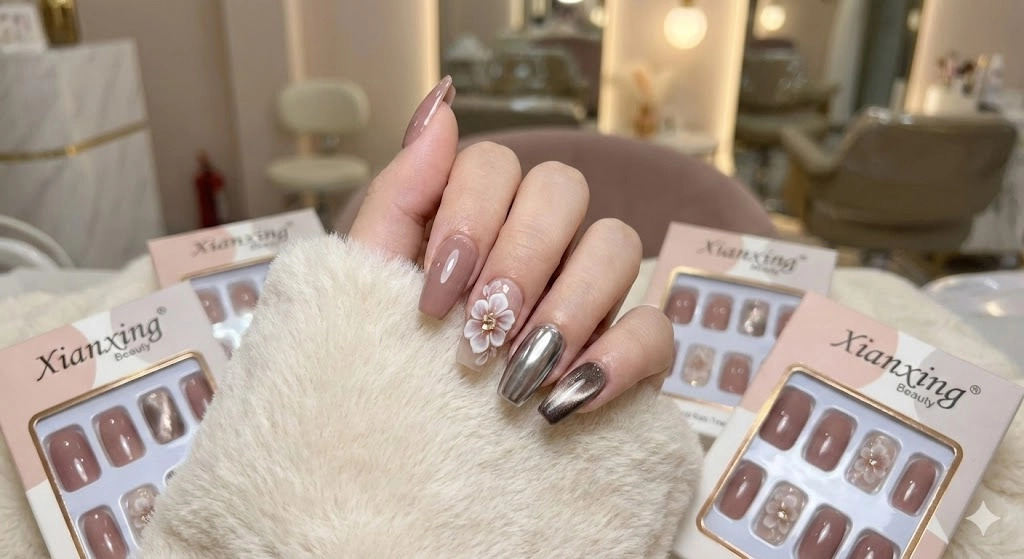
7 Red Flags to Avoid When Selecting a Wholesale Press On Nails Manufacturer
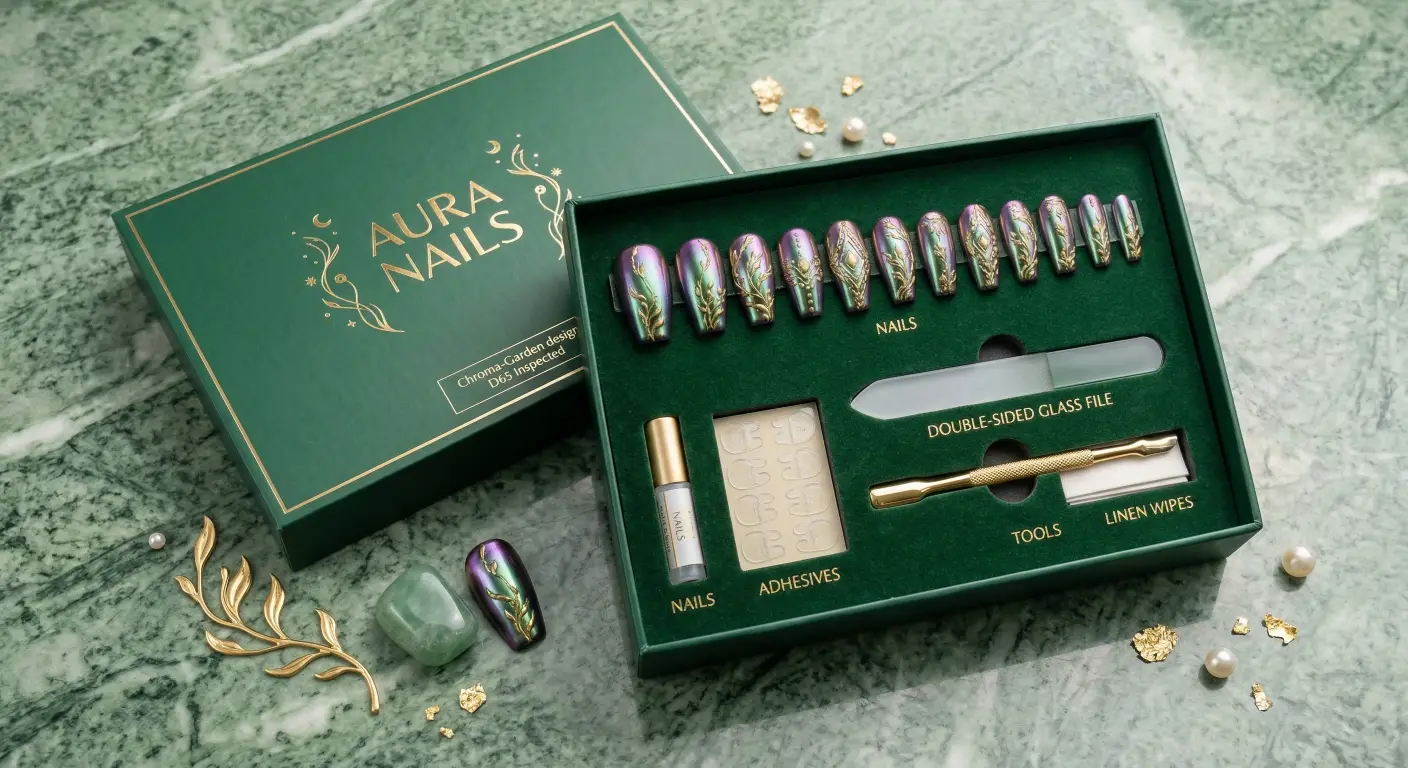
Quality Control: What to Expect from a Top-Tier Wholesale Press On Nails Manufacturer
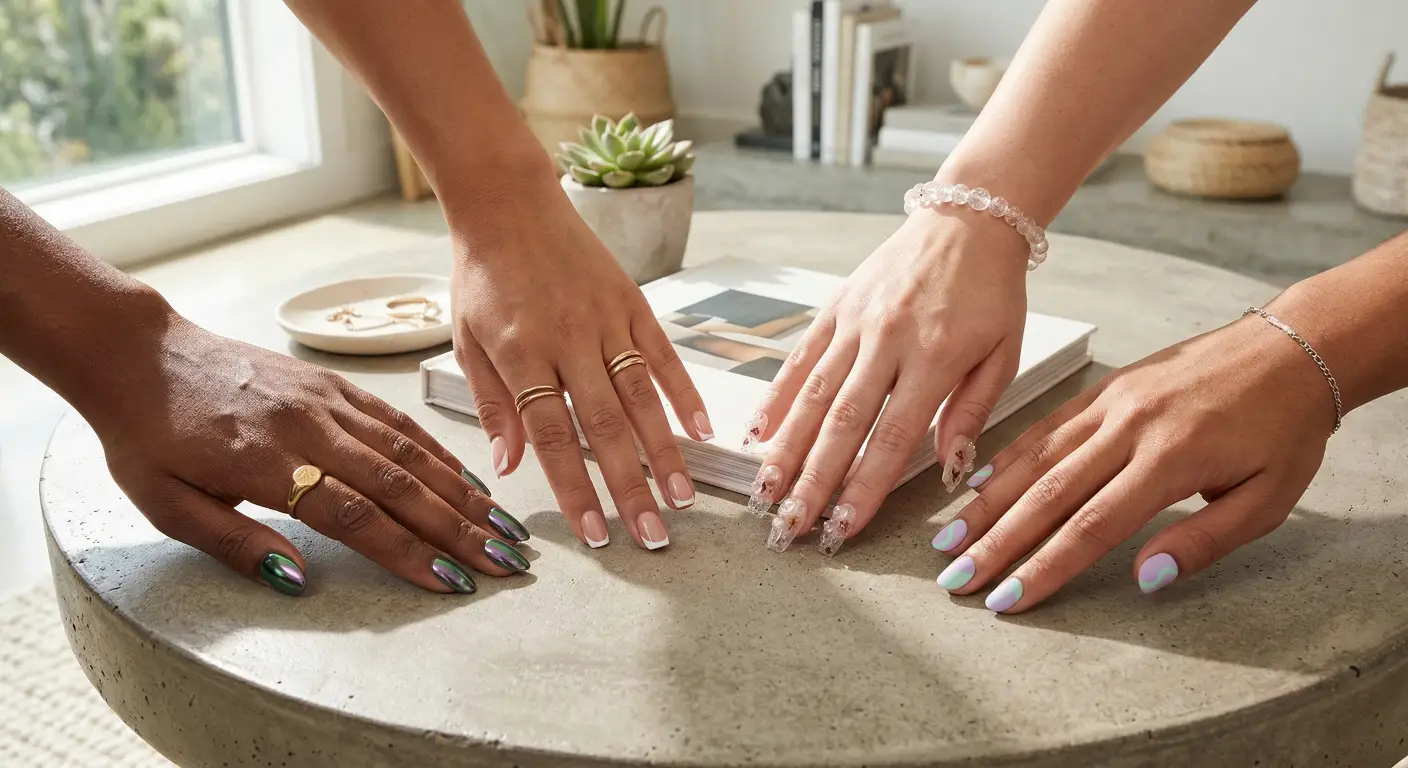
The Ultimate Guide to Choosing the Best Wholesale Press On Nails Manufacturer in 2026
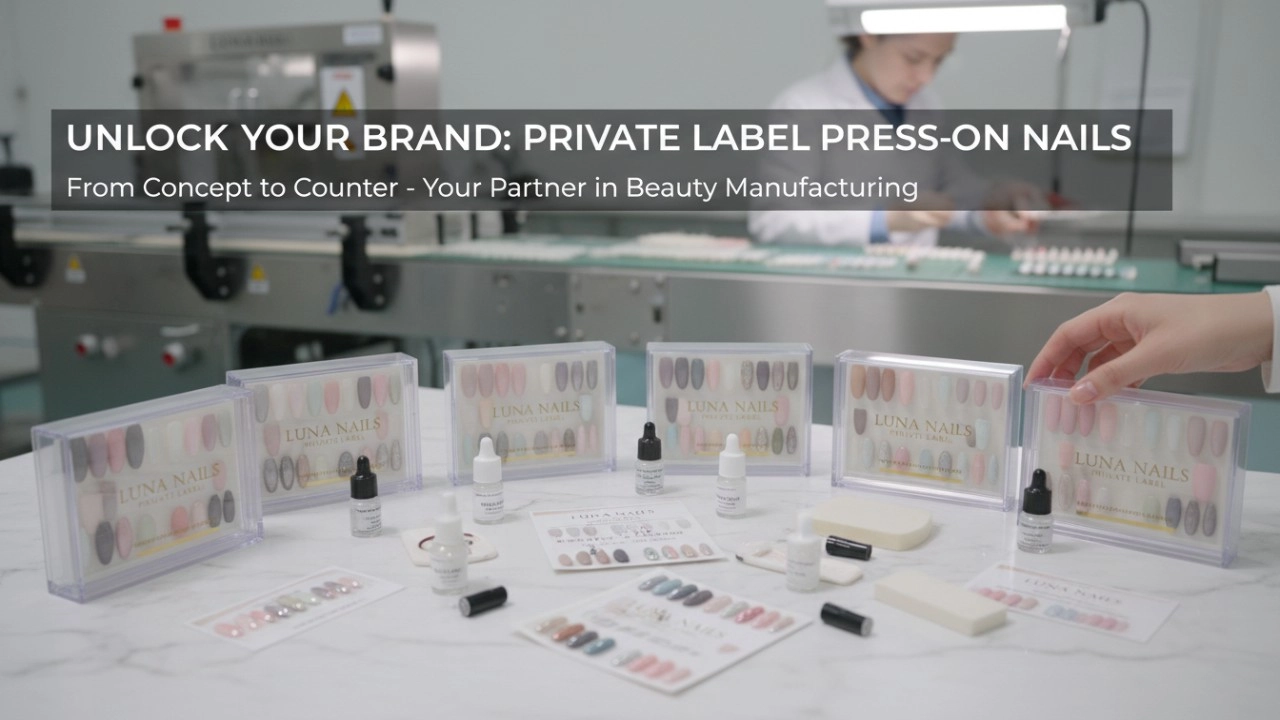
How to Scale Your Beauty Brand: Why Private Label Press On Nails Are the Highest-Margin Entry Point in 2026
Brand Client
Are samples provided free of charge?
To ensure that the product meets your requirements, we provide a sample service. Some samples are free, while some customized samples require payment of costs. Please contact us for specific details.
If the received product has a quality problem, can it be returned or exchanged?
Yes, we provide perfect after-sales service. If there is a quality problem, you can apply for return or exchange. The specific process can be consulted with the customer service team.
About company
What are your customer groups?
We are mainly supplying to Amazon, supermarkets, celebrities and start-ups.
Wholesaler Distributor
What is the price system like?
Our price system is determined by factors such as product type, quantity, and customization degree. Generally speaking, bulk purchases will enjoy more favorable prices. The specific price can be discussed in detail when communicating the cooperation scheme.
Startup Client
Do you provide global delivery services?
Yes, we offer global logistics services to ensure products are delivered on time to destinations worldwide, helping you quickly enter the market.
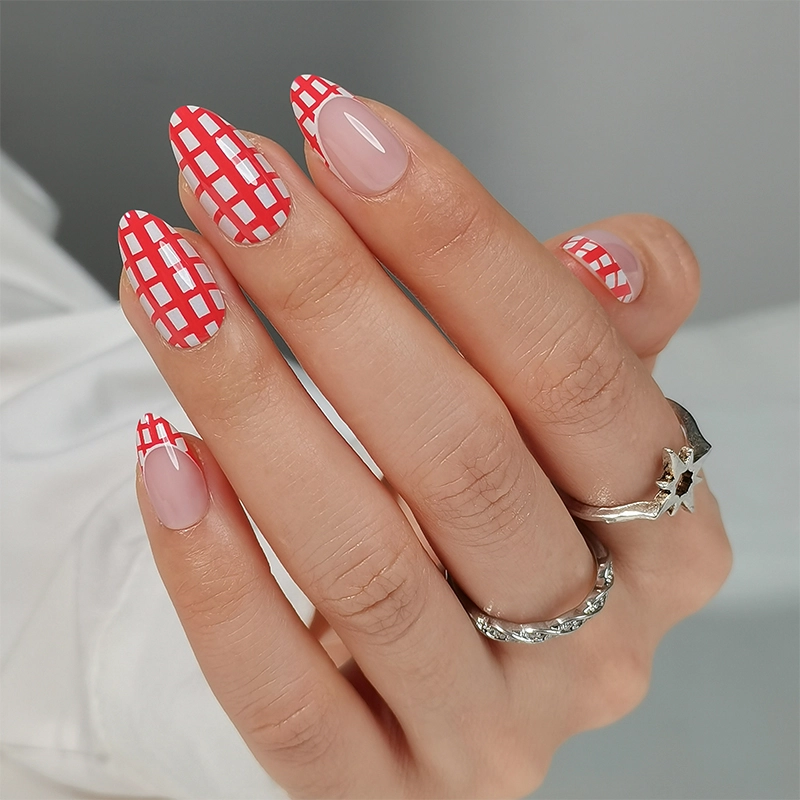
Wholesales Red French Nails Tips Checkered Soft Gel Nail Tips 32 Piece Set
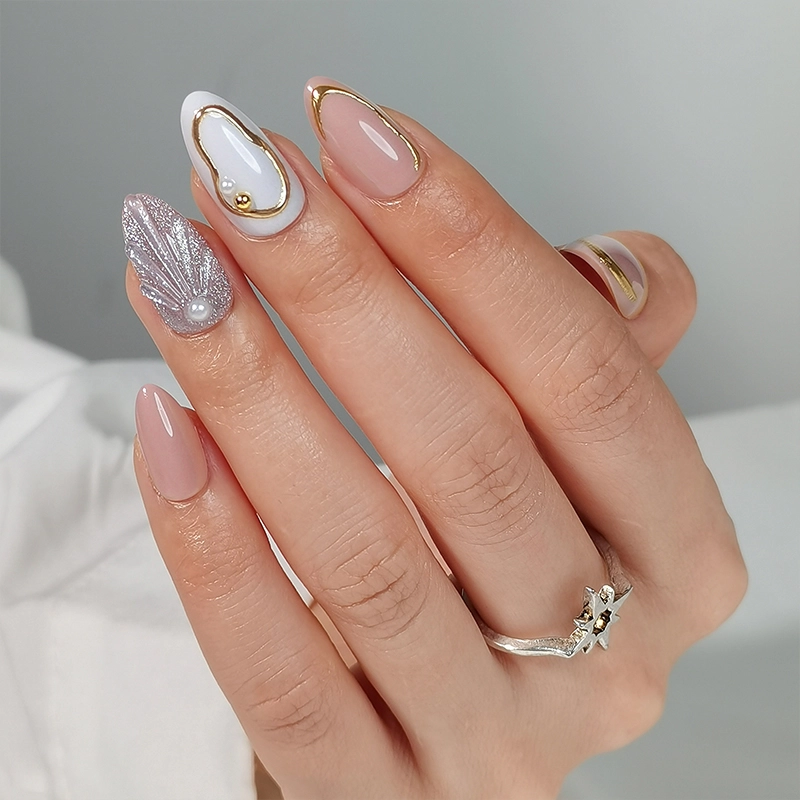
Wholesales Elegant Shell Inspired Soft Gel Wearable Nails for Seasonal Celebrations
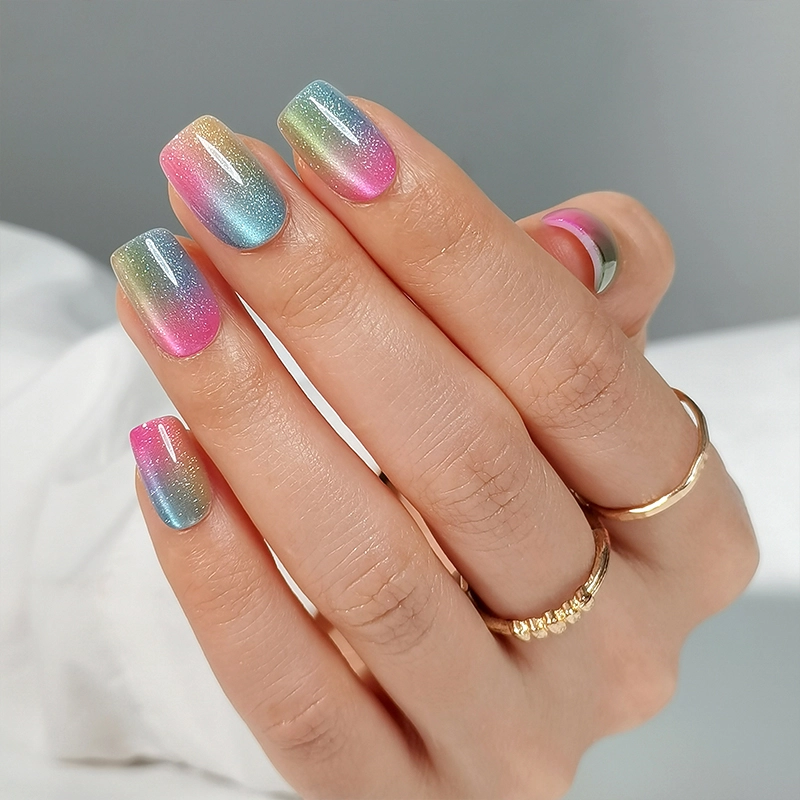
Custom Wholesale Gradient Cat Eye Soft Gel Wearable Fake Nails
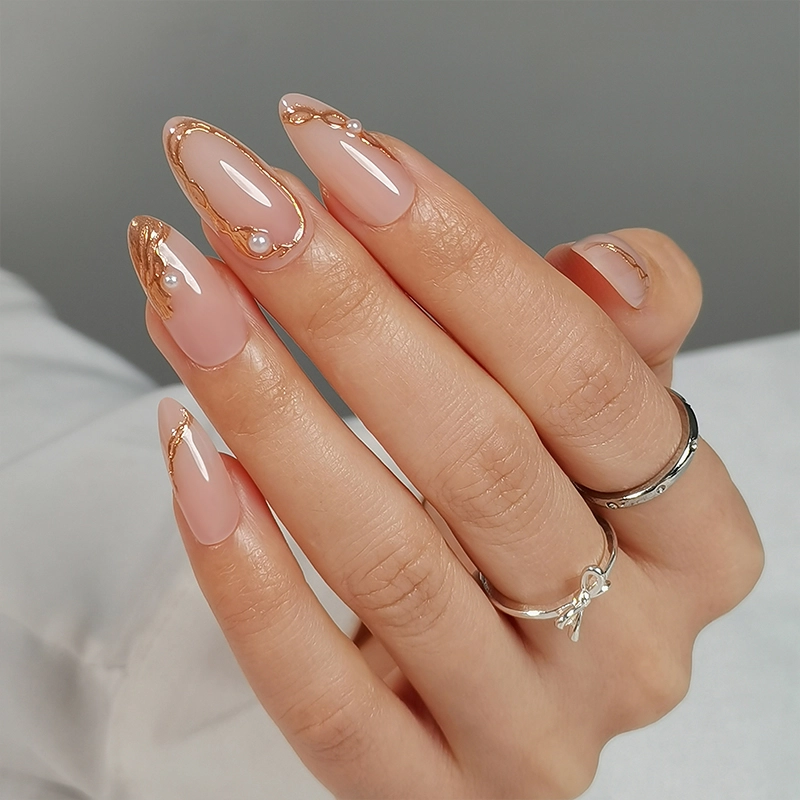
Wholesales Luxury Rhinestone Handmade Private Label Press On Nails Art Tips
Contact us
If you have press on nails products or customization needs, please feel free to contact from
below or via the contact information provided, we'll get back to you promptly within 24 hours.
By clicking 'Send Inquiry Now' I agree to XIANXING BEAUTY processing my personal data.
To see how to withdraw your consent, how to control your personal data and how we process it, please see our Privacy Policy and Terms of use.
Copyright © 2025 - XIANXING BEAUTY All Rights Reserved. Sitemap
Facebook
YouTube
Instagram
LinkedIn