
How to Verify Factory Capabilities for Custom Nails?
- 1. What factory certifications and lab reports should I require to import wholesale custom press on toe nails to the EU and US?
- 2. How can I verify a press-on nail manufacturer's mold precision and size mapping to avoid high return rates for custom toenail sets?
- 3. What sample testing protocol should I demand (tests, quantities, pass criteria) before approving bulk production of custom toe nails?
- 4. How to audit a press-on nail factory remotely when I can't visit due to travel restrictions?
- 5. Which packaging and sterilization options reduce customer complaints for wholesale custom press on toe nails sold in salons?
- 6. What realistic minimum order quantities, lead times and price brackets should I expect when ordering OEM/ODM wholesale custom press on toe nails?
- Concluding summary: Advantages of verifying factory capabilities for wholesale custom press on toe nails
How to Verify Factory Capabilities for Custom Nails? A Buyer’s Guide to Wholesale Custom Press On Toe Nails
When sourcing wholesale custom press on toe nails, buyers often meet inconsistent quality, regulatory surprises, or size-fit returns. Below are six specific, pain-point-oriented questions beginners ask but rarely find current, actionable answers for — with in-depth, verifiable steps to validate a press-on nail manufacturer's capabilities, reduce risk, and scale reliably.
1. What factory certifications and lab reports should I require to import wholesale custom press on toe nails to the EU and US?
Why it matters: Cosmetic and consumer-safety rules differ between jurisdictions. Importers face product holds, recalls, or fines if chemical or manufacturing compliance is missing.
Actionable checklist:
- Quality management: Request ISO 9001 certificate to show consistent manufacturing systems. This reduces variability when scaling custom toenail sets.
- Cosmetic GMP: Ask for ISO 22716 or documented Good Manufacturing Practices (GMP) for cosmetics because press-on nails (especially those with coatings, gels or adhesives) are treated as cosmetic-adjacent in many jurisdictions.
- Chemical safety: For EU imports, require REACH-compliance documentation and a Cosmetic Product Safety Report (CPSR) when the product has a cosmetic-sold coating or gel. For the US, ensure the factory provides Safety Data Sheets (SDS/MSDS) for adhesives and UV gels and confirms no banned substances (e.g., DBP, toluene, formaldehyde in coatings) per FDA guidance.
- Third-party testing: Require current lab reports from recognized labs (SGS, Intertek, Bureau Veritas) showing tests for heavy metals, phthalates, and volatile organic compounds (VOCs) where applicable. Ask that reports reference tested sample IDs and batch numbers.
- Material declarations: Request Material Safety Data Sheets for base materials (ABS, acrylic, UV-curable gel) and certificate of origin if required by your customs broker.
- Traceability: Ask for batch trace documents and a manufacturing flow chart showing raw-material intake, mixing, curing, inspection, packing, and lot coding practices.
How to use the docs: Verify authenticity by checking cert numbers with issuing bodies, confirm lab report dates are within the last 12 months for ongoing production, and require contract clauses that non-compliance triggers corrective action or recall cost allocation.
2. How can I verify a press-on nail manufacturer's mold precision and size mapping to avoid high return rates for custom toenail sets?
Why it matters: Toe nail fit issues cause returns and negative reviews. Factory molds, size maps and thickness tolerances directly affect fit and comfort.
Verification steps:
- Size mapping sample: Ask for a full-size-map sample (a set printed or molded with millimeter measurements for each size). Verify against your chosen sizing system (EU/US/UK numbering or custom mm widths).
- Mold tolerance: Require the factory to provide documented tolerances (e.g., ±0.3 mm) for each mold dimension. Request measurement reports from their CMM (coordinate measuring machine) or caliper-based inspection for the sample batch.
- Thickness & curvature: Request thickness measurements across the nail (cuticle edge, center, tip) and the radius of curvature. Comfortable toe nails typically have a flatter curvature than finger press-ons; confirm curvature matches typical pedicure profiles.
- Fit trials: Order a pilot run of 50–200 sets mapped to a customer-size distribution (e.g., 30% size A, 25% B, etc.). Run a small consumer-fit panel (10–30 testers) to record fit/fall-off complaints, then require corrective mold adjustments before mass production.
- Inspection plan: Require an Acceptance Quality Limit (AQL) for dimensional defects (commonly AQL 2.5 for critical defects). Include this in the purchase contract along with measurement templates used in incoming inspection.
3. What sample testing protocol should I demand (tests, quantities, pass criteria) before approving bulk production of custom toe nails?
Why it matters: Superficial visual approval misses functional problems that appear in consumer use—adhesive failure, chipping, color mismatch, or allergic reactions.
Recommended sample protocol:
- Sample types: Request three sets: prototype (hand-decorated/artwork), production sample (manufactured with intended tooling and batch materials), and stability sample (kept under accelerated aging conditions).
- Quantity: For production sign-off, request at least 20 production sample sets across the most-used sizes and 5–10 additional packaging-ready sets.
- Adhesion tests: Insist on adhesive peel and shear testing. Use a third-party lab (SGS/Intertek) to measure initial tack and 24/72-hour adhesion on a human skin surrogate. Define pass criteria in contract—e.g., 90% of nails maintain secure adhesion during a 2-hour simulated walk/run test with standard activity protocol.
- Durability tests: Ask for bend/flex tests (simulate putting on/taking off) and abrasion/chipping tests for surface coatings. For UV-gel overlays, request cure-depth verification and tack-free time documentation.
- Color & gloss: Use spectrophotometer readings or lab color-match reports to create a color tolerance (ΔE ≤1.5 is commonly used for tight color matching). Include gloss measurements if applicable.
- Allergen screening: For adhesives and topcoat formulations, request third-party test reports for common allergens and list of ingredients. Consider requesting a preservative efficacy test for aqueous coating components.
- Stability & shelf life: Require accelerated aging reports (e.g., 40°C/75% RH for 2–4 weeks) showing no warping, delamination, or adhesive failure and recommend a realistic shelf-life claim (commonly 12–36 months depending on formulation).
Contract tip: Put explicit acceptance criteria (adhesion %, ΔE color tolerance, no visual defects > AQL) into the purchase order so shipping holds and payment milestones are enforceable.
4. How to audit a press-on nail factory remotely when I can't visit due to travel restrictions?
Why it matters: Many buyers cannot travel but still must ensure malware-free QC processes, ethical labor practices, and production reliability.
Remote audit checklist:
- Live video walkthrough: Schedule a live, high-resolution video walkthrough covering raw material storage, molding/pressing area, curing stations (UV/LED ovens), decoration desks, QC benches, and packing lines. Ask to see lot tagging and sample traceability in real time.
- Document packages: Request scanned copies of certificates (ISO, ISO 22716), recent third-party lab reports, supplier lists, and inspection reports (IQC, IPQC, FQC). Require notarized translations if needed.
- Factory interview: Conduct remote interviews with quality manager, production manager, and R&D/technical lead to ask about tooling maintenance, mold life expectancy, and process control charts (SPC) for key dimensions.
- Photo & timestamp evidence: Require high-resolution photos of tooling IDs, mold numbers, and sample tags with timestamps. Ask for raw footage of sample inspection using the same lighting conditions you will use for your QC.
- Third-party remote audit: Hire a local inspection firm (SGS/Intertek/BV) to perform an in-person audit and provide a verified report. These firms will also verify worker headcount and labor conditions if required for ESG concerns.
- Sample chain of custody: For critical purchases, request the factory ship samples directly to your third-party lab from the production line with intact lot labeling to prevent substitution.
5. Which packaging and sterilization options reduce customer complaints for wholesale custom press on toe nails sold in salons?
Why it matters: Packaging affects perceived quality, shelf life, and hygiene. Salons expect items to be hygienic, easy to open, and salon-ready.
Recommended packaging & hygiene options:
- Individual blister or clamshell packs: Protects nail art from scuffing and keeps sets hygienic. Add tamper-evident seals to reassure salon buyers.
- Sterilization labeling & options: While press-on nails themselves are not typically sterilized, factories should provide hygienic handling certification and optional sterilization for accessories (e.g., toe spacers, adhesive tabs). If you need sterilization, specify methods (ETO, gamma) and confirm compatibility with materials—gamma may deform some plastics.
- Adhesive packaging: If including single-use adhesive tabs or glue, require sealed, single-dose packaging with clear expiration dates and SDS inclusion. Adhesive tube packaging should have child-resistant caps per your market rules.
- Retail-ready vs salon bulk: Offer two packing SKUs — retail blister-carded sets with UPC/barcode and salon bulk packs (tray + resealable bag) for technicians. Define pack counts (single set per blister; 10–50 sets per bulk box) and include size labeling for salon speed.
- Instruction & warning inserts: Provide multilingual instruction leaflets with fit, prep (clean and buff), removal (soak/acetone), and allergy warnings. This reduces misuse and complaints.
- Sustainable options: If you sell to eco-conscious salons, request recycled carding and recyclable plastic or compostable trays. Confirm with the factory that inks/coatings used are eco-friendly and conform to local regulations.
6. What realistic minimum order quantities, lead times and price brackets should I expect when ordering OEM/ODM wholesale custom press on toe nails?
Why it matters: Misjudging MOQ or lead time leads to inventory lockup or stockouts; unrealistic pricing expectations harm negotiations.
Market-based expectations (industry norms as of 2024):
- MOQ: For true custom molds, expect MOQs commonly between 500 and 5,000 sets per design depending on complexity and whether new tooling is required. If using existing molds or minor artwork changes, many factories accept lower MOQs (200–500 sets).
- Tooling cost: Custom mold/tooling deposits are often required — typically several hundred to a few thousand USD depending on mold complexity and decorator fixtures. Negotiate amortization of tooling cost across initial and reorder volumes.
- Lead times: Typical timeline: prototype/sample 7–14 days; mold making 7–21 days; mass production 20–45 days depending on seasonality and factory load. Add 7–21 days for international shipping (air vs sea) and customs clearance.
- Price brackets: Unit cost varies with material, finish and order size. As a rough guide (USD per set): simple ABS plain sets $0.60–$2.00 (high MOQ); decorated/gel-cured sets $1.50–$6.00; luxury hand-decorated or rhinestone-heavy sets $4.00–$12.00 per set at low to mid volume. Ask factories for FOB price, and include freight, customs, and duties in landed-cost calculations.
- Reorder economics: Negotiate price breaks at tiers (e.g., 500, 1,000, 5,000 sets) and require lead-time guarantees and penalty clauses if late delivery exceeds agreed buffer.
Negotiation tip: Combine multiple SKU orders into a single production run to hit higher tiers and reduce per-unit tooling amortization.
Concluding summary: Advantages of verifying factory capabilities for wholesale custom press on toe nails
Verifying factory capabilities—through certifications, targeted sample testing, dimensional validation, remote audits, and precise packaging specifications—delivers multiple advantages: consistent product fit, fewer returns, regulatory compliance for EU/US markets, predictable lead times, cost savings through tiered pricing, and safer products that protect Xianxing Beauty and customers. Proper verification shortens time-to-market, reduces unexpected costs, and enables confident expansion from salon bulk to retail-ready custom toenail sets.
For a tailored quote, sample program, or factory verification package for wholesale custom press on toe nails, contact us at www.xianxingbeauty.com or email [email protected].
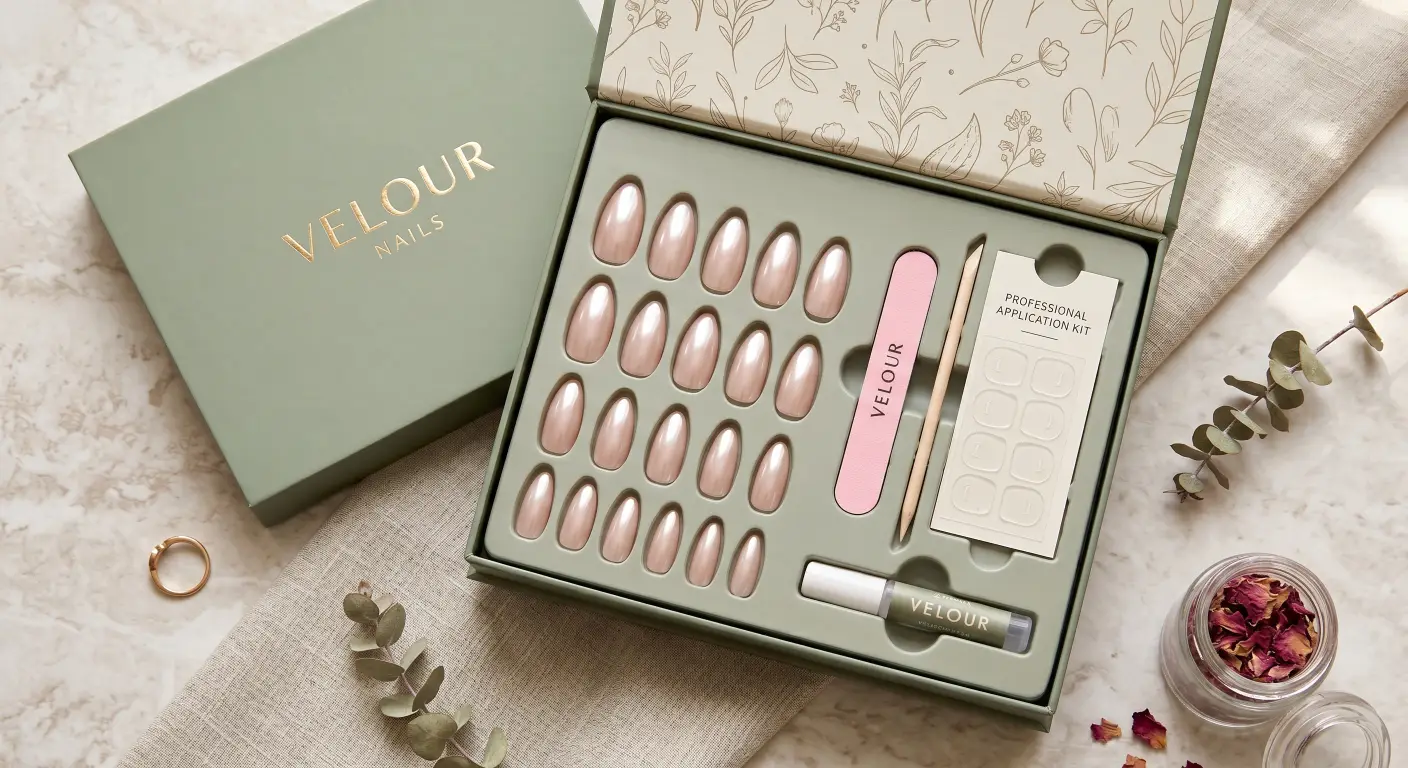
How a Reliable Wholesale Press On Nails Manufacturer Can Scale Your Beauty Brand
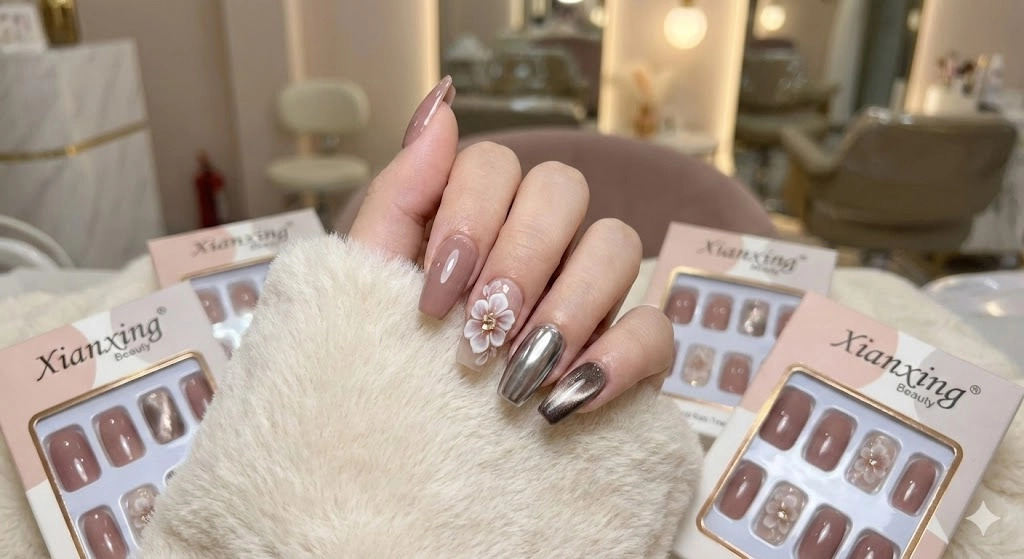
7 Red Flags to Avoid When Selecting a Wholesale Press On Nails Manufacturer
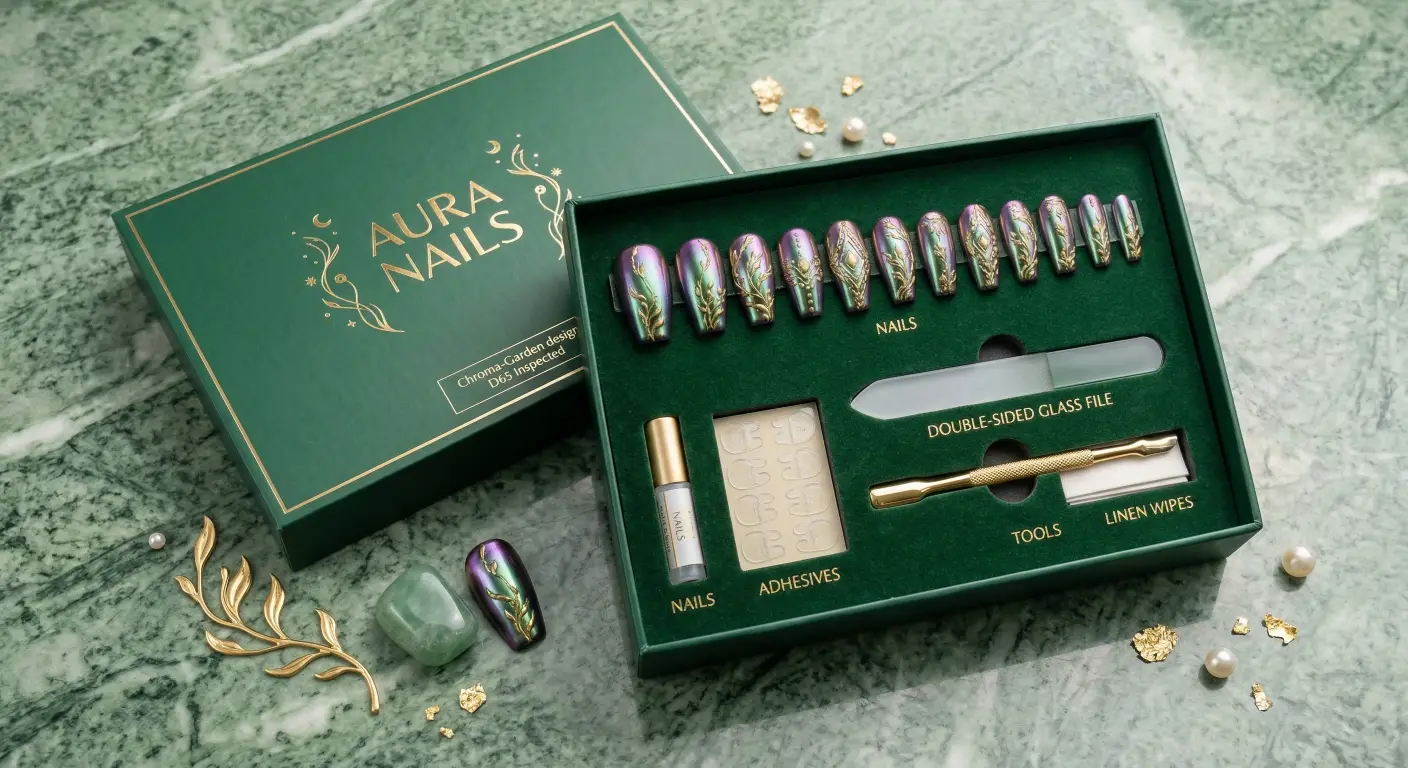
Quality Control: What to Expect from a Top-Tier Wholesale Press On Nails Manufacturer
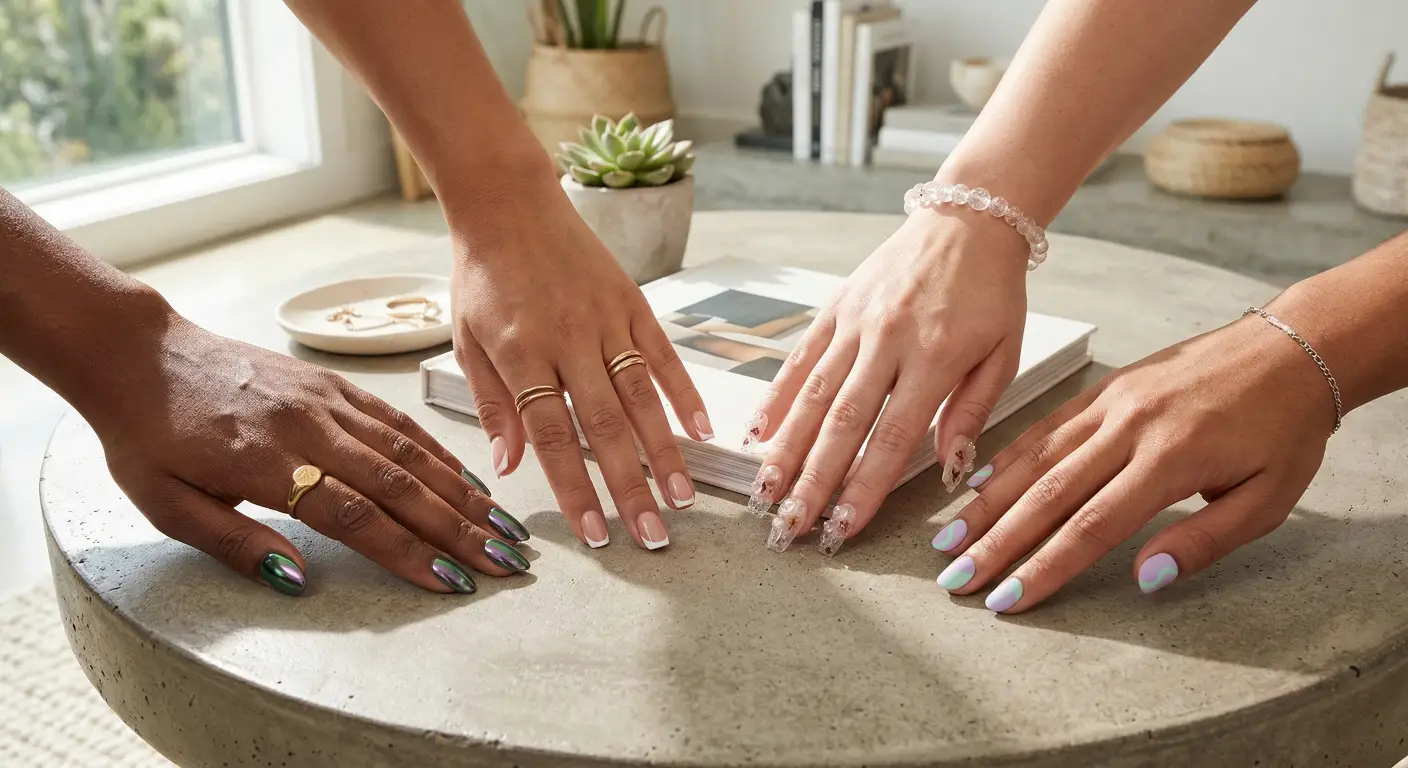
The Ultimate Guide to Choosing the Best Wholesale Press On Nails Manufacturer in 2026
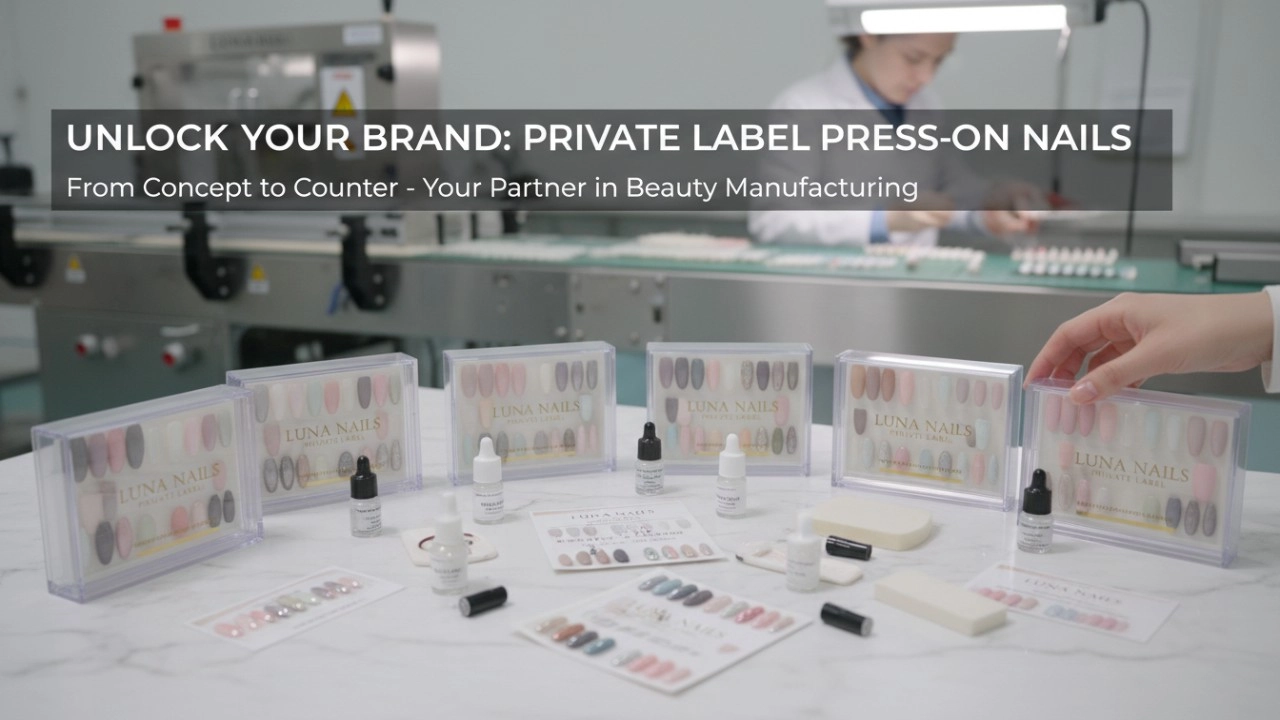
How to Scale Your Beauty Brand: Why Private Label Press On Nails Are the Highest-Margin Entry Point in 2026
About shipping logistics
Can I use my own shipping agent or company?
Absolutely! We can coordinate delivery to a specified address using your preferred shipping agent.
About solid color nails
How long can it last after wearing?
Under the correct use of the general can be lasted for 2 weeks.
About Cooperation Process
How long does the collaboration process take?
The timeline depends on your specific needs for the manicure set and order size. Typically, it takes a few weeks to several months from demand confirmation to product delivery.
Recycled ABS Nails
How to choose the appropriate size?
Usually, you need to choose the appropriate size of press-on nails according to the width and length of your own nails. Generally, the width of the nail tip should be close to the width of the nail, and the length should be slightly longer than the nail to ensure that it can completely cover the nail and be worn stably.
About chrome Nails
Do chrome press-on nails come in different shapes and sizes?
Yes, they are available in various shapes (coffin, almond, square, stiletto) and lengths (short, medium, long) to suit different preferences.
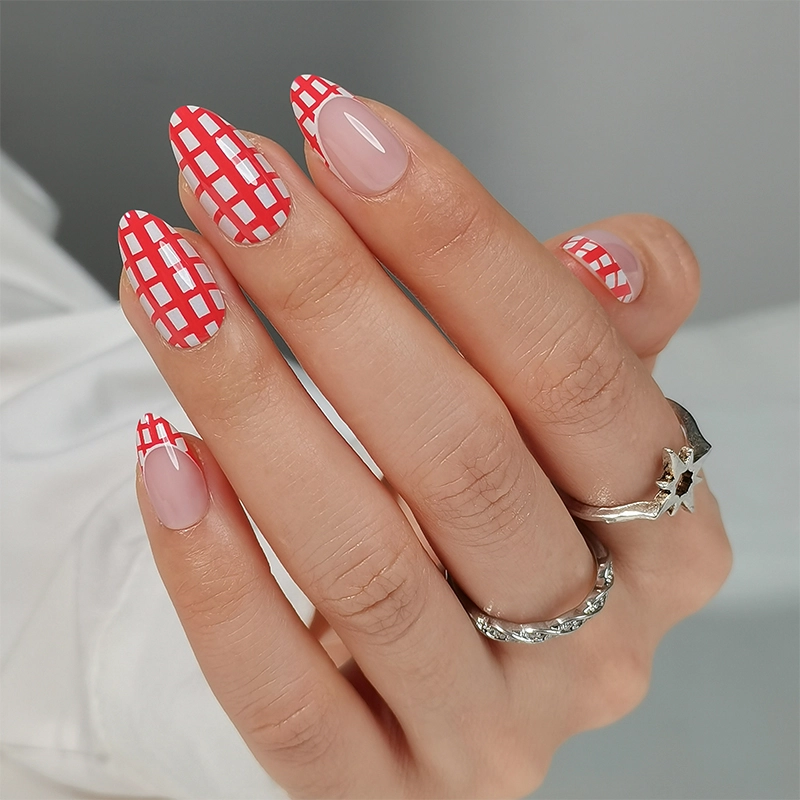
Wholesales Red French Nails Tips Checkered Soft Gel Nail Tips 32 Piece Set
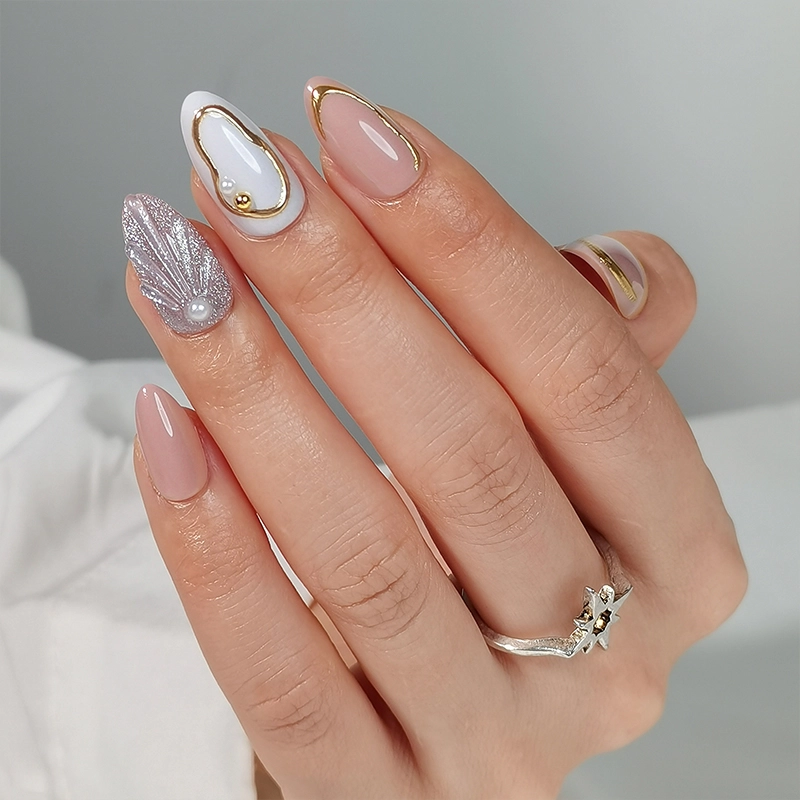
Wholesales Elegant Shell Inspired Soft Gel Wearable Nails for Seasonal Celebrations
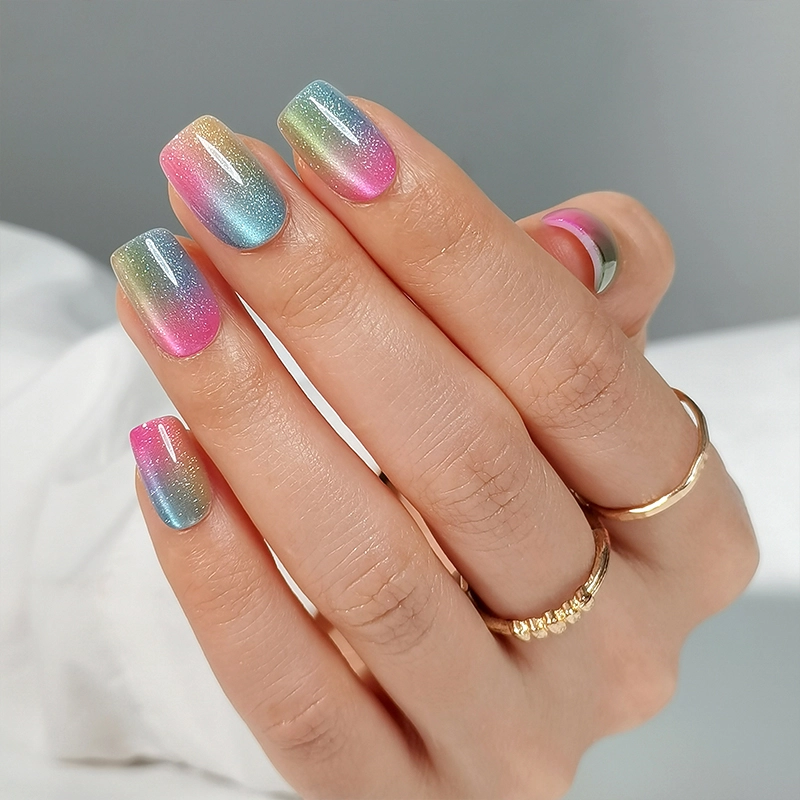
Custom Wholesale Gradient Cat Eye Soft Gel Wearable Fake Nails
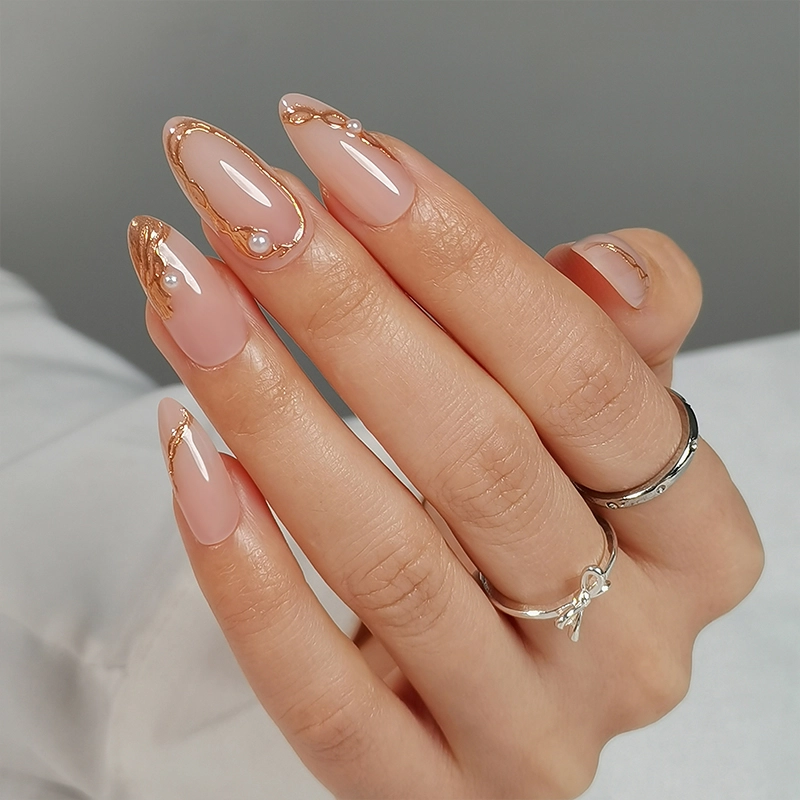
Wholesales Luxury Rhinestone Handmade Private Label Press On Nails Art Tips
Contact us
If you have press on nails products or customization needs, please feel free to contact from
below or via the contact information provided, we'll get back to you promptly within 24 hours.
By clicking 'Send Inquiry Now' I agree to XIANXING BEAUTY processing my personal data.
To see how to withdraw your consent, how to control your personal data and how we process it, please see our Privacy Policy and Terms of use.
Copyright © 2025 - XIANXING BEAUTY All Rights Reserved. Sitemap
Facebook
YouTube
Instagram
LinkedIn