is press on nails a good business | Insights by Xianxing Beauty
- Is press-on nails a good business? — Quick answer and procurement intro
- 1) Is press-on nails a viable business opportunity?
- 2) What profit margins and pricing should buyers expect?
- 3) How to choose reliable press-on nail suppliers and what procurement terms to negotiate?
- 4) Quality, safety and regulatory checks buyers must enforce
- 5) Packaging, branding, logistics and go-to-market tips
- Procurement-ready checklist (actionable steps before placing an initial order)
- Inventory and reorder planning — simple formulas
- Final recommendations
Is press-on nails a good business? — Quick answer and procurement intro
Note: I do not have live web access in this session to pull newest market numbers. The guidance below synthesizes industry-standard procurement practices, regulatory checkpoints, and commercial strategies that apply across markets. If you want the most recent market size, CAGR or supplier rankings, I can fetch them with web access on request.
1) Is press-on nails a viable business opportunity?
Why buyers and entrepreneurs ask this: they want to know demand, lifetime of the product category, and repeat purchase potential.
- Market drivers: convenience consumer trends, social-media-driven fashion, growth of e‑commerce and direct-to-consumer (DTC) beauty, and demand for non-permanent nail options.
- Business model fit: press-on nails work well for DTC brands, subscription models, salon retail, and marketplace sellers because the product is small, shippable, and easy to demo via photos/video.
- Risk factors: high competition, fast trend cycling, intellectual property risks for nail art designs, quality variability between suppliers.
- Buying advice: validate local demand with small test SKUs (3–12 designs), sell via Instagram/ TikTok + a simple webstore or marketplace placement before scaling inventory.
2) What profit margins and pricing should buyers expect?
Why buyers ask: to estimate viability and set wholesale/retail pricing.
- Cost components to calculate: unit product cost (FOB), sample cost, packaging, private-label tooling/artwork, inbound freight, duties, import VAT, warehousing, fulfillment fees (marketplace or 3PL), marketing (ads, influencers), and returns/losses.
- Typical markup structure used in beauty: keystone (100% markup) is common retail thinking, but many DTC brands target 2.5–4x markup on landed cost to cover acquisition and operations. For wholesale to salons/retailers, buyers often offer 40–60% margin to the reseller.
- Buyer checklist: compute landed unit cost (including shipping & duty), set target gross margin, and test price elasticity with A/B pricing and bundles (single sets, multi-packs, subscriptions).
3) How to choose reliable press-on nail suppliers and what procurement terms to negotiate?
Why buyers ask: supplier quality and terms determine profitability and product reliability.
- Supplier types: ODM factories producing finished designs, OEM with private-label finishing, and dropship suppliers. Choose based on control you want over design and inventory ownership.
- Key procurement terms to negotiate:
- MOQ (minimum order quantity) — start with low-MOQ options or ask for a trial run; confirm sample policy and sample lead time.
- Unit price breaks — tiered pricing by volume.
- Lead times — production lead time and shipping transit time; confirm maximum lead-time liability clauses if seasonal demand is important.
- Payment terms — common terms: 30% deposit, 70% before shipment; negotiate letters of credit or escrow for larger orders.
- Packaging & labeling — confirm file formats, dielines, print proof approvals, and color-matching process.
- Intellectual property — ensure design ownership or license terms are written, and include non-compete clauses when needed.
- Verification steps: request factory photos, video of production line, third-party audit reports, and references from other buyers. Use trusted trade platforms as a starting point and verify via sample orders.
4) Quality, safety and regulatory checks buyers must enforce
Why buyers ask: to avoid consumer harm, product recalls, and regulatory non-compliance.
- Product safety checklist:
- Materials: know whether nails are ABS, acrylic, gel (UV cured), or other plastics. Ask for material data sheets (MDS) and confirm they meet your target market requirements.
- Adhesives: many adhesives contain cyanoacrylates which can cause sensitivity; request MSDS (Material Safety Data Sheet) and clear labeling for ingredients and warnings.
- Allergy & irritation testing: require patch-test data or third-party dermal irritation test results where required by local regulation.
- Heavy metals and restricted substances: ask suppliers for certificates of analysis and confirm compliance with relevant regional rules (for example, EU Cosmetics Regulation & REACH obligations where applicable). Nail tips themselves may be considered cosmetic accessories but components and adhesives still fall under chemical regulations in many jurisdictions.
- Labeling: include ingredient/contents, usage instructions, warnings, batch number, manufacturer/importer contact, and country-specific requirements (EU/UK/US labeling standards differ).
- Testing labs and certifications: use reputable test labs like SGS, Intertek, Eurofins for chemical and stability testing, and request Certificates of Analysis (COA).
- Quality control process: incoming inspection (IQC) for dimensions, color match, glue potency, fit per size guide, and packaging integrity. Use AQL sampling standards for batch inspections.
5) Packaging, branding, logistics and go-to-market tips
Why buyers ask: packaging and logistics impact perceived value, conversion rates, and margin.
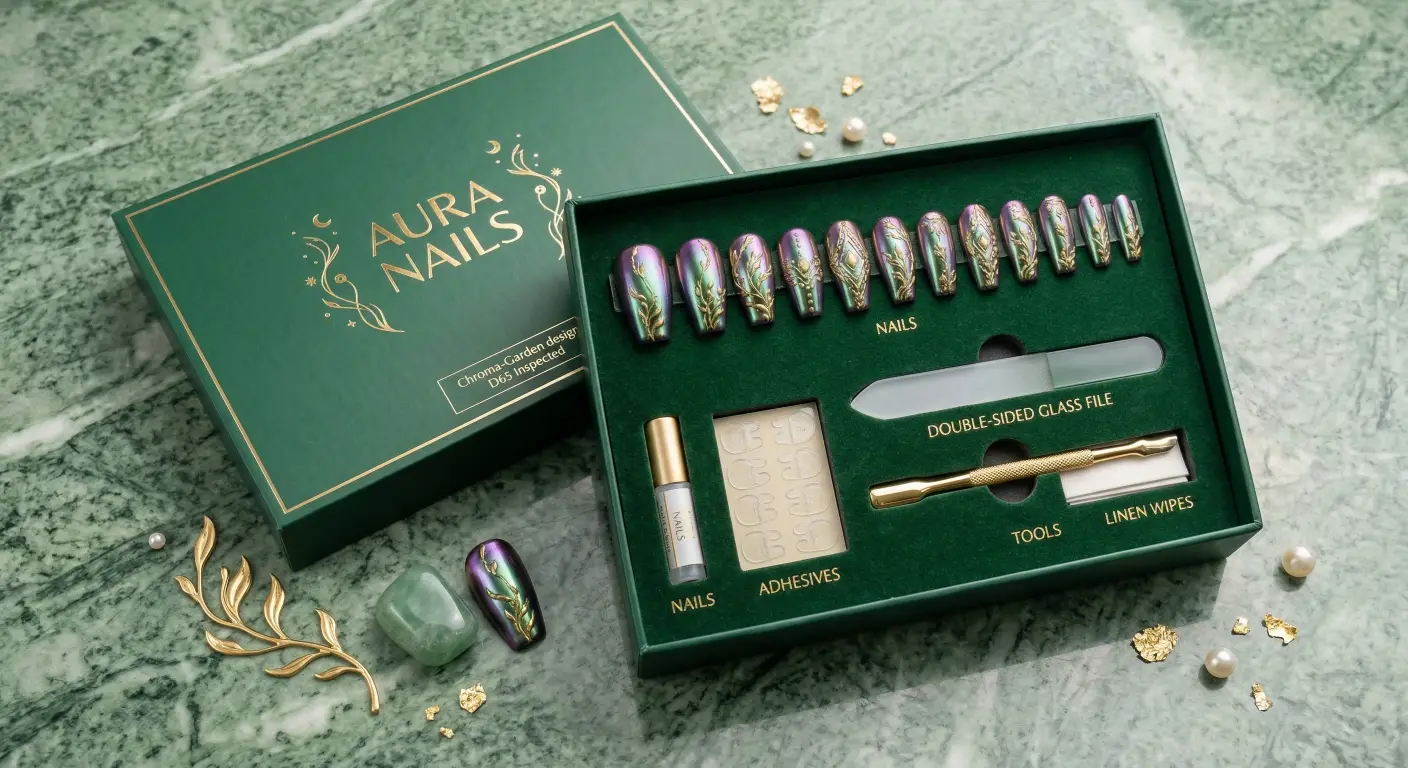
- Packaging considerations: protective inner trays, tamper-evident seals, attractive outer packaging for unboxing (important for social media), and eco options if you target conscious consumers. Confirm dielines, print proofs, and minimum order quantities for custom boxes.
- Barcodes & compliance: order UPC/EAN codes for retail listings, include legal text on labels, and ensure country-of-origin marking as required.
- Fulfillment choices: dropship (lower inventory risk), forward inventory to 3PL for faster shipping, or use marketplace FBA/fulfillment channels. Factor shipping volume, unit weight, and returns handling into your model.
- Marketing & distribution: allocate budget for influencer seeding, tutorial content (application/removal), and consider bundles (nail glue + remover + filing kit) to increase average order value.
Procurement-ready checklist (actionable steps before placing an initial order)
- Request samples from at least 3 suppliers to compare fit, material, glue strength, and packaging.
- Obtain MSDS, MDS, and third-party test reports for materials and adhesives.
- Confirm MOQ, lead times, unit pricing tiers, and payment terms in writing.
- Agree on artwork control, color matching process, print proofs, and final approval timeline.
- Define QC acceptance criteria and inspection plan (AQL levels, checklists for color, size, glue, packaging).
- Set logistics plan: shipping method, estimated landed cost, duties/taxes, and 3PL or marketplace fulfillment setup.
- Finalize labeling and legal text per target markets; retain samples of final packaged goods for future audits.
Inventory and reorder planning — simple formulas
Use these standard inventory formulas:
- Reorder Point = Average daily usage × Lead time (days) + Safety stock
- Safety stock = (Maximum daily usage × Maximum lead time) − (Average daily usage × Average lead time) — or use a simpler buffer of 10–30% depending on demand volatility.
Final recommendations
- Start small and validate designs via influencer sampling and micro-inventory tests across 3–6 SKUs.
- Prioritize suppliers that provide transparent material data (MSDS), testing certificates, and flexible sample/MOQ policies.
- Invest in high-quality imagery and how-to videos; convenience and visual appeal sell press-ons.
- Document procurement terms in a purchase agreement: price, delivery schedule, quality acceptance, remedies for non-conformance, and IP ownership.
- When ready, I can fetch up-to-date market numbers, supplier lists, and regulatory citations if you allow web search.
If you want, tell me your target market (country/region), sales channel (DTC, salon wholesale, Amazon), and desired order size. With that I can either (a) run a live search for current market data and verified suppliers, or (b) create a tailored sourcing checklist and sample email templates to send to factories.
7 Red Flags to Avoid When Selecting a Wholesale Press On Nails Manufacturer
Quality Control: What to Expect from a Top-Tier Wholesale Press On Nails Manufacturer
The Ultimate Guide to Choosing the Best Wholesale Press On Nails Manufacturer in 2026
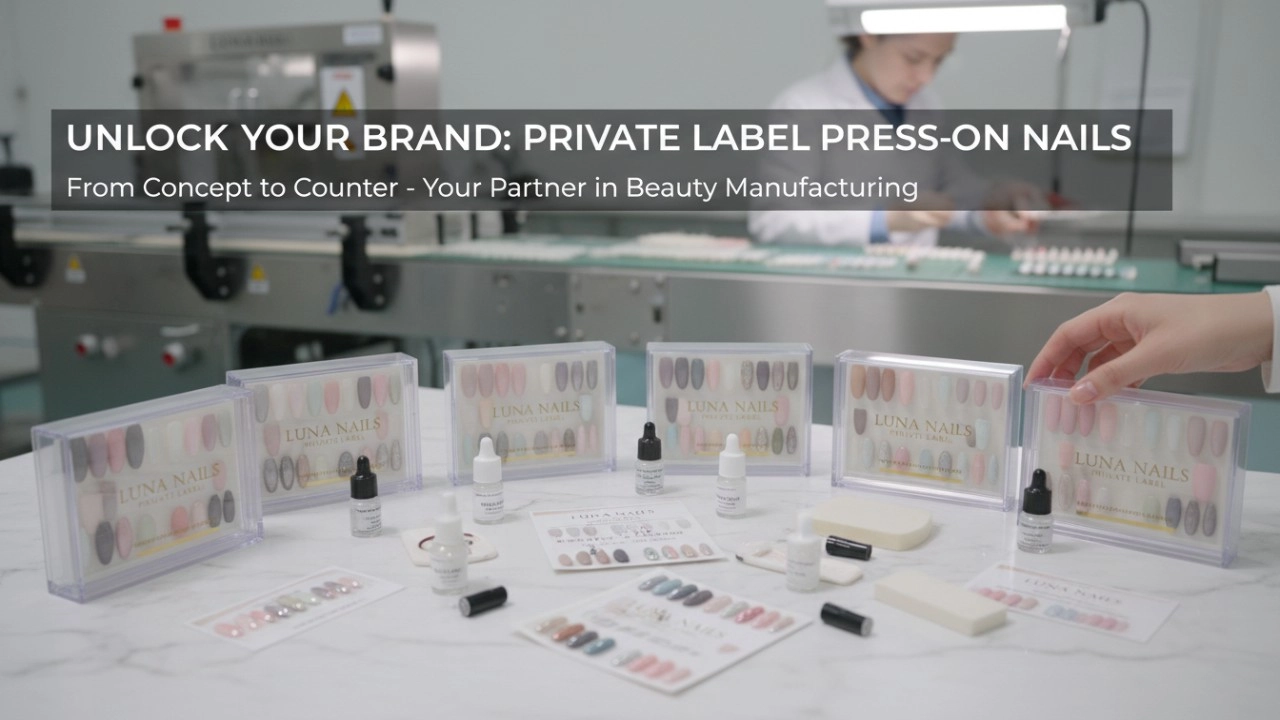
How to Scale Your Beauty Brand: Why Private Label Press On Nails Are the Highest-Margin Entry Point in 2026
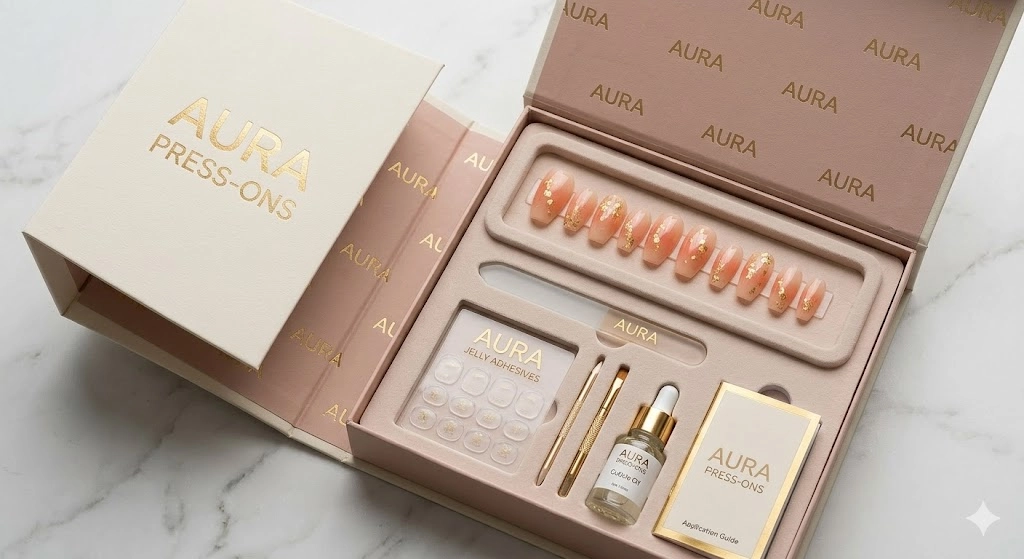
Why Partnering with Professional Press On Nails Manufacturers Boosts Your Brand Growth
About Toe Nails
Can I wear toe press-on nails if I have toenail fungus or injury?
It’s not recommended to use press-on nails if you have an active toenail infection or injury. The nail can trap moisture and bacteria, which could worsen the condition. If you’re recovering from a toenail injury or infection, it’s best to let your nails heal naturally first.
Startup Client
What is the minimum order quantity (MOQ)?
Our MOQ varies based on customization requirements and product type. Startup clients can choose small batch orders to test market reactions with lower risk. Please inform our sales team of your needs, and we will provide more product details.
75% Alcohol Pad
Why is it important to use an alcohol pad before applying press-on nails?
Using an alcohol pad helps ensure that your nails are free of oils and moisture, which can prevent the adhesive from sticking properly. This step helps the press-on nails stay secure and last longer.
Agent
What are the levels of Xianxing agents?
At present, we have a total of 4 levels, temporary agent, junior agent, senior agent and regional agent.
Dead Skin Remover
What is a dead skin fork?
A dead skin fork is an exfoliation tool typically used to gently scrape away dead skin cells from the surface of the skin. It's often used on the face or body, especially for areas that may be rough or dry.
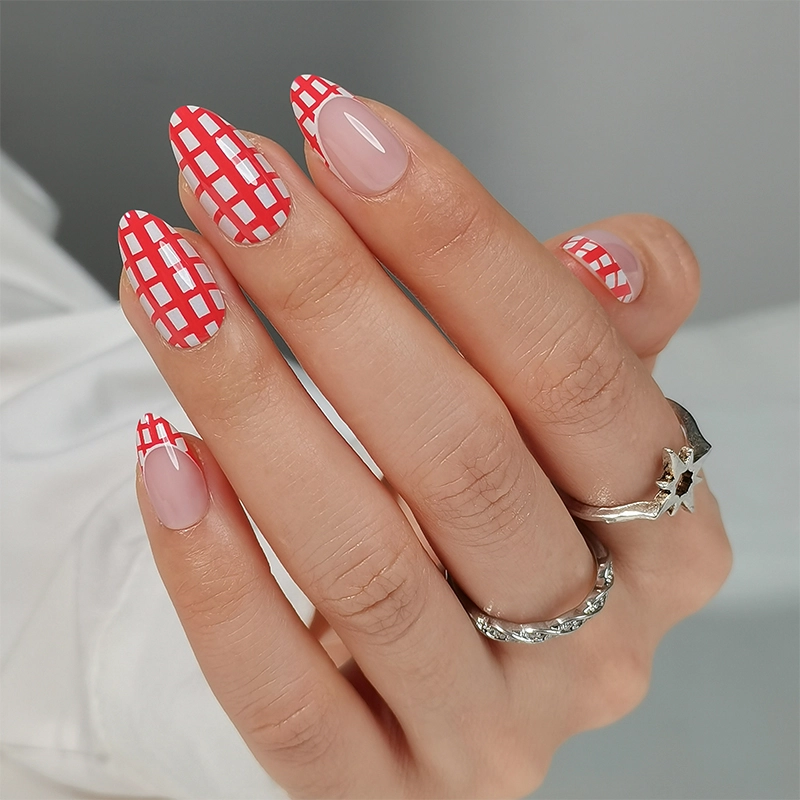
Wholesales Red French Nails Tips Checkered Soft Gel Nail Tips 32 Piece Set
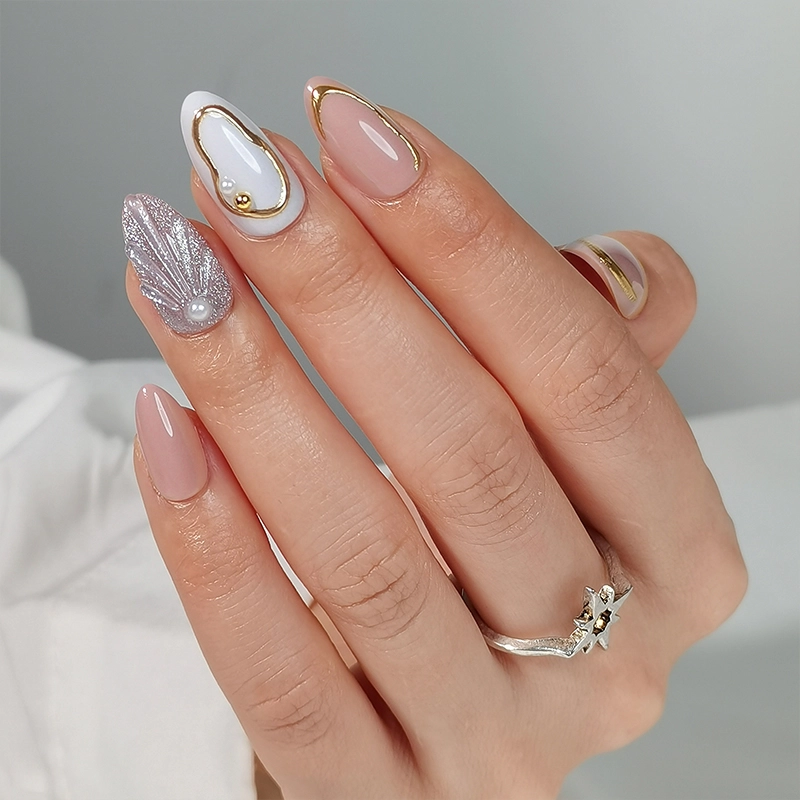
Wholesales Elegant Shell Inspired Soft Gel Wearable Nails for Seasonal Celebrations
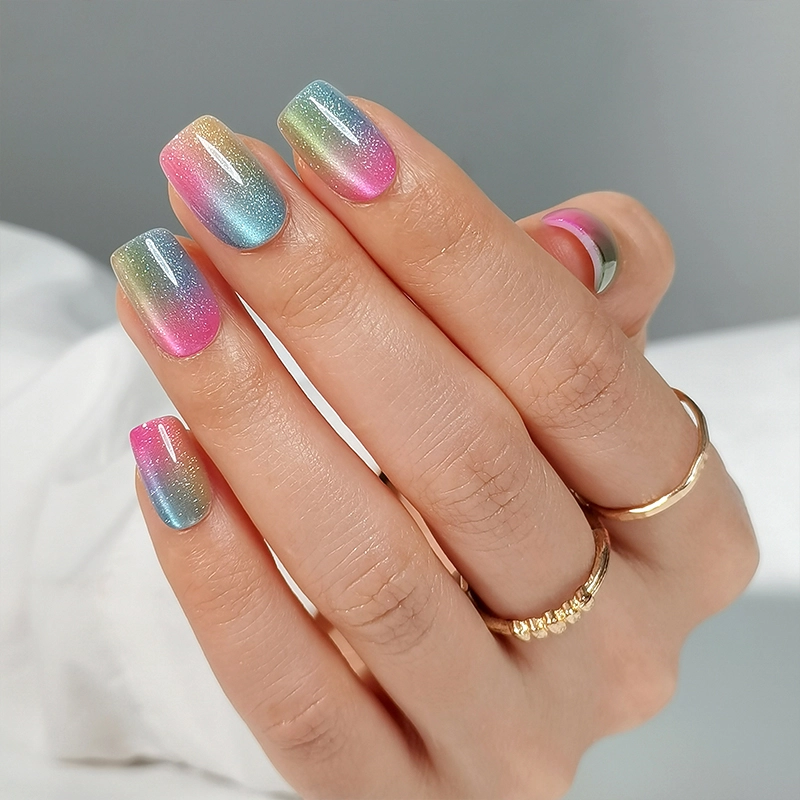
Custom Wholesale Gradient Cat Eye Soft Gel Wearable Fake Nails
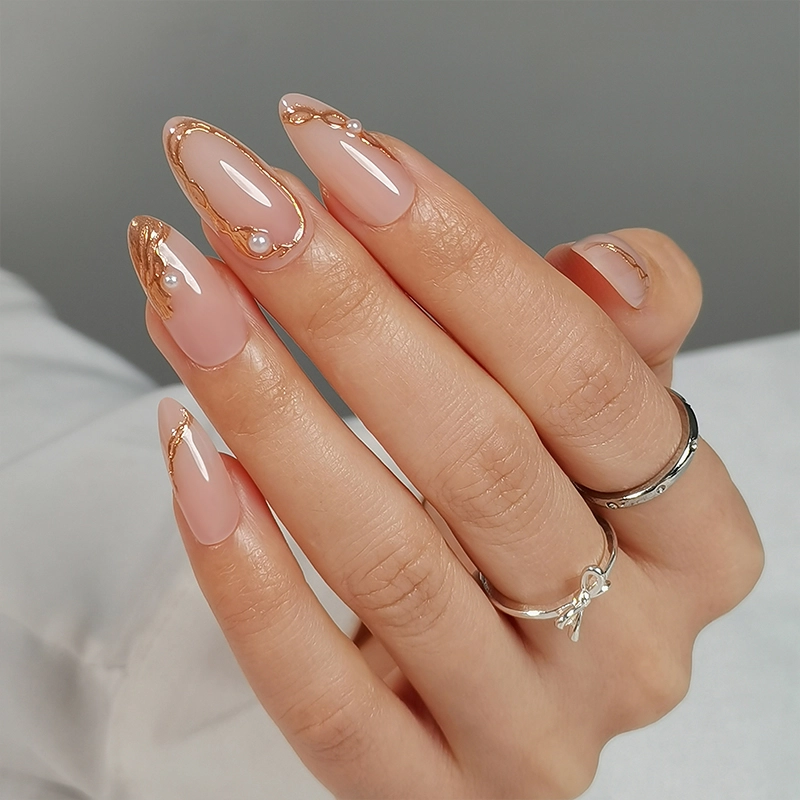
Wholesales Luxury Rhinestone Handmade Private Label Press On Nails Art Tips
Contact us
If you have press on nails products or customization needs, please feel free to contact from
below or via the contact information provided, we'll get back to you promptly within 24 hours.
By clicking 'Send Inquiry Now' I agree to XIANXING BEAUTY processing my personal data.
To see how to withdraw your consent, how to control your personal data and how we process it, please see our Privacy Policy and Terms of use.
Copyright © 2025 - XIANXING BEAUTY All Rights Reserved. Sitemap
Facebook
YouTube
Instagram
LinkedIn