What is the revenue of the press-on nail business? | Insights by Xianxing Beauty
- What is the revenue of the press-on nail business?
- 1) What do buyers and brands usually mean when they ask about “revenue” for press-on nails?
- 2) How to estimate revenue for your own press-on nail brand (fast method)
- 3) Typical cost structure and margins (procurement-focused)
- 4) Supplier selection — what procurement teams must insist on
- 5) Testing, compliance and labeling buyers must enforce
- Additional procurement best practices for scaling revenue
- Sources & next steps to get actual market revenue numbers
What is the revenue of the press-on nail business?
Short answer: there is no single universally accepted “revenue” figure for the press-on nail business because it is a product segment inside the broader nail cosmetics & artificial nail market. Official market-research firms (Statista, Grand View Research, Allied Market Research, IBISWorld) publish periodic estimates for the nail cosmetics or false-nails markets — to get a current, single-number revenue you must consult those live reports. If you want I can fetch the latest published market size and CAGR from those sources on request.
1) What do buyers and brands usually mean when they ask about “revenue” for press-on nails?
They usually mean one of three things:
- Global or regional market size (total annual sales of press-on/false-nail products).
- Average revenue for a single brand (DTC or wholesale), which depends on channels and scale.
- Per-order or per-SKU revenue metrics used for business planning (units, ASP, monthly sales).
Why that matters for procurement: whether you source for a hobby brand or for a high-volume private label buyer changes MOQ, packaging, lead times and quality requirements.
2) How to estimate revenue for your own press-on nail brand (fast method)
To project revenue for a particular business, use a simple three-step model:
- Decide channels and price point: e.g., DTC average selling price (ASP) per set: $12–$30 retail (common ranges seen across direct-to-consumer press-on brands).
- Estimate monthly unit sales: 100–5,000 sets/month depending on marketing and distribution.
- Revenue = ASP × units sold. Example: 1,000 sets × $18 ASP = $18,000/month = $216,000/year.
Use this model to test scenarios (ads-driven growth vs wholesale). Procurement implications: forecast order cadence, MOQ, safety-stock and packaging needs from the revenue plan.
3) Typical cost structure and margins (procurement-focused)
Common cost line items when buying press-on nails:
- Product cost (per set) – manufacturing & material costs vary by complexity: simple pre-painted sets cost less; high-end printed/3D-decorated sets cost more.
- Adhesive & accessory cost per kit (glue, tabs, buffer, file).
- Packaging, labels, inserts, polybags.
- Freight, customs, duties, inspection fees.
- Storage and fulfillment.
Typical margin guidance (industry sellers commonly target):
- Wholesale margin: 30%–50% markup on cost (varies by buyer).
- Retail (DTC) gross margin: 50%–80% (many direct beauty brands aim for 60%+ gross margin, but this depends on cost control and platform fees).
Procurement action: negotiate unit cost at scale, minimize unnecessary packaging complexity, and optimize freight via consolidation to protect margins.
4) Supplier selection — what procurement teams must insist on
Key supplier qualification checklist for press-on nails:
- Production capability and capacity — are they experienced with acrylic, ABS, or other materials used for press-on nails?
- Minimum order quantity (MOQ) and lead time — many factories have MOQs per design/size (common MOQs can be a few hundred to several thousand sets per SKU).
- Quality control process — pre-shipment inspection (AQL), in-line QC, and documentation.
- Material safety & compatibility — adhesives, coatings, and pigments should comply with your target market regulations (EU, UK, US, AUS). Request MSDS for chemicals used and allergen info for adhesives.
- Sample policy — ask for production samples (not just prototype photos), and test them under your use cases.
- Communication & language — clear lead times, tooling fees, artwork specifications, and revision processes.
Procurement action: build a two-step onboarding process — initial sample + small pilot order (to validate QC and logistics) before scaling to full production.
5) Testing, compliance and labeling buyers must enforce
Regulatory points to check (by market):
- United States: cosmetics and related products fall under the FDA’s authority; adhesives and certain chemicals may be regulated differently — check ingredient restrictions and labeling rules. Keep MSDS and ingredient lists.
- European Union: chemicals and pigments may be restricted under REACH. Ensure compliance for any substances in paints, glues, or coatings.
- All markets: ensure labeling includes manufacturer/importer contact, batch numbers, and safe-use instructions. Provide warnings about allergies for cyanoacrylate-based glues.
Procurement action: require suppliers to provide MSDS, material declarations, and test reports. Consider independent lab testing for adhesion strength, wear time, and biocompatibility/allergy screening if you target large-scale retail.
Additional procurement best practices for scaling revenue
- Standardize SKUs to reduce tooling and packaging changeover costs.
- Use tiered pricing with suppliers — confirm price breaks at volume milestones.
- Optimize packaging for e-commerce to reduce dimensional weight fees in fulfillment networks.
- Establish safety stock formulas: lead time × average weekly demand + buffer for promotional spikes.
- Audit suppliers annually and keep a second source for critical components (adhesive, specialized decorations, or unique molds).
Sources & next steps to get actual market revenue numbers
To obtain current market revenue figures and CAGR for press-on nails or the false-nail segment consult the following sources (I can fetch and summarize them if you want):
- Statista – for market size and regional splits.
- Grand View Research or Allied Market Research – for product-segment market sizing and forecasts.
- IBISWorld – for industry-level revenues (e.g., nail salons, beauty supplies) where available.
- Company annual reports and investor decks for publicly-listed beauty companies that have press-on lines.
If you’d like, tell me which specific figure you need (global market size 2024, US market revenue, or revenue for DTC brands) and I will retrieve recent, sourced numbers and update this article with exact market data and citations.
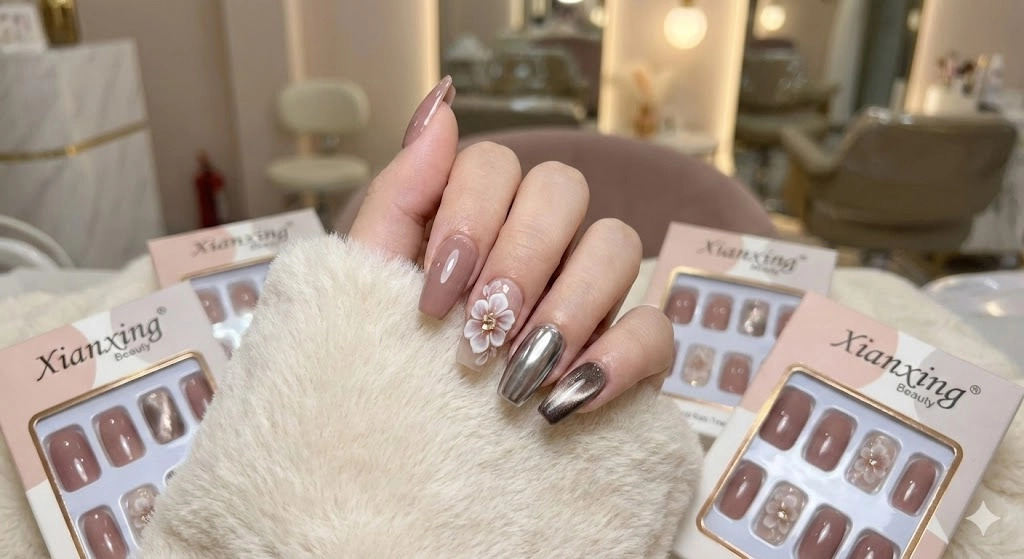
7 Red Flags to Avoid When Selecting a Wholesale Press On Nails Manufacturer
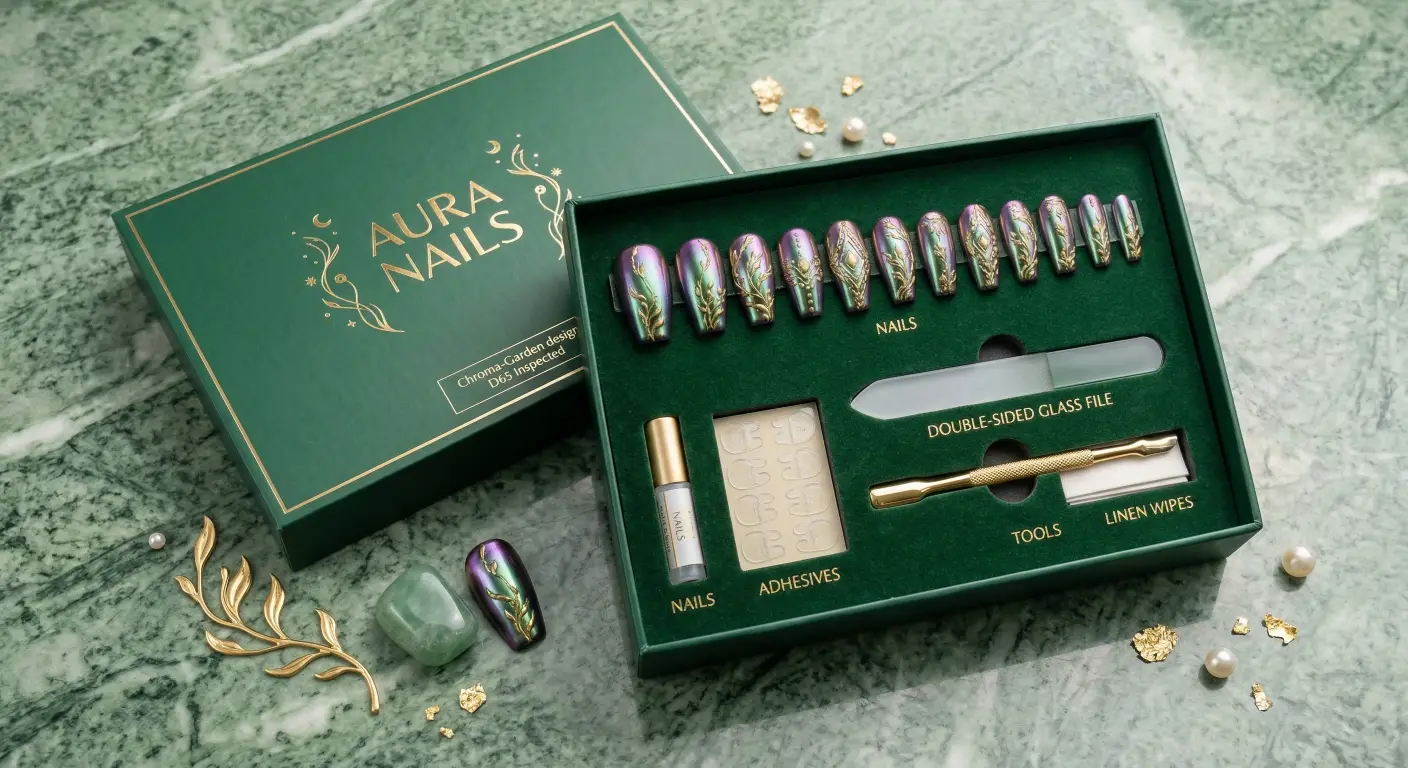
Quality Control: What to Expect from a Top-Tier Wholesale Press On Nails Manufacturer
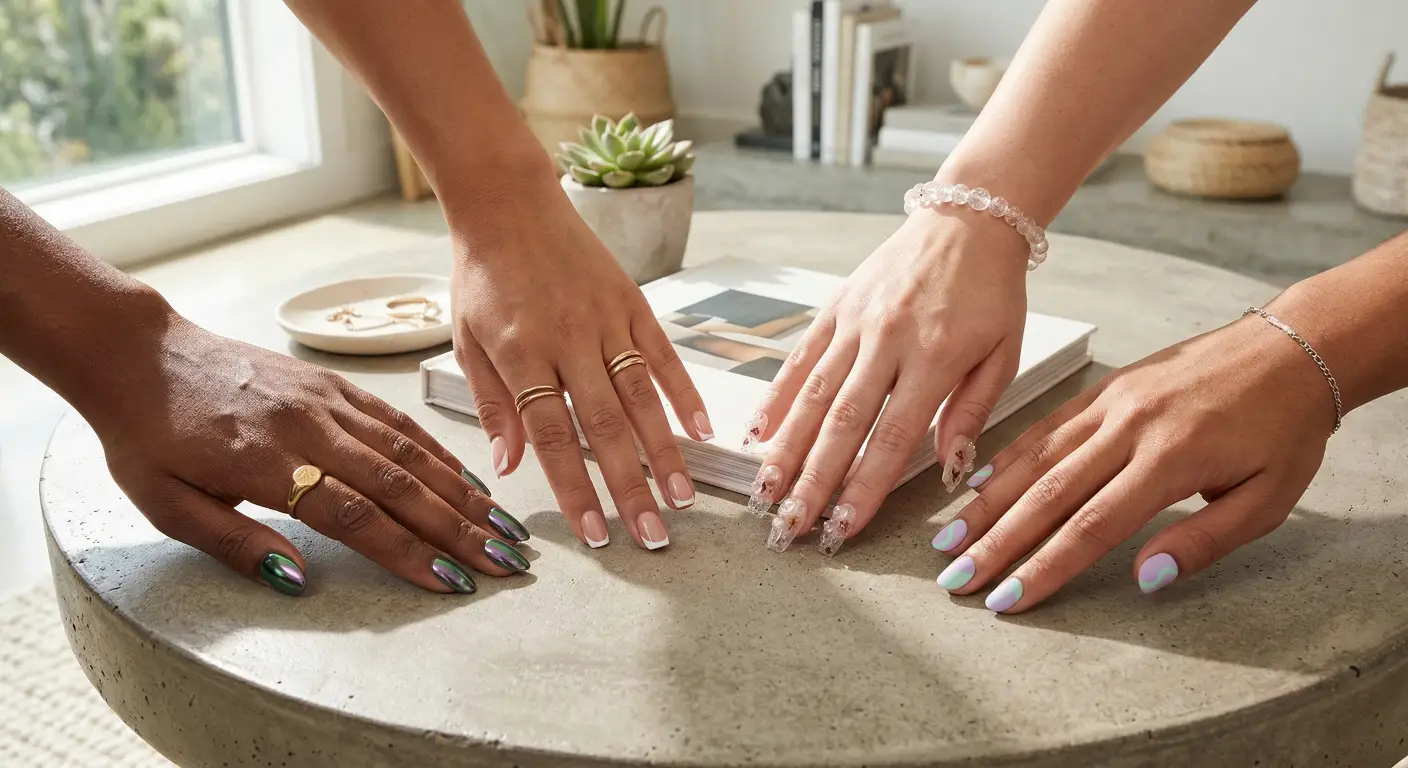
The Ultimate Guide to Choosing the Best Wholesale Press On Nails Manufacturer in 2026
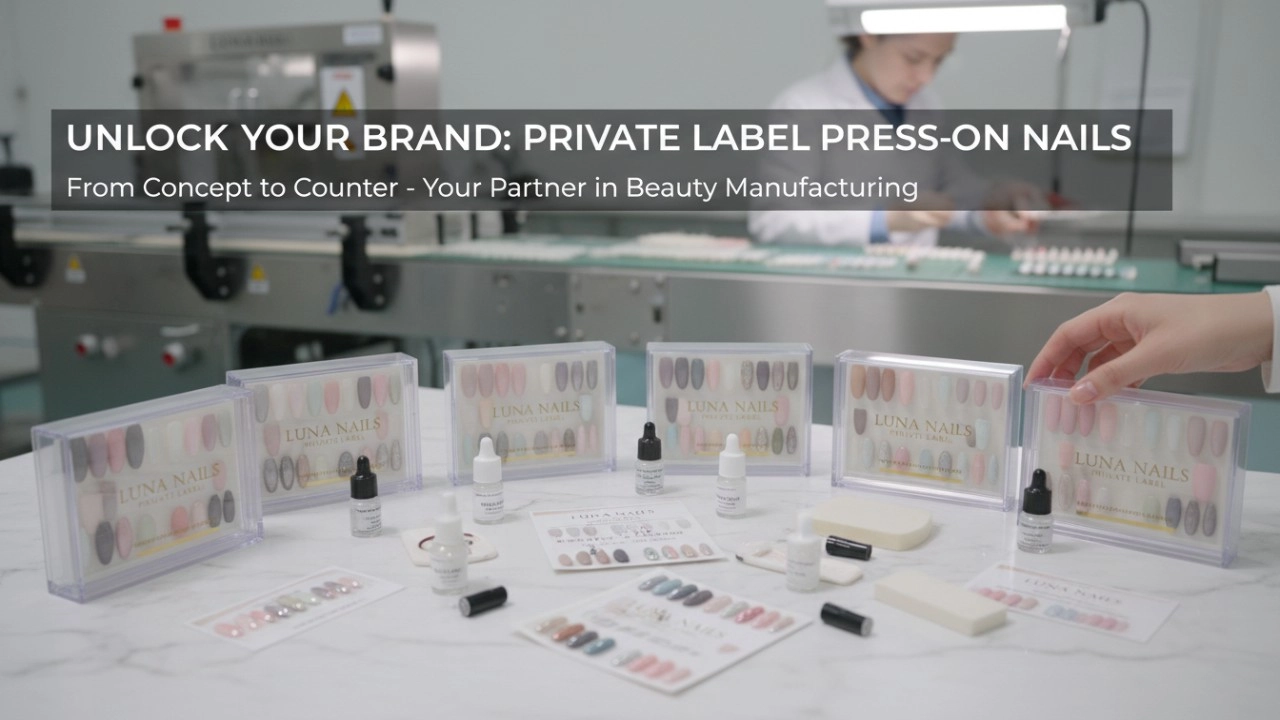
How to Scale Your Beauty Brand: Why Private Label Press On Nails Are the Highest-Margin Entry Point in 2026
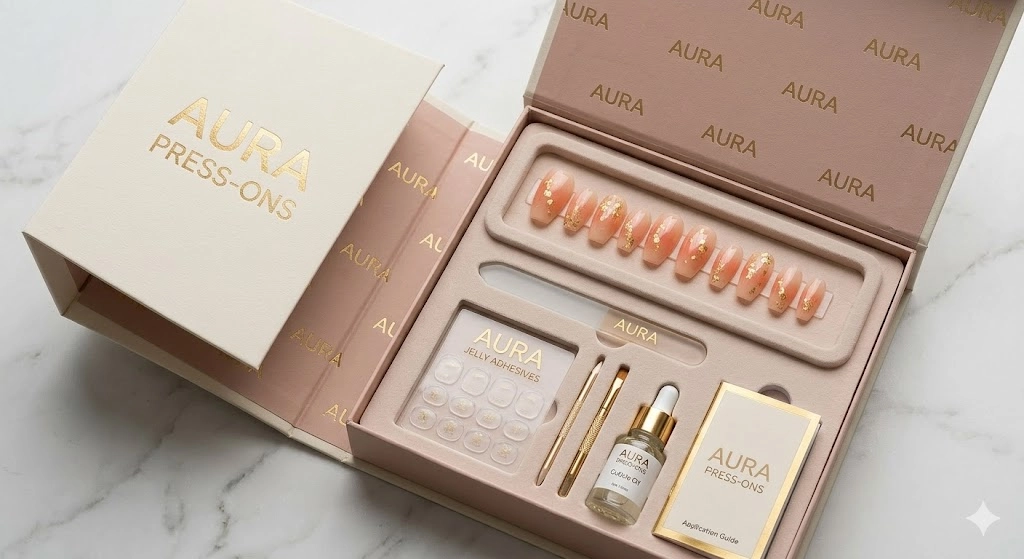
Why Partnering with Professional Press On Nails Manufacturers Boosts Your Brand Growth
Supermarket chains
What is the surface treatment process of nails? Are there any anti-scratch and anti-fading measures?
All press on nails already apply top coating, no need extra lamp cured, it’s anti-scratch and anti-fading.
Recycled ABS Nails
How long can they be worn?
Generally, renewable ABS press-on nails can be worn for about 1 to 2 weeks. However, the specific wearing time depends on factors such as the quality of the nail tips, personal using habits, the intensity of daily activities, and daily cleaning and maintenance.
About fashion printing
Are press-on nails reusable?
Yes, they can be reused if you remove them carefully and clean off the adhesive or glue residue.
Brand Client
Can you assist in designing brand Logos and packaging?
Yes, our design team can provide Logo and packaging design support according to your brand requirements to help create a market-compatible brand image.
About Christmas Nails
What if one falls off?
No problem! This is why it's great to keep the leftover sizes and the glue or tabs that came in the kit. Simply prep your natural nail again (buff and dehydrate) and reapply a new press-on or the same one if it's still intact.
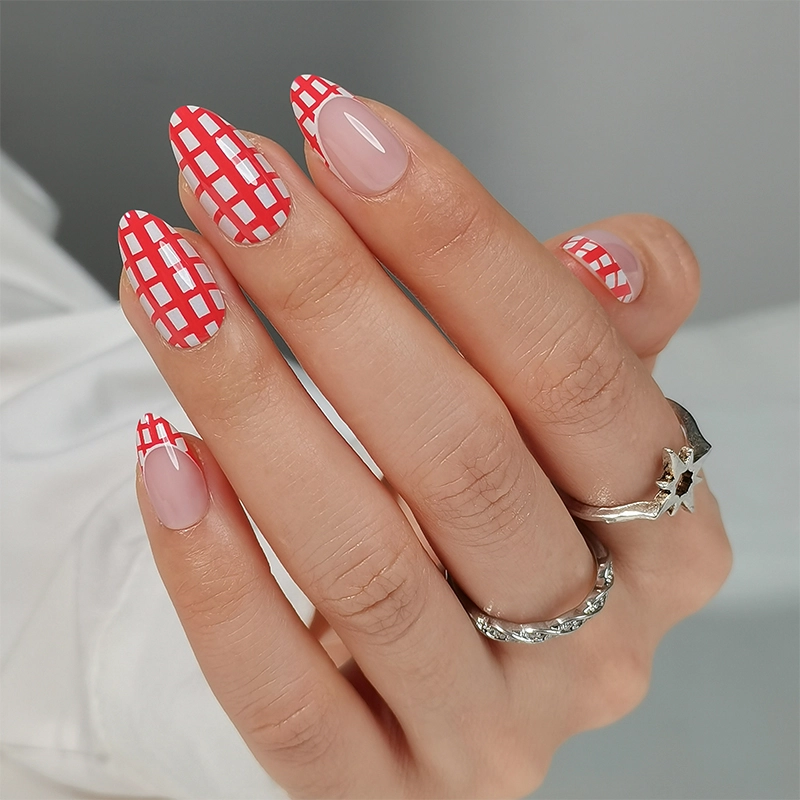
Wholesales Red French Nails Tips Checkered Soft Gel Nail Tips 32 Piece Set
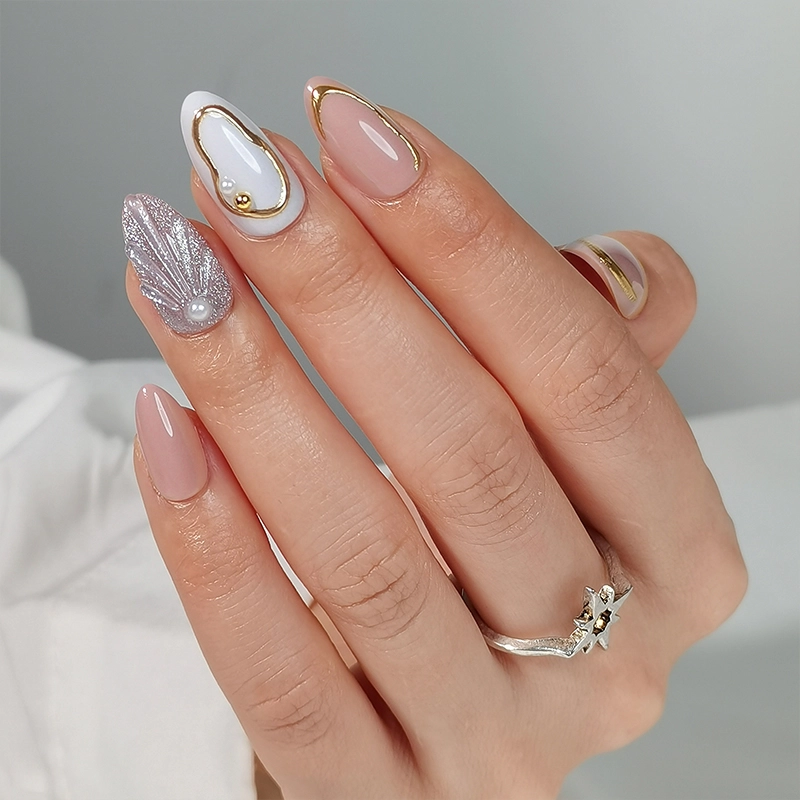
Wholesales Elegant Shell Inspired Soft Gel Wearable Nails for Seasonal Celebrations
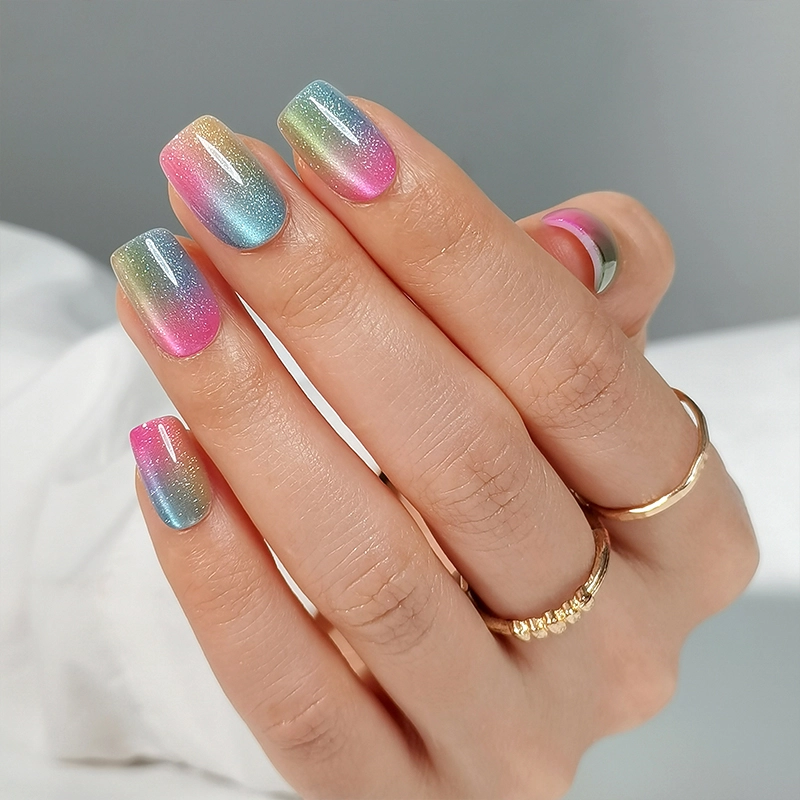
Custom Wholesale Gradient Cat Eye Soft Gel Wearable Fake Nails
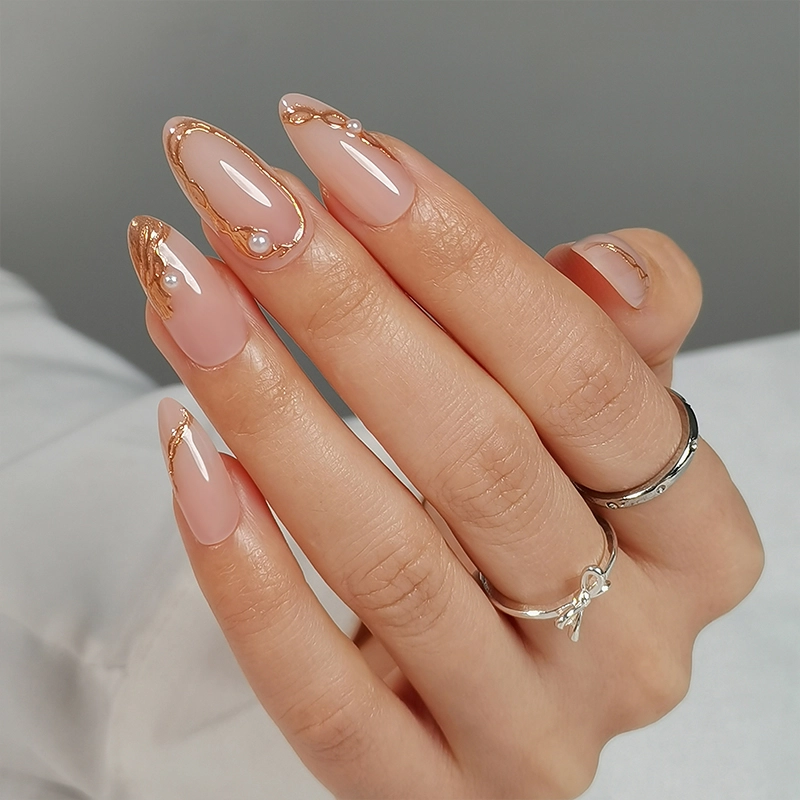
Wholesales Luxury Rhinestone Handmade Private Label Press On Nails Art Tips
Contact us
If you have press on nails products or customization needs, please feel free to contact from
below or via the contact information provided, we'll get back to you promptly within 24 hours.
By clicking 'Send Inquiry Now' I agree to XIANXING BEAUTY processing my personal data.
To see how to withdraw your consent, how to control your personal data and how we process it, please see our Privacy Policy and Terms of use.
Copyright © 2025 - XIANXING BEAUTY All Rights Reserved. Sitemap
Facebook
YouTube
Instagram
LinkedIn