
Safety Standards and Certifications for Nail Factories
- Safety Standards and Certifications for Nail Factories
- Why compliance matters for Press On Nails Manufacturers
- Key Regulatory Frameworks Every Press On Nails Manufacturer Should Know
- ISO 22716 and Good Manufacturing Practice for Cosmetic Factories
- ISO 9001 and Quality Management for Press On Nails Manufacturers
- Chemical Safety: REACH, RoHS, and MSDS for Nail Materials
- Testing and Third-Party Verification for Press On Nails Manufacturers
- Comparison Table: What Each Certification or Test Covers
- Factory Safety: Environmental, Health, and Worker Protections
- Labeling, Claims, and Ingredient Transparency for Cosmetic Compliance
- Why Claim Substantiation Matters for Press On Nails Manufacturers
- Social Responsibility and Audit Standards (BSCI, Sedex, SA8000)
- Traceability and Batch Control for Rapid Response
- How Xianxing Beauty Meets Safety Standards as a Press On Nails Manufacturer
- Practical Checklist for Buyers Working with Press On Nails Manufacturers
- Negotiating Safety Terms in Contracts
- FAQ — Safety Standards and Certifications for Nail Factories
- Q: What certifications should I insist on from a press on nails manufacturer?
- Q: Are press on nails regulated as cosmetics?
- Q: How can I verify a factory’s claims about being non-toxic or breathable?
- Q: How long does it take to get certification documentation from a manufacturer?
- Q: Can small orders get certified products?
- Contact and Product CTA
- Sources and References
Safety Standards and Certifications for Nail Factories
Why compliance matters for Press On Nails Manufacturers
Consumers expect beauty products to be safe, non-toxic, and reliable. For Press On Nails Manufacturers, compliance with safety standards and certifications is not only a legal necessity in many markets but also a commercial advantage. Meeting recognized standards reduces product recalls, protects brand reputation, eases customs clearance, and opens doors to retail and distribution channels worldwide.
Key Regulatory Frameworks Every Press On Nails Manufacturer Should Know
Understanding which regulations apply to press on nails is the first step in building a compliant factory. Common frameworks include:
- EU Cosmetics Regulation (EC) No 1223/2009: Governs cosmetics sold in the EU and requires product safety assessments and notification to the Cosmetic Products Notification Portal (CPNP).
- FDA (U.S.): The U.S. Food and Drug Administration regulates cosmetics but does not pre-approve them. Manufacturers must ensure products are safe and properly labeled; some ingredients are restricted.
- REACH (EU): Controls registration and restriction of chemicals used in products; any chemical substances in nail products must comply.
- RoHS: Restricts certain hazardous substances (mainly for electronic equipment, but increasingly requested by buyers for component materials).
- Local import regulations: Many countries have additional rules on labeling, ingredient disclosure, and testing.
ISO 22716 and Good Manufacturing Practice for Cosmetic Factories
ISO 22716 provides Good Manufacturing Practices (GMP) specifically for cosmetics. For Press On Nails Manufacturers, implementing ISO 22716 means documented procedures for:
- Raw material receiving and testing
- Production hygiene and process control
- Quality control and finished product testing
- Personnel training and protective equipment
- Traceability and batch records
Certification to ISO 22716 or aligning processes to its principles helps factories satisfy auditors and many retail customers.
ISO 9001 and Quality Management for Press On Nails Manufacturers
ISO 9001 focuses on quality management systems. While not cosmetics-specific, it complements ISO 22716 by ensuring continuous improvement, supplier controls, and customer satisfaction processes are in place—key for manufacturers producing high volumes of press on nails.
Chemical Safety: REACH, RoHS, and MSDS for Nail Materials
Materials used in press on nails—ABS, acrylic resins, UV coatings, adhesives, pigments—must be checked for restricted substances and properly documented with Material Safety Data Sheets (MSDS) or Safety Data Sheets (SDS). Important points:
- REACH: identify and register any substances of very high concern (SVHCs) and comply with restrictions.
- RoHS: while primarily for electronics, many global buyers request RoHS compliance for components and metallic decorations to avoid heavy metals.
- MSDS/SDS: provide hazard, handling, storage, and disposal instructions for each chemical used in production.
Testing and Third-Party Verification for Press On Nails Manufacturers
Robust testing builds trust. Typical tests and verifications for press on nails include:
- Heavy metal testing (Pb, Cd, Hg, Cr) to ensure levels are below regulated limits.
- Volatile Organic Compounds (VOCs) and odor testing to confirm products are low-odor and safe for consumers.
- Adhesive safety and skin irritation patch tests.
- Durability tests: adhesion strength, flexibility, wear resistance (including tests for UV coatings).
- Microbiological tests where applicable for glue or gel components.
Common independent labs include SGS, Intertek, and Bureau Veritas—their test reports are often required by importers or larger retailers.
Comparison Table: What Each Certification or Test Covers
| Standard/Certificate | Main Focus | Relevant for Press On Nails Manufacturers |
|---|---|---|
| ISO 22716 | Cosmetic GMP (production, hygiene, traceability) | Yes — aligns production controls and batch records |
| ISO 9001 | Quality management systems and continuous improvement | Yes — supports supplier control and customer requirements |
| REACH | Chemical registration and restrictions (EU) | Yes — ensures ingredient compliance |
| RoHS | Restriction of hazardous substances (mainly heavy metals) | Often requested — useful for decorative components |
| MSDS / SDS | Material hazard and handling information | Essential — for all chemicals used in manufacturing |
Sources: EU REACH guidance, ISO standards descriptions, industry test practices (see sources at end).
Factory Safety: Environmental, Health, and Worker Protections
Beyond chemical compliance, a safe manufacturing environment is critical. Press On Nails Manufacturers should implement:
- Proper ventilation and fume extraction in areas where solvents or resins are used.
- Fire safety systems, spill containment, and safe storage for flammable materials.
- Personal protective equipment (PPE) and training for operators handling resins and adhesives.
- Waste management procedures for chemical and non-hazardous waste per local environmental laws.
- Occupational health monitoring when appropriate (e.g., for solvent exposure).
Labeling, Claims, and Ingredient Transparency for Cosmetic Compliance
Labeling mistakes are a common cause of non-compliance. Requirements typically include:
- Accurate ingredient lists using INCI (International Nomenclature of Cosmetic Ingredients) names for EU and many global markets.
- Warning statements (e.g., keep away from children, avoid contact with eyes) when required.
- Batch/lot numbers and manufacturer contact details for traceability.
- Compliance with local language labeling rules and any claims substantiation (e.g., “non-toxic”, “breathable”).
Why Claim Substantiation Matters for Press On Nails Manufacturers
Claims like “non-toxic” or “breathable” must be supported by test data. Retain test reports and internal records showing the basis for claims to respond quickly if a retailer or regulator requests evidence.
Social Responsibility and Audit Standards (BSCI, Sedex, SA8000)
Many global buyers require social compliance audits to ensure ethical labor practices. Certifications or audit platforms include:
- BSCI or SMETA (Sedex) for social responsibility
- SA8000 for labor and human rights standards
- Factory codes of conduct covering working hours, wages, and safe working conditions
These audits improve brand trust and can be decisive when winning contracts with international retailers.
Traceability and Batch Control for Rapid Response
Strong traceability means being able to track a product from raw material to finished goods. For Press On Nails Manufacturers this includes:
- Unique batch numbers for each production run
- Records of raw material lot numbers, supplier certificates, and test reports
- Retention of sample pieces and final product test results
Fast traceability reduces recall scope and helps maintain consumer confidence.
How Xianxing Beauty Meets Safety Standards as a Press On Nails Manufacturer
Founded in 2012, Xianxing Beauty is a China press on nail manufacturer focusing on OEM and ODM customized nail production. With a 20,000-square-meter factory producing 300,000 pieces of press on nails daily, Xianxing launches more than 100 new products every month and supports small-scale customization across materials, sizes, designs, nail shapes, and packaging. Nail samples are provided within 3 days, and orders are completed within 7–14 days.
Key safety and quality highlights for Xianxing Beauty:
- Products are breathable, lightweight, non-toxic, and odorless, with UV coating to protect nails and enhance durability and appearance.
- Certifications include RoHS, REACH, and MSDS documentation, and products meet U.S. and EU cosmetics standards—helping importers and retailers comply with local regulations.
- Production capacity and rapid sample turnaround support both large orders and small-batch customization, making Xianxing suitable for brands and private-label projects.
- Committed to continuous product innovation and factory best practices to align with global quality and safety expectations.
Our vision is to become the world's leading press on nails manufacturer. Visit our website: https://www.xianxingbeauty.com/ to view products and request samples.
Practical Checklist for Buyers Working with Press On Nails Manufacturers
When evaluating manufacturers, use this quick checklist:
- Do they provide REACH, RoHS, and MSDS/SDS for materials?
- Is the factory aligned with ISO 22716 (GMP) and/or ISO 9001 principles?
- Can they provide independent lab test reports (SGS, Intertek) for heavy metals, VOCs, and adhesion/durability?
- What social compliance audits or certificates do they have (BSCI, Sedex)?
- Do they offer batch traceability, sample retention, and rapid sample turnaround?
- Are product claims documented and supported by data?
Negotiating Safety Terms in Contracts
Include clauses requiring the manufacturer to provide up-to-date certificates and test reports, allow third-party inspections, and maintain recall insurance or corrective action plans. Clear contractual obligations reduce risk for both parties.
FAQ — Safety Standards and Certifications for Nail Factories
Q: What certifications should I insist on from a press on nails manufacturer?
A: At minimum, request REACH compliance for the EU, RoHS declarations for components, MSDS/SDS for all chemicals, and independent lab test reports for heavy metals and VOCs. Prefer suppliers aligned to ISO 22716 (GMP) and ISO 9001 for quality systems.
Q: Are press on nails regulated as cosmetics?
A: In many jurisdictions press on nails and their adhesives/coatings fall under cosmetics or cosmetic-adjacent regulations. Ingredients and labeling must comply with local cosmetic laws, for example EU Cosmetics Regulation (EC) No 1223/2009. Always verify specific local rules.
Q: How can I verify a factory’s claims about being non-toxic or breathable?
A: Require supporting data: lab test reports showing chemical composition, VOC/odor tests, and adhesion/breathability test methods. Independent third-party laboratory reports are the most reliable evidence.
Q: How long does it take to get certification documentation from a manufacturer?
A: Some documents like MSDS and supplier declarations are immediate. Third-party lab tests and certifications (ISO, REACH registration actions) can take weeks to months depending on scope. Factor this into product development timelines.
Q: Can small orders get certified products?
A: Yes—many modern Press On Nails Manufacturers (including Xianxing Beauty) support small-scale customization and can provide compliant products with proper documentation. Discuss minimum order quantities and lead times up front.
Contact and Product CTA
If you are sourcing safe, certified press on nails, Xianxing Beauty offers fast samples, full documentation (RoHS, REACH, MSDS), and flexible OEM/ODM services. Contact our sales team to request samples or view our product range: https://www.xianxingbeauty.com/
Sources and References
- European Commission — REACH Regulation guidance and documents
- European Commission — Cosmetics Regulation (EC) No 1223/2009
- International Organization for Standardization — ISO 22716 (Cosmetic GMP) and ISO 9001 descriptions
- U.S. Food and Drug Administration (FDA) — Cosmetics guidance and regulatory information
- SGS, Intertek, Bureau Veritas — standard testing services and industry guidance
What You Need to Start a Press-On Nail Business in Brazil: A Practical Guide
Wholesale customize press on nails manufacturer and supplier
Removing Contacts with Fake Nails? Xianxing Beauty
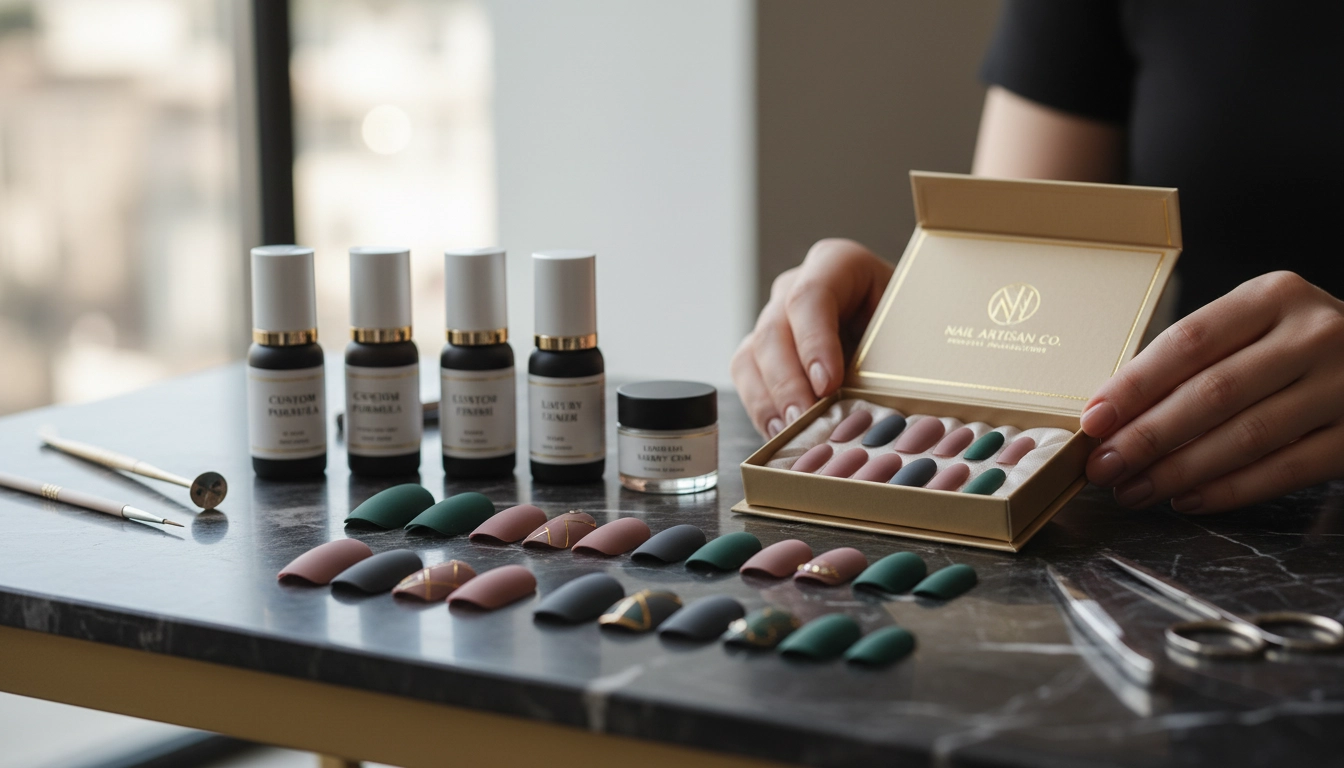
Matte vs. Gloss: Why Leading Brands Are Partnering with Custom Matte Press On Nails Manufacturers for Luxury Collections in 2026
About fashion printing
What shapes and sizes are available?
Ombre press-on nails come in various shapes (square, almond, coffin, stiletto) and lengths (short, medium, long) to suit different styles and preferences.
Are press-on nails reusable?
Yes, they can be reused if you remove them carefully and clean off the adhesive or glue residue.
About after-sale service
The colors don’t match the photos I saw.
While we strive to match colors as closely as possible to the pantone color, exact matches can be challenging due to differences between physical products and digital displays.
Crystal Nail File
How long do crystal nail files last?
Crystal nail files are highly durable and can last for years if properly cared for. The surface won’t wear down easily, unlike traditional nail files.
Product Customization
Can you arrange global logistics and shipping?
Yes, we work with multiple logistics companies to support global delivery. If customers require assistance with customs clearance, we are happy to cooperate to ensure timely delivery to the specified location.
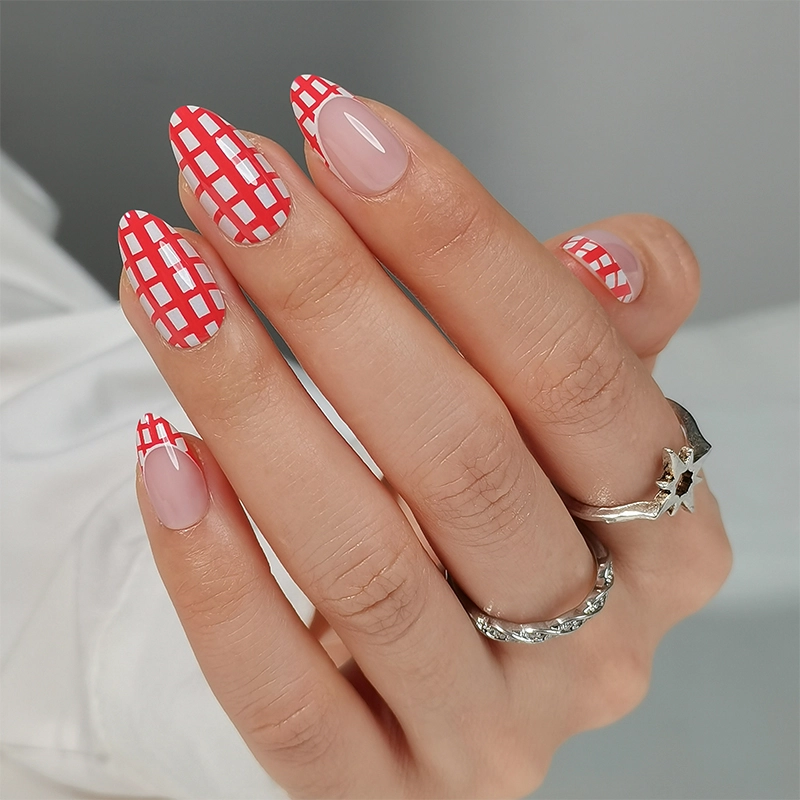
Wholesales Red French Nails Tips Checkered Soft Gel Nail Tips 32 Piece Set
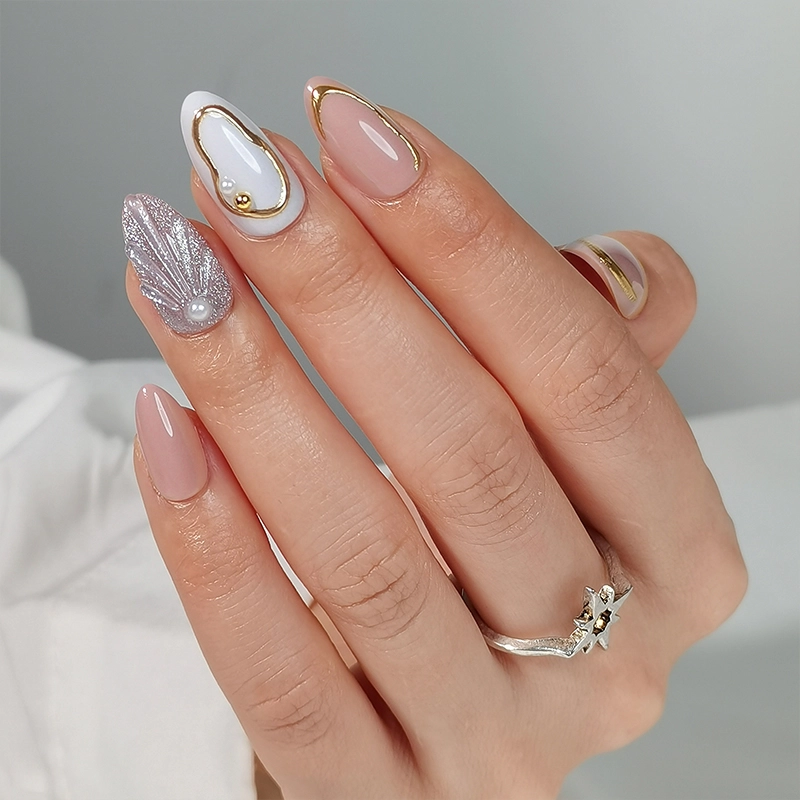
Wholesales Elegant Shell Inspired Soft Gel Wearable Nails for Seasonal Celebrations
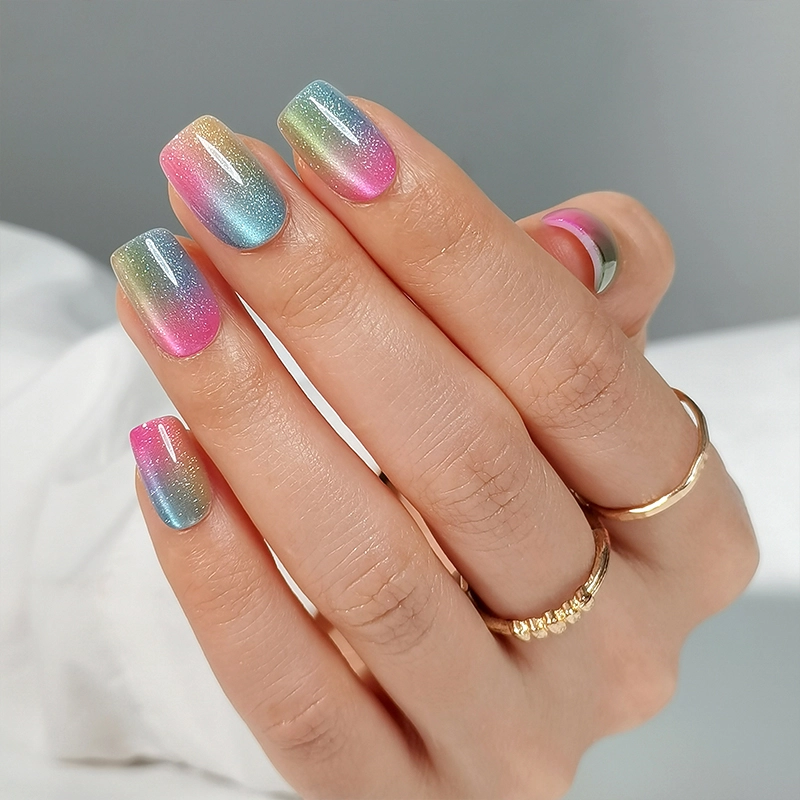
Custom Wholesale Gradient Cat Eye Soft Gel Wearable Fake Nails
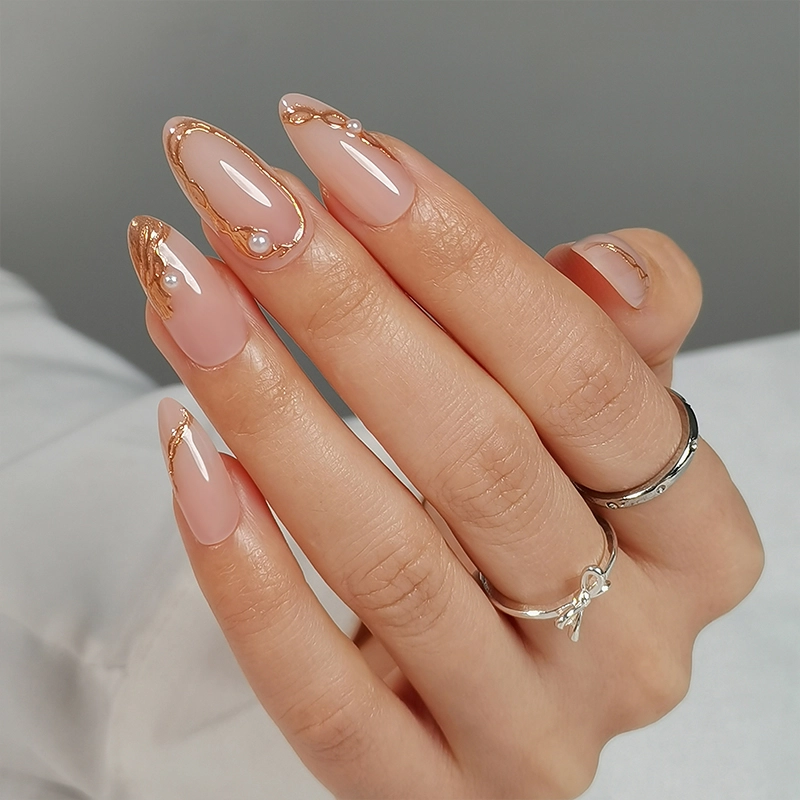
Wholesales Luxury Rhinestone Handmade Private Label Press On Nails Art Tips
Copyright © 2025 - XIANXING BEAUTY All Rights Reserved. Sitemap
Facebook
YouTube
Instagram
LinkedIn