
How to start a custom press on nails business with no experience?
- 1. How do I build a repeatable nail sizing system that cuts returns and fits 95% of customers?
- 2. What low-cost tools and supplier types let me produce durable, salon-quality custom press-on nails at home?
- 3. What safety, labeling and regulatory steps are actually required when shipping custom press-on nails internationally?
- 4. How should I price a custom press-on set when I’m new and can’t yet predict labor time or return rates?
- 5. What product photography and listing workflow drives organic visibility on Etsy/Shopify without paid ads?
- 6. How do I scale from handmade to small-batch manufacturing without losing quality?
1. How do I build a repeatable nail sizing system that cuts returns and fits 95% of customers?
Answer:Creating a repeatable nail sizing system is one of the highest-impact actions you can take to reduce returns. Focus on three things: a consistent internal sizing process, a customer-facing measurement flow, and physical samples for QA.
Step 1 — Choose a reference standard: Use metric widths in millimeters for each nail from thumb to pinky rather than vague size labels (S/M/L). Measure a full set of ABS nail blanks (or your finished press-on shape) with digital calipers and record the inner curve and maximum width for digits 1–10. Store these as your SKU size map. This becomes the basis for production and listings.
Step 2 — Create a printable nail sizing chart and video: Produce a printable overlay customers can place on their nails (PDF) and a 20–30 second video showing how to measure with a ruler or tape. Provide two measurement methods: width across the nail bed and side-to-side fit with a paper overlay. Embed the measurement instructions in product pages and order confirmation emails.
Step 3 — Offer a trial or sample kit: Sell a low-cost sample sizing kit (10–12 common widths) or include an inexpensive plastic sizing strip with first orders. This reduces returns because customers can test fit at home before committing to custom sets.
Step 4 — Add tolerance rules to production: Define acceptance tolerances (for example, ±0.5 mm for small sizes, ±1 mm for larger sizes) and train staff or document for yourself how to trim or fill to meet those tolerances during finishing.
Step 5 — Use customer notes and profile sizes: Store each buyer's measured sizes in your shop/customer CRM so repeat buyers can reorder correctly without re-measuring. Offer save my sizes during checkout.
Operational tips: Keep a physical master sample board (finished sets mounted and labeled) that represents every size variant and shape you sell. Photograph it under consistent lighting so customer support can verify sizing disputes visually. These steps together drastically reduce fit-related returns and build customer trust.
Semantic keywords embedded: nail sizing chart, ABS nail blanks, press nail supplies, nail press-on kits.
2. What low-cost tools and supplier types let me produce durable, salon-quality custom press-on nails at home?
Answer:You don't need industrial equipment to make high-quality press-on nails, but you do need reliable supplies and a small toolkit that improves consistency.
Essential supplies and tools:
- ABS nail blanks (pre-shaped full-cover tips) or reusable silicone nail molds if you make full resin sets. ABS is the fastest path for custom sets.
- UV LED lamp (48–54W) for curing gel polish and builder gels.
- Builder gel or hard-gel systems for strength; gel polish for color/finish.
- Nail primer, dehydrator wipes, and a gentle buffing block for prep.
- Electronic nail file (e-file) with fine sanding bits for smoothing and shaping; manual files for finishing.
- High-bond nail glue and medical-grade adhesive tabs (for different customer preferences).
- Quality pigments, glitters, foils, and encapsulation supplies for custom art.
- Clear top coats (gel) and a glossy or matte finish option.
- Packaging: protective boxes, cushioned inserts, sizing labels, and printed care/fit instructions.
Supplier types to source from:
- Wholesale ABS tip manufacturers (look for consistent thickness and pre-sanded edges).
- Professional nail resin and gel chemistry suppliers (ask for SDS and cure profiles).
- Packaging suppliers that serve small businesses (custom tuck boxes, poly mailers with inserts).
- Adhesive and glue manufacturers that provide Material Safety Data Sheets (SDS).
Low-cost production workflow:
- Prep blanks (light buffing and dehydrator).
- Layer builder gel or resin for strength and desired shape; cure per manufacturer.
- Apply color and art; encapsulate if needed; finish with top coat.
- Lightly file inner curve and add sizing labels.
- Package sets with adhesive options and a sizing chart.
Quality-first advice: Use small batch runs (5–20 sets) while dialing in processes. Maintain good ventilation and PPE when working with resins and solvents. Track cure times and lamp output (LED age reduces intensity) to avoid soft or under-cured nails.
Semantic keywords embedded: ABS nail blanks, nail mold, UV gel, press nail supplies.
3. What safety, labeling and regulatory steps are actually required when shipping custom press-on nails internationally?
Answer:Regulatory requirements vary by market, but the central themes are product safety, accurate labeling, and transparent chemical information. Treat press-on nails and adhesives as cosmetics/accessories and some adhesives as consumer chemical products. Key actions:
1) Identify product category per market: In the U.S., most beauty accessories and cosmetics are regulated by the FDA for safety but are not pre-approved; sellers must ensure products are safe and not misbranded. In the EU, Cosmetics Regulation requires a safety assessment for products considered cosmetics; adhesives may fall under different rules. Always check local regulators for classification.
2) Provide accurate labeling and warnings: Attach clear instructions (how to fit and remove), ingredient or material lists (for gels, resins, and adhesives—active components like cyanoacrylate in glues should be declared), and safety warnings (e.g., For external use only. Keep out of reach of children. Avoid contact with skin/eyes. Test for allergies.).
3) Maintain SDS and supplier documentation: Keep Material Safety Data Sheets for adhesives, resins, and pigments. These are important when customs or courier services request them and help in responding to customer safety questions.
4) Consider import/export restrictions and HS codes: Check customs tariffs and classification for cosmetic accessories and adhesives in target countries. Some countries restrict certain chemicals in cosmetics or require local registration.
5) Consumer protection and returns policies: Publish an explicit removal and allergy-policy (e.g., Do not use if you have known allergy to cyanoacrylates). Offer replacement policies but limit liability in clear terms and require photo evidence for damage/defects.
6) Insurance and legal review: At small scale you may start without formal certification, but as you scale or export, consult a compliance expert and consider product liability insurance, especially if you sell adhesives with your sets.
Operational tip: Create a compliance folder per SKU that includes ingredient lists, SDS, product photos, and labeling proofs. This speeds up disputes and customs queries.
Semantic keywords embedded: nail adhesive, SDS, cosmetic labeling, international shipping.
4. How should I price a custom press-on set when I’m new and can’t yet predict labor time or return rates?
Answer:Use a unit-costing and conservative margin approach until you have reliable data. Structure pricing around direct materials, variable labor, packaging/shipping contribution, overhead allocation, and profit margin.
Step 1 — Calculate cost-per-set (material basis): Sum all material inputs used for one set: ABS blanks or resin cost allocated per set, gel/polish usage per set, adhesives included, packaging cost, inserts, labels, and any free samples. Use per-unit or per-gram calculations to be precise.
Step 2 — Estimate labor cost per set: Time yourself or your maker to produce a set (prep, art, cure, finish, QA, pack). Multiply production minutes by a conservative hourly labor rate (your time has value—use what you would pay an employee). If you can’t quantify time yet, use time blocks and update values.
Step 3 — Add overhead allocation: Include utilities, tools amortization (lamp, e-file spread across expected units), platform fees (Etsy, Shopify), payment processor fees, and marketing. Divide expected monthly overhead by forecasted monthly units to get overhead per unit.
Step 4 — Add safety margin and margin target: Add an expected returns/spoilage buffer (e.g., 5–15% of cost) and then apply a markup to reach your target gross margin. For small custom goods, many sellers target a gross margin of 40–70% to cover marketing and growth; start with the lower end until you have repeat buyers.
Step 5 — Market check and positioning: Compare your calculated price to similar offerings on platforms like Etsy, Amazon Handmade, and Shopify stores. If your cost-based price is higher, consider product High Quality positioning (custom art, luxury packaging) or look to reduce variable costs.
Step 6 — Track and iterate: Record actual production time, returns, and material waste per SKU for the first 90 days and update pricing if necessary. Offer tiered pricing (standard set vs. deluxe custom set) and upsells (extra adhesives, care kits) to improve average order value.
Semantic keywords embedded: unit economics, packaging, SKU, Etsy, Shopify, returns.
5. What product photography and listing workflow drives organic visibility on Etsy/Shopify without paid ads?
Answer:Organic visibility comes from a mix of listings, consistent photography, and conversion-focused copy. Build a workflow that scales with SKU count (30–60 SKUs) and focuses on keyword intent and visuals.
Photography workflow:
- Use consistent lighting and background: a single softbox or window light and a neutral backdrop. Keep camera height and angle consistent across product groups.
- Include fit and lifestyle shots: Close-ups of the nail art, a model hand showing fit, and an image showing included adhesives/packaging and sizing chart.
- Produce a template set of 6–8 images per SKU: hero shot, scale shot (ruler or hand), texture close-up, packaging, how-to-fit, and optional lifestyle.
- Batch shoot: Set up one background and photograph multiple sets in a session to keep tone consistent and save time.
Listing/SEO workflow:
- Use long-tail keywords naturally: include custom press-on nails, short coffin press-on nails custom sizing, and semantic phrases like nail sizing chart and adhesive tabs included in title and first 160 characters of the product description.
- Optimize tags and attributes (Etsy) or (Shopify) with variations of your main keyword and buyer intent (e.g., bridal press-on nails, sensitive skin nail glue).
- Write a short bulleted care and fit section near the top of the description and a longer detailed section below (materials, measurement method, lead time, return policy).
- Use structured data where possible (Shopify allows JSON-LD) to expose SKU, price, availability, and review ratings to search engines.
Conversion tips: Include social proof (customer photos), shipping lead times, and a clear CTA (Choose your sizes and checkout). Monitor impressions vs. conversion per SKU and update titles/tags for low-converting listings.
Semantic keywords embedded: product photography, SKU, long-tail keywords, nail sizing chart, adhesive tabs.
6. How do I scale from handmade to small-batch manufacturing without losing quality?
Answer:Scaling requires systemizing your process and setting measurable quality gates before you hand work to a contract partner.
Step 1 — Document the process: Create a step-by-step Standard Operating Procedure (SOP) that includes prep, build layers, cure times, sanding/grit sequence, labeling, packaging, and final inspection checklist. Include photos of each step.
Step 2 — Define quality metrics: Examples include correct width within tolerance, adherence strength (random pull tests on 3% of batch), surface finish (no visible bubbles, UV cured hardness), and consistent color across batch. Specify acceptable defect rates for initial runs.
Step 3 — Pilot small batches with a contract manufacturer or local studio: Set an initial MOQ (e.g., 200–500 sets depending on complexity) and run a pilot. Require the supplier to produce against your SOP and allow on-site or video audit.
Step 4 — QA workflow and incoming inspection: Inspect a statistically meaningful sample from each batch (follow ANSI sampling guidelines if needed). Record defects, cause, and corrective action. Return or rework failing batches before shipping.
Step 5 — Packaging and fulfillment: Standardize packaging to protect sets in transit and reduce damage claims. Consider using a third-party logistics (3PL) provider once volume justifies it; begin with fulfillment software integrations to keep SKUs synced across Etsy/Shopify.
Step 6 — Protect brand and IP: When working with outside manufacturers, use NDAs and image/use agreements and consider registering your unique designs as artworks where applicable.
Semantic keywords embedded: small batch production, MOQ, quality control, packaging, fulfillment, contract manufacturer.
Concluding summary:
Starting a custom press-on nails business offers low startup barriers, creative control, strong unit economics when you manage fit and returns, and clear scaling paths from home production to small-batch manufacturing. By implementing a repeatable nail sizing chart, using reliable press nail supplies, documenting SOPs, and following safety and labeling guidance, you can build a profitable, brand-focused business that delights customers and reduces operational friction.
Contact us for a quote: visit www.xianxingbeauty.com or email [email protected].
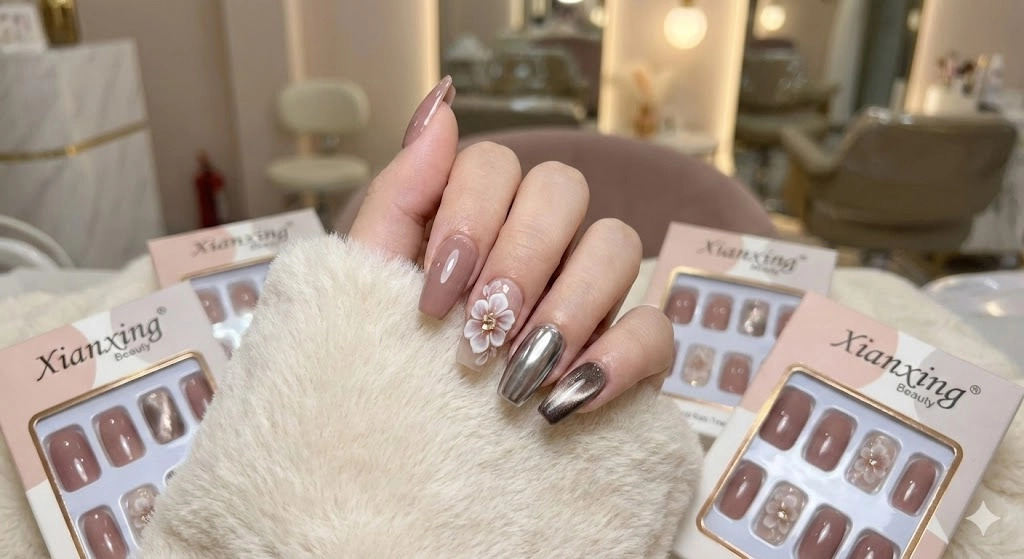
7 Red Flags to Avoid When Selecting a Wholesale Press On Nails Manufacturer
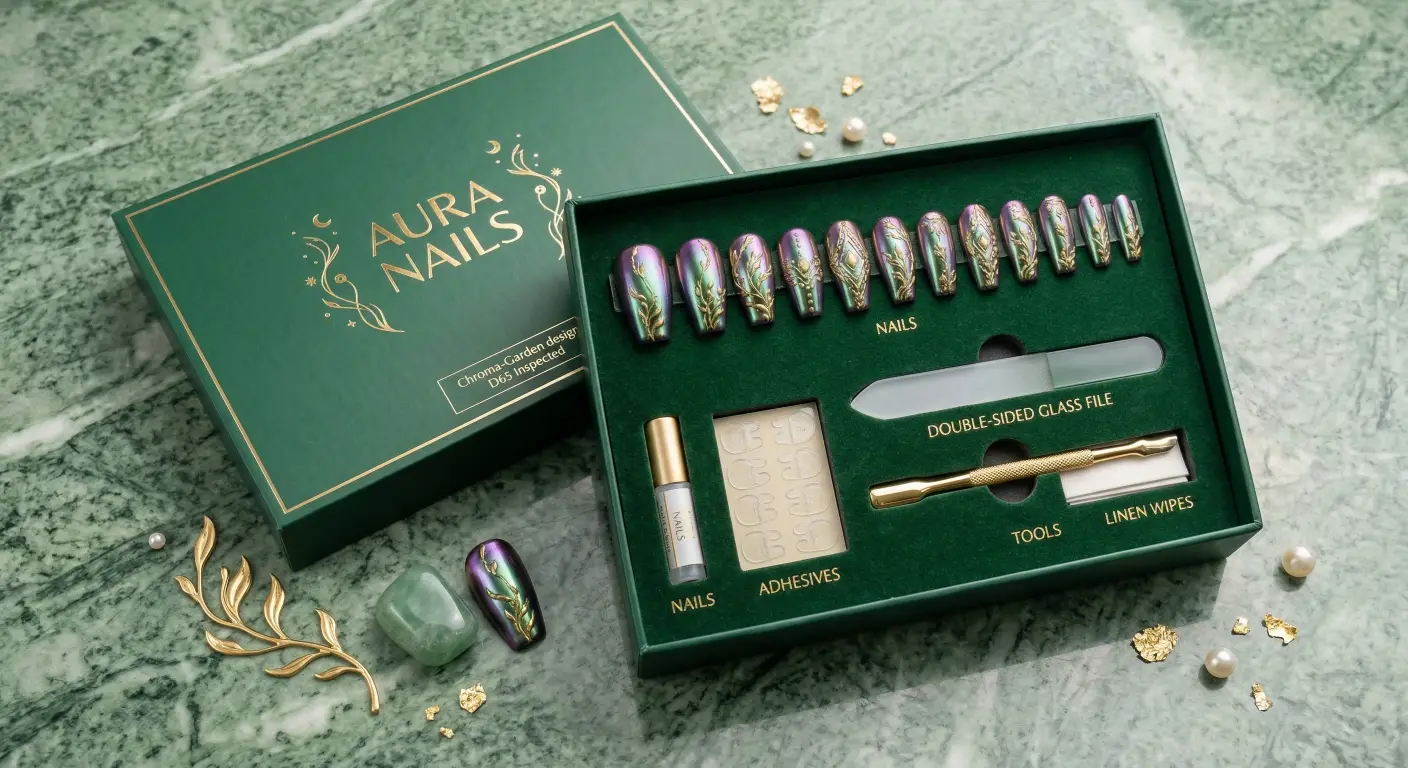
Quality Control: What to Expect from a Top-Tier Wholesale Press On Nails Manufacturer
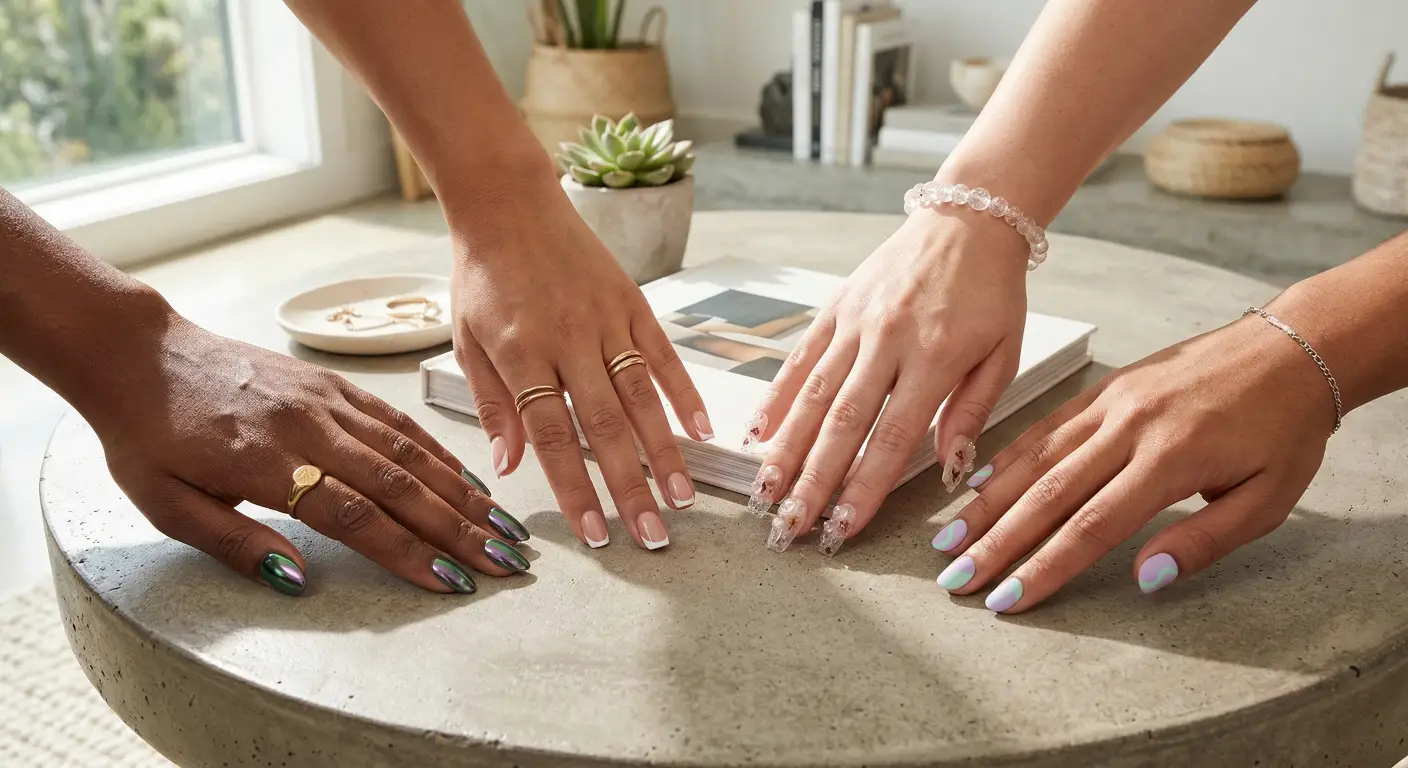
The Ultimate Guide to Choosing the Best Wholesale Press On Nails Manufacturer in 2026
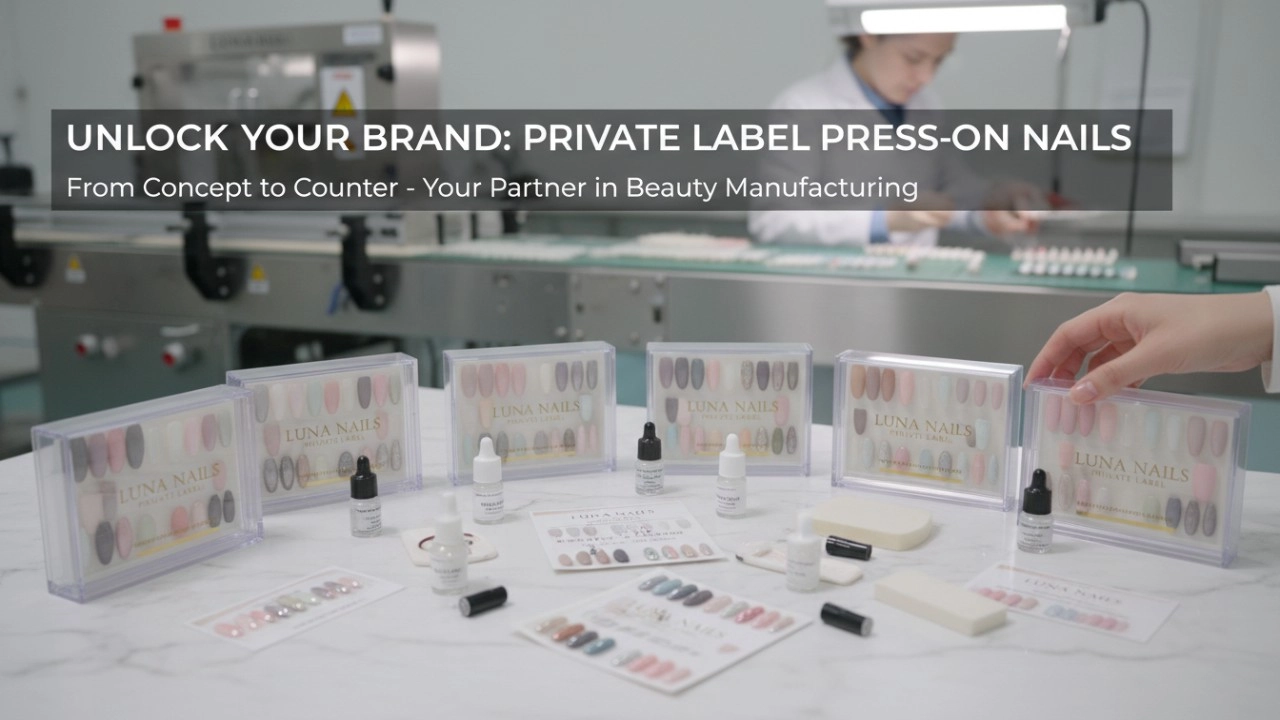
How to Scale Your Beauty Brand: Why Private Label Press On Nails Are the Highest-Margin Entry Point in 2026
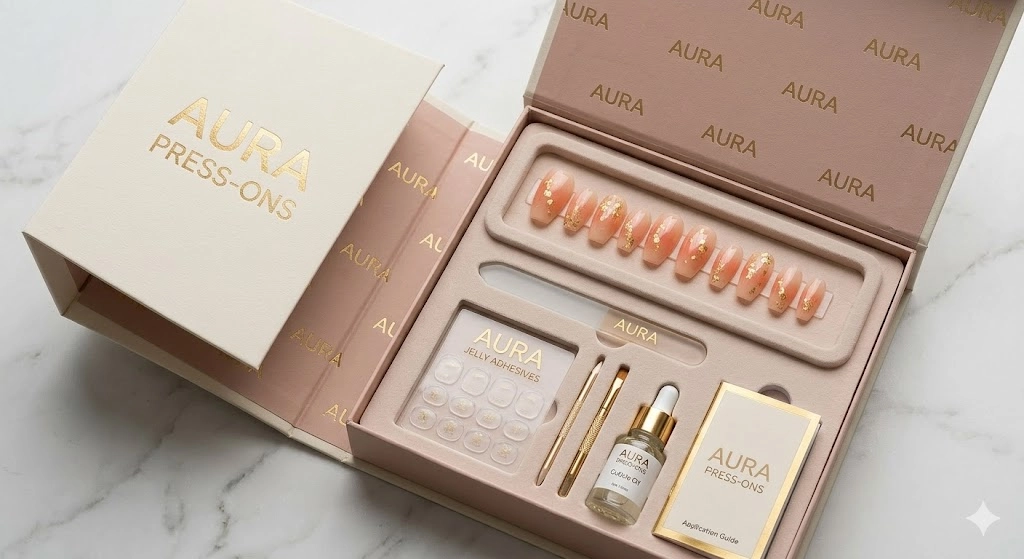
Why Partnering with Professional Press On Nails Manufacturers Boosts Your Brand Growth
About after-sale service
The colors don’t match the photos I saw.
While we strive to match colors as closely as possible to the pantone color, exact matches can be challenging due to differences between physical products and digital displays.
Brand Client
Can you assist in designing brand Logos and packaging?
Yes, our design team can provide Logo and packaging design support according to your brand requirements to help create a market-compatible brand image.
Drying Nail Glue
How can I make press-on nails last longer?
10 Proper prep: Clean your nails well before applying.
2. Avoid moisture: Try to keep your nails dry for the first few hours after application.
3. Reinforce the glue: For extra hold, you can apply a small amount of glue to both your natural nail and the press-on nail.
4. Use a topcoat: Applying a clear topcoat can help protect the nails and glue bond.
How much glue should I use for press-on nails?
Wholesaler Distributor
What is the minimum order quantity?
The minimum order quantity of different products will vary. Generally speaking, we will determine a reasonable minimum order quantity according to the product type and production requirements. In the cooperation negotiation, we can adjust according to your actual situation.
Recycled ABS Nails
How safe is the ABS material?
The ABS material itself is non-toxic and harmless to human health. It is suitable for all kinds of people including pregnant women and children.
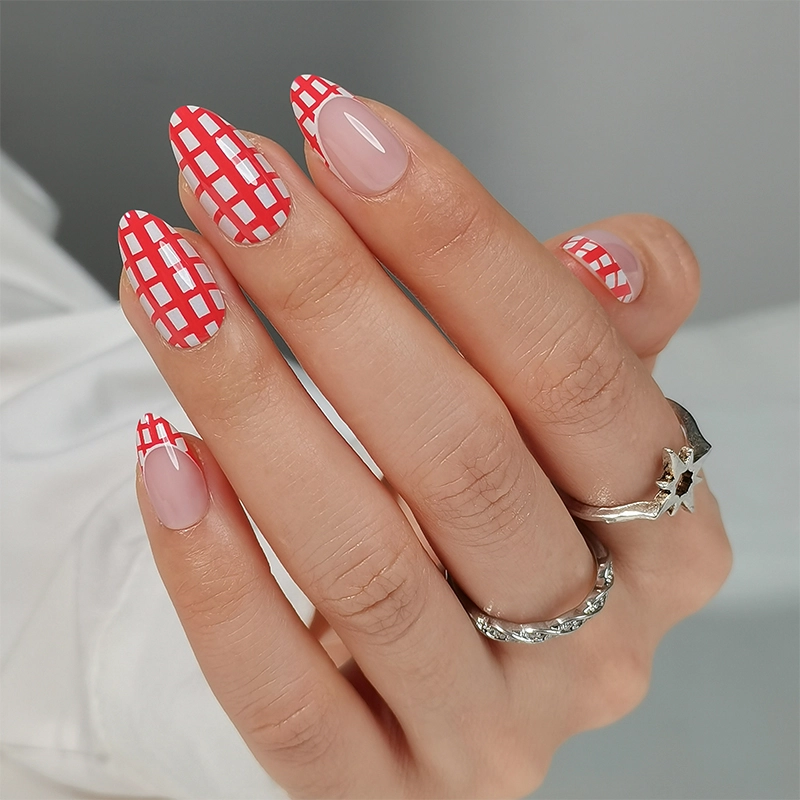
Wholesales Red French Nails Tips Checkered Soft Gel Nail Tips 32 Piece Set
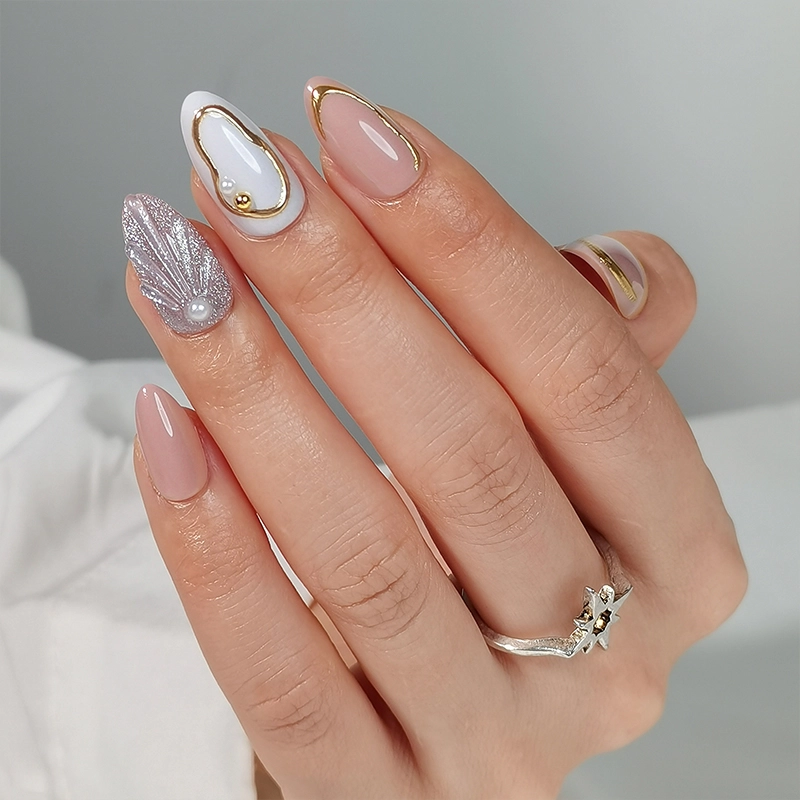
Wholesales Elegant Shell Inspired Soft Gel Wearable Nails for Seasonal Celebrations
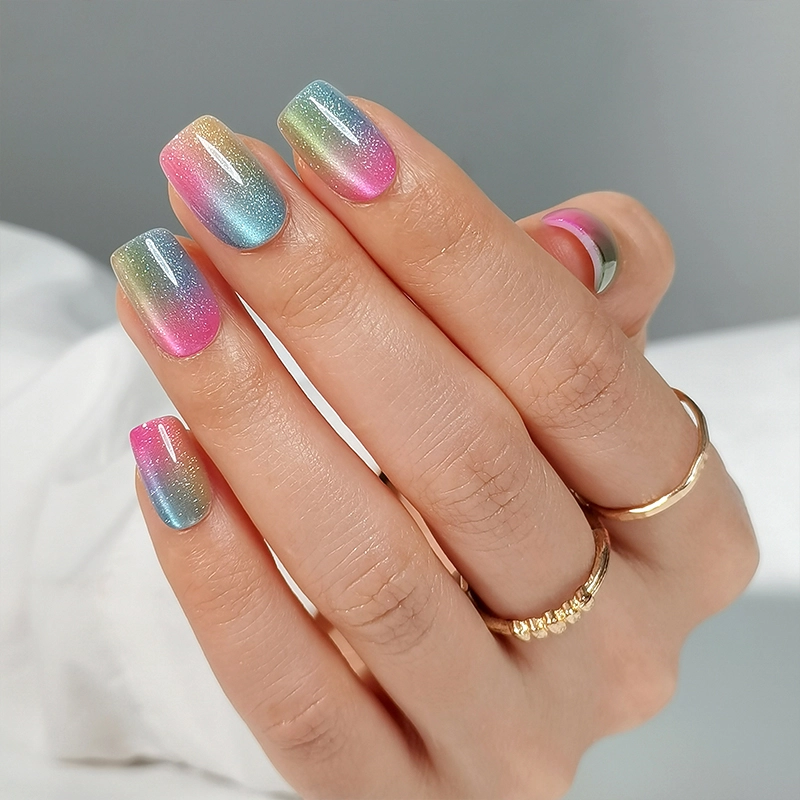
Custom Wholesale Gradient Cat Eye Soft Gel Wearable Fake Nails
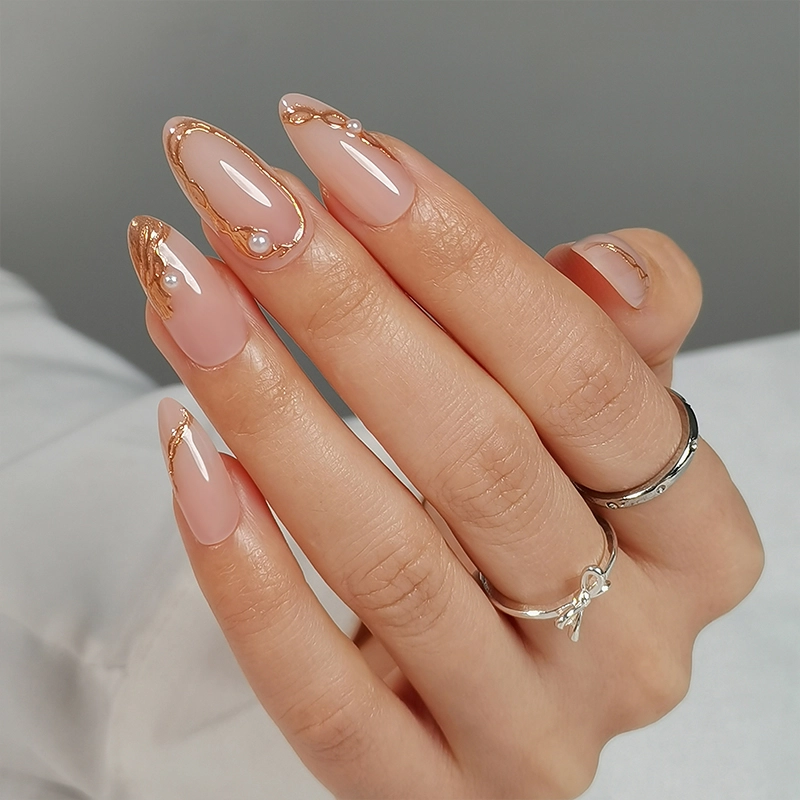
Wholesales Luxury Rhinestone Handmade Private Label Press On Nails Art Tips
Contact us
If you have press on nails products or customization needs, please feel free to contact from
below or via the contact information provided, we'll get back to you promptly within 24 hours.
By clicking 'Send Inquiry Now' I agree to XIANXING BEAUTY processing my personal data.
To see how to withdraw your consent, how to control your personal data and how we process it, please see our Privacy Policy and Terms of use.
Copyright © 2025 - XIANXING BEAUTY All Rights Reserved. Sitemap
Facebook
YouTube
Instagram
LinkedIn