
How to brand custom press on nails to attract buyers?
- 1) What is a realistic MOQ and per-design cost structure for small-batch custom press-on nails to stay profitable?
- 2) How should I specify nail sizing templates and fit to reduce returns across different markets?
- 3) What material and adhesive specifications should I require to ensure durability, comfort, and minimal allergic reactions?
- 4) How to prepare artwork and color-matching briefs for multi-layer chrome, foil, and gradient effects so what you see is what you get?
- 5) Which packaging and labeling choices most influence perceived value and reduce damage during global shipping?
- 6) How to implement quality control, sampling, and third-party testing during production to avoid large-scale defects?
- Quick procurement-ready checklist
- Xianxing Beauty — Why partner with us
How to start Custom Press on Nails — Deep Buyer FAQs and Procurement Guide
If you're researching How to start Custom Press on Nails and how to brand them to attract buyers, this article answers six specific, under-addressed questions procurement teams and small brands constantly face. Each question includes vendor-ready specs, acceptance criteria, and practical checklists so you can order reliably and scale with fewer surprises.
1) What is a realistic MOQ and per-design cost structure for small-batch custom press-on nails to stay profitable?
Pain point: Many brands get surprise costs (tooling, packaging, printing) that blow up margins on small runs. Instead of vague answers, use the following approach to calculate break-even and set a realistic MOQ.
- Common industry norms: many OEMs accept custom press-on nail orders starting around 300–500 sets per design when using standard packaging and existing molds; fully bespoke molds or custom full-color printed boxes generally push MOQ to 1,000+ sets. Expect exceptions: some factories will do smaller pilot runs with a surcharge.
- Cost buckets to request from suppliers (ask for line-item quotes):
- Sample preparation (flat fee): physical prototype and shipping.
- Per-set manufacturing cost: includes nail forming, polish/topcoat/foil application, glue application (pre-glued or adhesive pad), and basic packing.
- Artwork/setup/printing fee: when using custom printing or pressing/transfer foil/3D mold textures.
- Packaging cost per unit: inner tray, blister, box, inserts, UPC/barcode labeling, shrink-wrap.
- QA/inspection and testing fees (AQL inspection, lab tests if requested).
- Freight and duties (air vs. sea) — ask for FOB/CIF breakdown.
- How to calculate target MOQ:
- Set your target wholesale or retail price.
- Subtract desired margin and shipping/fulfillment costs.
- Use supplier per-unit quote to compute how many units you need to hit target margin — if tooling/setup fees are high, push MOQ until per-unit cost drops enough to meet target margin.
- Negotiation levers: consolidate SKUs (fewer colors/designs per production run), choose standard packaging, accept slightly longer lead times, or agree to roll a second design to reach supplier’s preferred volume.
2) How should I specify nail sizing templates and fit to reduce returns across different markets?
Pain point: High return rates because nails don’t fit different finger shapes or nail bed widths. Avoid subjective size charts — use objective templates and a sampling protocol.
- Standard full-set configuration: most full-sets are 20 nails (10 sizes with two identical nails per size). Request the supplier provide the 10-size template as a vector or PDF with exact width in mm for each size.
- Template specs to request:
- Measure widths at the widest point (in mm) and provide lengths for short/medium/long options.
- Provide side-curve radius and base cutout measurement (to ensure proper fit to cuticle area).
- Thickness at apex (typical 0.4–0.8 mm) and flex point location.
- Sampling protocol: ask for a physical sample sizing strip (10 sizes printed/formed on one card) so you can test fit on a variety of volunteers or use a digital 3D mockup. Approve sizing in writing before mass production.
- Return-reduction practices:
- Include a sizing guide (mm widths) on product pages and packaging.
- Offer two fit systems — pre-shaped (for natural nails) and extended curve (for deeper nail beds) — and state which one customers are buying.
- Provide clear removal and prep instructions to avoid perceived poor adhesion.
3) What material and adhesive specifications should I require to ensure durability, comfort, and minimal allergic reactions?
Pain point: Customers complain of lifting, breakage, or skin irritation. Materials and adhesives are the most frequent root causes; suppliers often use ambiguous terms like “skin-safe.” Ask for precise specs and test reports.
- Base materials:
- ABS (acrylonitrile butadiene styrene) is the industry standard for reusable press-on nails — sturdy, flexible and holds polish/UV coatings reliably.
- Thickness: specify 0.4–0.8 mm depending on target market (thinner for flexible wear, thicker for long-lasting sculpted looks). Call out apex thickness if you need strength in the middle.
- Finish options: glossy UV topcoat, semi-matte, full-gel finish — request coating formulation and UV-cure parameters if relevant.
- Adhesives:
- Two product choices: nail glue (ethyl cyanoacrylate) sold separately; or factory-applied PSA (pressure-sensitive adhesive) tabs/pre-glue. For pre-glued sets, request MSDS and adhesive type (acrylic-based PSA or hot-melt), and average adhesive layer thickness.
- Ask supplier for peel strength data (initial tack and shear) and typical wear duration (e.g., 7–14 days under normal use) based on their internal testing.
- Allergy precautions: request vendor to disclose major allergenic monomers (eg. HEMA/methacrylates). If targeting eczema/allergy-conscious customers, require hypoallergenic adhesive formulations and skin patch test results.
- Testing and documentation to ask for:
- Raw material declarations and MSDS for polymers and adhesives.
- Biocompatibility/skin irritation test reports (third-party) if claiming “dermatologist tested.”
- Adhesion test results and example wear-test protocols and sample photos/videos.
4) How to prepare artwork and color-matching briefs for multi-layer chrome, foil, and gradient effects so what you see is what you get?
Pain point: Digital mockups look great, but factory prints come out dull, misaligned, or with color shifts — especially with chrome and metallic foils. Give factories production-ready assets and accept realistic constraints.
- File formats and essentials:
- Provide vector EPS/AI files for line art and vector elements. For raster images, supply 300 DPI TIFF/PSD at final printed size with layers flattened or named clearly.
- Include a clear bleed (2–3 mm) and show cut lines on a separate layer. Label nail orientation and which size each pattern applies to.
- Use pantone references for critical brand colors; ask for printed physical color proofs (hardproof) before bulk production.
- Complex finishes (chrome, holographic foil, gradient):
- Chromes and holographic foils are typically applied via specialized processes (chrome powder rubbed over cured gel coat, or transfer foils heat-pressed). These processes have a narrower color gamut than digital prints—expect differences under direct vs. indirect light.
- Request a technical sample (process sample) using the final finish method. Approve the physical process sample rather than a digital mockup.
- For gradients and multi-layer effects, ask the factory for process notes (number of coats, cure times, masking steps) and potential registration tolerances (e.g., +/- 0.5–1.0 mm alignment tolerance).
- Quality checkpoints: sign-off on a pre-production physical sample (PP sample) with photos from multiple light angles. Record Pantone or L*a*b* readings for brand-critical colors and include those in the purchase order.
5) Which packaging and labeling choices most influence perceived value and reduce damage during global shipping?
Pain point: Cheap-looking packaging reduces conversion; poor inner protection increases returns due to scuffs. Packaging must protect, present, and comply with marketplace rules.
- Protection hierarchy:
- Primary: tray or blister that holds nails flat and keeps the top surface from rubbing (clear PET or paper tray).
- Secondary: printed box (rigid or folding carton) with tuck-in closure or magnetic box for High Quality markets.
- Transit: master cartons with suitable dividers and bubble/void-fill to avoid shifting.
- Presentation tips that increase perceived value:
- Include a branded insert with application/removal instructions and a QR code linking to a how-to video.
- Use soft-touch lamination, spot UV, or foil-stamping selectively on the cover for a High Quality look while keeping costs down.
- For direct-to-consumer, a resealable pouch or window box can increase repeat buys and unboxing shareability on social media.
- Regulatory and marketplace labeling:
- Include ingredient/adhesive disclosure on packaging or in insert if required in your market. Some marketplaces (Amazon, Etsy) have specific requirements for cosmetic claims and product labeling — verify before printing high-volume packaging.
- Include batch code, production date, and contact information (this simplifies returns and traceability).
- Practical specs to request from supplier:
- Tray inner dimensions that match nail curvature to avoid pressure points.
- Box strength (ECT rating) for sea freight pallets if shipping in bulk.
- Sample pack options (window vs. opaque) and unit pack weight/dimensions for shipping calculations.
6) How to implement quality control, sampling, and third-party testing during production to avoid large-scale defects?
Pain point: Defects discovered post-shipment can cost more than the product value in returns, reputational damage, and lost marketplace privileges. Make QC part of the PO and budget.
- Inspection plan to include in the purchase order:
- Pre-production check: verify approved PP sample, materials, and artwork before batch starts.
- During-production (DUPRO) check at 30–50% completion to catch process drift (coating, color shift, or adhesive issues).
- Final random inspection (FRI) against agreed acceptance criteria (AQL).
- AQL and defect classification:
- Use standard AQL single-sampling plans (AQL 2.5 for major defects; AQL 4.0 for minor) — request a written sampling plan from the supplier or third-party inspector (e.g., SGS, Bureau Veritas).
- Define defect classes clearly in the contract: Major (wrong size, adhesion failure, missing items), Minor (small scuff, slight color variation), Critical (hazardous contamination, allergen mislabeling).
- Test types to request or run on samples:
- Adhesion and wear test: simulated wear for 7–14 days or accelerated rub tests with recorded results.
- Flex/bend test: press nail at apex and sides to simulate application stress (no cracking).
- Coating adhesion/crosshatch test for printed or chrome finishes.
- Visual inspection under consistent lighting (5,000 K lightbox) and magnification for micro-bubbles or peeling.
- Third-party testing and documentation:
- Ask for independent lab reports if you claim dermatological safety or hypoallergenic adhesives.
- Require MSDS for adhesives and coatings and include a clause that the supplier must notify you if formulations change.
- Practical QA additions: request photographic evidence of batches, maintain lot tracking, and reserve the right to random post-shipment checks. Include a remedies clause in the contract (rework, replacement, or credit) for batches failing agreed tests.
Quick procurement-ready checklist
- Obtain PP sample and a process sample for every new finish (chrome, foil, holographic).
- Collect MSDS for adhesives and topcoats; request skin irritation/biocompatibility reports if making sensitive-skin claims.
- Agree clear MOQ, per-unit cost, and packaging costs in the PO; include lead times for samples and production (samples: 7–14 days; production: 15–30 days typical depending on volume and finish complexity).
- Include AQL plan and acceptance criteria in the contract and specify remedies for non-conformance.
- Pre-define artwork formats (AI/EPS and 300 DPI raster), Pantone targets, and provide signed approval for color and size samples.
Branding to attract buyers: packaging, consistent sizing, and reliable finishes are the baseline. Differentiate with clear fit guides, fast fulfillment, high-quality process samples on product pages, social-proof tutorials, and a High Quality unboxing experience (insert, QR-guides). Align claims (e.g., 7–10 days wear) with supplier test results — transparency builds trust and repeat purchases.
Final note on How to start Custom Press on Nails: approach suppliers as partners — invest in a validated PP sample and a short pilot order to reduce risk. Use the checklists above in your RFQ/PO so suppliers quote real, all-in costs and timelines.
Xianxing Beauty — Why partner with us
Xianxing Beauty has years of experience producing custom press-on nails for global DTC and retail brands. We offer clear MOQ tiers (flexible pilot runs), in-house finishing (chrome and foil), pre-glued and non-glued options, and a formal QA process with AQL inspection. Our team provides artwork preflight, Pantone/Lab color checks, and can arrange third-party testing when required. We also support custom packaging and small-batch personalization to help new brands enter the market faster with lower risk.
Contact us for a customized sourcing plan and pricing. Visit www.xianxingbeauty.com or email [email protected] to request a quote.
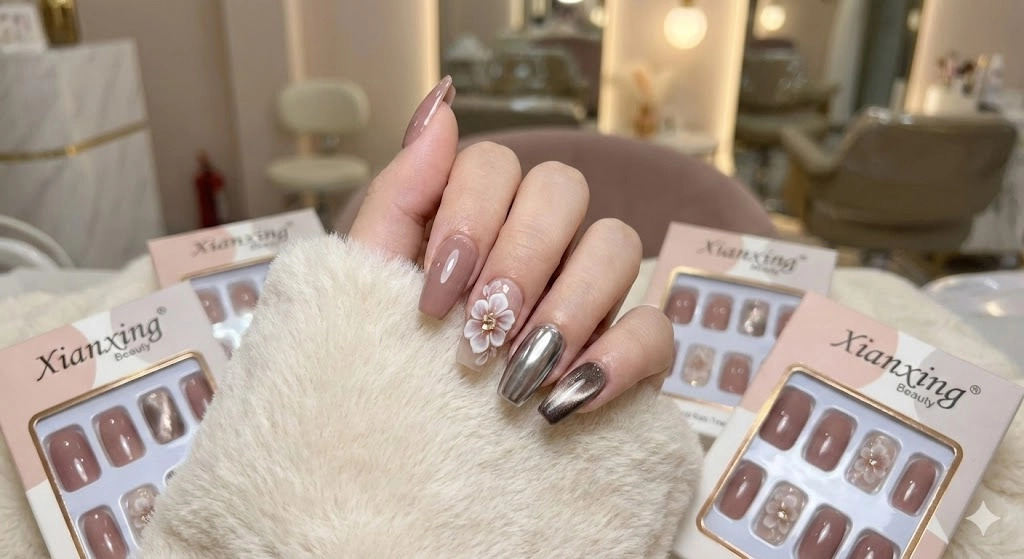
7 Red Flags to Avoid When Selecting a Wholesale Press On Nails Manufacturer
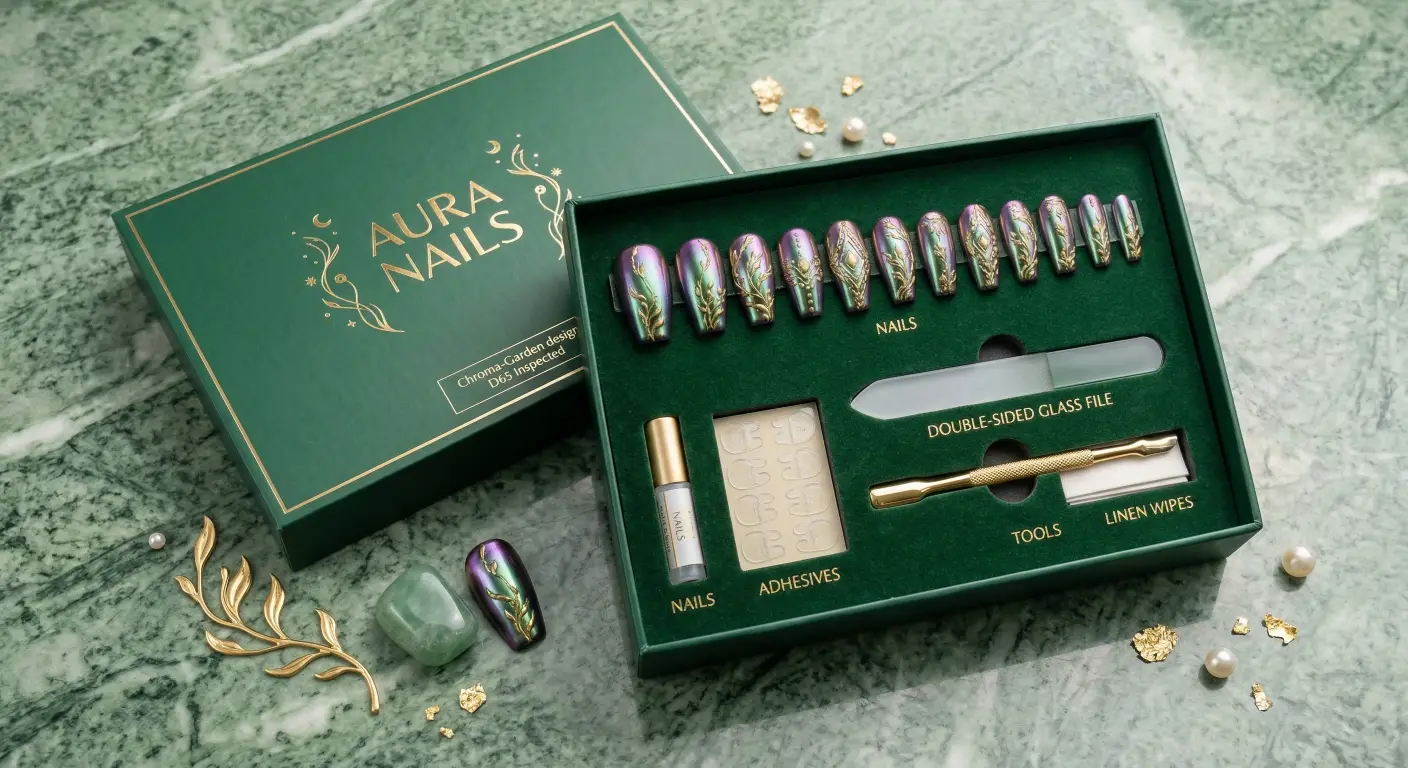
Quality Control: What to Expect from a Top-Tier Wholesale Press On Nails Manufacturer
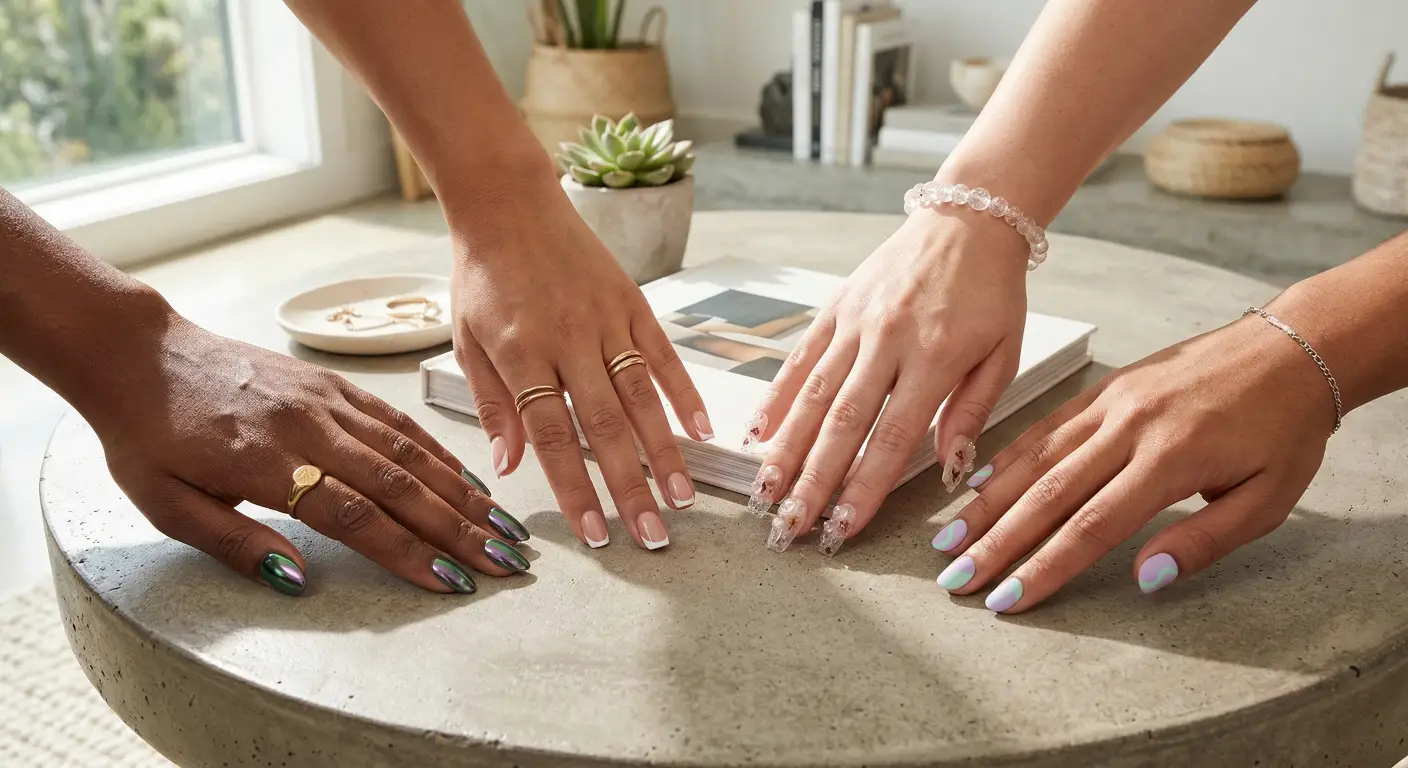
The Ultimate Guide to Choosing the Best Wholesale Press On Nails Manufacturer in 2026
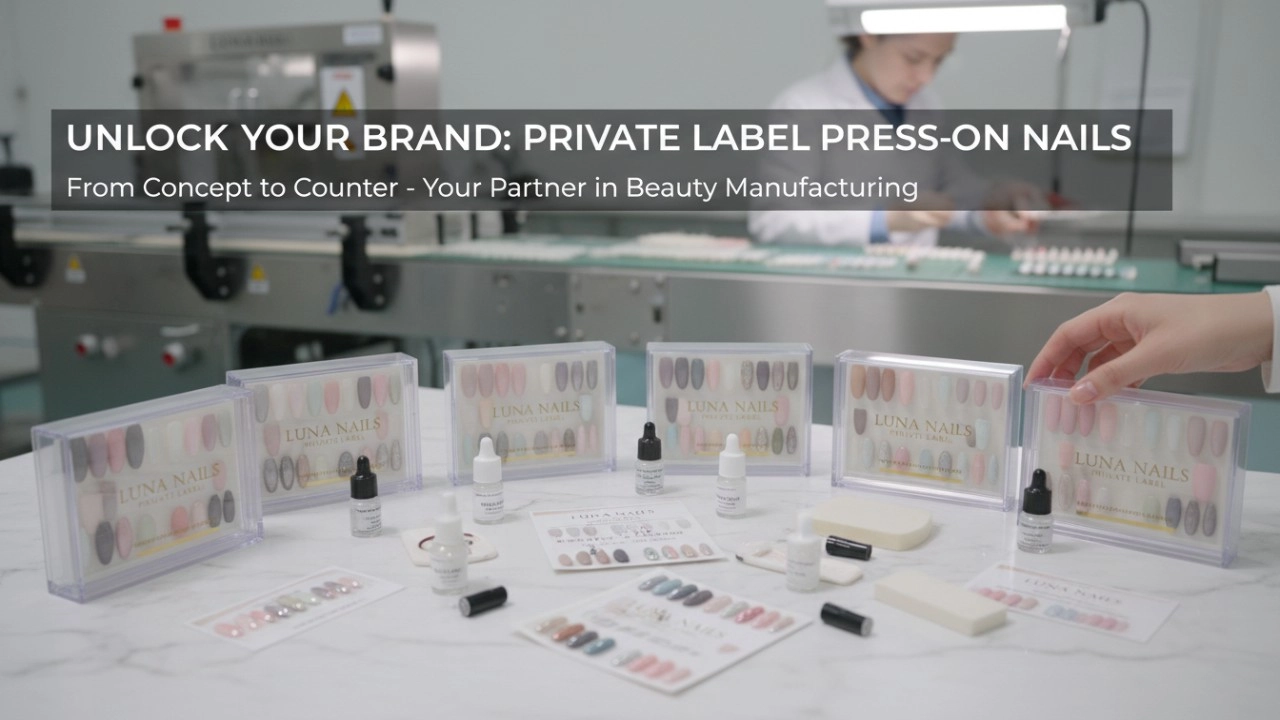
How to Scale Your Beauty Brand: Why Private Label Press On Nails Are the Highest-Margin Entry Point in 2026
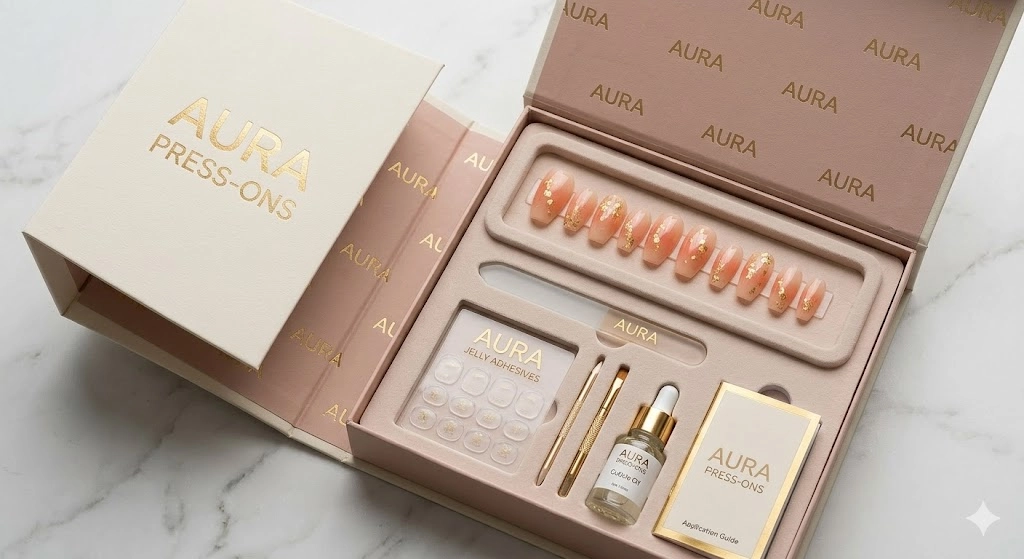
Why Partnering with Professional Press On Nails Manufacturers Boosts Your Brand Growth
Supermarket chains
Are the production equipment advanced and regularly maintained?
Yes, we have the most advanced equipment of the press on nails
Remove armor
Are remover pads better than liquid removers?
It depends on preference. Remover pads are convenient for quick, no-mess use, while liquid removers offer more control and can be customized (using a cotton ball or pad of choice).
Factory Strength
What is your shortest delivery time?
Our shortest delivery time is 15-30 days, depending on order quantity and customization requirements.
Wholesaler Distributor
What is the update frequency of your products?
We have a professional design team that always pays attention to the trends in the nail art industry and can respond quickly to market changes. The update frequency of our products is relatively high, and we will continuously introduce new products according to the trends and customer requirements.
Soft Gel Nails
Why should I choose soft gel press-on nails over acrylic or traditional gel nails?
Soft gel press-on nails are:
· Quick and easy to apply and remove.
· Less damaging to natural nails.
· More affordable than salon treatments.
· Available in diverse styles for instant, salon-quality results at home.
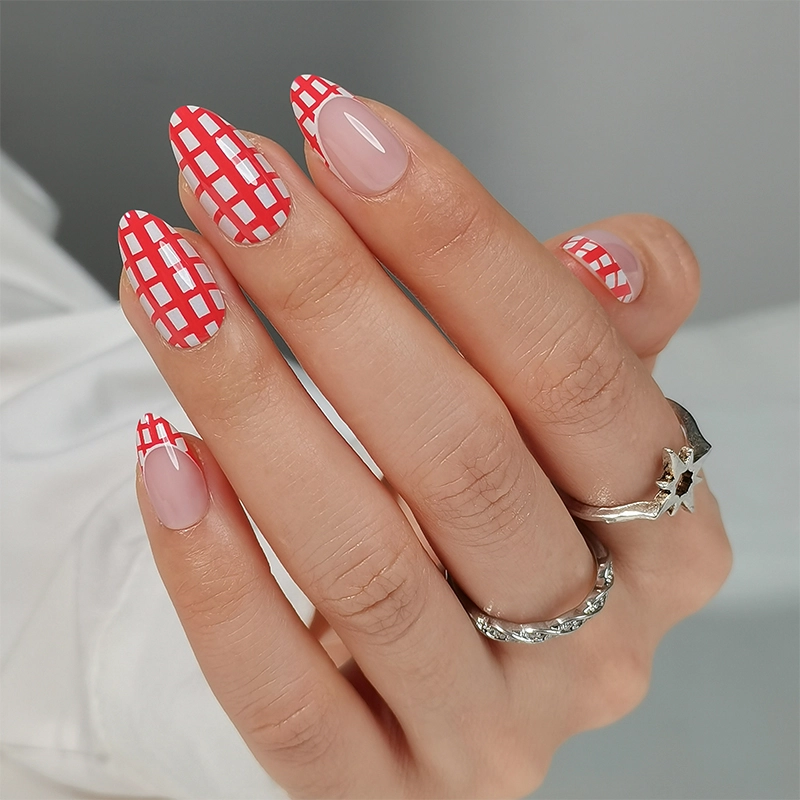
Wholesales Red French Nails Tips Checkered Soft Gel Nail Tips 32 Piece Set
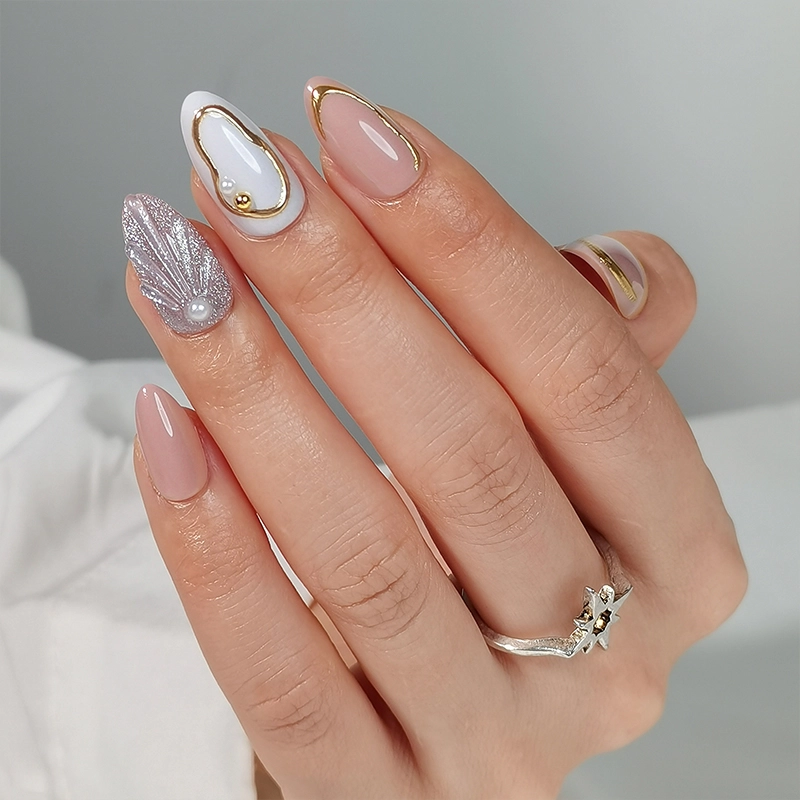
Wholesales Elegant Shell Inspired Soft Gel Wearable Nails for Seasonal Celebrations
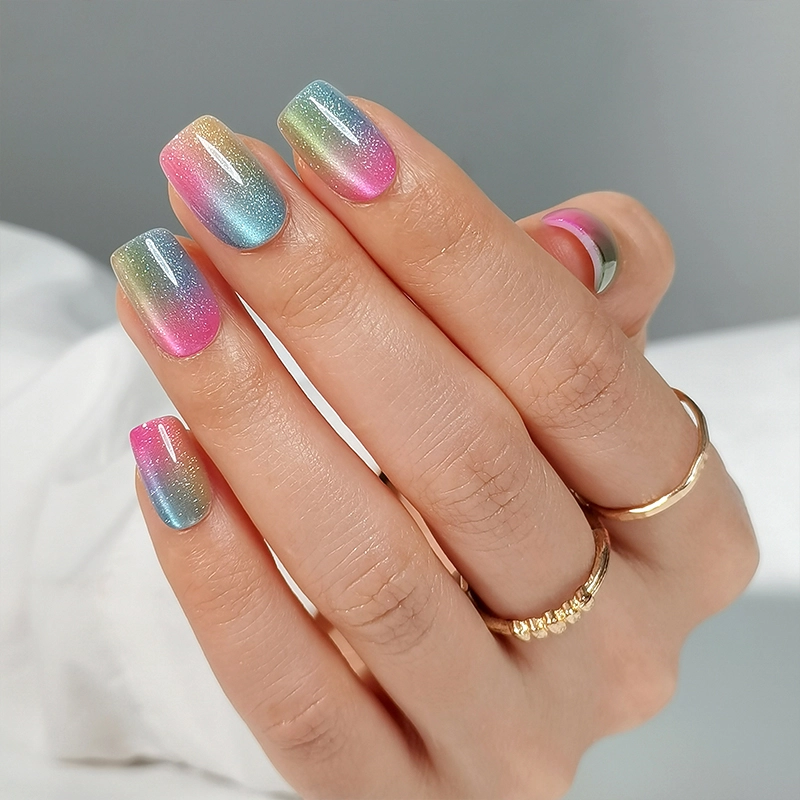
Custom Wholesale Gradient Cat Eye Soft Gel Wearable Fake Nails
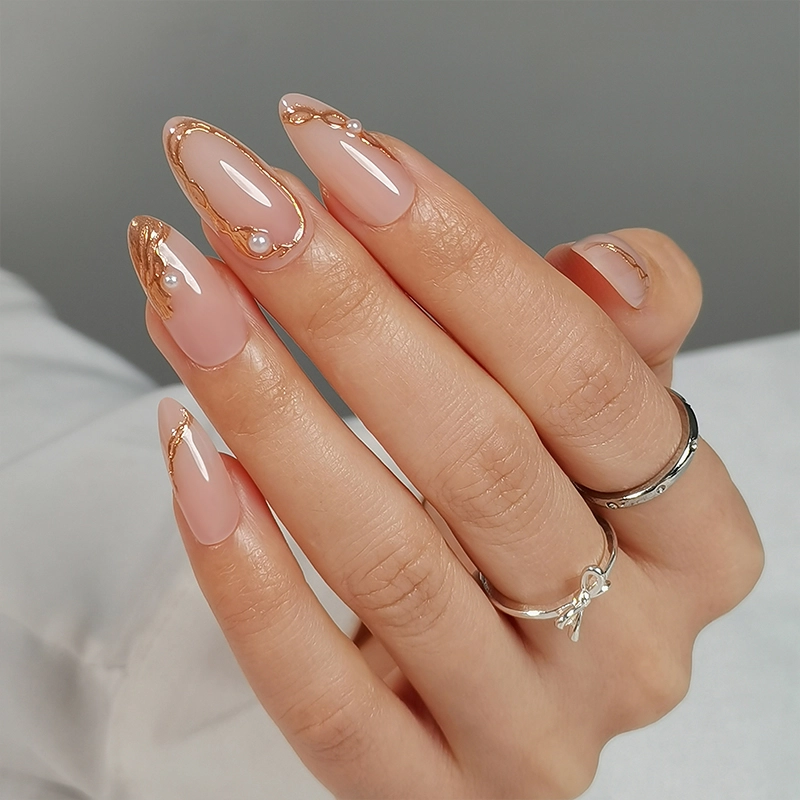
Wholesales Luxury Rhinestone Handmade Private Label Press On Nails Art Tips
Contact us
If you have press on nails products or customization needs, please feel free to contact from
below or via the contact information provided, we'll get back to you promptly within 24 hours.
By clicking 'Send Inquiry Now' I agree to XIANXING BEAUTY processing my personal data.
To see how to withdraw your consent, how to control your personal data and how we process it, please see our Privacy Policy and Terms of use.
Copyright © 2025 - XIANXING BEAUTY All Rights Reserved. Sitemap
Facebook
YouTube
Instagram
LinkedIn