
How to market custom press on nails to salons and boutiques?
- 1. How to set a sizing system that dramatically lowers returns when selling custom press-on nails to salons?
- 2. How to verify adhesives and materials are salon-safe without paying for full lab panels?
- 3. How to scale production cost-effectively from handmade sets to 500+ monthly orders without sacrificing finish quality?
- 4. How to design salon-friendly packaging and refill systems that speed in-salon sales and reduce waste?
- 5. How to set wholesale pricing, MOQ and consignment terms so boutiques and salons say “yes” without eroding your margins?
- 6. How to market custom press on nails to salons and boutiques—B2B outreach that converts?
- Procurement checklist for buyers (what to ask suppliers before placing a bulk order)
- Quick legal & safety reminders for selling to salons and boutiques
1. How to set a sizing system that dramatically lowers returns when selling custom press-on nails to salons?
Answer:
- Why this matters: Mis-sized sets are the leading cause of returns and lost trust with salons—especially when salons buy multi-pack wholesale. Salons need consistent, predictable fit across clients to avoid waste and pushback from stylists.
- Practical solution (step-by-step):
- Adopt a 10–20 size range with clear numeric labels: create sizes that correspond to measurable nail widths in millimeters (e.g., size 0 = 6.0mm, size 1 = 6.5mm, ... size 9 = 12.0mm). Use a documented conversion chart for technicians. (Millimeter mapping avoids ambiguity between EU/US systems.)
- Provide 1 full sizing set (10–20 swatches) with every wholesale order or sales sample kit so salons can measure clients quickly. Include a printable measuring template for technicians.
- Offer a “salon starter pack” of 50 sets with a balanced size distribution based on salon client profiles. For general salons, a common balanced distribution is approx: 10% smallest sizes, 50% mid-sizes, 40% large sizes—adjust after first 60 retail sales.
- Record real sales-size frequency: require salons to scan or report the sizes used for the first 60 installs—this empirical feedback should be used to revise SKU mix for subsequent replenishment orders.
- QC and documentation:
- Provide exact width (mm), length (mm), and C-curve angle for each size in spec sheets.
- Print size numbers on the inside of sets and on outer packaging.
- Quick wins:
- Teach salons to measure the widest point of the natural nail plate and pick the press-on that matches or is 0.5mm larger for comfort.
- Offer one complementary re-size or exchange policy for first-time salon buyers to lower perceived purchase risk.
2. How to verify adhesives and materials are salon-safe without paying for full lab panels?
Answer:
- Why this matters: Salons are risk-averse; allergic reactions, lifting, or brittle pieces reflect poorly on both vendor and salon. Buyers ask for safety documentation but many small makers don’t have full third-party lab reports.
- Practical due diligence steps (actionable):
- Request supplier paperwork: Material Safety Data Sheets (MSDS) and Technical Data Sheets (TDS) for resins/acrylics and adhesives. Reputable manufacturers provide MSDS for each chemical component (resin, pigment, hardener, adhesive).
- Ask for a Certificate of Analysis (COA) for batches when possible. If not available, request a manufacturer’s declaration of composition.
- Perform on-site functional tests (low-cost):
- 72-hour wear test on 10 different clients (include oily and dry skin types) using both nail glue (cyanoacrylate) and glue tabs where applicable.
- Water-immersion and heat-cycling test: submerge sets in warm water (37–40°C) for 30 minutes daily for 7 days to check lifting and warping.
- Flex test: bend press-on at root to ensure it does not crack under normal flex loads.
- Allergy risk mitigation: include clear ingredient lists and recommend patch testing a small area on the client for 24–48 hours when using cyanoacrylate adhesives on sensitive clients.
- When to invest in lab testing: If selling to national chains or exporting to regulated markets (EU), budget for targeted tests—e.g., nickel release (if metal embellishments), formaldehyde content (rare in nail products), and microbiological safety for reusable packs. These tests can be done selectively rather than full panels to control cost.
- Documentation to provide salons: MSDS, short wear-test report, recommended application instructions, an allergy-warnings card and a suggested removal protocol.
3. How to scale production cost-effectively from handmade sets to 500+ monthly orders without sacrificing finish quality?
Answer:
- Why this matters: Beginners often either stay manual and cap growth or outsource too quickly and lose control of aesthetics.
- Production scaling roadmap:
- Map current process (time per set, labor cost, material cost, defect rate). Compute break-even point for investing in tooling.
- Small-scale automation options (45–200 sets/day capacity):
- Silicone molds + UV gel pour: easier to reproduce consistent shapes and C-curves.
- 3D printing masters (SLA) to create precise form masters—then create silicone molds for faster molding.
- Vacuum forming for thermoformed ABS press-ons—good for thin, ultra-smooth bases.
- Hybrid approach: keep hand-finishing (painting, embellishment) to maintain custom look while producing base shapes mechanically. This lowers per-set base cost while preserving brand aesthetics.
- Quality control steps to maintain finish:
- In-line QC after base molding (check curvature, thickness, edge smoothness).
- Dedicated finishing QC with magnification (5–10x) for paint/embellishment defects.
- Supplier partnerships: negotiate MOQs that ramp with volume—start with limited SKUs and broaden once reorder patterns stabilize.
- Cost controls and timelines:
- Calculate landed cost per set (materials + labor + packaging + adhesives + fulfillment) and set a target gross margin (B2B: 40–60% markup for salons; retail: keystone or 2–2.5x). Use these to price and decide when to invest in tooling.
- Typical lead time targets: 7–14 days for small-batch in-house runs, 21–45 days for new tooling/outsourced production. Plan inventory buffers of 4–6 weeks for wholesale buyers.
4. How to design salon-friendly packaging and refill systems that speed in-salon sales and reduce waste?
Answer:
- Why this matters: Salons value shelf-ready retail, fast open-and-apply kits, and minimal waste. Packaging influences perceived value and reorder velocity.
- Packaging and refill design checklist:
- Salon retail pack elements: outer retail sleeve with UPC/barcode, inner reusable jig tray that holds 10–20 sizes, clear size markings, adhesive tabs or single-use glue sachets, application/removal card.
- Refill philosophy: sell refills as size-specific trays (e.g., refill of the 10 most-used sizes) and offer bulk adhesive refills to reduce per-unit packaging.
- Display considerations: design a countertop display (holds 12–18 retail packs) and a hanging peg option. Include sample demo pieces on the display.
- Eco options: offer a ‘salon pro’ reusable retail sleeve program—salon returns cardboard sleeves when reordering and gets a small credit. This reduces waste and builds loyalty.
- Legal and labeling must-haves: ingredient list, warnings, manufacturer contact, batch number, and recommended storage conditions. For EU sales, ensure compliance with EU cosmetics labeling rules (ingredient INCI names) if applicable.
5. How to set wholesale pricing, MOQ and consignment terms so boutiques and salons say “yes” without eroding your margins?
Answer:
- Why this matters: Pricing mistakes kill early B2B relationships—too high and salons won’t try, too low and you can’t scale.
- Pricing framework (actionable):
- Target the salon’s business model: salons typically mark retail products up 2–2.5x retail price to consumers; your wholesale price should allow salons that margin while leaving you a viable wholesale gross margin (aim for 40–60% gross margin on your wholesale price).
- MOQ strategy: Start with low-risk starter MOQs (e.g., 10–25 retail packs or 20–50 units per SKU) for first-time salon buyers and tiered discounts for 50+ or 100+ reorder levels.
- Consignment terms: Offer a 30–60 day consignment trial with these rules: salon reports sales weekly, unsold items returnable after 60 days at the salon’s shipping cost, and a small setup fee to cover sample kits and POS materials. Use a simple inventory agreement template.
- Payment terms: Net 15 for established buyers, prepaid or credit card for new buyers. Offer a 3–5% discount for upfront prepaid 30+ pack orders.
- Sample policy: charge a refundable sample fee that is credited on first reorder. Include clear sample-return or swap rules.
- Example pricing math (template, not fixed numbers): If your landed production cost per pack = $6, aim for wholesale price $12–$15 (50–60% gross margin), letting salons retail at $24–$36.
6. How to market custom press on nails to salons and boutiques—B2B outreach that converts?
Answer:
- Why this matters: Many creators rely on Instagram DMs. Salons need business cases: product demo, margin, training, low-risk trial.
- 8-step B2B outreach system (practical):
- Build a focused prospect list: target independent salons and boutique retail stores within a 30–90 mile radius for early local penetration. Use trade directories, Instagram, and Google Maps.
- Create a Salon Starter Kit: 5 demo sets (popular styles), one full-size retail pack, adhesive samples, POS display sample, instruction/training sheet, and a one-page margin sheet showing salon markup examples.
- Lead email + sample offer (script):Subject: Local demo kit & trial terms forBody: Short intro, 1-line benefit (e.g., upsell quick retail with zero-install time), offer to drop a trial kit, clear CTA (book 10–15 minute visit).
- In-salon demo strategy: do 2–3 fast installs on real clients during slow hours, leave behind a printed one-page cheat-sheet for stylists and 2–3 extra samples for clients.
- Training & support: offer a 20–30 minute staff training (in-person or live ZOOM) and a short video on best-fit measurement, glue vs. glue-tab use, and removal.
- Promotional co-op: run a joint “press-on weekend” where the salon sells application add-ons and you provide signage and 10 free client samples for in-store trials.
- Digital B2B marketing: targeted LinkedIn outreach to salon owners, localized Facebook/Instagram ads offering a free trial kit with RSVP, and list-building via landing page for wholesale inquiries.
- Follow-up & measurement: track conversion rate from demo kits to orders; aim for a 20–30% conversion on first demos, and request feedback to iterate product mix.
- Negotiation tips: give small introductory deals (10–15% off first order with 60-day reorder target), but avoid open-ended consignment without signed inventory agreements.
Procurement checklist for buyers (what to ask suppliers before placing a bulk order)
Answer:
- Essential questions to suppliers:
- What materials are used for the nail base (ABS, acrylic, gel) and can you provide MSDS/TDS?
- What adhesives are included and what MSDS for adhesive chemistry? Are glue tabs medical-grade or consumer grade?
- What is your standard thickness and C-curve specifications in mm/degree? Can we customize?
- What are your MOQ, lead time, and typical defect rate (ppm or %)?
- Can you provide 3–5 sample sets and what is the sample lead time/cost?
- What finishing and edge-polish tolerances do you guarantee (visual/scratch tolerance)?
- Do you provide barcodes, retail-ready packaging, and POS displays?
- What are payment terms, credit terms, and return policies for damaged or non-conforming goods?
- On arrival QA checks to perform at receiving:
- Random sample wear test, visual inspection under 5–10x magnification, size verification with a caliper, packaging integrity check, and count accuracy.
Quick legal & safety reminders for selling to salons and boutiques
Answer:
- Labeling: Always include manufacturer contact, batch number, ingredient list (INCI if exporting to EU), and warnings for adhesives and removal.
- Allergens: Disclose cyanoacrylate and other high-sensitization ingredients; recommend patch tests on sensitive clients.
- Returns and liability: Use clear T&Cs that limit liability for misuse and require salons to follow provided application instructions. For larger accounts, use a simple wholesale agreement that covers warranties, returns, and dispute resolution.
Why Xianxing Beauty is the right partner
Xianxing Beauty combines 10+ years of product development in salon-grade nail solutions with scalable manufacturing, MSDS-backed materials, and a proven B2B onboarding system for salons and boutiques. We offer flexible MOQs, salon starter kits, customizable packaging, and clear safety documentation so retailers can confidently sell and upsell press-on nails. Our in-house QC and training support reduce returns and increase reorder velocity—helping partner salons grow retail revenue without operational friction.
Visit: www.xianxingbeauty.com | Email: [email protected]
Contact us to request a tailored wholesale quote and starter kit.
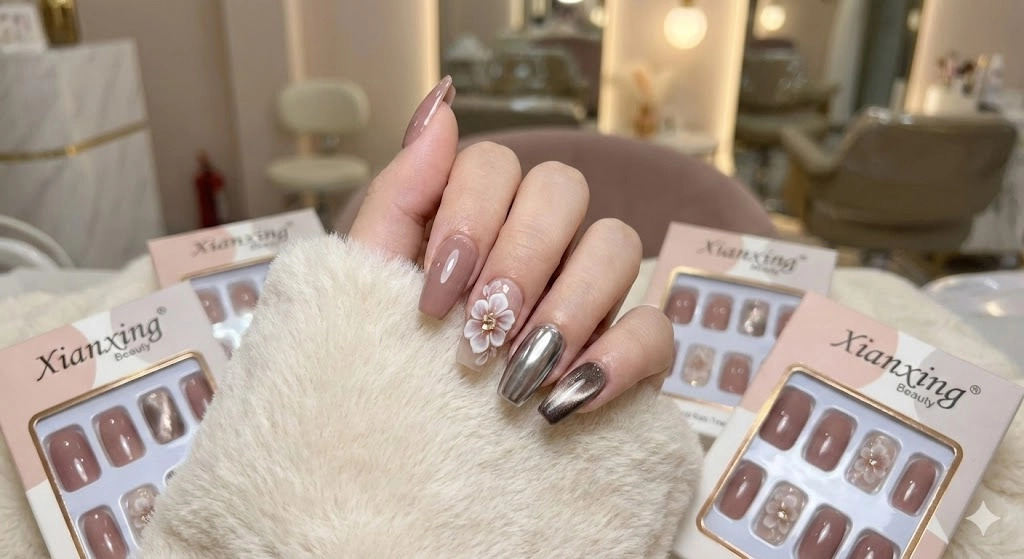
7 Red Flags to Avoid When Selecting a Wholesale Press On Nails Manufacturer
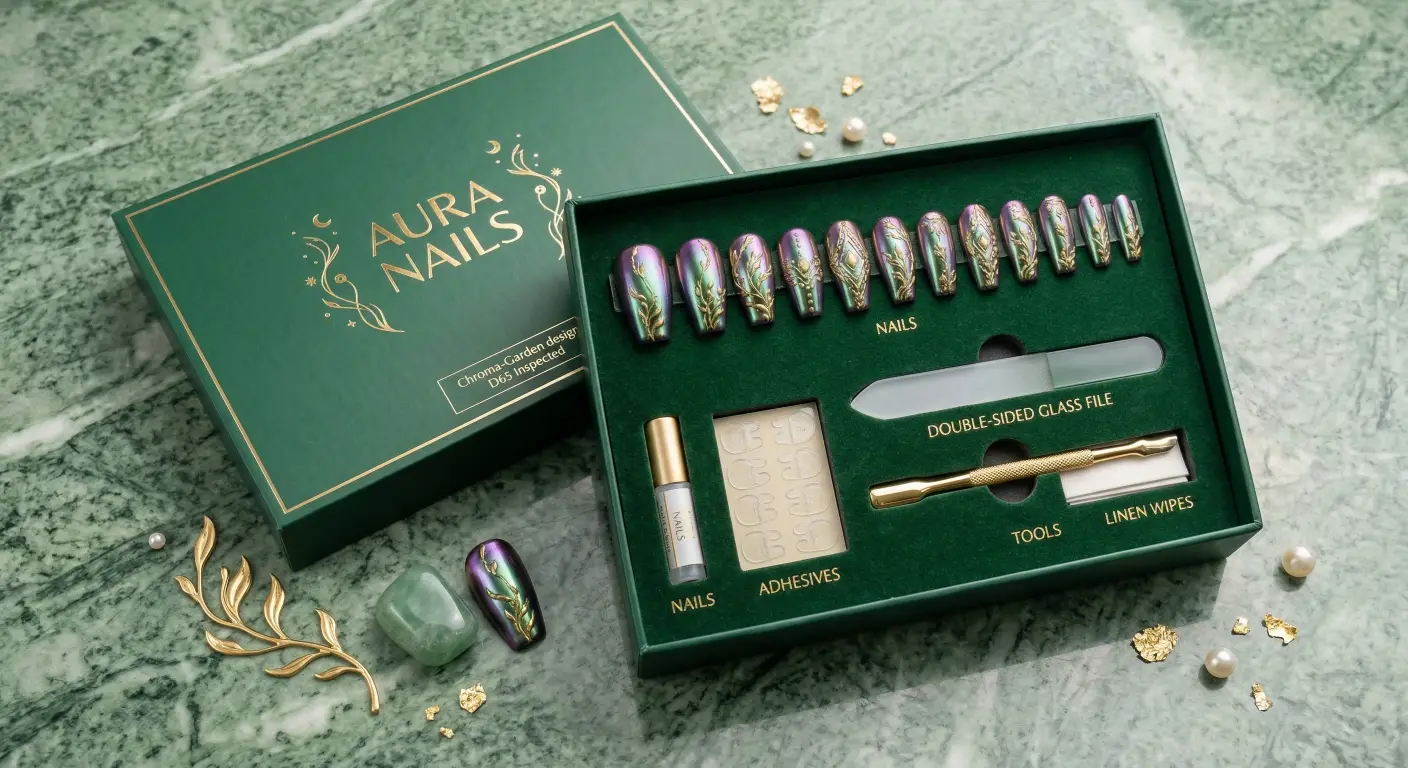
Quality Control: What to Expect from a Top-Tier Wholesale Press On Nails Manufacturer
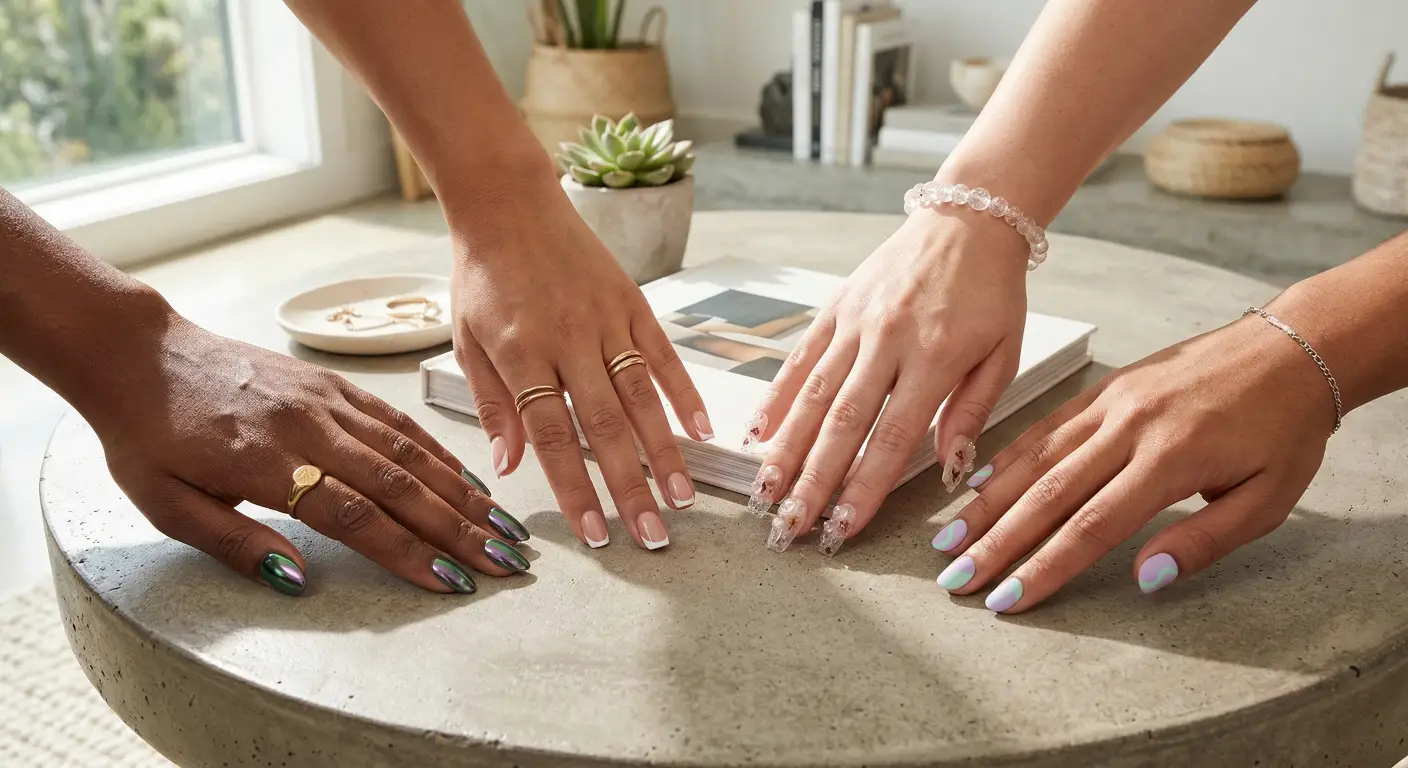
The Ultimate Guide to Choosing the Best Wholesale Press On Nails Manufacturer in 2026
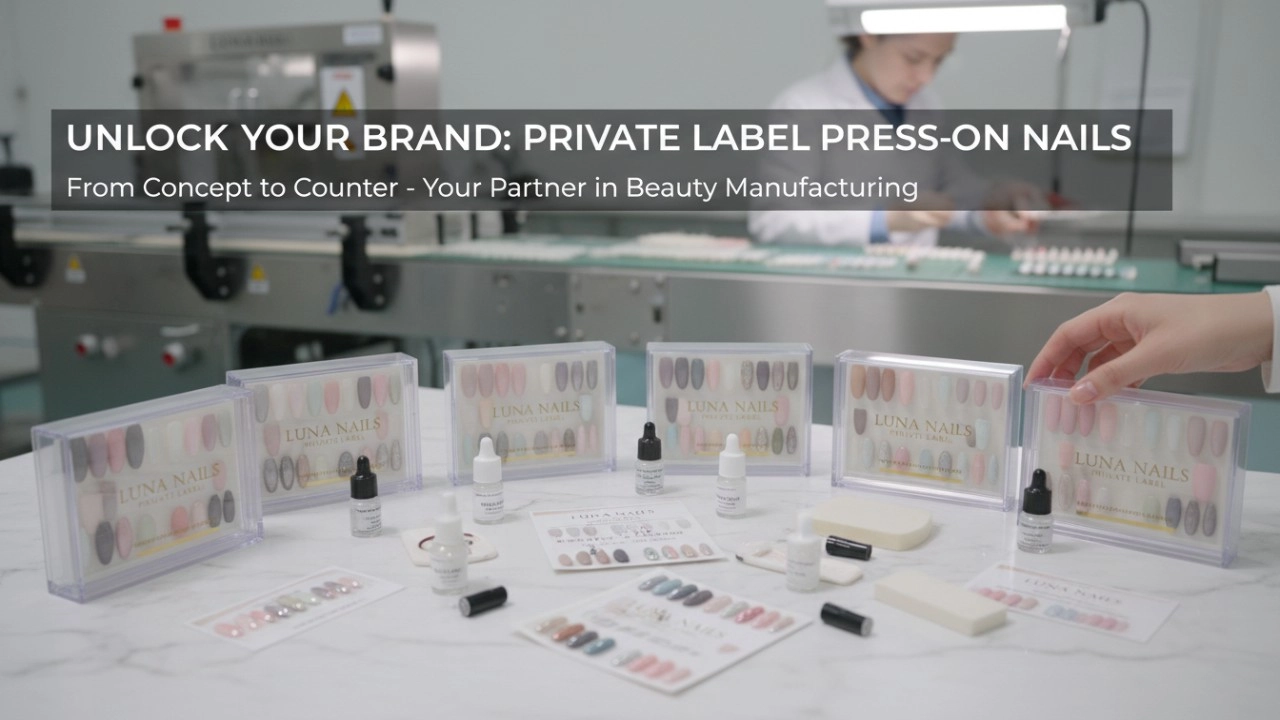
How to Scale Your Beauty Brand: Why Private Label Press On Nails Are the Highest-Margin Entry Point in 2026
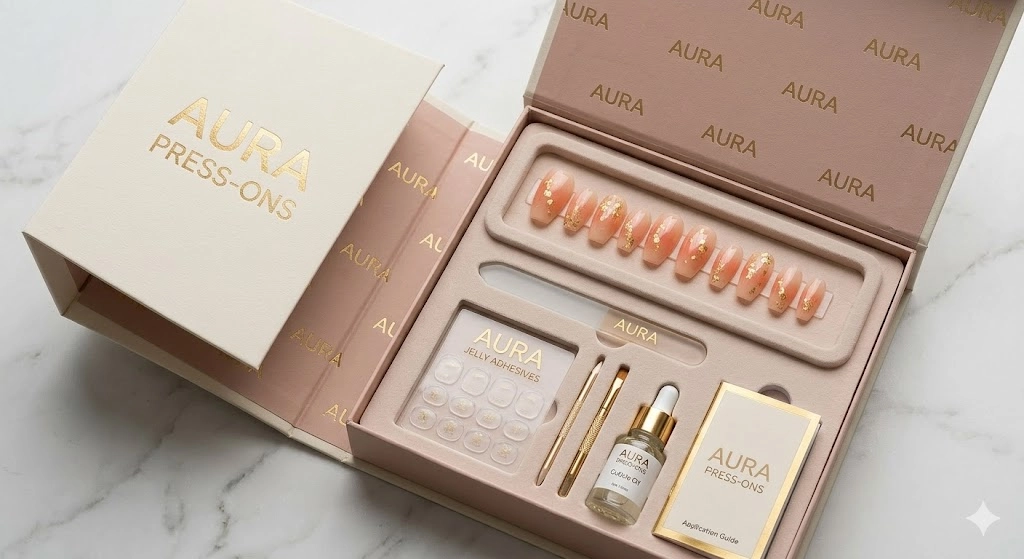
Why Partnering with Professional Press On Nails Manufacturers Boosts Your Brand Growth
About French Nails Tips
Do press-on nails damage natural nails?
When applied and removed properly, they should not damage your natural nails. Be sure to moisturize your nails and cuticles after removal.
About after-sale service
What should I do if there’s an issue with the products I received?
If you experience any false nails or package quality issues, please contact our after-sales team or your sales manager immediately. We’ll provide the best solution to address the problem.
About Product
Are your Nails safe, environmentally friendly and non-toxic?
Our false nails are eco-friendly, no animal testing, non-toxic.
Nail Dust Removal Brush
How do you use a nail dust cleaning brush?
Simply dip the brush into the dust after filing or buffing, then gently sweep the bristles over the nails and surrounding skin to remove any dust or debris. You can also use the brush to clean up the workstation.
Remove armor
Can remover pads be used for sensitive skin?
Yes, many remover pads are designed for sensitive skin, such as makeup wipes with soothing ingredients like aloe or micellar water. However, if you have allergies, always read the ingredient list.
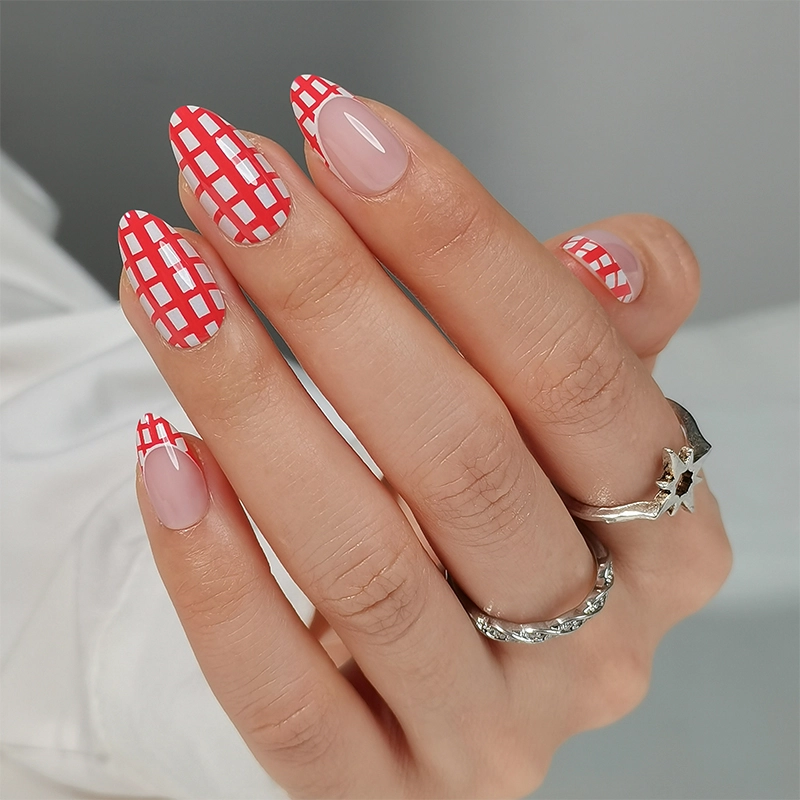
Wholesales Red French Nails Tips Checkered Soft Gel Nail Tips 32 Piece Set
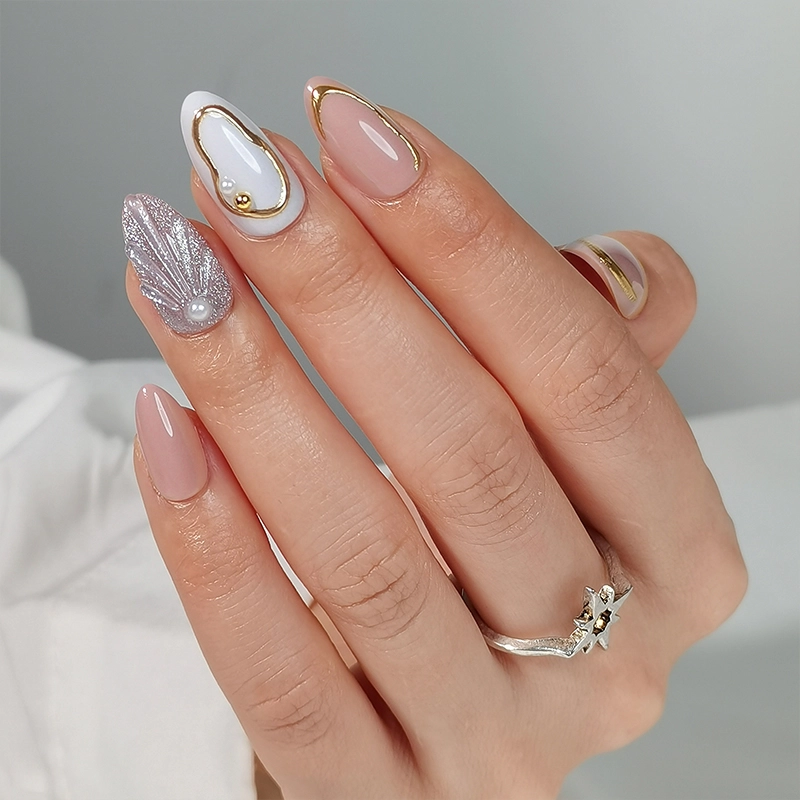
Wholesales Elegant Shell Inspired Soft Gel Wearable Nails for Seasonal Celebrations
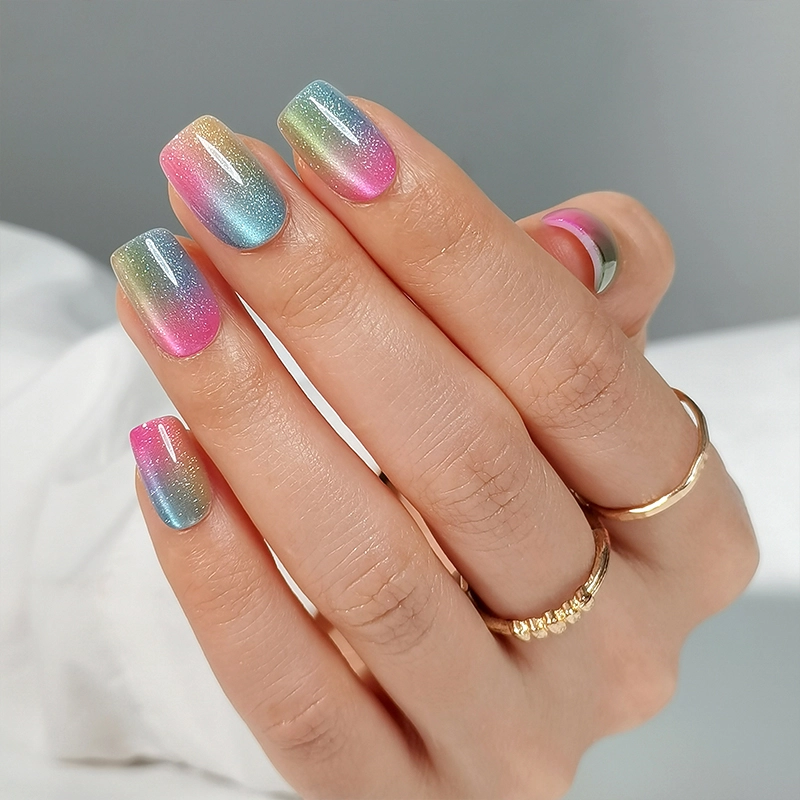
Custom Wholesale Gradient Cat Eye Soft Gel Wearable Fake Nails
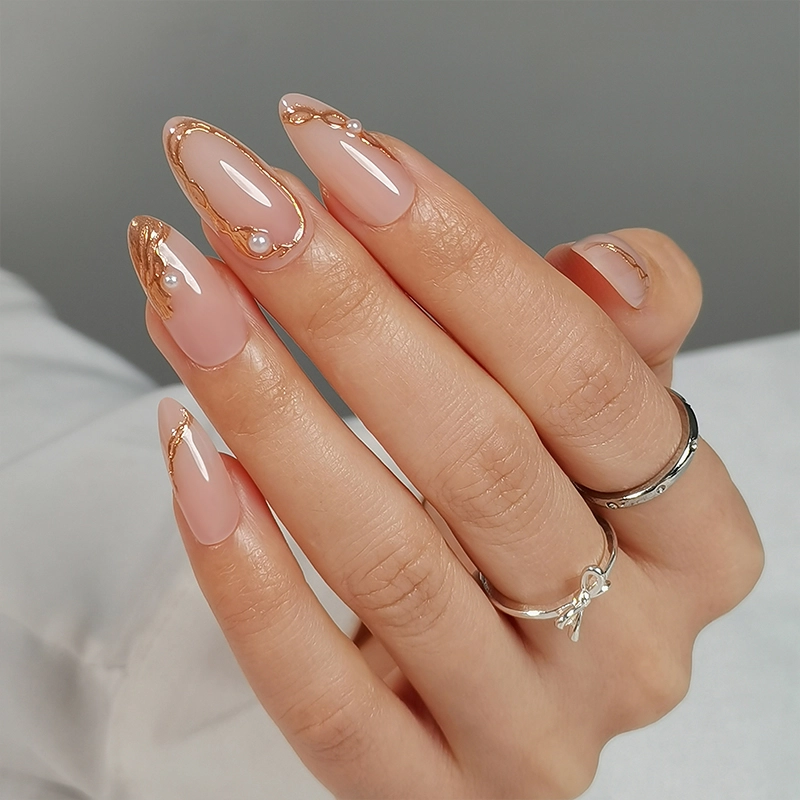
Wholesales Luxury Rhinestone Handmade Private Label Press On Nails Art Tips
Contact us
If you have press on nails products or customization needs, please feel free to contact from
below or via the contact information provided, we'll get back to you promptly within 24 hours.
By clicking 'Send Inquiry Now' I agree to XIANXING BEAUTY processing my personal data.
To see how to withdraw your consent, how to control your personal data and how we process it, please see our Privacy Policy and Terms of use.
Copyright © 2025 - XIANXING BEAUTY All Rights Reserved. Sitemap
Facebook
YouTube
Instagram
LinkedIn