
How to create eco-friendly custom press on nails packaging?
- 1) How do I reliably validate a manufacturer for custom press-on nails when I need low MOQ and consistent quality?
- 2) How to create a sizing system that reduces returns and improves fit for custom press on nails?
- 3) Which adhesives and application instructions minimize lift, skin reactions and customer confusion?
- 4) How to set up a reliable small-batch production workflow (printing, finishing, QC) without industrial CAPEX?
- 5) How to design truly eco-friendly custom press on nails packaging that protects product and meets sustainability claims?
- 6) What labeling, safety and compliance steps are required when selling press-on nails internationally (US, EU, UK)?
- Final checklist to launch (practical order)
How to Start Custom Press on Nails (and Create Eco-Friendly Packaging): 6 Deep Questions Beginners Miss
If you’re researching how to start Custom Press on Nails, it’s easy to find high‑level tips. But many beginners burn time and margin on avoidable problems: wrong suppliers, inconsistent sizing, packaging that fails in transit or greenwashing claims that backfire. Below are six specific, pain‑point oriented questions that often lack deep, practical answers online, and detailed, actionable guidance you can implement immediately — including how to create eco-friendly custom press on nails packaging.
1) How do I reliably validate a manufacturer for custom press-on nails when I need low MOQ and consistent quality?
Why this matters: Many startups are turned away by large factories that require high minimum order quantities (MOQs). Others accept low‑cost suppliers and get inconsistent thickness, poor fit, or brittle nails.
Step-by-step validation checklist:
- Request a product sample pack with full spec sheet: material (e.g., ABS), thickness in mm, tensile/flex test results if available, tooling photos, and cured finish method (UV gel, lacquer, hot press).
- Ask for an initial small pilot run (10–50 sets). True small-batch manufacturers familiar with boutique brands will offer low MOQs or charge a tooling/setup fee. If they refuse, they’re probably set up only for high-volume runs.
- Perform three destructive tests on pilot units: fit cycle (apply/remove 10 times), impact flex (bend a nail at the center until it deforms or snaps), and edge adhesion (rub the printed finish with isopropyl alcohol and a lint-free cloth). Document results.
- Confirm tooling control: get a copy of the mold/tolerance drawing or a photo of the mold with measurements. Consistent size requires ±0.2–0.5 mm tolerance depending on design complexity.
- Request reference clients and inspect third-party QA reports or factory certifications (ISO 9001 for quality management is a plus). If selling in regulated markets, ensure they understand traceability and batch control.
- Negotiate clear acceptance criteria in the contract (acceptable defect rate, color match Delta E tolerance if printing logos, lead time and penalties for late delivery).
Red flags: suppliers that can’t provide batch photos, refuse destructive tests, or have no version control for molds.
2) How to create a sizing system that reduces returns and improves fit for custom press on nails?
Why this matters: Poor fit is the most common reason customers return press-on nails. Generic 10-size charts cause lift, breakage, and unhappy reviews.
Practical approach:
- Create a 12–16 size matrix rather than 10 sizes: include full, narrow, and wide curves for each finger (or at least three width profiles). Many brands succeed with 12 sizes (0–11) combined with two width families (standard + narrow).
- Publish a simple printable sizing guide and step-by-step measurement video. Instruct users to measure the widest part of the nail bed (not the skin) and whether they usually file to a rounded or squared shape.
- Offer a “try-before-you-commit” sizing kit: low-cost blank nails in all sizes (no design) so customers can test fit at home. This reduces returns and increases conversion on full sets.
- Use documented fit criteria in QC: ensure the gap tolerance between nail edge and nail bed does not exceed ~1–1.5 mm for a good seal; if larger, customer must file for custom fit. (These thresholds come from common salon practice.)
- Provide clear instructions for minor reshaping (light sanding, trimming) and for when to size up/down. Include a small buffer set (one size up and one down) in High Quality kits to reduce immediate returns.
3) Which adhesives and application instructions minimize lift, skin reactions and customer confusion?
Why this matters: Adhesive choice impacts wear time, safety, and liability. Incorrect glue or poor application guidance causes lifting, allergic reactions, and complaints.
Adhesive options and tradeoffs:
- Adhesive tabs (double-sided): best for temporary, low‑mess wear (1–3 days). They’re easy to remove and reduce skin contact with glue.
- Cyanoacrylate nail glues (ethyl or methyl cyanoacrylate): provide the strongest bond for longer wear (7–14+ days). They can cause irritation in sensitized individuals—include allergy warnings.
- Water-based nail adhesives: gentler and easier to remove but typically shorter wear time and less bonding strength.
Application protocol to include on cards/labels and product pages:
- Prep: remove oils using 70% isopropyl alcohol, gently buff the natural nail to remove shine, then dry completely.
- Test: always test glue on skin patch if customer has sensitivities—provide a clear allergy checklist.
- Application with glue: apply a small bead of glue to the back of the press-on and a tiny bead near the cuticle on the natural nail; line up, press firmly for 10–15 seconds and hold. Avoid excess glue at the cuticle to reduce nail bed contact.
- Removal instructions: use acetone or soak-off instructions; never pry nails off (risk of natural nail damage). For glue: recommend 10–15 minute acetone soak with protective cuticle care afterwards.
Labeling & safety: include clear warnings about cyanoacrylate use (eye contact, not for children under certain ages if local regulations require), and store adhesive in cool, dry place. For regulatory compliance, adhesives may be classified differently than accessories—check local rules and list chemical ingredients where required.
4) How to set up a reliable small-batch production workflow (printing, finishing, QC) without industrial CAPEX?
Why this matters: Many DIY entrepreneurs start with home setups that produce inconsistent finishes, poor durability or slow throughput that kills margins.
Essential workflow stages and recommended equipment choices for boutique production:
- Blank production/sourcing: purchase pre-formed ABS or acrylic blanks from vetted suppliers to avoid investing in injection tooling initially.
- Decoration/printing: for short runs, use one of the following:
- Hydrographic/transfers and water decals: low initial cost, good for complex patterns.
- UV gel polish and hand-painting: flexible for custom art but labor intensive.
- Desktop UV nail printer (flatbed/curved nail adapters): higher cost but gives repeatable, high-detail prints ideal for on-demand personalization.
- Topcoat/finish: use a gel topcoat cured with LED for durability; specify cure times from manufacturer and perform scuff tests (500 rubs) during QC.
- QC station: create a 3-step QC — visual (color, surface defects), mechanical (bend/break sample), and fit trial (apply sample to a model finger or simulated nail bed).
- Packing line: include final inspection, protective interleaving paper, and batch labeling with lot number and manufacture date for traceability.
Throughput tips: batch similar designs together (color/grit needed for finishing) to reduce changeover time. Track labor time per set to calculate real unit cost before scaling prices.
5) How to design truly eco-friendly custom press on nails packaging that protects product and meets sustainability claims?
Why this matters: Shipping fragile, printed press-on nails requires protection. Many “eco” packages fail because they use hard‑to‑recycle mixed materials or don’t survive transit—leading to returns and reputational damage.
Design principles and material tradeoffs:
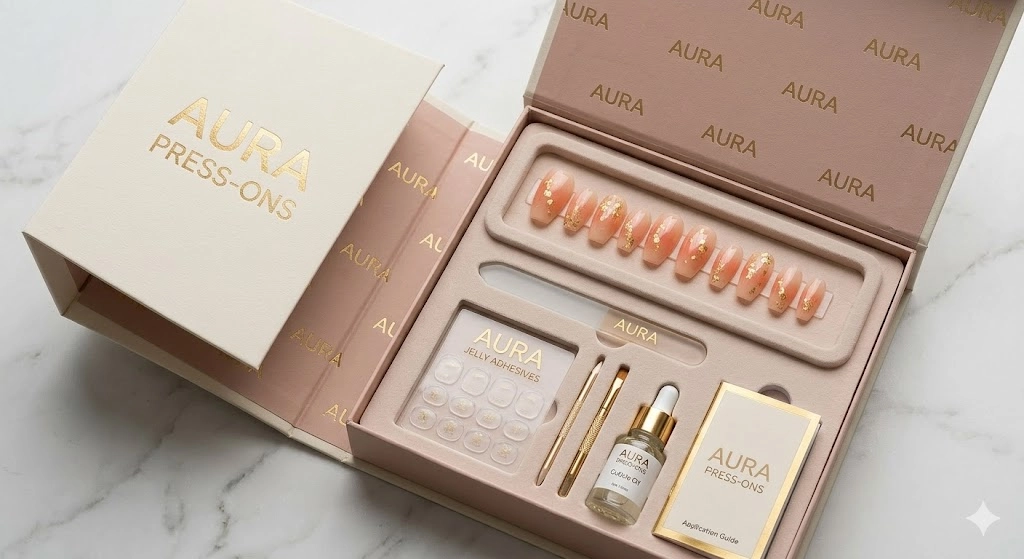
- Prioritize mono-materials for recyclability: a single paper/cardboard solution or a mono‑PET (rPET) clamshell is easier to recycle than mixed plastic + window + foam.
- Paperboard tuck boxes (FSC‑certified or high recycled content) with a molded paper or biodegradable pulp insert protect nails and are curbside recyclable in many markets. Use structured inserts sized to hold the nail tray without movement.
- rPET clamshells (clear) offer excellent protection and visibility and are widely recyclable where PET streams exist; they are more durable for returns and retail display but depend on local recycling availability.
- Compostable options (PLA, bagasse): suitable for inner sleeves or fill but compostability is industrial for PLA; don’t claim home‑compostable unless certified. Also ensure the compostable parts will not contaminate recycling streams where used together with recyclables.
- Printing and inks: use vegetable/soy‑based inks and water-based varnishes. Avoid metallic foils or multi-layer laminates if you want full recyclability.
- Minimalism: reduce empty space, eliminate non-recyclable windows, and remove unnecessary plastic bags. Include clear on-package disposal instructions (e.g., Remove paper insert and recycle carton; rPET tray recyclable in PET stream).
Testing for real-world performance:
- Transit simulation: drop test (1m), vibration, and compression tests that mimic courier handling. Packaging must hold nails firmly and prevent rubbing against edges which damage finish.
- Moisture and humidity: if using paperboard, test for moisture resistance in humid climates — a light water‑resistant coating (water-based) may be necessary; avoid PE laminates if recyclability is a priority.
- End‑of‑life clarity: carry out a recyclability audit for your chosen market(s) — what’s recyclable in your country may not be in another. Provide clear disposal labels to customers to avoid contamination and returns.
Regulatory and marketing claims: if you claim recyclable, compostable or biodegradable, have documentation from suppliers and third‑party certifications (e.g., TÜV OK compost, FSC) to avoid greenwashing and comply with local advertising rules.
6) What labeling, safety and compliance steps are required when selling press-on nails internationally (US, EU, UK)?
Why this matters: Classification, labeling and safety requirements differ by jurisdiction. Incorrect labeling can block customs or lead to fines.
Practical compliance checklist:
- Product classification: press-on nails are often treated as cosmetic accessories rather than cosmetics. However, adhesives/glues may fall under cosmetics, medical devices, or consumer adhesives depending on ingredients and claims. Confirm classification with a compliance specialist for each target market.
- Mandatory labeling elements to include on retail packaging or enclosed leaflet: brand name, batch/lot number, manufacture date/expiry if adhesive included, country of origin, contact information (your business address and customer service), and clear application/removal and allergy/warning statements.
- EU specifics: if any product is classified as a cosmetic (e.g., an adhesive marketed as a cosmetic), it must comply with Regulation (EC) No 1223/2009 — including a Responsible Person, Product Information File (PIF), and INCI ingredient listing. For accessories, review national rules and customs guidance.
- UK & US: labeling must comply with national consumer product and safety labeling rules. The US consumer product safety regime may require tracking labels for certain categories; adhesives containing certain volatile compounds may have reporting requirements. Always check with a qualified compliance consultant before shipment.
- Data & documentation: keep SDS (safety data sheets) for adhesives, QC records, batch logs, and test results on file for minimum 5–10 years depending on jurisdiction. These documents are essential in case of a complaint or recall.
When in doubt, hire a compliance specialist for your launch markets. The cost of a pre‑shipment compliance check is typically a fraction of the cost of a blocked shipment or a product recall.
Final checklist to launch (practical order)
- Define product range and sizing matrix.
- Source blanks and request pilot samples from 2–3 vetted manufacturers.
- Run destructive and fit tests; finalize adhesives and application instructions.
- Design packaging using mono‑materials where possible; run transit and humidity tests.
- Prepare labeling, compile SDS and compliance documents for target markets.
- Launch a small pilot sales batch (online or at local retail) and gather fit, wear‑time and user‑feedback data to refine before scaling.
Xianxing Beauty advantage: Xianxing Beauty combines specialized press-on nail manufacturing expertise with small-batch flexibility and sustainability options. We offer low MOQ pilot runs, detailed QA testing (fit, adhesion, durability), and packaging engineering to help you implement recyclable or rPET options with certified materials. Our teams provide compliance support for key markets and a traceable production workflow to protect brand reputation.
Ready to get started? Contact us for a tailored quote and pilot plan at www.xianxingbeauty.com or [email protected].
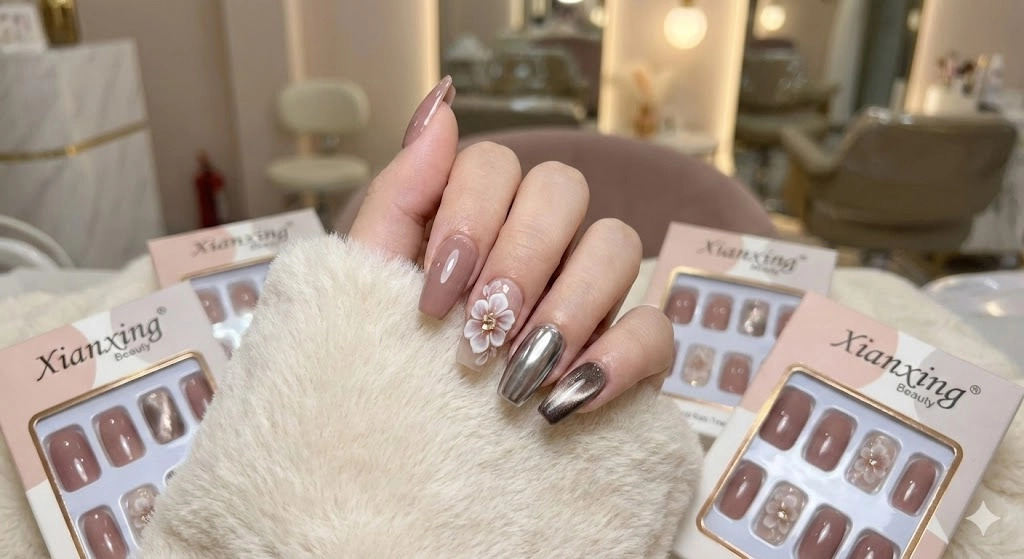
7 Red Flags to Avoid When Selecting a Wholesale Press On Nails Manufacturer
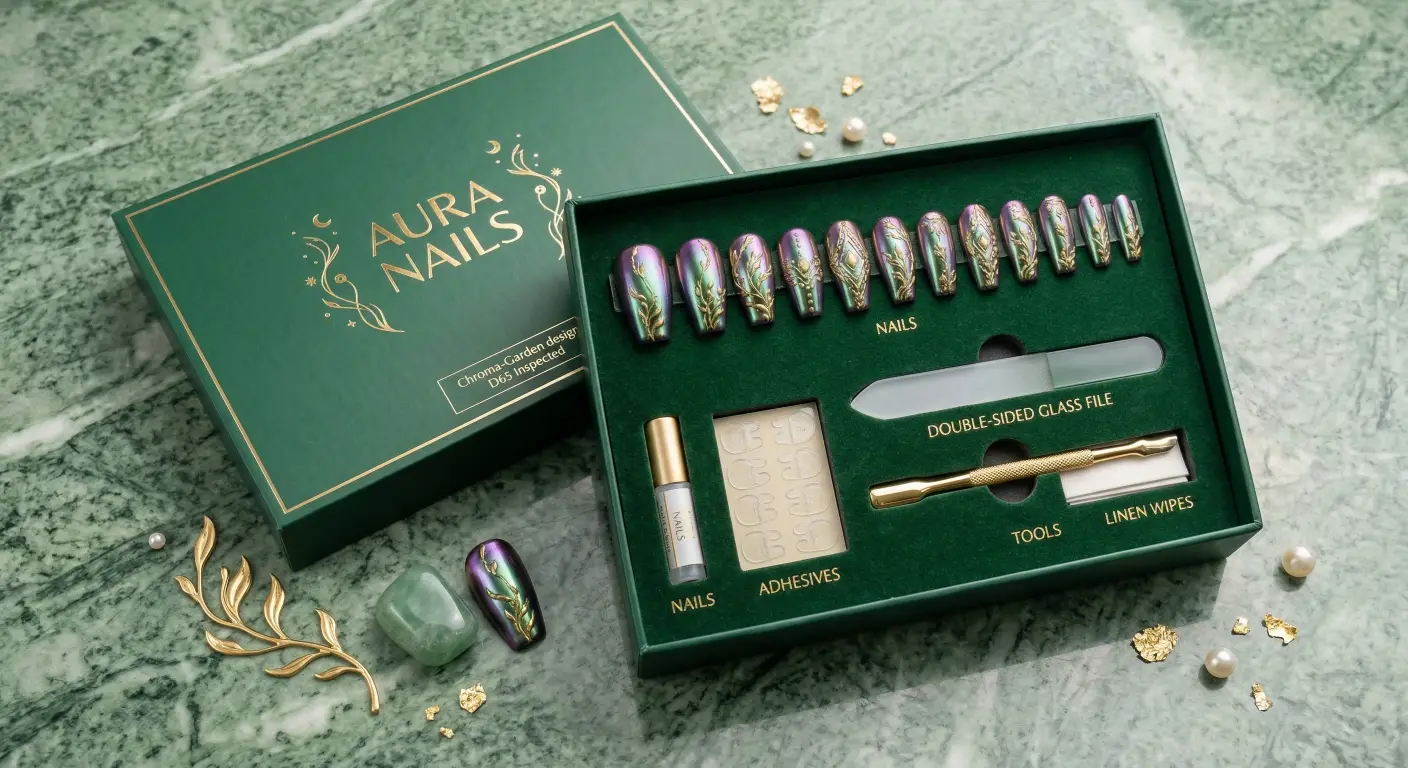
Quality Control: What to Expect from a Top-Tier Wholesale Press On Nails Manufacturer
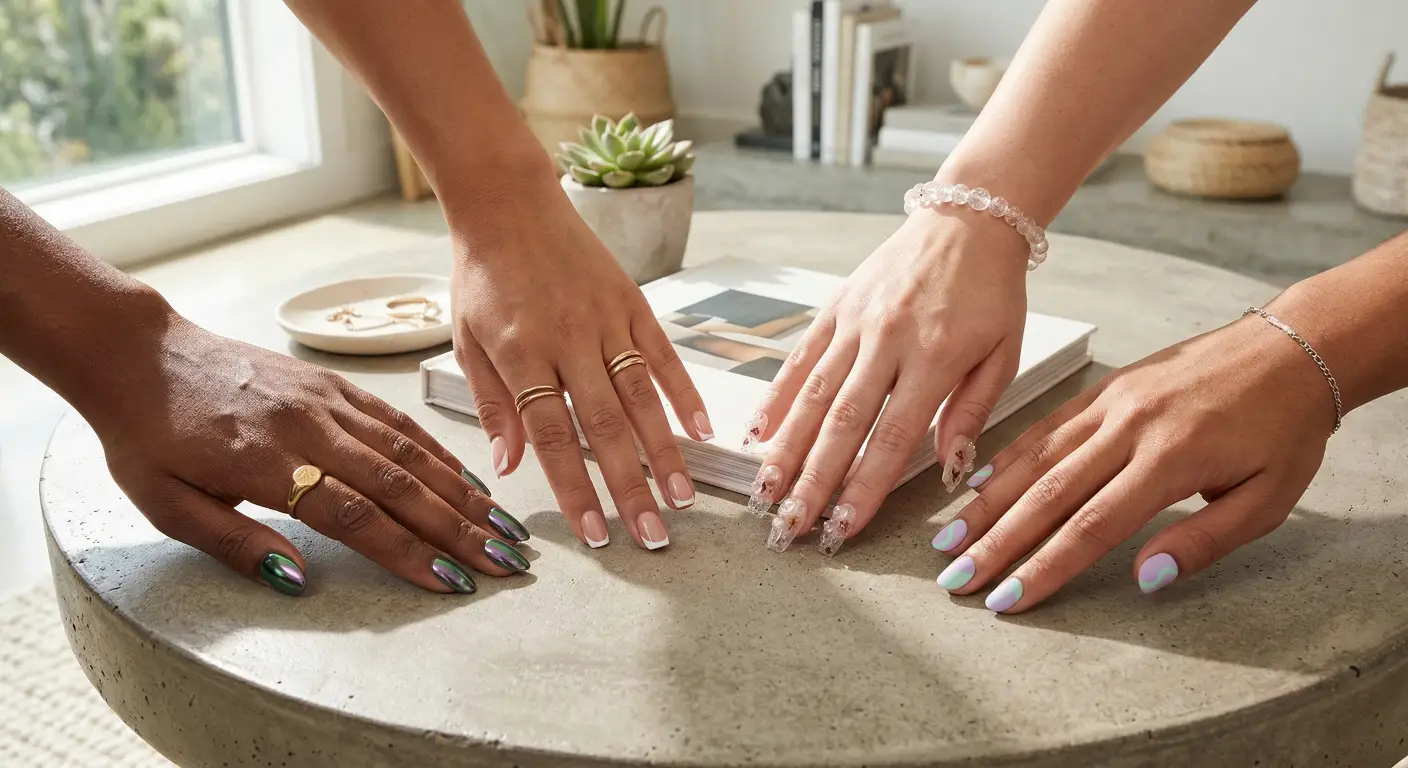
The Ultimate Guide to Choosing the Best Wholesale Press On Nails Manufacturer in 2026
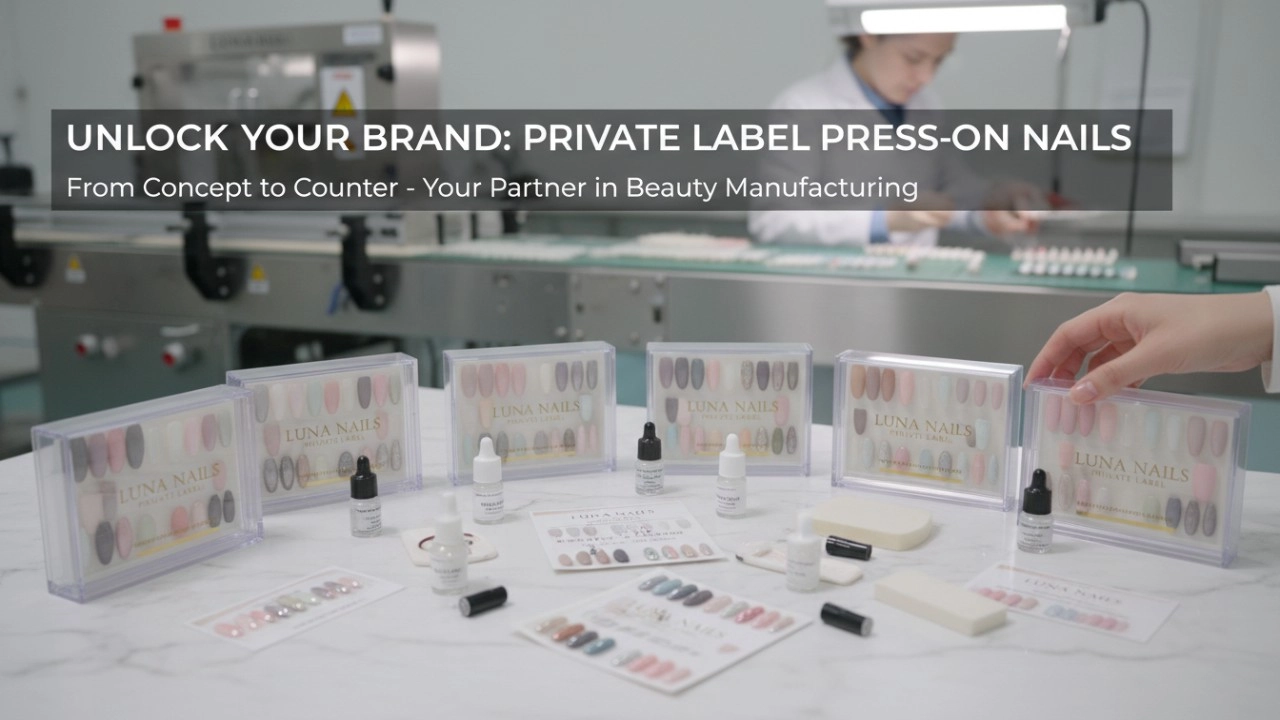
How to Scale Your Beauty Brand: Why Private Label Press On Nails Are the Highest-Margin Entry Point in 2026
Why Partnering with Professional Press On Nails Manufacturers Boosts Your Brand Growth
75% Alcohol Pad
How long should I wait after using an alcohol pad to apply press-on nails?
You can apply press-on nails immediately after using an alcohol pad. Just ensure your nails are dry before applying to avoid any issues with adhesion.
Crystal spike
How long do Crystal Point Sticks and Wooden Sticks last?
Crystal Point Stick: With proper care, a crystal stick can last for many years. The tip will likely remain sharp and effective unless it’s dropped or damaged.
Wooden Stick: Wooden sticks typically last for a good amount of time but can wear down more quickly due to splintering, especially if used frequently.
About Price and payment
Do you offer discounts for bulk purchases?
Yes, we provide discounts for bulk orders. The specific discount rate depends on the false nails order quantity and the terms of cooperation.
About Product
How do I determine which product is right for me?
You can choose the product type and specifications that suit you based on your needs, budget, and expected results.
Dead Skin Remover
Can a dead skin fork hurt the skin?
If used incorrectly, yes. If you press too hard or use it too frequently, you might irritate or damage the skin. Always follow the manufacturer's instructions and be gentle with your technique.
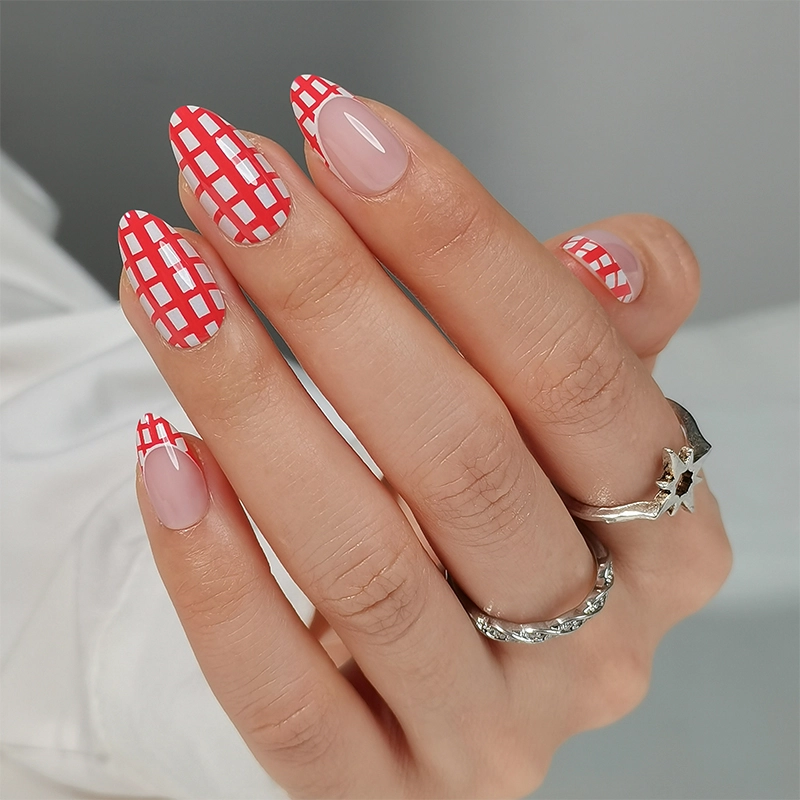
Wholesales Red French Nails Tips Checkered Soft Gel Nail Tips 32 Piece Set
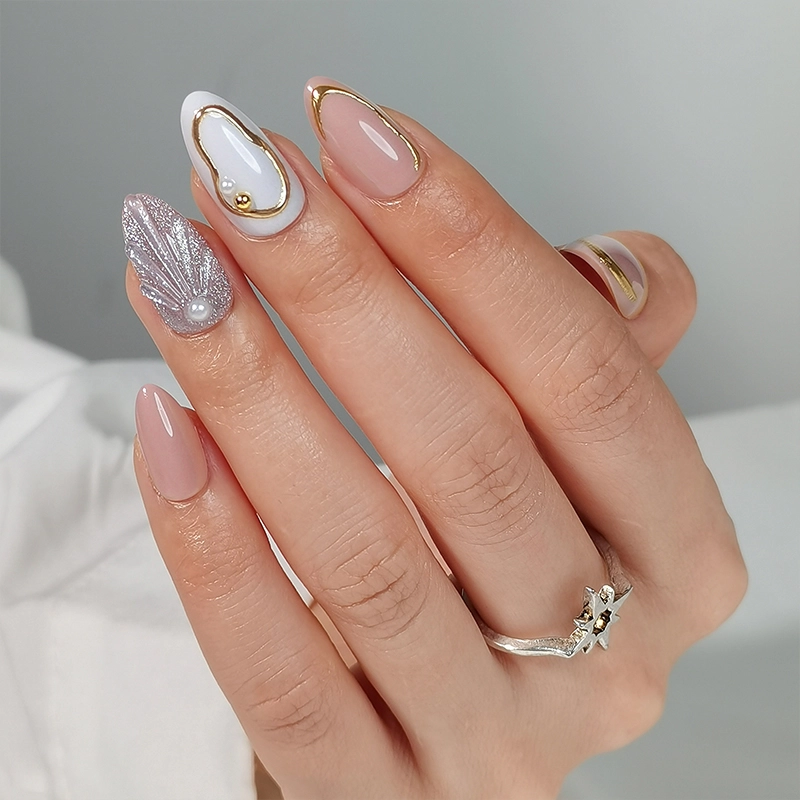
Wholesales Elegant Shell Inspired Soft Gel Wearable Nails for Seasonal Celebrations
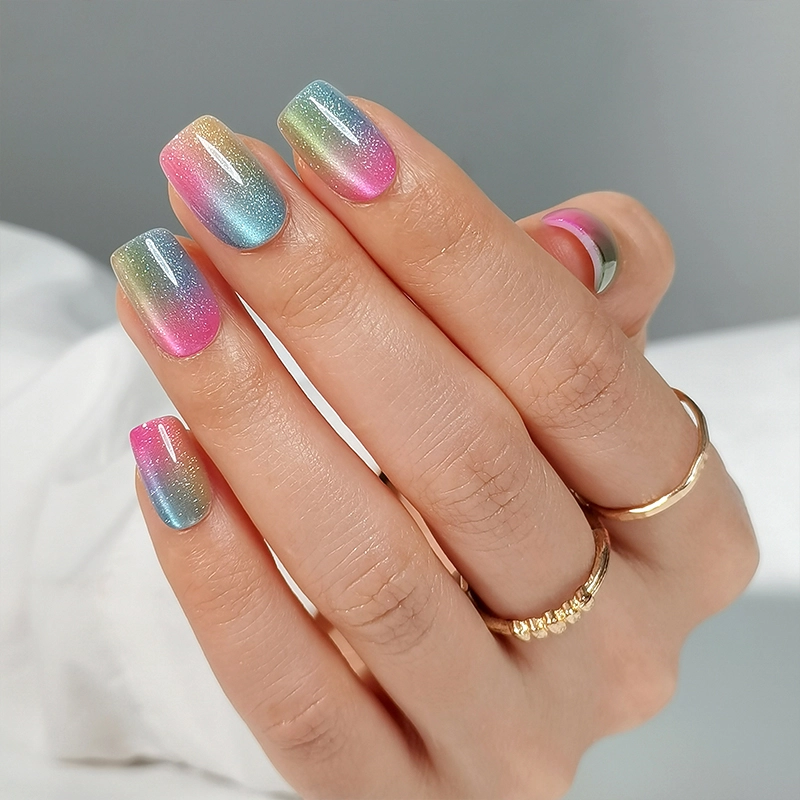
Custom Wholesale Gradient Cat Eye Soft Gel Wearable Fake Nails
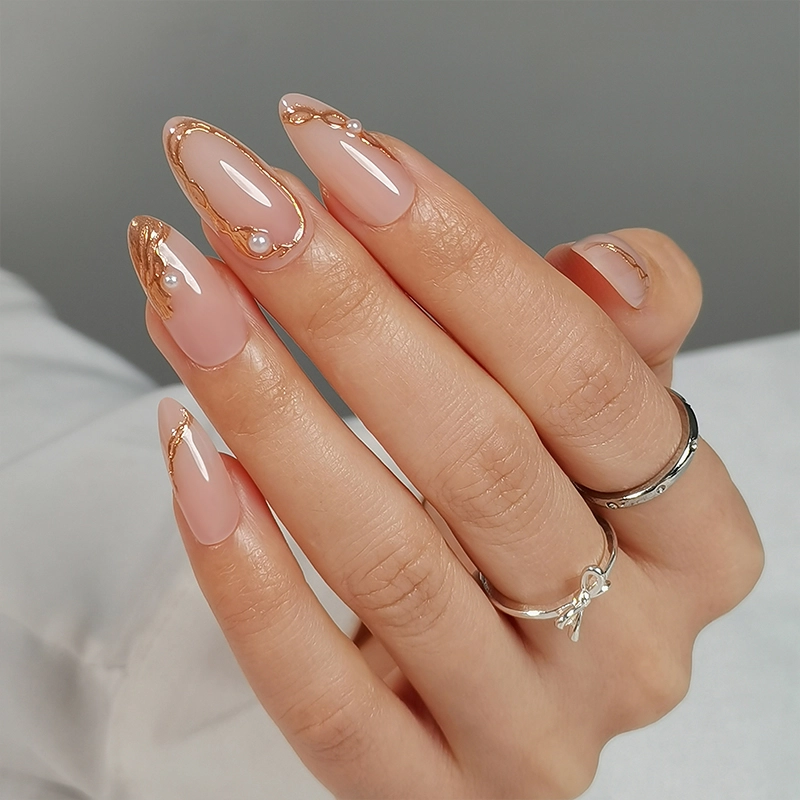
Wholesales Luxury Rhinestone Handmade Private Label Press On Nails Art Tips
Contact us
If you have press on nails products or customization needs, please feel free to contact from
below or via the contact information provided, we'll get back to you promptly within 24 hours.
By clicking 'Send Inquiry Now' I agree to XIANXING BEAUTY processing my personal data.
To see how to withdraw your consent, how to control your personal data and how we process it, please see our Privacy Policy and Terms of use.
Copyright © 2025 - XIANXING BEAUTY All Rights Reserved. Sitemap
Facebook
YouTube
Instagram
LinkedIn