
How to handle customs and duties for imported nail products?
- 1. What is the minimum viable custom press-on nail product line to test market demand without overstocking?
- 2. How do I set up private-label packaging and barcodes (EAN/UPC) for custom press-on nails sold on Amazon and retail?
- 3. Which materials and adhesives are compliant with EU REACH and US rules for press-on nails, and how do I document safety?
- 4. How do I calculate landed cost per set (product, packaging, shipping, duties, VAT) for imported custom press-on nails to price retail?
- 5. How to handle customs and duties for imported nail products and classify them correctly to avoid delays?
- 6. How to scale production from sample run to MOQ 1,000+ sets while maintaining custom sizes, prints, and quality control?
- Concluding summary: Advantages of choosing custom press-on nails for purchasers
1. What is the minimum viable custom press-on nail product line to test market demand without overstocking?
Answer:
Start with a tightly focused MVP (minimum viable product) that reduces SKU complexity while giving buyers real choice. For press-on nails that means: 3 sizes per hand shape (S/M/L or narrow/regular/wide), 3 finishes (solid color, simple French, 1 patterned design), and 2 popular lengths (short, medium). This yields 18 SKUs (3 sizes × 3 finishes × 2 lengths) — enough to test demand across fit, style, and length without large inventory commitments.
Tactics to manage risk and inventory:
- Use reusable sizing kits or a printable size chart so customers self-select; this reduces returns and wasted stock.
- Start with a small sample run of 100–300 sets per SKU to validate conversion before committing to MOQs from manufacturers.
- Offer multi-set bundles or subscription preorders to smooth cash flow and forecast demand.
- Track conversion rates by SKU and market channel (D2C, Amazon, salons) and drop underperforming styles after 2–3 months.
Why this approach works: custom press-on nails require accurate sizing and visual appeal. A tight SKU strategy minimizes dead stock and lets you iterate on nail-shape templates and design prints based on real purchase data.
Embedded semantic keywords: custom press-on nails, press on nail kit, nail tips wholesale.
2. How do I set up private-label packaging and barcodes (EAN/UPC) for custom press-on nails sold on Amazon and retail?
Answer:
Step-by-step private-label packaging and GTIN readiness:
- Brand and packaging design: Design packaging that protects nails and adhesives and meets retail requirements (hanging holes, scannable face). Use recyclable inserts and tamper-evident seals for High Quality positioning.
- Regulatory labeling: List manufacturer/importer contact, country of origin, lot/batch number, and basic ingredient/allergen warnings if adhesives or primers are included. For adhesives/primers, include Safety Data Sheet (SDS) references and hazard statements per GHS/CLP.
- Obtain GTINs: Purchase legitimate UPC/EANs from GS1 (needed for Amazon Brand Registry and most retailers). Avoid reseller UPCs to keep brand control.
- SKU and barcode mapping: Assign a unique SKU per combination of design, size range, and pack quantity. Map each SKU to a GTIN and keep a master spreadsheet for inventory systems and marketplaces.
- Packaging proofs and pre-production samples: Approve dielines, color proofs (Pantone), and print quality sheets. Physical prototypes verify product fit and barcode scannability.
- Amazon prep: For FBA, ensure packaging conforms to Amazon's FBA packaging and labeling rules (box labeling, suffocation warnings for plastic, if applicable). For retail stores, confirm retailer-specific requirements early.
Operational tips:
- Use thermal transfer printers for on-demand labels during small runs; switch to pre-printed barcoded boxes at scale.
- Keep packaging modular so you can swap inserts or artwork without changing outer carton formats — this reduces repack costs.
Embedded semantic keywords: private label press on nails, press on nail manufacturer.
3. Which materials and adhesives are compliant with EU REACH and US rules for press-on nails, and how do I document safety?
Answer:
Materials and compliance overview:
- Products: Press-on sets (plastic/acrylic tips) are often treated as cosmetic accessories or general consumer goods. Adhesives, primers, and polishes are cosmetic or chemical products and fall under stricter chemical/cosmetic rules.
- Restricted substances: Methyl methacrylate (MMA) is widely discouraged or banned for direct application on natural nails in many jurisdictions; many labs and regulators cite health risks. For adhesives and liquid monomers, verify the local banned substances lists.
- EU and UK: Check REACH candidate list and restriction annexes for any prohibited or restricted chemicals. Cosmetics (if product is a cosmetic) are regulated under EC Regulation 1223/2009; adhesives are often regulated under chemical legislation and CLP/GHS for labeling.
- USA: The U.S. FDA does not pre-approve cosmetics but enforces misbranding/adulteration rules; adhesives and tools may be subject to CPSC general product safety. For chemicals manufactured or imported into the US, check EPA/TSCA obligations.
Documentation required:
- Safety Data Sheets (SDS): For adhesives, solvents, or primers, obtain SDS from your supplier and keep them available for customs, warehouses, and emergency response.
- Declaration of Conformity / Technical File: Maintain a product file with formulation details, supplier declarations, test reports, and manufacturing controls (ISO 22716 is a recognized GMP for cosmetics).
- Third-party testing: For chemical safety and migration tests, use accredited labs to test for phthalates, heavy metals (lead, cadmium), and banned monomers if relevant.
Best practices:
- Require supplier declarations and full ingredient lists from manufacturers and insist on change-notice clauses in contracts.
- Use accredited labs in your target market region for tests — e.g., EU labs for REACH/1223 compliance or US labs for any FDA/CPSC relevant testing.
Embedded semantic keywords: custom nail decals, nail glue safety, SDS, EU REACH.
4. How do I calculate landed cost per set (product, packaging, shipping, duties, VAT) for imported custom press-on nails to price retail?
Answer:
Landed cost is essential for profitable pricing. The correct formula and a repeatable process are more valuable than a one-off number.
Basic landed cost formula (per set):
- Product cost: unit price charged by manufacturer (EXW/FOB/CIF depending on INCOTERMS).
- Packaging and accessory cost: per-unit cost for blister, box, inserts, labels, hangtabs.
- Manufacturing & tooling amortization: allocate sample & mold/tooling costs across forecasted volumes.
- Freight and insurance: include inland pickup, international freight (air/sea), and marine insurance — apportioned per unit based on volume/weight.
- Customs duties and import taxes: calculate duty based on correct tariff classification; then add VAT/GST on (CIF + duty) where applicable.
- Customs clearance and brokerage: one-off or per-shipment broker fees and arrival notices.
- Warehousing and fulfillment: inbound handling, storage, pick-and-pack, and final-mile distribution (FBA fees or 3PL costs).
- Returns and quality reserve: set aside a small percentage per unit for returns, QC failures, and breakage.
Practical steps to use this formula:
- Ask suppliers for precise package dimensions and gross/net weights to estimate freight and dimensional charges.
- Use freight quotes (LCL/FCL sea or air) and a customs broker to estimate duties for your likely HTS classification.
- Build an Excel landed-cost model where you can change variables (currency, freight mode, duty rate) and see the retail margin impact.
Tools and validation:
- Use an online landed-cost calculator or ask your freight forwarder for a pro forma landed-cost per order.
- Validate margins on small pilot shipments, then compare actual costs to estimates and iterate.
Embedded semantic keywords: landed cost calculation, shipping customs duties for beauty products.
5. How to handle customs and duties for imported nail products and classify them correctly to avoid delays?
Answer:
Avoiding delays and surprise duties requires proactive classification and documentation.
Steps to correctly handle customs and duties:
- Determine legal importer of record: the party named on customs entry is responsible for duties and compliance (you, a US/EU entity, or an import agent).
- Identify the correct tariff classification: use the national tariff database (e.g., HTSUS in the United States, TARIC in the EU) to find the Harmonized System that best fits your product. For plastic nail tips, adhesives, and polish, classifications differ — separate lines may be needed on the commercial invoice.
- Request supplier details: obtain full material descriptions, country of manufacture, and commercial invoices listing unit values and incoterms.
- Use a customs broker or freight forwarder: they can recommend the most appropriate HS code and explain duty rates and any preferential trade treatments (free trade agreements) you can claim if certificates of origin are available.
- Prepare required paperwork: commercial invoice, packing list, bill of lading/AWB, COO (Certificate of Origin) if claiming preferential tariffs, and SDS for regulated chemicals.
- Watch for product-specific regulations: adhesives or liquid chemicals may require additional permits or be subject to hazardous goods transport rules. Some markets restrict certain cosmetic chemicals — check ahead.
- Consider binding rulings: for high-value or ambiguous classifications, apply for a binding ruling from the customs authority in your import market to get a definitive HS classification and tariff rate.
- Plan for VAT/GST: remember that VAT or import sales tax is typically charged on the dutiable value plus duty and may be recoverable by VAT-registered businesses.
Risk controls:
- Always assign value conservatively and keep supplier invoices and proof of payment — customs audits can occur years later.
- Build relationships with a reliable customs broker who knows beauty and accessories categories and can flag potential issues (restricted chemicals, labeling noncompliance).
Embedded semantic keywords: customs duties nail products, HTS code, COA, commercial invoice.
6. How to scale production from sample run to MOQ 1,000+ sets while maintaining custom sizes, prints, and quality control?
Answer:
Scaling requires planning for reproducibility, QC, and supply-chain resilience.
Key steps to scale successfully:
- Lock down technical specs: final nail shape templates (vector files), exact color specs (Pantone or CMYK values), thickness (mm), glue pad specs, and packaging dielines.
- Pre-production approval (PPA): require a PPA and a first-article inspection (FAI) before mass production. Use photo and dimensional checks and a small analytic sample to confirm adhesion strength, fit, and print clarity.
- Establish QC checkpoints: raw material inbound checks, in-line visual and dimensional checks, and final random sampling (AQL sampling plans work well). Define acceptable defect levels before production.
- Use serial numbering and lot codes: stamping or printing batch codes on boxes and floor labels to trace any issues back to a specific run.
- Stagger production by batches: for large launches, produce in multiple smaller batches to reduce risk and enable iterative improvements.
- Build supplier backup: qualify a second manufacturer or have subcontract capacity for rush reorders. Negotiate lead times and minimums in contracts.
- Protect IP and artwork: use non-disclosure agreements and, where applicable, trademark Xianxing Beauty designs and packaging.
- On-shore fulfillment or local kitting: consider a local 3PL for final assembly (inserting sizing guides, including freebies) to reduce international shipping of bulky packaging and to expedite replenishment.
Embedded semantic keywords: press on nails manufacturer, custom nail decals, private-label press on nails.
Concluding summary: Advantages of choosing custom press-on nails for purchasers
Custom press-on nails offer rapid time-to-market, strong margins via private labeling, lower return friction when sizing is optimized, and rich branding opportunities through bespoke packaging and nail-art prints. With careful compliance for adhesives and materials (SDS, REACH/FDA awareness), accurate landed-cost models, and a good customs broker, importers can scale predictably while minimizing duties, delays, and compliance risk. The right MVP SKU set, GTIN management, and QC checkpoints let you test demand, protect brand quality, and expand SKU breadth without overstocking.
For a personalized quote or to discuss MOQ, packaging options, or compliance support, contact us for a quote: www.xianxingbeauty.com or [email protected].
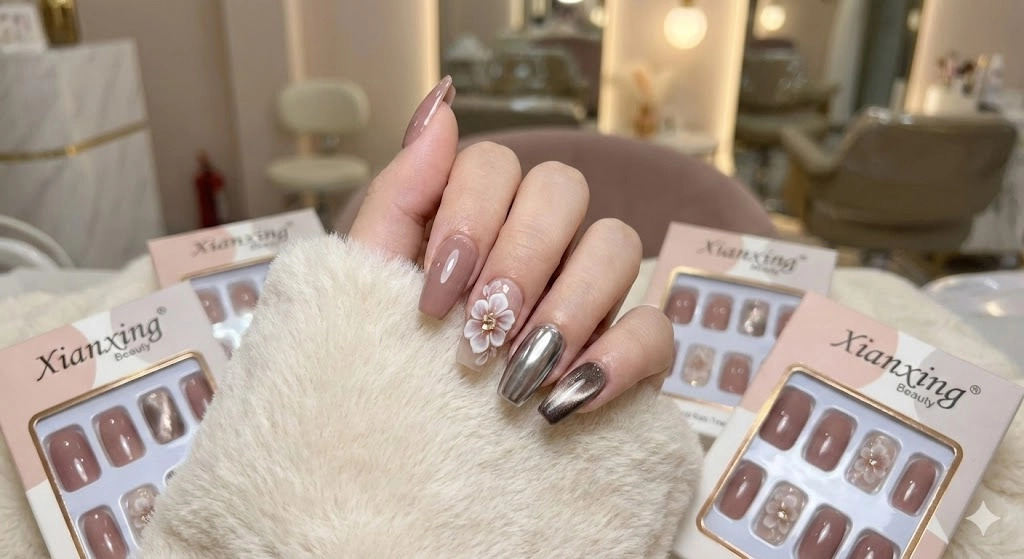
7 Red Flags to Avoid When Selecting a Wholesale Press On Nails Manufacturer
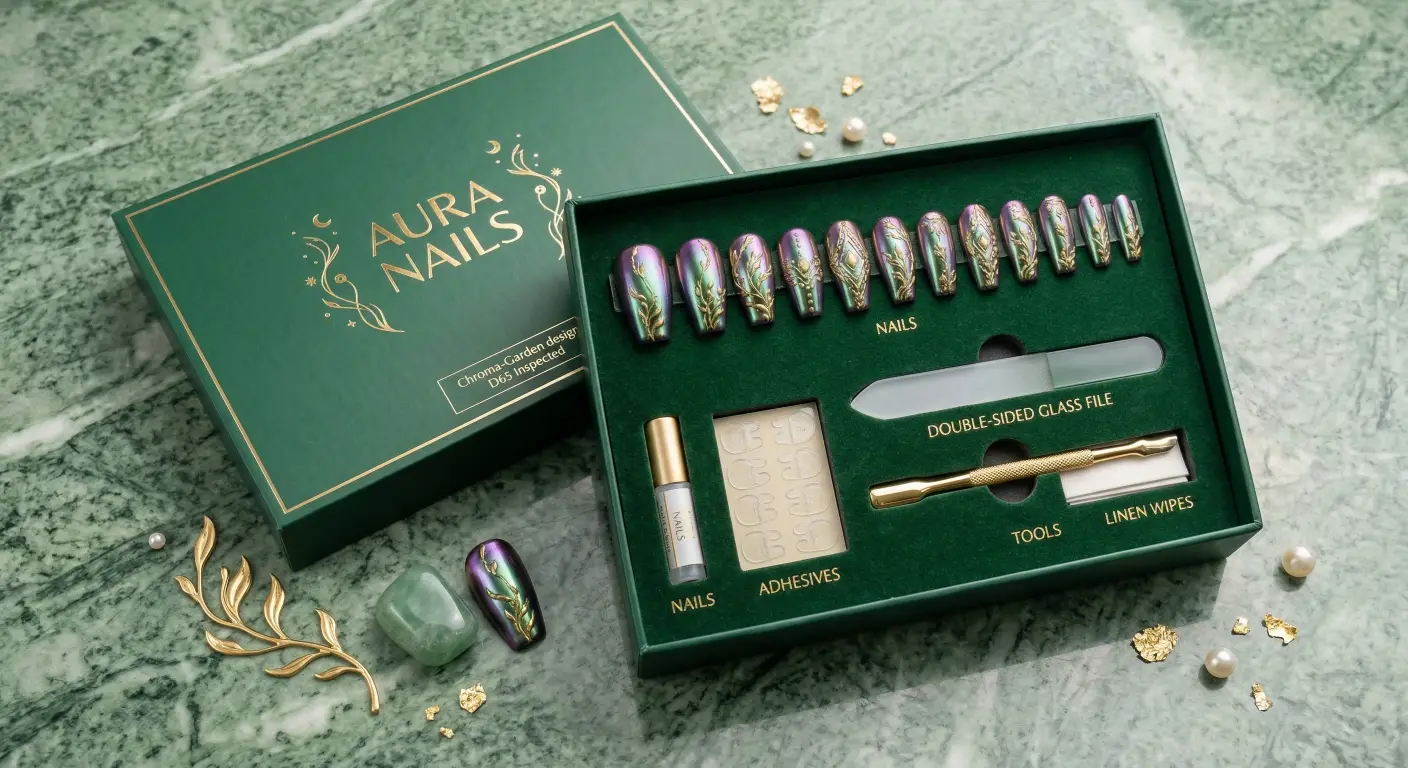
Quality Control: What to Expect from a Top-Tier Wholesale Press On Nails Manufacturer
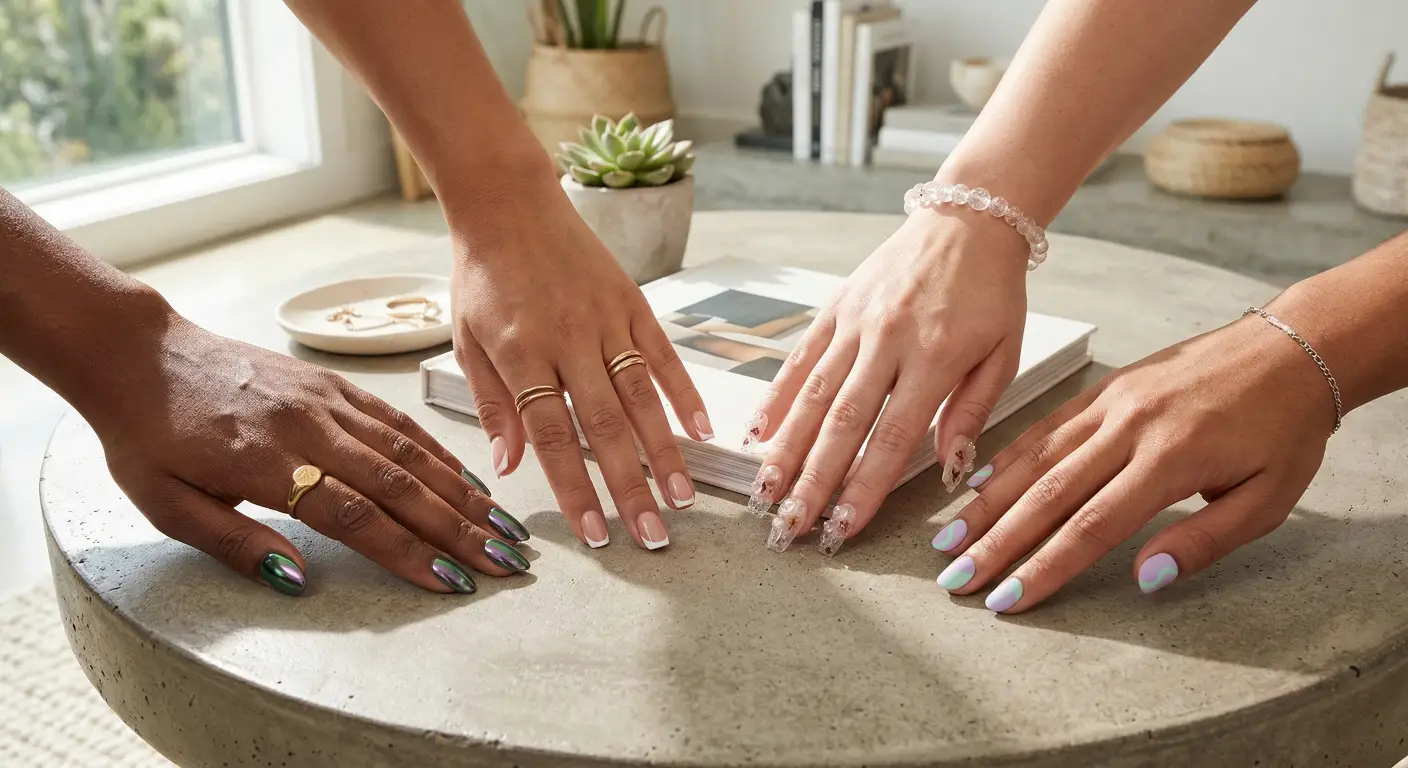
The Ultimate Guide to Choosing the Best Wholesale Press On Nails Manufacturer in 2026
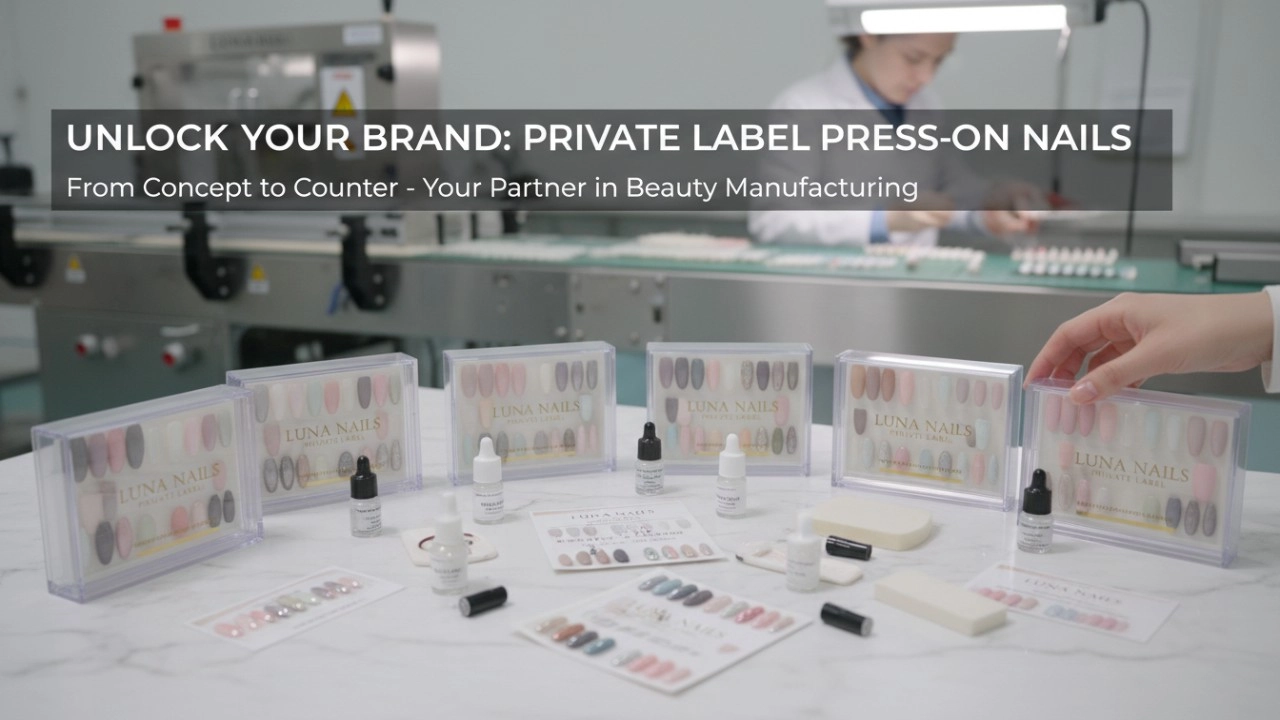
How to Scale Your Beauty Brand: Why Private Label Press On Nails Are the Highest-Margin Entry Point in 2026
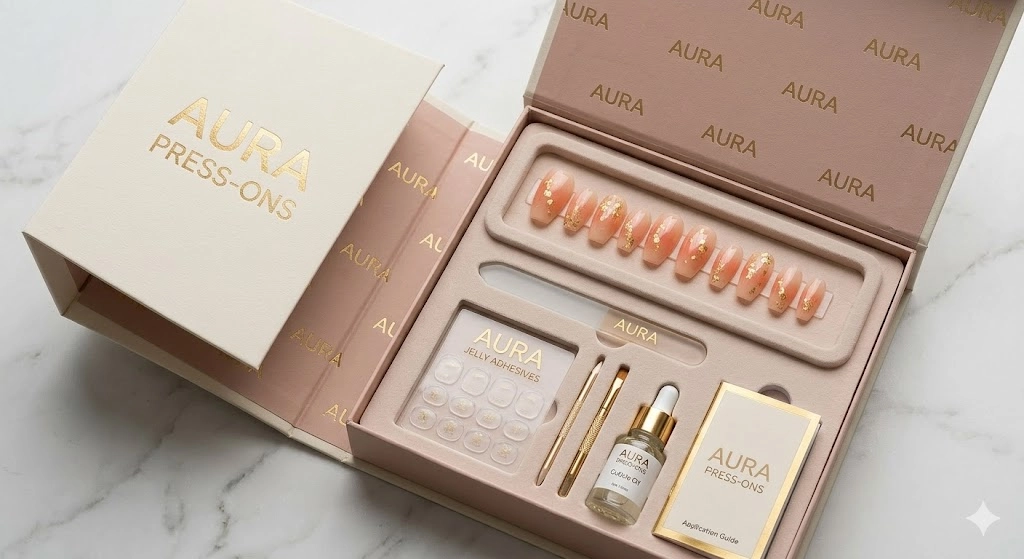
Why Partnering with Professional Press On Nails Manufacturers Boosts Your Brand Growth
About Cooperation Process
How can I begin working with your company?
You can reach out to us through our official website or contact details. Our sales team is ready to guide you through the process.
What are the steps in the collaboration process?
The process includes initial communication to understand your needs for the nails, sample confirmation, contract signing, production, quality inspection, and logistics and delivery.
About company
What countries do you mainly export to?
Our products are exported all over the world, mainly to North America, Europe and the Middle East.
Brand Client
Do you provide global delivery services?
Yes, we provide global logistics services and can deliver products on time to all parts of the world, helping you quickly enter the market.
Customization
Do you provide customized nail service?
Yes, we provide customized services including nail shape, material and design.
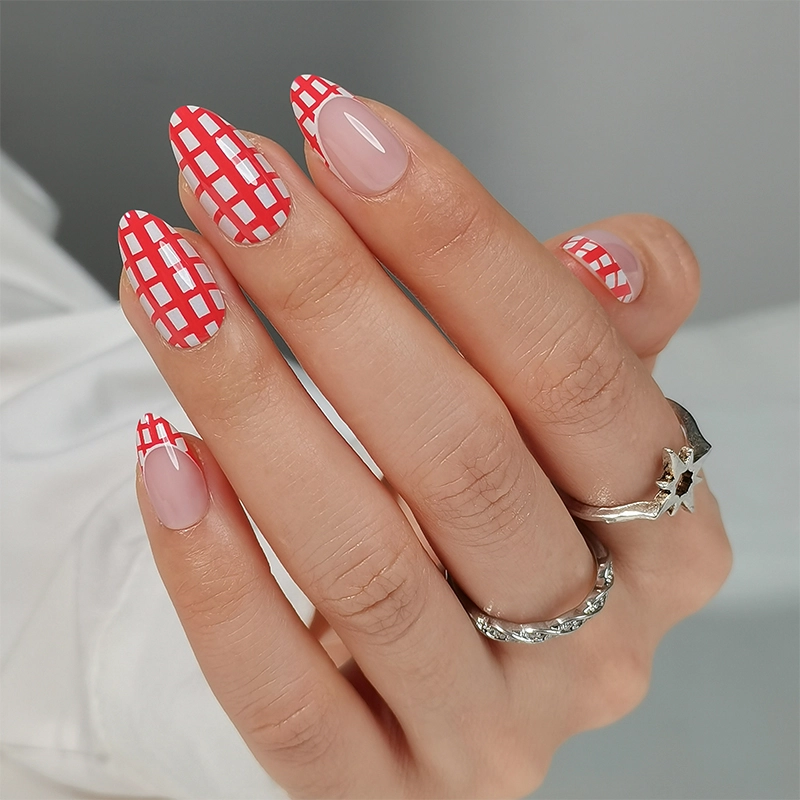
Wholesales Red French Nails Tips Checkered Soft Gel Nail Tips 32 Piece Set
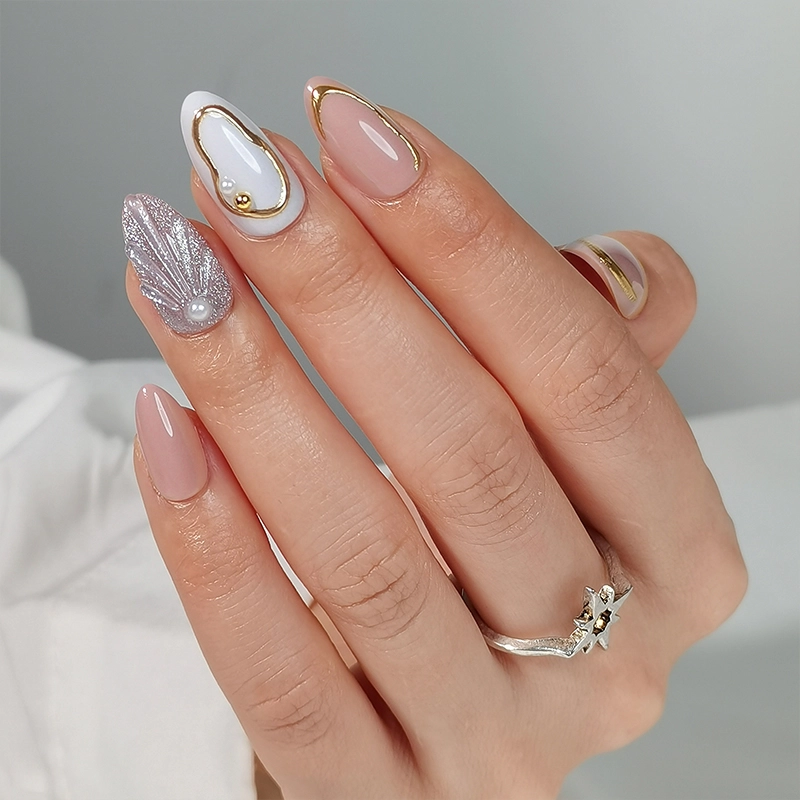
Wholesales Elegant Shell Inspired Soft Gel Wearable Nails for Seasonal Celebrations
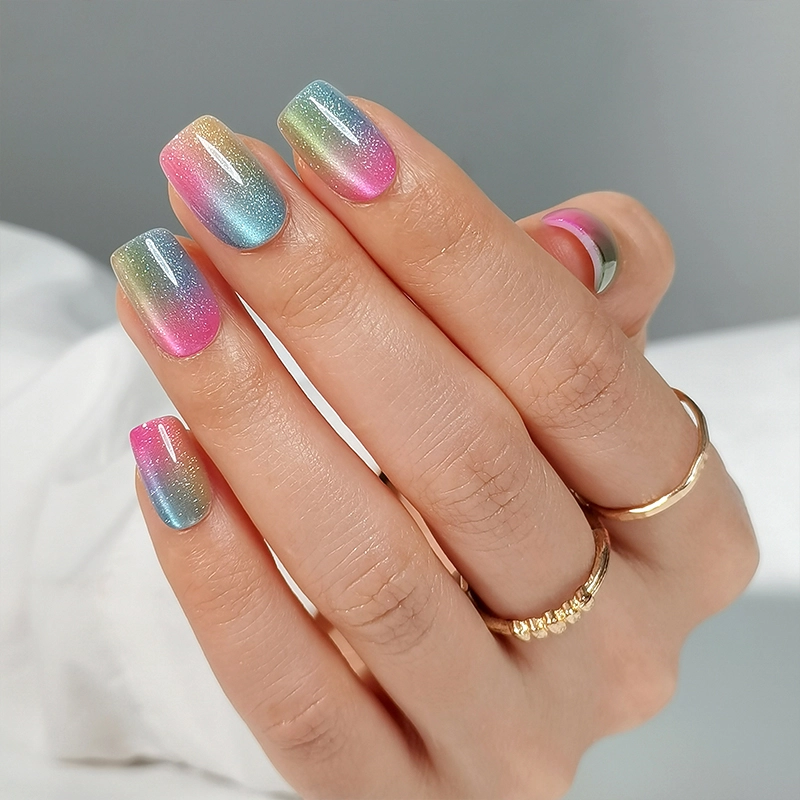
Custom Wholesale Gradient Cat Eye Soft Gel Wearable Fake Nails
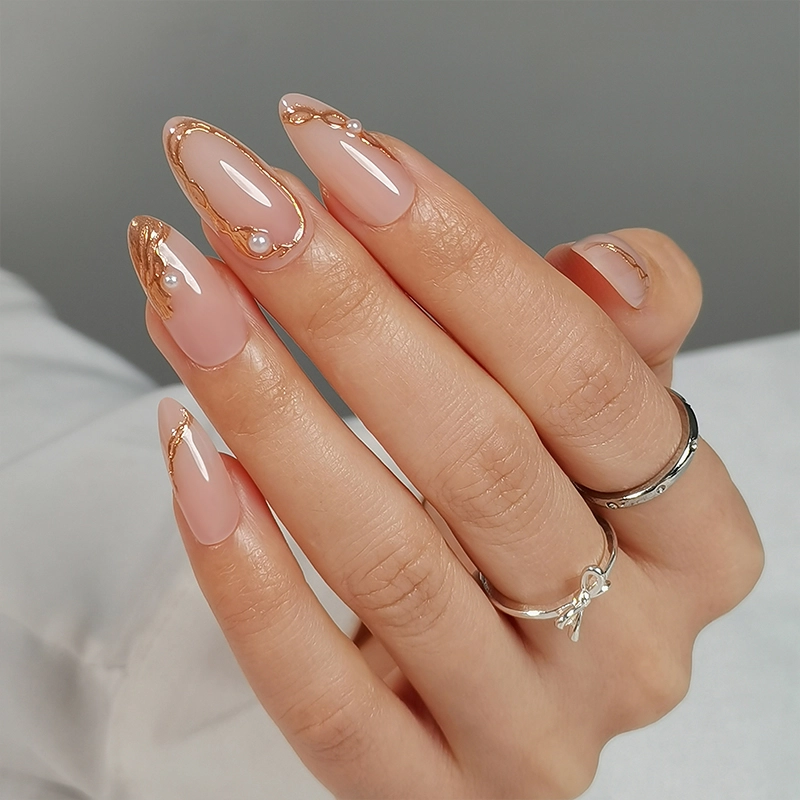
Wholesales Luxury Rhinestone Handmade Private Label Press On Nails Art Tips
Contact us
If you have press on nails products or customization needs, please feel free to contact from
below or via the contact information provided, we'll get back to you promptly within 24 hours.
By clicking 'Send Inquiry Now' I agree to XIANXING BEAUTY processing my personal data.
To see how to withdraw your consent, how to control your personal data and how we process it, please see our Privacy Policy and Terms of use.
Copyright © 2025 - XIANXING BEAUTY All Rights Reserved. Sitemap
Facebook
YouTube
Instagram
LinkedIn