
How to implement barcodes and UPCs for press on nails?
- 1) How do I choose materials and adhesives for custom press-on nails that meet safety and regulator expectations (US/EU) without costly lab work for every design?
- 2) How can I build an affordable SKU & GTIN plan for dozens of sizes/colors so I don’t need to buy hundreds of UPCs at startup?
- 3) How to implement barcodes and UPCs for press on nails?
- 4) What realistic MOQs and sourcing choices minimize inventory risk when starting custom press-on nails (in-house vs OEM vs white-label)?
- 5) How to design packaging and barcode placement to pass retailer scanning, reduce returns, and protect delicate press-on nails?
- 6) How should I price custom press-on nails to cover materials, labor, barcode/accounting costs, shipping, marketplace fees, and wholesale margins?
- Additional operational & launch tips
- Why these answers meet Google E-E-A-T and standards
- About Xianxing Beauty
How to start Custom Press on Nails — Practical Guide to Barcodes & UPCs
If you're wondering how to start Custom Press on Nails, this guide answers six specific, high-impact questions many beginners face but rarely find deep, current answers for. It covers safety and regulation, SKU & GTIN strategy, barcode implementation, MOQ and manufacturing choices, retail barcode/packaging compliance, and pricing + profit math so you can launch confidently.
1) How do I choose materials and adhesives for custom press-on nails that meet safety and regulator expectations (US/EU) without costly lab work for every design?
Pain point: Customers want safe, non-irritating nails; sellers want to avoid expensive testing for every design variation.
Actionable approach:
- Classify product and ingredients first. Press-on nails and decorative nail tips are typically consumer beauty accessories. Adhesives and any lotion/primer included may fall under cosmetics/consumer product rules in various jurisdictions.
- Follow recognized standards and document supplier evidence. For cosmetics manufacturing, ISO 22716 (cosmetic GMP) and the EU Cosmetics Regulation (EC No 1223/2009) are baseline frameworks for hygiene, traceability, and documentation. For the US, cosmetics do not require pre-approval by FDA, but labeling must be accurate and products must be safe; keep safety assessments and Material Safety Data Sheets (MSDS) from suppliers.
- Use certified cosmetic-grade resins, paints and adhesives. Require suppliers to provide: ingredient lists, MSDS, and supplier declaration of conformity. Ask for patch test / dermatological study summaries if available (these are lower-cost than full GLP studies).
- Reduce testing burden by using approved materials consistently across designs. If the adhesive, base nail material, and topcoat remain the same, you can rely on one set of supplier safety documents and one safety assessment rather than repeating for each art variation.
- Provide clear consumer warnings and instructions (application, removal, allergy patch test). Document internal quality control (incoming inspection, lot traceability) and keep records for at least several years to meet retailer and regulatory expectations.
Why this works: Regulators and large retailers care about documented safety systems. Reusing validated components and keeping full supplier paperwork reduces the need for repetitive, expensive testing.
2) How can I build an affordable SKU & GTIN plan for dozens of sizes/colors so I don’t need to buy hundreds of UPCs at startup?
Pain point: Each unique SKU (size, color, pack count) typically needs its own GTIN/UPC — costs and management quickly multiply.
Practical strategy:
- Define SKU rules that reflect what retailers and marketplaces care about: product family (style), size set (e.g., 10 sizes set 0–9), color/finish, set quantity (single pack vs multi-pack), and adhesive type. Example SKU structure: XX-YYYY-SZ-AD (style-color-sizegroup-adhesive).
- Use a single GTIN for SKUs that are functionally identical to retailers (e.g., same 10-piece set offered in two package designs sold identically). Only assign unique GTINs when the market perceives a different product (different quantity, different official size range, or different formulation).
- Start with a core catalog. Launch with your best 8–12 best-selling styles across size sets and finishes to limit GTIN requirements initially.
- Acquire GTINs from GS1 when you plan to sell to major retailers or list on marketplaces like Amazon that prefer GS1-registered GTINs. GS1 assigns a Company Prefix that you use to create GTINs for each SKU. Costs vary by country and size of prefix — check your local GS1 member organization for current fees.
- If budget is tight, logically group variants (e.g., same design in 3 colorways as a single SKU) initially, then split into distinct GTINs as demand and margin justify the extra administration and barcode cost.
Result: A pragmatic SKU/GTIN plan reduces upfront spending while keeping you compliant with major retailers when you scale.
3) How to implement barcodes and UPCs for press on nails?
Pain point: Confused about GS1, UPC vs EAN, artwork sizing, scanning reliability, and marketplace rules.
Step-by-step:
- Decide which GTIN format you need. In the U.S. & Canada, GTIN-12 (UPC-A) is dominant; internationally, GTIN-13 (EAN-13) is common. Internally you also use GTIN-14 for trade items/inner packs if needed.
- Register with GS1 (your local GS1 organization). Purchase a Company Prefix (this is the authoritative way to issue GTINs). GS1 provides the numbering rules and ensures global uniqueness. Exact fees depend on country and prefix size — check GS1 (e.g., GS1 US, GS1 UK) for current pricing and levels.
- Create GTINs using your prefix and your SKU numbers, following GS1 syntax. Record each GTIN in a master file (product name, SKU, size, finish, packaging date).
- Generate barcode artwork from the GTIN. Use GS1 barcode specifications for symbology, quiet zone, and print quality. For retail shelf-readability, follow GS1 Digital Link if you want richer product metadata (optional advanced step for omnichannel and anti-counterfeit use).
- Print and validate. Ensure high-contrast printing on packaging, maintain the quiet zone, and verify barcodes with a barcode verifier (not just a smartphone). Retailers can reject shipments with poor or unscannable codes.
- Assign GTINs to pack hierarchies. Each selling unit (e.g., 10-piece set), each multi-pack, and each case/carton needs its own GTIN when sold or handled separately.
- Marketplace specifics: Amazon and many retailers require GS1-registered UPCs for new listings. If you don’t yet have GS1 GTINs, investigate brand registry or GTIN exemption paths for certain categories, but a GS1 prefix avoids listing problems later.
Best practices: use durable printing or a label with lamination if the package may get wet; keep barcode away from seams or folds; always run a verification scan from multiple scanner types (laser, imager) before mass printing.
4) What realistic MOQs and sourcing choices minimize inventory risk when starting custom press-on nails (in-house vs OEM vs white-label)?
Pain point: Large MOQs tie up cash; tiny runs increase unit cost and reduce profitability.
Decision framework:
- Estimate first-year demand per SKU (conservative): base this on small-market tests (Instagram ads, Etsy/Amazon test listings). Prefer a 3–6 month supply for a new SKU vs large stockpiles.
- Typical MOQs: many OEM/white-label factories in Asia set MOQs at 500–2,000 units per design, while smaller domestic or boutique manufacturers can accept 50–300 units but charge higher unit costs. These are ranges — always confirm with suppliers.
- Hybrid approach: launch with low MOQ domestic supplier for 2–3 hero styles to validate demand quickly, then move winning designs to lower-cost OEM production with higher MOQs for scale.
- Use print-on-demand or digital printing for nail art where possible. Digital printing lowers tooling cost for art variations, enabling smaller runs. Reserve injection-molded custom shapes for designs that prove consistent demand.
- Negotiate staggered production and smaller trial batches with manufacturers. Many factories accept a pilot run (higher per-unit cost) followed by full production at reduced price once you commit to volume.
Result: A staged sourcing plan reduces cash exposure, optimizes unit cost, and enables fast iteration of winning designs.
5) How to design packaging and barcode placement to pass retailer scanning, reduce returns, and protect delicate press-on nails?
Pain point: Failed retail scans, crushed products, and returns from poor packaging design.
Packaging checklist:
- Protect the product: use a rigid inner card or thermoformed tray so nails don’t rub and the art/finish stays intact. Thin poly sleeves increase returns due to bent nails.
- Retail scanning: place the barcode on a flat, untextured panel with high contrast between bars and background. Avoid placing across edges or near perforations. Maintain the quiet zone around the barcode per GS1 specs.
- Include clear sizing information and a size chart on packaging. Typical press-on sets include 10 nails (sizes 0–9) — state this clearly and mark which sizes correspond to thumb through pinky.
- Label content: ingredient list (if any adhesive or primer included), warnings, manufacturer contact, GTIN/UPC, country of origin, and lot/batch number for traceability.
- Durability: use protective varnish over printed artwork if labels might encounter moisture. Ensure topcoat over any printed barcode area does not reduce scanability; test after final printing.
Testing: run a pre-shipment check of a production sample in a retail environment or with a retailer’s vendor compliance team. Use a barcode verifier to certify scannability (many retailers require ISO/IEC conformance reports for barcodes at scale).
6) How should I price custom press-on nails to cover materials, labor, barcode/accounting costs, shipping, marketplace fees, and wholesale margins?
Pain point: Pricing complex multi-component products so you don’t undercut margins or overprice the market.
Step-by-step pricing model:
- Calculate landed unit cost: materials (nails, adhesive/tabs, packaging), direct labor per unit, tooling/amortized setup costs per run, inbound shipping and duties (if importing), and per-unit QC costs.
- Allocate fixed operational costs: photography, design, GS1 prefix amortization (spread company prefix and barcode printing costs across SKUs), software subscriptions, and marketing. Divide monthly fixed costs by forecasted units to derive per-unit allocation.
- Marketplace & retail fees: for marketplaces, include listing fees, referral/commission fees, and fulfillment fees (FBA/3PL). For wholesale, plan for typical retail markups: retailers commonly aim for keystone (2x) or 50% margin; set your wholesale price so retailers can achieve that while you retain a sustainable margin.
- Profit target: choose a gross margin goal (commonly 40–60% for DTC beauty accessories). Price = Total cost / (1 - target margin). Validate pricing vs competitor price points to ensure market fit.
- Test with small promotions and iterate. Use lifetime value (LTV) forecasts and repeat purchase assumptions for marketing allowances (CAC). False nails often perform well with repeat customers, so factor repeat conversion rates into acceptable CAC.
Example (illustrative): If landed cost = $2.50, per-unit fixed cost allocation = $0.50, marketplace fees = $1.25, then total cost = $4.25. For a 50% margin, retail price ≈ $8.50. Adjust according to category benchmarks and perceived value.
Note: Don’t underprice to gain traction; underpricing harms perceived quality. Offer tiered options (basic vs High Quality designs) to capture different buyer segments.
Additional operational & launch tips
- Sizes: include 10 nails per set representing sizes 0–9 and provide an online printable sizing guide so customers measure their nail beds before purchase.
- Photos & videos: invest in high-quality macro photos and application/removal videos — these reduce returns and boost conversion.
- Returns: set clear return rules; require returned sets to be unopened and unused except for fitting, and include hygiene policies to avoid abuse.
- Traceability: keep lot numbers on packaging and a simple ERP or spreadsheet mapping production lot to GTIN for recall capability.
Why these answers meet Google E-E-A-T and standards
Recommendations reference established global standards (GS1 for barcodes, ISO 22716 and EU 1223/2009 for cosmetics GMP/compliance, known marketplace policies). Advice is structured, actionable, and focused on verifiable industry practices favored by retailers and regulatory frameworks to support real-world compliance and scale.
About Xianxing Beauty
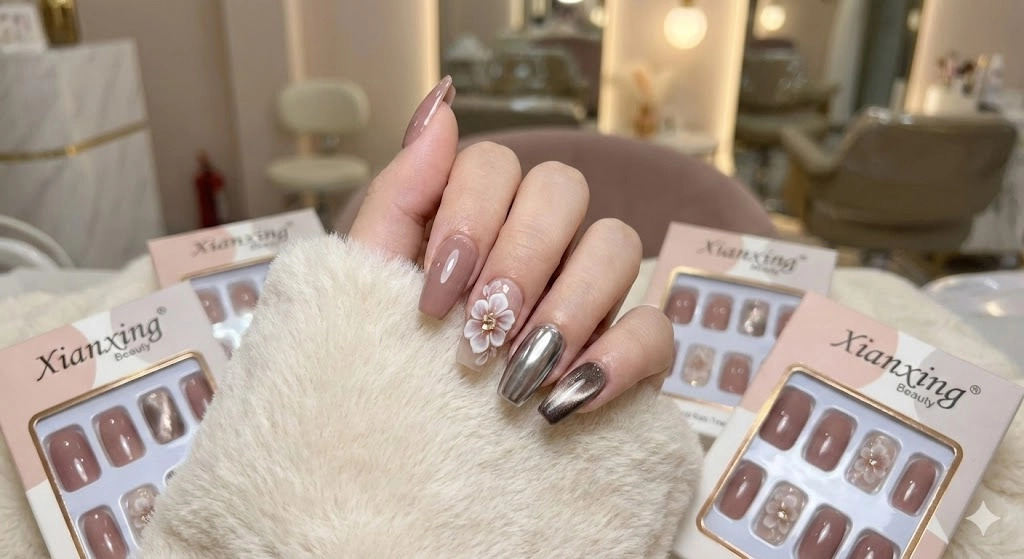
Xianxing Beauty specializes in OEM and custom press-on nail production with QA systems aligned to cosmetic GMP practices, GS1 GTIN support, and packaged solutions for small launches through large retail rollouts. We offer low-MOQ pilot runs, digital art printing to reduce tooling costs, and barcode/packaging compliance consulting so brands can move from concept to retail-ready quickly.
Contact us for a custom quote at [email protected] or visit www.xianxingbeauty.com.
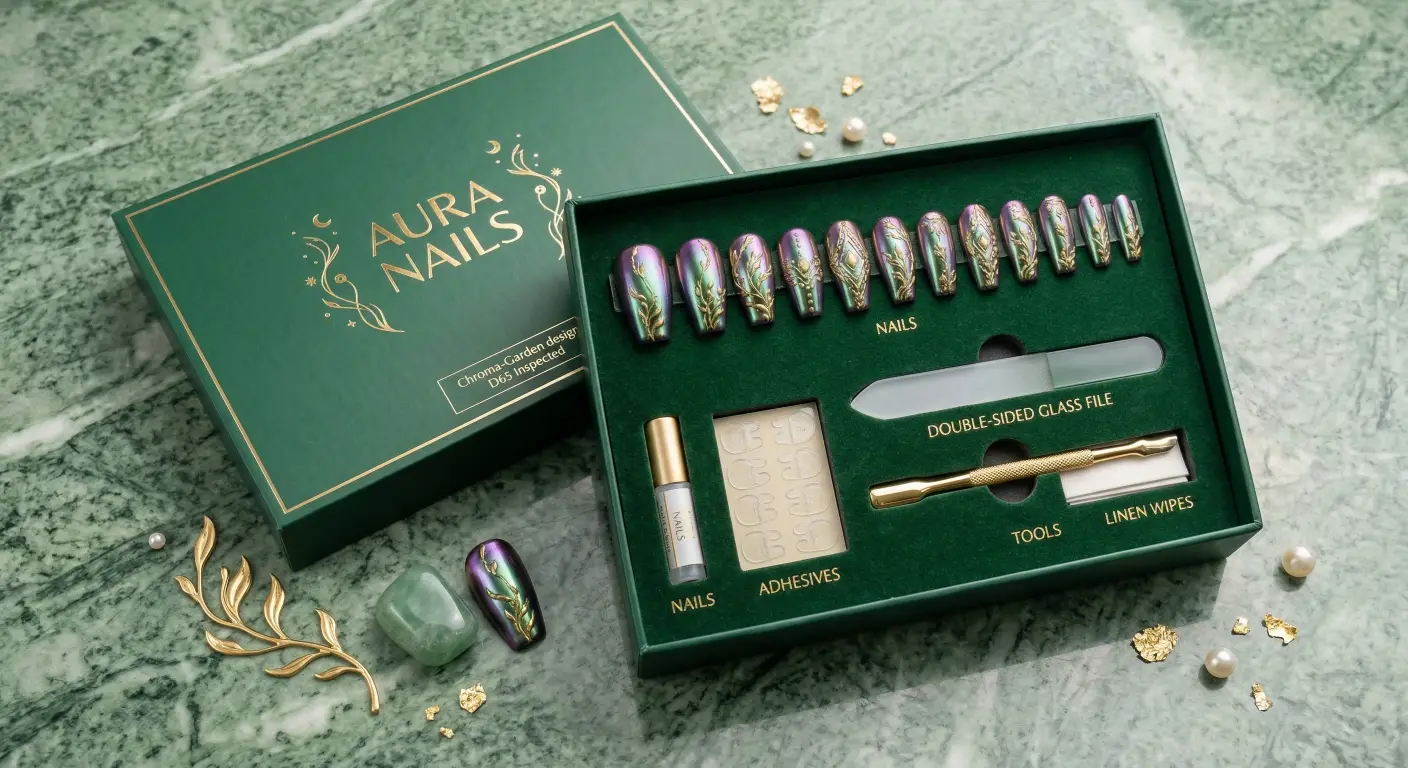
7 Red Flags to Avoid When Selecting a Wholesale Press On Nails Manufacturer
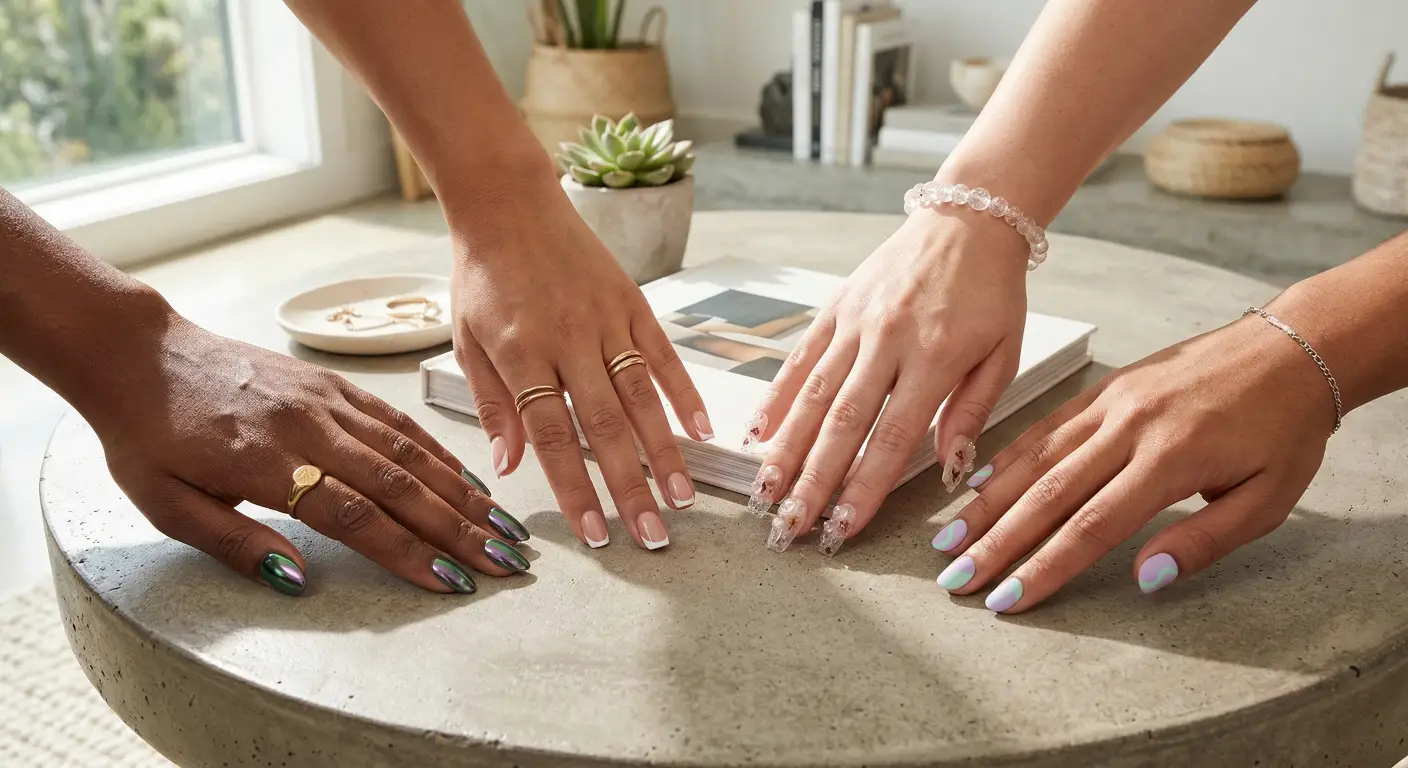
Quality Control: What to Expect from a Top-Tier Wholesale Press On Nails Manufacturer
The Ultimate Guide to Choosing the Best Wholesale Press On Nails Manufacturer in 2026
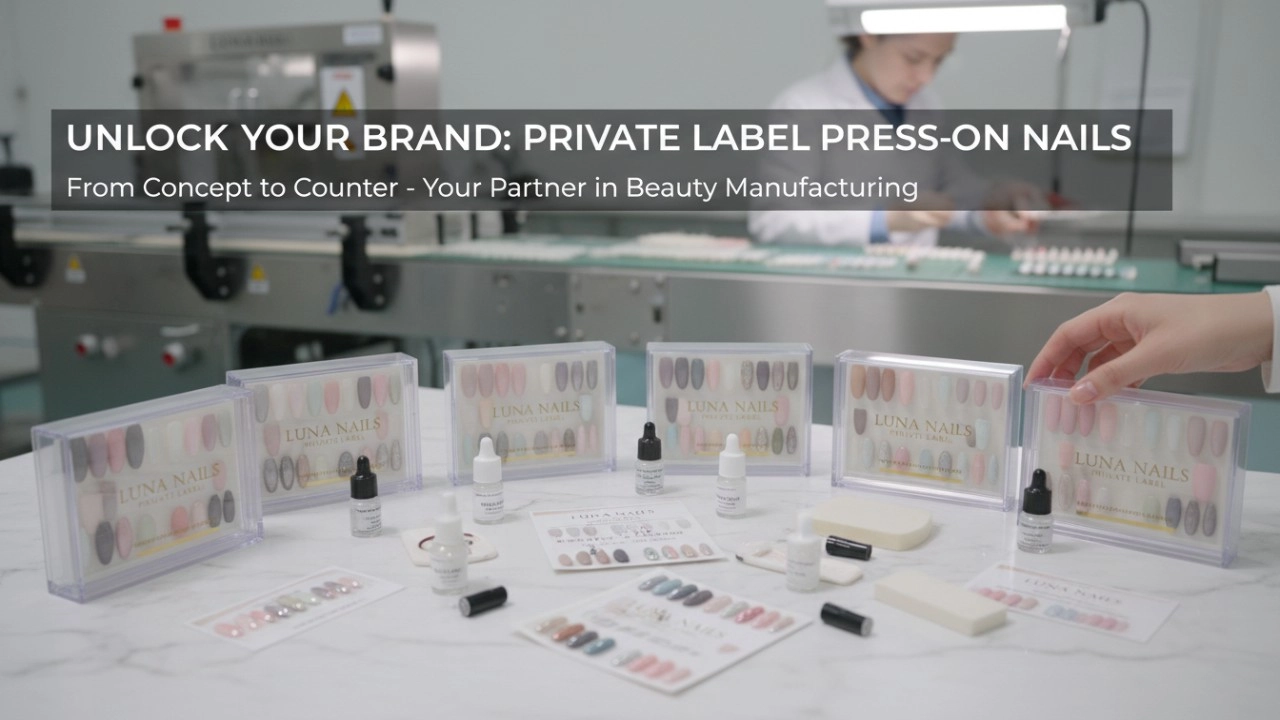
How to Scale Your Beauty Brand: Why Private Label Press On Nails Are the Highest-Margin Entry Point in 2026
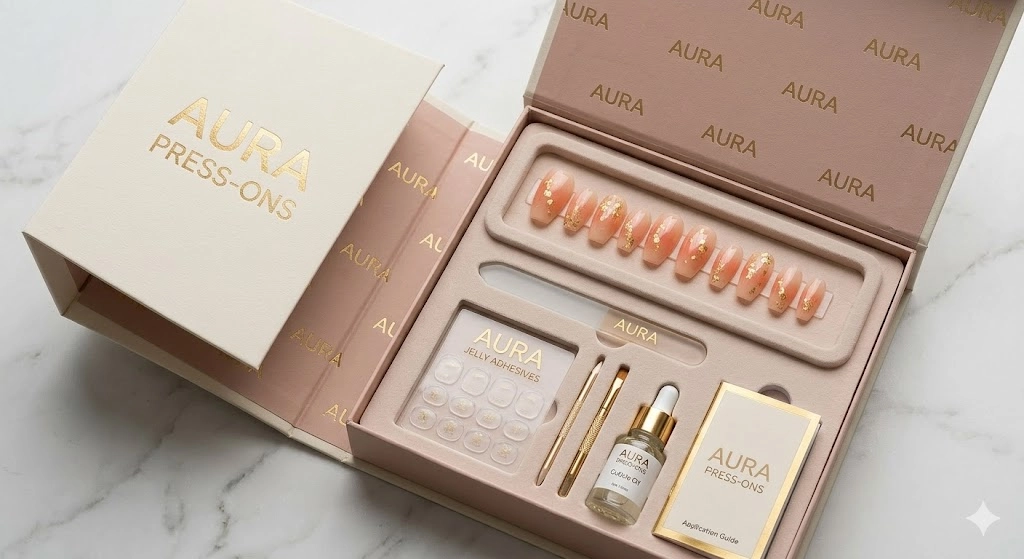
Why Partnering with Professional Press On Nails Manufacturers Boosts Your Brand Growth
Startup Client
What is the typical delivery time?
For stock styles, delivery time is typically 3-7 days. For custom styles, delivery time is usually 2-4 weeks. Specific times can be adjusted based on your order quantity and needs.
Recycled ABS Nails
How to clean and maintain?
When cleaning, you can gently wipe the nail tip surface with warm water and a mild cleaner to remove dirt and grease, and then dry it with a clean towel. Avoid using cleaners containing organic solvents such as alcohol and acetone to avoid damaging the nail tips. When storing, place the press-on nails in a dry and cool place, avoiding direct sunlight and high-temperature and humid environments.
Nail Dust Removal Brush
Are there different types of nail dust cleaning brushes?
Yes, there are various types of brushes, including:
Small handheld brushes: for personal use.
Larger brushes: used in professional nail salons for bigger surfaces.
Airbrush systems: which are automated, though these are more specialized.
About Kid Nails
Can my child wash their hands with press-on nails on?
Yes, but prolonged water exposure (like swimming or long baths) may weaken the adhesive.
Dead Skin Remover
How often should you use a dead skin fork?
It depends on your skin type, but generally, 1-2 times a week is recommended. Over-exfoliating can strip the skin of its natural oils and lead to irritation.
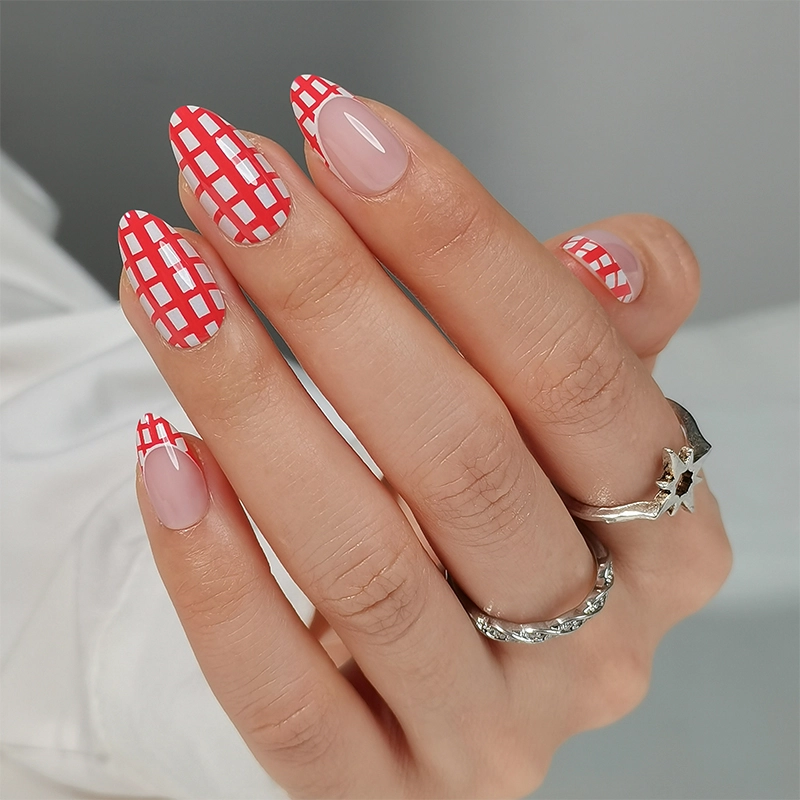
Wholesales Red French Nails Tips Checkered Soft Gel Nail Tips 32 Piece Set
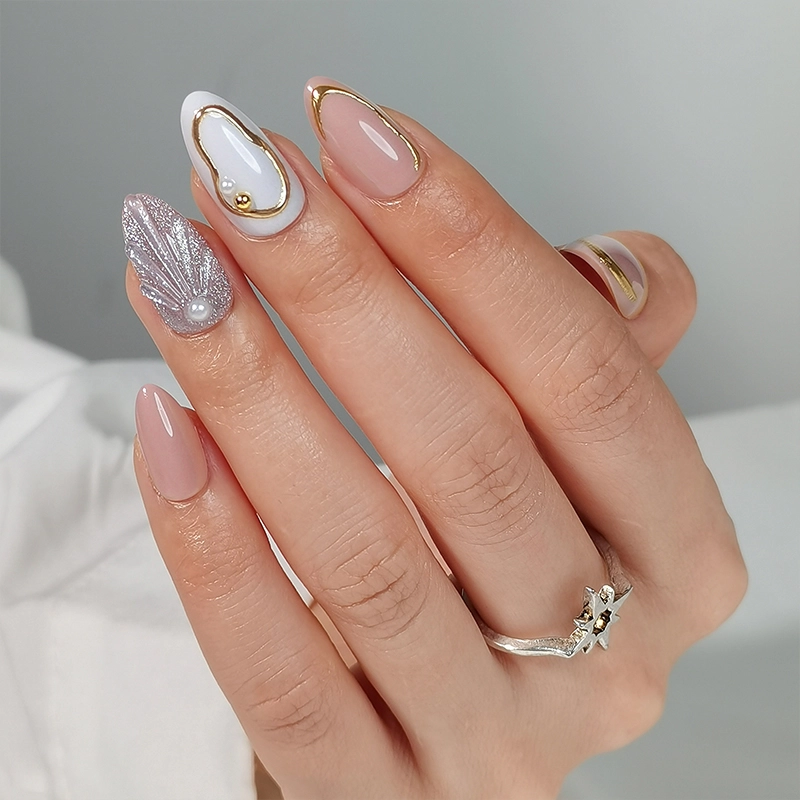
Wholesales Elegant Shell Inspired Soft Gel Wearable Nails for Seasonal Celebrations
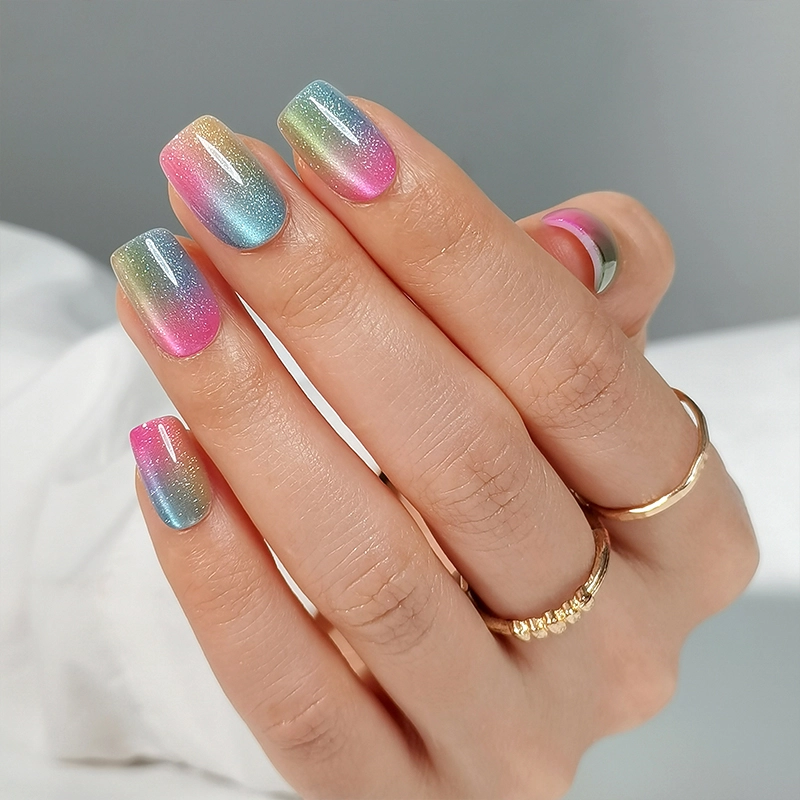
Custom Wholesale Gradient Cat Eye Soft Gel Wearable Fake Nails
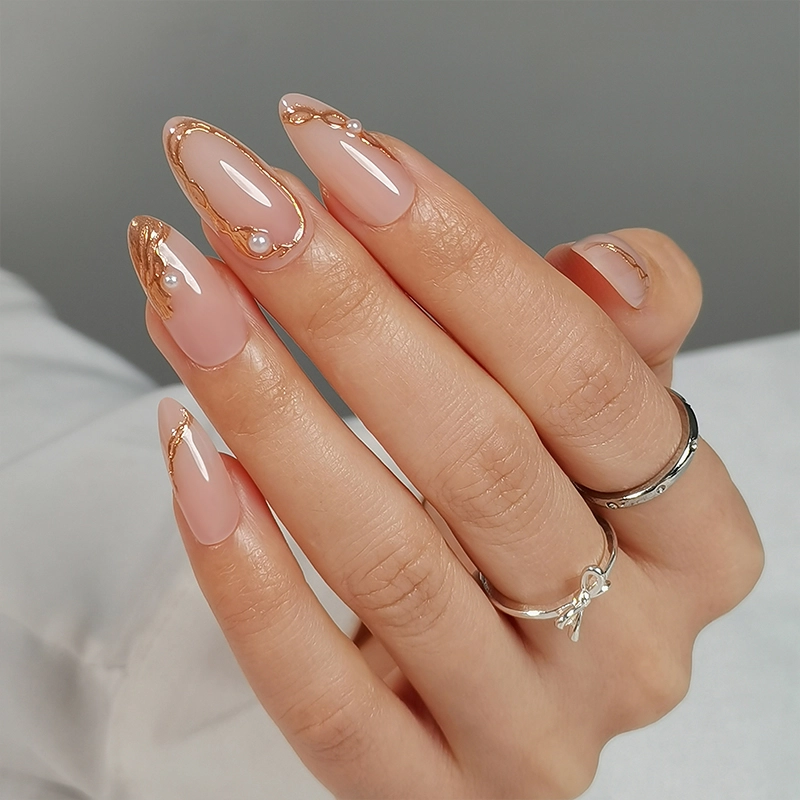
Wholesales Luxury Rhinestone Handmade Private Label Press On Nails Art Tips
Contact us
If you have press on nails products or customization needs, please feel free to contact from
below or via the contact information provided, we'll get back to you promptly within 24 hours.
By clicking 'Send Inquiry Now' I agree to XIANXING BEAUTY processing my personal data.
To see how to withdraw your consent, how to control your personal data and how we process it, please see our Privacy Policy and Terms of use.
Copyright © 2025 - XIANXING BEAUTY All Rights Reserved. Sitemap
Facebook
YouTube
Instagram
LinkedIn