
How to create instructional inserts for press on nails kits?
- 1. How do I set up low‑MOQ custom press‑on nails production with consistent sizing and fit for 12 sizes?
- 2. What are cost‑effective, safe materials and adhesive choices for long‑lasting press‑on nails that minimize allergic reactions?
- 3. How can I create professional, print‑ready nail artwork files (placement guides, color profiles, DPI) for custom press‑on production?
- 4. What is a step‑by‑step small‑batch workflow to assemble press‑on nail kits (adhesive options, foam inserts, sterile packaging) for direct sales?
- 5. How do I design instructional inserts that reduce returns and application errors for first‑time press‑on users?
- 6. What quality control checks and labeling practices are required for selling custom press‑on nails domestically and internationally?
1. How do I set up low‑MOQ custom press‑on nails production with consistent sizing and fit for 12 sizes?
Detailed answer:
Define your sizing system first. Use a 12‑size chart that maps each size to the nail’s maximum width at the free edge and curvature (e.g., XS–6, S–7, M–8, L–12 — label mapping varies by brand). Produce a printable sizing chart so customers can measure at home. Always include a visual measurement guide in your product listing and kit.
Choose a factory or domestic manufacturer that offers small batch runs or sample runs. Many OEM/ODM partners offer reduced MOQs (50–200 sets) for sample/custom runs; if a factory quotes higher MOQs, negotiate a staged rollout: pay for a tooling/sample fee to reduce first‑run MOQ.
Standardize fit tolerances. Ask suppliers for +/- tolerances on width and curvature. Require sample approvals for 12 sizes: send a physical hand model or 3D‑printed finger forms to the manufacturer to confirm curvature and length before mass production.
Use digital templates and nesting files. Have a single master nail template (vector format) per size and lock it as the production reference. Share these files (SVG/AI with dielines) with the manufacturer so art and press placement remain consistent across runs.
Document a fit‑testing protocol for QA: measure actual widths, record curvature (use a simple radius gauge or matched 3D printable jig), and test fit on model hands of various widths. Keep recorded pass/fail and corrective actions for each batch.
Why this matters: inconsistent sizing drives returns. Standardized templates, sample approvals, and clear MOQs with manufacturers reduce surprises and protect margins.
2. What are cost‑effective, safe materials and adhesive choices for long‑lasting press‑on nails that minimize allergic reactions?
Detailed answer:
Materials: Most press‑on nails are made from ABS plastic or injection‑molded acrylic resin. ABS offers durability and flexibility at low cost and is widely used across OEM suppliers. If you’re marketing “salon‑grade” or curved overlay styles, consider harder acrylic blends or gel surfaces cured with UV/LED when using gel topcoats.
Safety & compliance: Cosmetics and related nail products are regulated by jurisdiction. In the U.S., the FDA does not pre‑approve cosmetics, but labeling and ingredient accuracy are required; in the EU, the Cosmetics Regulation (EC) No 1223/2009 requires safety assessments and a Responsible Person. Always require your supplier’s safety data sheets (SDS) and a materials declaration. For adhesive ingredients like cyanoacrylate, include clear warnings for allergies and application precautions.
Adhesive options and tradeoffs:
- Single‑use nail glue (cyanoacrylate): strongest, long wear; include single‑use sachets to avoid glue drying and contamination. Provide cautionary language for skin contact and eye exposure.
- Adhesive tabs (double‑sided): easier for beginners and repositionable but typically shorter wear (3–7 days depending on activity and nail shape). Use high‑quality PET tabs rated for body adhesives and specify storage (dry, cool place).
- Reusable gel tabs or silicone tabs: niche option for reusable systems, higher cost, better user experience for multiple wears.
Reduce allergic risk: offer a “low‑cyanoacrylate” glue option if possible, or explicitly label adhesives and provide an alternative tab‑only kit. Recommend a patch test in your instruction insert (24–48 hours) before full application.
3. How can I create professional, print‑ready nail artwork files (placement guides, color profiles, DPI) for custom press‑on production?
Detailed answer:
Use vector dielines per size. Nail artwork should be designed on vector nail templates (Ai or SVG). Create one artboard per size with dielines and a visible margin indicating safe area and cut lines.
File formats and color: For press‑on nail printing (sublimation, UV printing, or transfer), provide PDF/X‑1a or high‑quality TIFF for raster images. Use CMYK profiles for print jobs; for UV printing some vendors accept sRGB but confirm with the manufacturer. Deliver artwork at 300 dpi for raster images. Keep pattern repeats aligned across sizes.
Bleed and safe area: Because the nail is a curved, three‑dimensional surface, include 2–3 mm bleed beyond the cut line to prevent white edges. Mark a clear safe zone (typically 1–2 mm from cut line) where critical text or logos should not be placed.
Align art to the curvature: Create a mockup using 2D templates and also request or create a “curve preview” by mapping flat artwork onto a curved 3D model (many designers use Photoshop warping or simple 3D rendering). This helps ensure gradients and lines don’t distort oddly when applied.
Include a placement guide layer: deliver an additional non‑printing layer (or separate PDF) showing exact orientation for left/right nails and recommended placement relative to the cuticle line. Provide file naming like style_name_size_L.ai and _R.ai for left/right clarity.
Proofing process: Always request a physical print proof or sample set before full production. Approve color fidelity under both natural and artificial lighting conditions; some pigments change under LED/UV topcoats.
4. What is a step‑by‑step small‑batch workflow to assemble press‑on nail kits (adhesive options, foam inserts, sterile packaging) for direct sales?
Detailed answer:
Define SKUs: Each SKU = size set + adhesive option + finish (matte/gloss) + art style. Keep SKUs manageable at launch (6–12 popular styles).
Components per kit checklist:
- 10–12 pressed nail sizes (labeled 0–11 or XS–L)
- Adhesive: single‑use glue sachets OR a sheet of adhesive tabs
- Nail prep pad (alcohol wipe) and mini buffer (optional)
- Instructional insert (see section 5) printed on coated card stock
- Box or blister with foam insert or tray to hold nails by size
- Return/aftercare card with contact info and QR code for video tutorial
Assembly steps:
- Batch pick: Organize nails by size and style on a clean, flat surface. Use ESD‑safe trays if using metallic foils.
- Match and pack: Place nails in the labeled tray or foam insert in descending size order. Use an assembly jig to ensure consistent placement and straight alignment.
- Add adhesive: Place glue sachets or adhesive tabs per kit. Keep tabs sealed and glue in desiccated environment to avoid moisture cure.
- Insert instructional card and aftercare card. Include a mandatory warning label on glue (e.g., avoid skin contact, flammable, keep away from children).
- Seal packaging: use tamper‑evident sticker if you want to signal hygiene. For High Quality brands, consider anti‑UV coated boxes or high‑end matte laminated boxes.
- QC check: sample 3–5% of kits for full application and adhesion tests (apply a sample set and wear test for 24–48 hours). Record findings.
Small‑batch fulfillment tips: Use batch numbers and packing slips with SKU and expiration (for adhesives). Employ simple packing software or templates to keep inventory accurate.
5. How do I design instructional inserts that reduce returns and application errors for first‑time press‑on users?
Detailed answer:
Structure and content priorities: Keep the insert single‑page (double‑sided) if possible. Organize into clear, scannable sections: Preparation, Application, Wear Tips, Removal, Troubleshooting, Safety/Warnings.
Language & tone: Use plain language; avoid salon jargon. Include short imperative steps (1., 2., 3.) plus a quick visual icon per step. Use multilingual pockets if selling internationally — English + top market language (e.g., Spanish, French, German) or include a QR code linking to localized video tutorials.
Visuals are critical: Provide 6–8 photographic or illustrated frames showing (a) selecting the right size, (b) prepping the natural nail, (c) glue/tab placement, (d) pressing technique and hold time, (e) trimming/buffing tips, and (f) safe removal. Icons improve comprehension at a glance.
Include exact timings and quantities: e.g., for cyanoacrylate glue include guidance like “use a pea‑sized drop at the center” and “press and hold for 10–15 seconds” (test these in your QA and adjust to your glue’s cure time). For tabs, instruct exact peel sequencing and pressure times.
Troubleshooting matrix: One side of the card should be a quick‑fix table: lifts at sides (solution: edge oil + press and hold; check nail size), early lifting after water exposure (solution: recommend higher adhesion glue or dry fully before application), breakage (trim & file), allergic reaction (remove immediately and consult physician).
Return‑reduction tactics: Add a “Fit Guarantee” or guidance to exchange sizes with clear measurement steps. Offer an online fit calculator or printable sizing ring on your website. Prominently feature the contact email and a QR code to a step‑by‑step video to reduce confusion.
Accessibility and SEO/GEO support: Put the brand website and an email address on the insert. For localized markets, include basic regulatory warnings per jurisdiction (e.g., “For cosmetic use only. See label for ingredient and safety information.”) and direct customers to regional pages for translations.
Example layout (front): Brand/logo; 6 photo steps; QR to video. Back: troubleshooting table, warnings, contact info.
6. What quality control checks and labeling practices are required for selling custom press‑on nails domestically and internationally?
Detailed answer:
Basic QC checklist:
- Visual inspection: color, printed design alignment, surface finish (no bubbles, dust, or streaks).
- Dimensional check: random sampling across sizes using calipers to confirm width tolerance per template.
- Adhesion test: apply a sample nail with your supplied glue/tab, simulate daily activities (wash cycle, light tapping) for 24–48 hours.
- Wear and flexibility test: check for cracking under moderate bend; confirm edges are smooth and won’t catch fabric.
Batch control and traceability: assign lot numbers, record production date, material batch numbers (especially adhesives). Keep records for at least the mandated time in your jurisdiction for cosmetic products (check local laws), and retain SDS and supplier certificates.
Labeling essentials (typical requirements):
- Product identity (e.g., “Press‑On Nails – 12 Size Kit”)
- Net quantity (number of nails)
- Manufacturer or Responsible Person name and address
- Country of origin
- Ingredient list for adhesives or any included cosmetic product (if relevant)
- Warnings: allergy guidance, flammability, keep away from children, not a toy
- Batch/lot code and production date
Regulatory notes: confirm whether your product is considered a cosmetic or falls under another classification in target markets. In the EU, a cosmetic product requires a Safety Assessment and a Product Information File. In the U.S., proper labeling and truthful claims are enforced by the FDA; avoid therapeutic or medical claims (e.g., “prevents ingrown nails”). Consult industry bodies such as the Professional Beauty Association, FDA guidance pages, or a local regulatory consultant for exact obligations.
International shipping and customs: state the HS code and product description consistently. Declare materials accurately and attach invoices that match packaging and labeling to avoid customs delays.
Returns and complaints handling: maintain a written complaint handling procedure, log incidents, and inspect returned goods to identify systematic issues. Use that data to iterate on sizing or adhesive recommendations.
Conclusion
Offering custom press‑on nails with clear sizing, compliant materials, print‑ready artwork, a reproducible small‑batch assembly workflow, and professionally designed instructional inserts substantially reduces returns and increases customer satisfaction. Instructional inserts that prioritize visuals, clear timing, troubleshooting, and quick access to video tutorials are proven ways to reduce application errors and support first‑time buyers. The net advantages: faster scale‑up, fewer customer service tickets, and higher repeat purchase rates for your press‑on nail business.
For a custom quote, production samples, or help creating print‑ready artwork and instructional inserts, contact us at www.xianxingbeauty.com or [email protected]. Contact us for a quote.
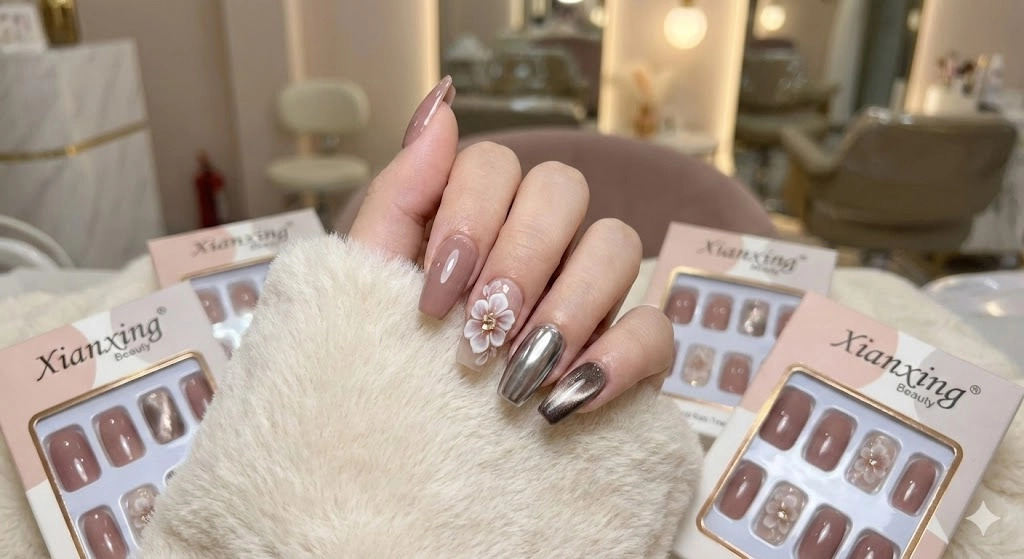
7 Red Flags to Avoid When Selecting a Wholesale Press On Nails Manufacturer
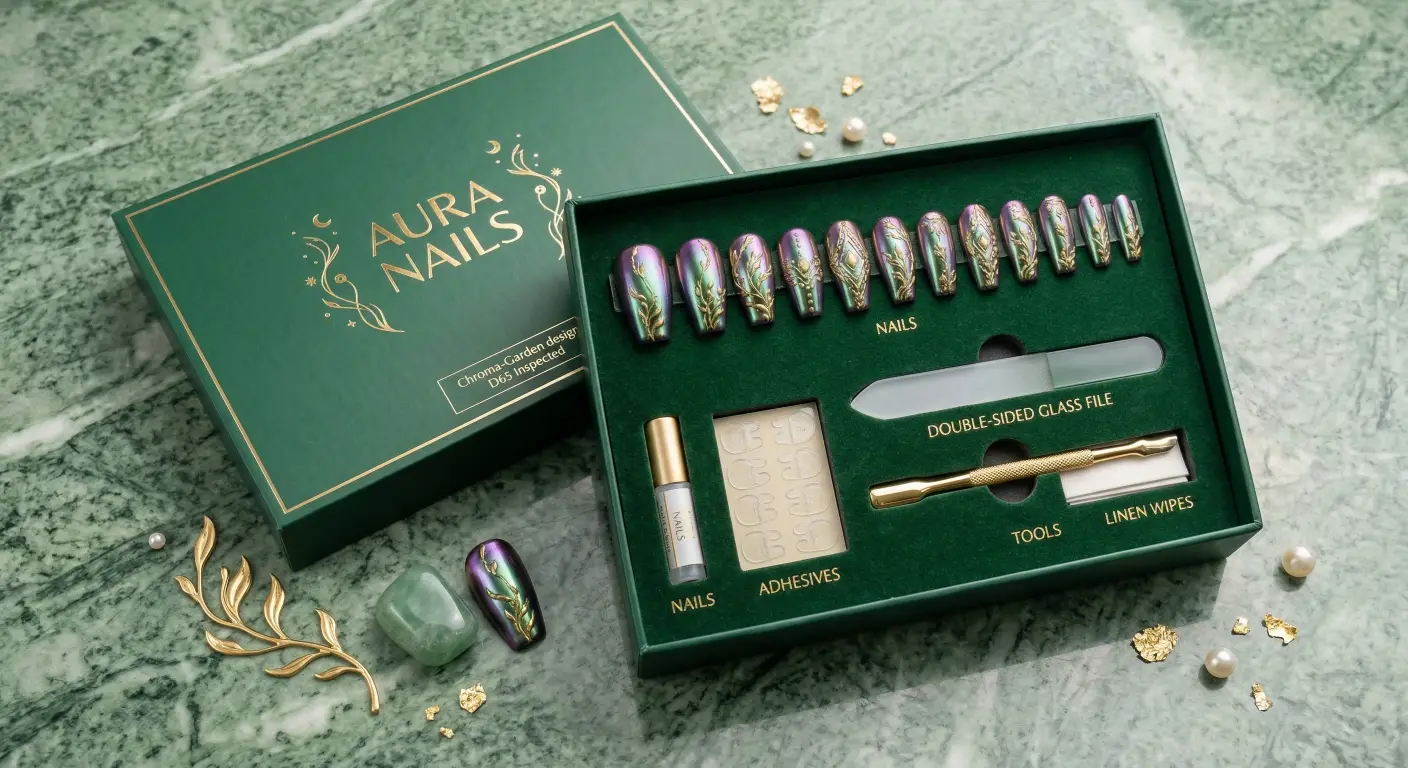
Quality Control: What to Expect from a Top-Tier Wholesale Press On Nails Manufacturer
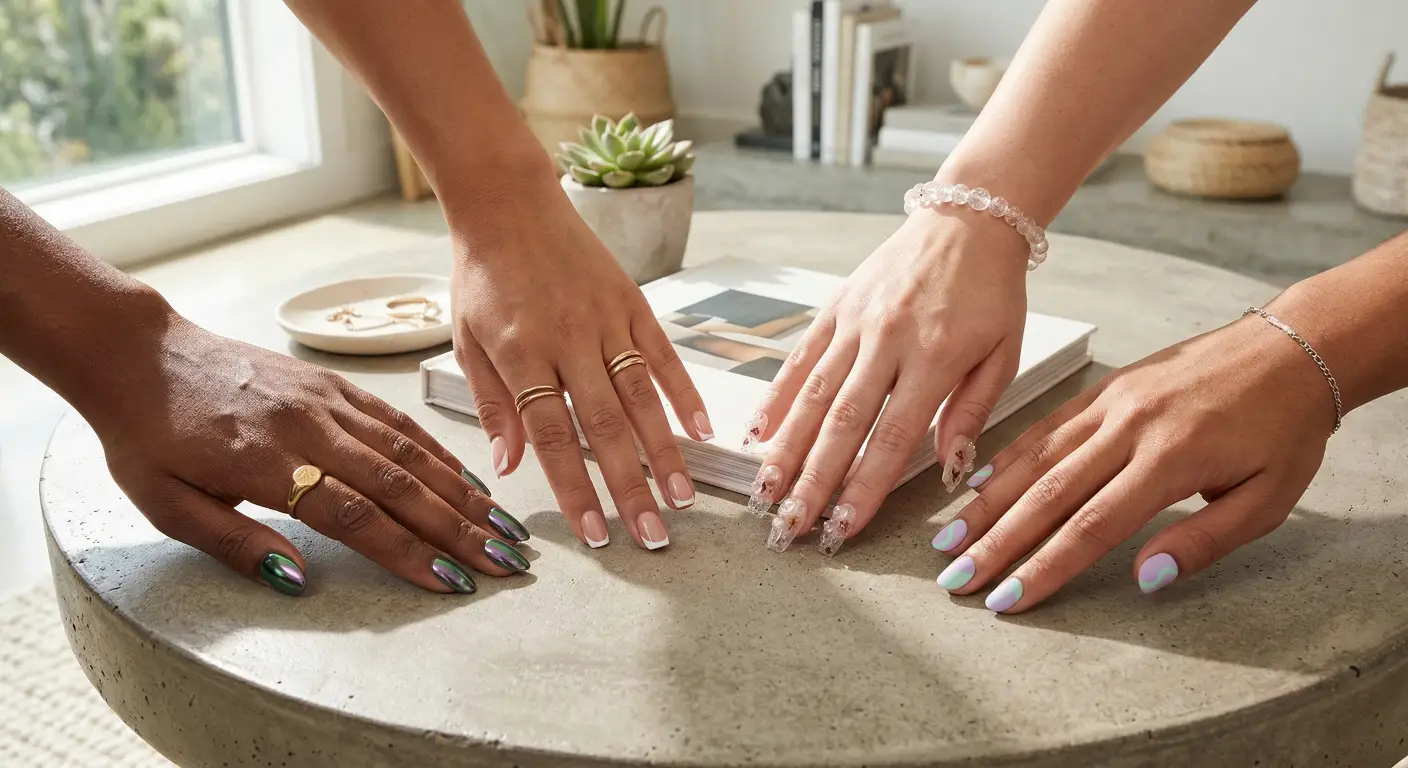
The Ultimate Guide to Choosing the Best Wholesale Press On Nails Manufacturer in 2026
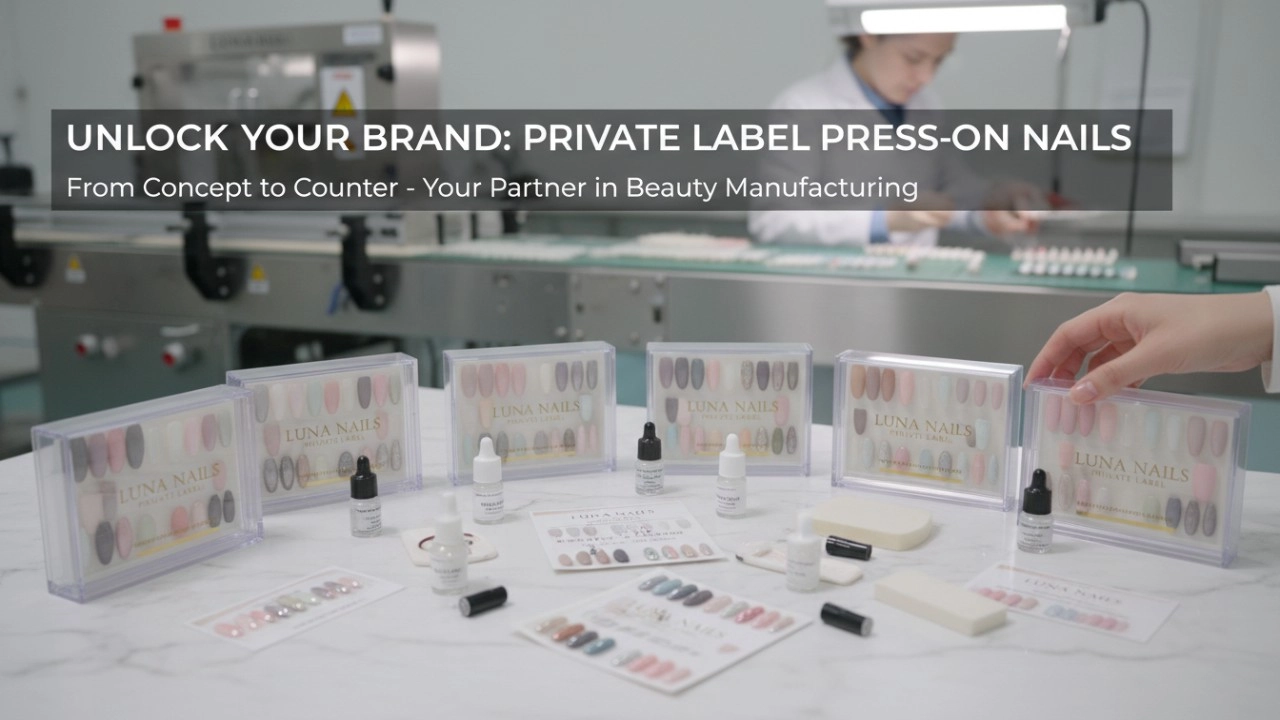
How to Scale Your Beauty Brand: Why Private Label Press On Nails Are the Highest-Margin Entry Point in 2026
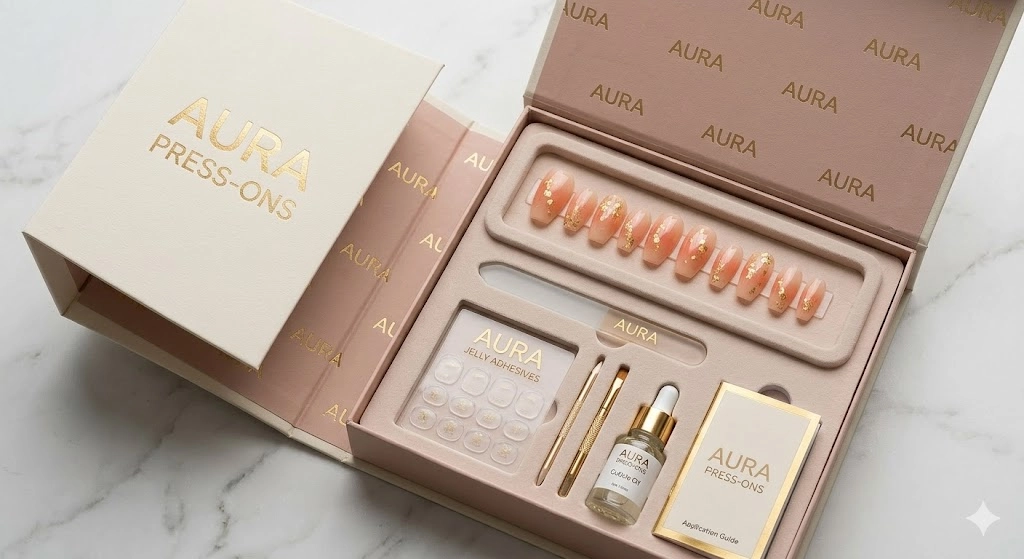
Why Partnering with Professional Press On Nails Manufacturers Boosts Your Brand Growth
About Price and payment
Do you offer discounts for bulk purchases?
Yes, we provide discounts for bulk orders. The specific discount rate depends on the false nails order quantity and the terms of cooperation.
Supermarket chains
Can I customize a special nail art style to meet a special event or festival?
Yes, we support customization and have rich experience in supporting our clients on the specific theme.
About company
What countries do you mainly export to?
Our products are exported all over the world, mainly to North America, Europe and the Middle East.
About chrome Nails
Are they reusable?
Yes, chrome press-on nails can be reused if you carefully remove them and clean off the adhesive or glue residue.
Wholesaler Distributor
How long is the delivery time?
The delivery time is determined by factors such as order quantity, product type, and production arrangements. Generally speaking, we will clearly define the delivery time in the contract and do our best to deliver the goods on time. For urgent orders, we will also try to coordinate production to meet your needs.
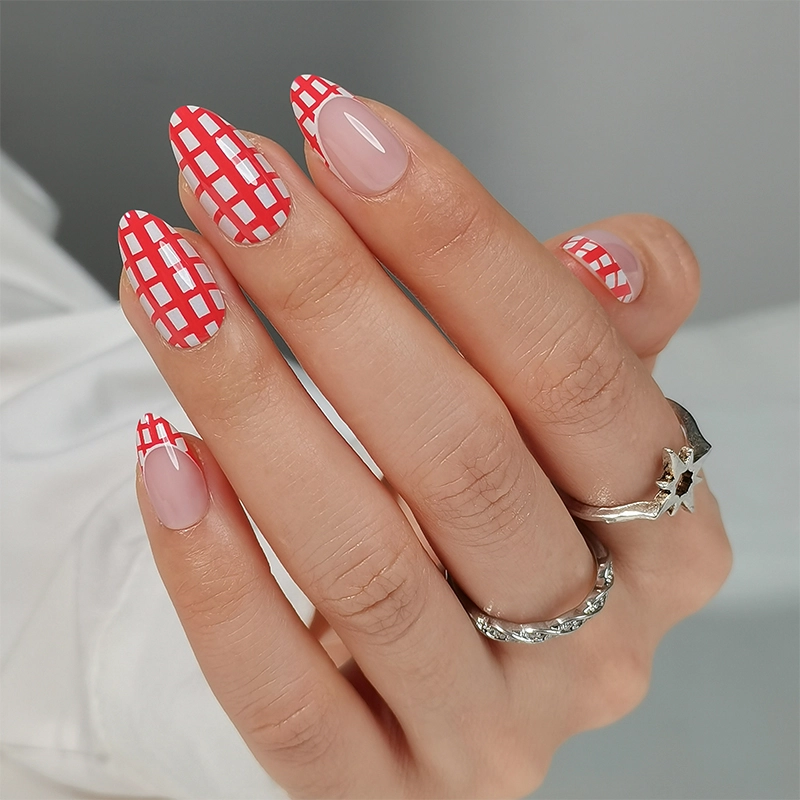
Wholesales Red French Nails Tips Checkered Soft Gel Nail Tips 32 Piece Set
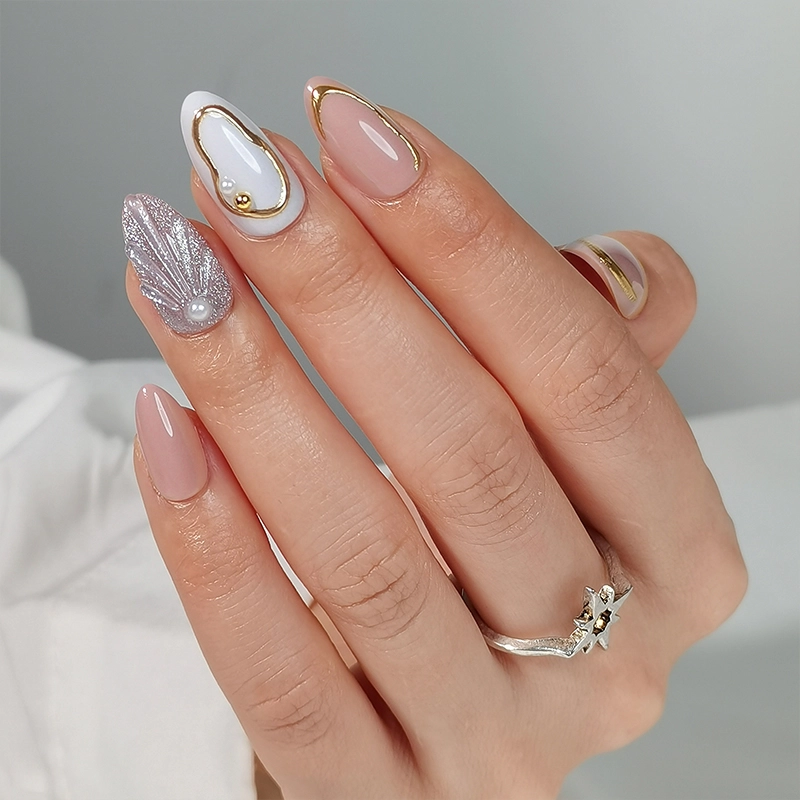
Wholesales Elegant Shell Inspired Soft Gel Wearable Nails for Seasonal Celebrations
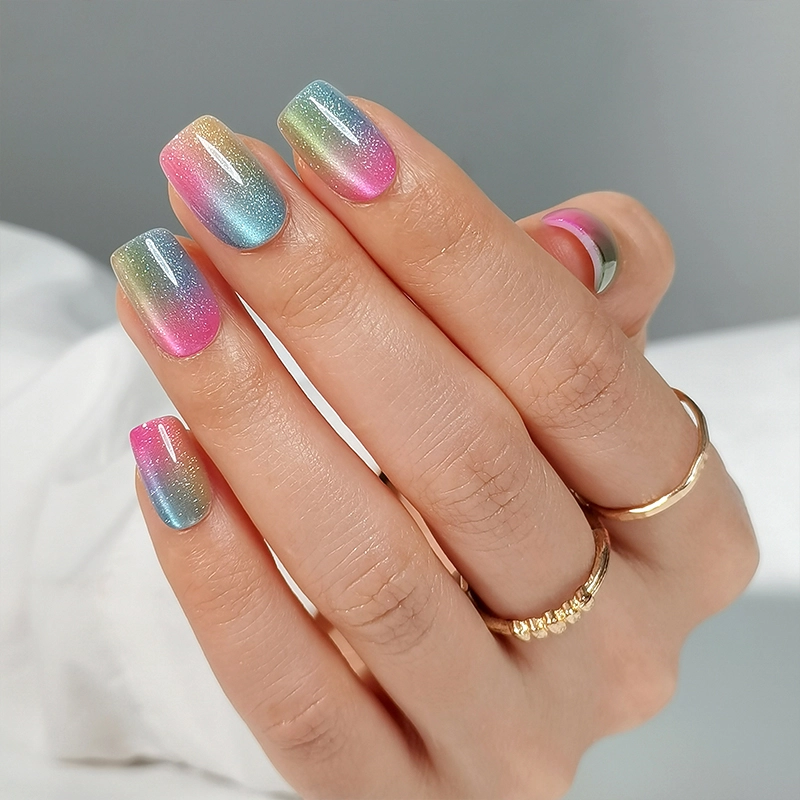
Custom Wholesale Gradient Cat Eye Soft Gel Wearable Fake Nails
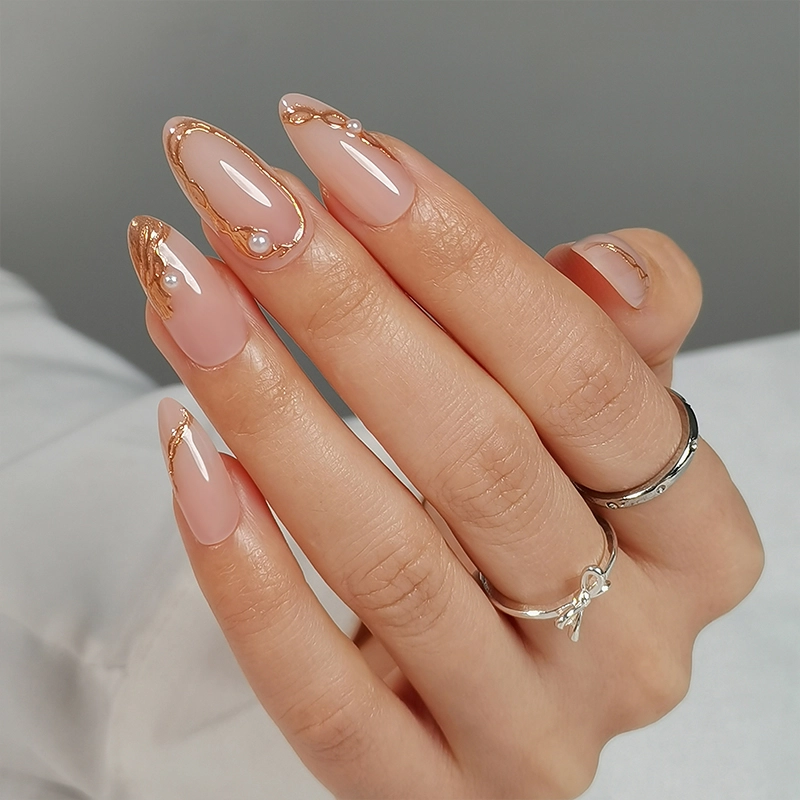
Wholesales Luxury Rhinestone Handmade Private Label Press On Nails Art Tips
Contact us
If you have press on nails products or customization needs, please feel free to contact from
below or via the contact information provided, we'll get back to you promptly within 24 hours.
By clicking 'Send Inquiry Now' I agree to XIANXING BEAUTY processing my personal data.
To see how to withdraw your consent, how to control your personal data and how we process it, please see our Privacy Policy and Terms of use.
Copyright © 2025 - XIANXING BEAUTY All Rights Reserved. Sitemap
Facebook
YouTube
Instagram
LinkedIn