
How to run limited edition drops of custom press on nails?
- 1) How do I build an accurate sizing system for custom press-on nails to cut returns and exchanges?
- 2) How do I calculate per-unit costs for small-batch custom press-on nails (materials, labor, packaging, fees)?
- 3) How should I structure a short-run manufacturing workflow and BOM when outsourcing limited edition press-on drops?
- 4) How do I plan and run limited edition drops so scarcity increases demand without alienating repeat customers?
- 5) How do I manage inventory, pre-orders, and fulfillment for limited edition press-on drops to prevent stockouts and shipping delays?
- 6) How can I protect my designs and intellectual property when selling custom or limited edition press-on nail art online?
- Conclusion: Advantages of starting a custom press-on nails line and using limited edition drops
How to Start Custom Press On Nails and Run Limited Edition Drops
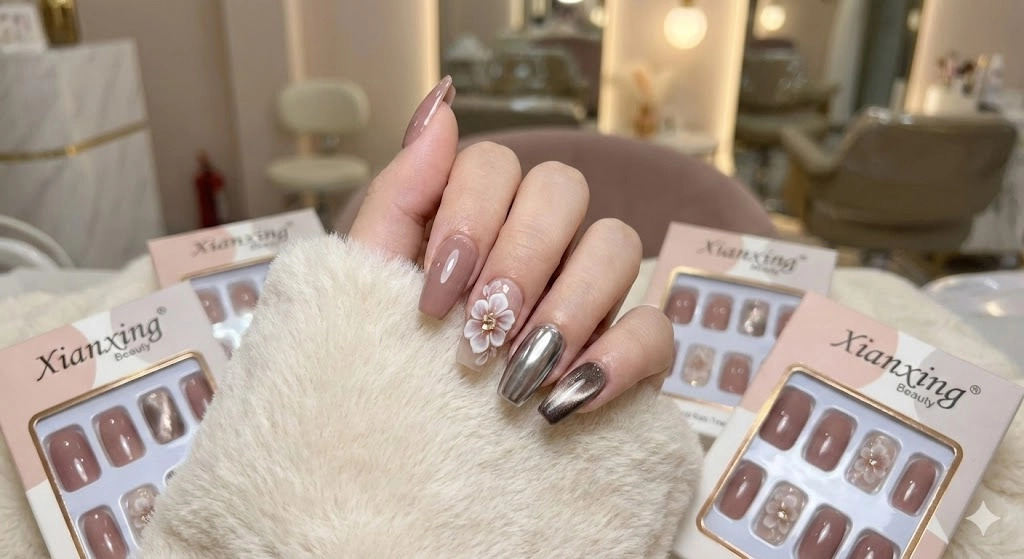
Written by Xianxing Beauty — practical, production-focused guidance for nail technicians, indie brands, and ecommerce sellers who want to launch custom press-on nails and execute profitable limited edition drops. This resource covers sizing systems, cost math, factory workflows, fulfillment, drop marketing, and protecting your designs.
1) How do I build an accurate sizing system for custom press-on nails to cut returns and exchanges?
Pain point: high return rates from poor fit. Solution should be a reproducible sizing system that customers can follow and your production team can use as a single source of truth.
Step-by-step:
- Create a 10–12 size scale tied to millimeter widths, not vague labels. Measure widest nail bed width in millimeters for each size. Store these mm values in a single spreadsheet (size 0 = xx mm, size 1 = xx mm, etc.).
- Provide a printable sizing guide and a mobile-friendly interactive sizing tool that instructs customers to measure across the widest part of their natural nail. Include both a trace template (PDF) and a ruler-based method so users without printers can measure accurately.
- Design your sets with a recommended size map: provide the 10 most-common widths for adult hands and include 1–2 extra/smaller sizes in each kit to accommodate trimming. Offer “full coverage” and “trim-to-fit” instructions in the listing and packaging insert.
- Manufacturing control: require every batch to include a sample “fit sheet” — one set made to the mm spec that is measured with a digital caliper and signed off. Use a QC checklist that records actual widths per size and stores photos of the measured sample in your production folder.
- Customer education: include a short video (20–45 seconds) showing measuring, sizing selection, and how to file/trim press-on nails safely. Use clear alt-text and schema markup (Product > size) to help search engines surface your sizing guide.
Why it works: tying sizes to millimeters reduces subjective interpretation. The printable template + extra sizes in sets reduce returns caused by one-off fit problems.
2) How do I calculate per-unit costs for small-batch custom press-on nails (materials, labor, packaging, fees)?
Pain point: underpricing or losing money when orders are small. You need a repeatable cost model that accounts for variable and fixed expenses.
Cost formula (step-by-step):
- List variable costs per unit:
- Materials: nail blanks, polish or gel, decals, embellishments, glue tabs or glue sachet, inserts.
- Packaging: box, bubble, custom inserts, shrink wrap, printed instructions.
- Direct labor: time to produce one full set × labor rate per hour.
- List batch-level variable costs (divide across the batch size):
- Art setup & printing plates (if any), pre-production sample costs, initial adhesive tab adhesives or applicators bought in small quantities.
- Allocate overheads per unit:
- Monthly fixed costs (studio rent, software subscriptions, equipment depreciation). Divide these by expected monthly unit volume to get an overhead allocation per unit.
- Add platform fees per sale: marketplace commission, payment gateway fees, and expected return/rework rate allowance.
- Per-unit cost = materials + (batch-level costs / batch size) + labor + overhead allocation + per-order fees.
- Retail price = Per-unit cost ÷ (1 - desired gross margin). For example, for a 50% gross margin: retail = cost / 0.5.
Practical tips:
- For limited edition drops, include a separate line called design amortization to recover one-time artwork or mold costs over the expected units you plan to sell in the run.
- Track actual production time for 10–20 sets to get realistic labor minutes rather than optimistic estimates. Use a time-tracking app for accuracy.
- Factor in rework and QC rejection rates (start with a conservative 5–10% buffer for new designs and reduce as you stabilize).
3) How should I structure a short-run manufacturing workflow and BOM when outsourcing limited edition press-on drops?
Pain point: poor spec sheets lead to wrong colors, missing components, or long rework loops. Small runs magnify supplier miscommunication.
Outsourcing workflow (production-ready checklist):
- Bill of Materials (BOM) — be explicit: nail blank material (ABS/PC), base finish (matte/gloss), color system (Pantone or hex + manufacturer sample), decal files (vector + raster at 300 DPI), adhesive type (glue sachet vs tabs), packaging dieline (PDF), and quantity per SKU.
- Pre-production sample (PPS): order a hand-made sample or a 5–10-set pilot before committing. Approve physical PPS with signed-off photos and measurement sheet.
- Quality Checklist for each batch: size widths measured and recorded, adhesion test (adhesive holding time data), color match under daylight, top-coat hardness test if needed, and finish inspection for bubbles or dust.
- Define clear Lead Times: confirm tooling & artwork turnaround, sample time (typically 3–7 business days for small runs), and full production (7–21 days depending on backlog and complexity). Put these in the contract.
- Payment & MOQ: negotiate a low MOQ for limited drops (e.g., 50–200 sets) and staged payments: deposit for tooling and balance on shipment/inspection.
- Batch numbering & traceability: require the supplier to include a batch code on the packing slip so you can track production issues back to a run.
Tools to use: shared Google Drive for all artwork, a version-controlled filename convention, and a short documented SOP that you and the vendor sign off on. This prevents design drift across multiple drops.
4) How do I plan and run limited edition drops so scarcity increases demand without alienating repeat customers?
Pain point: scarcity can create hype but also frustration and lost lifetime value if done wrongly.
Drop strategy (balanced, repeatable approach):
- Pre-launch phase (2–3 weeks): build a waitlist via email and social channels using high-quality lifestyle images and a clear release time window. Share behind-the-scenes process shots (making, sanding, embellishing) to show craft and justify scarcity.
- Allocation plan: decide the exact number of sets per size and per channel (store vs wholesale vs boutique). Publish clear rules: first-come-first-serve or random allocation and avoid opaque methods that breed mistrust.
- Tiered access: reward loyal customers with early access codes (e.g., loyalty subscribers or past purchasers), but reserve a portion of inventory for public sale to acquire new customers.
- Transparent communications: state shipping windows and expected delivery dates. If items are limited, display remaining quantity or a clear “limited run of X sets” label to manage expectations.
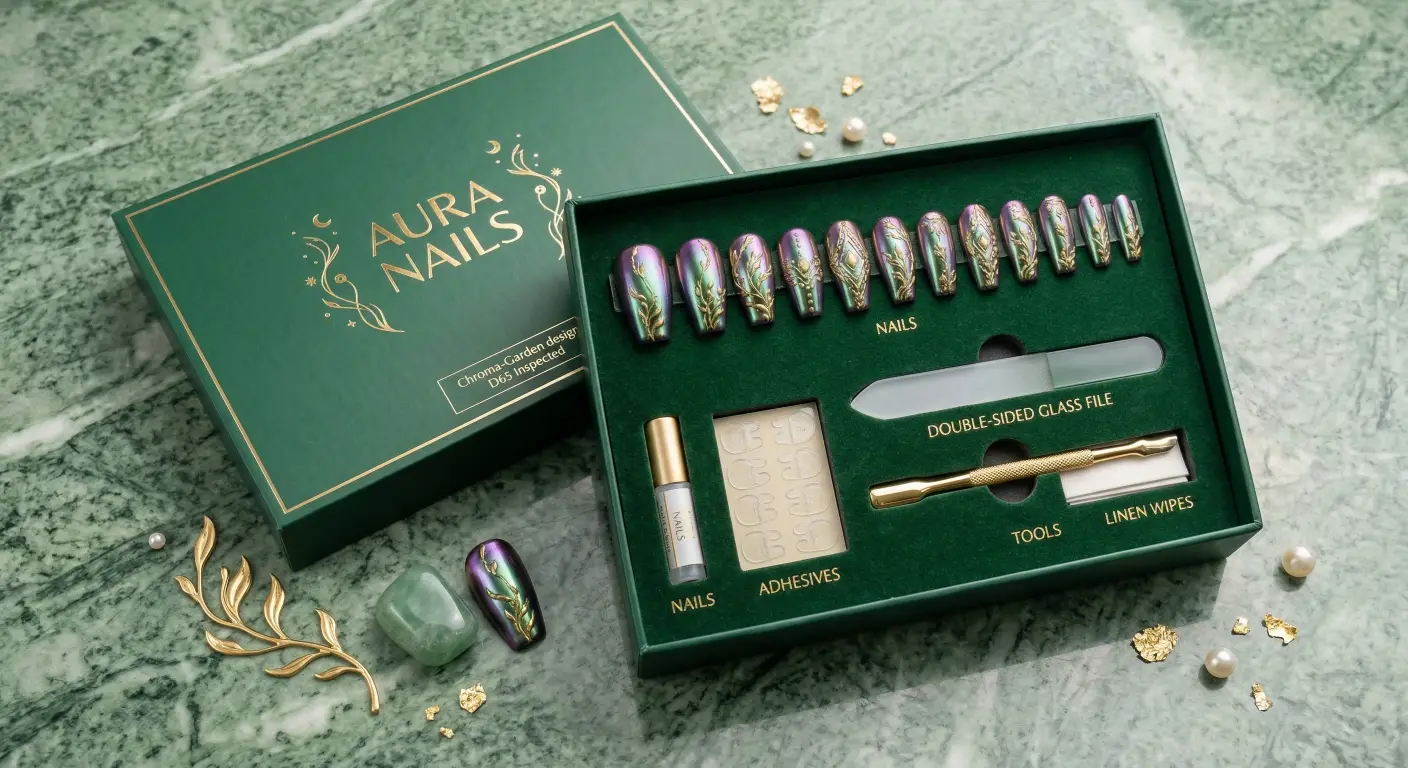
- Pricing scarcity correctly: limited drops can carry a High Quality but balance price vs perceived value. Include exclusive packaging, certificate of authenticity (serial number), or numbered prints to increase perceived exclusivity without inflating costs drastically.
- Post-drop plan: offer a restock waitlist only for truly popular items and be honest about whether a repeat run is possible (e.g., die-limited vs handmade originals). Use the data to decide whether a reissue with changed artwork is better than a straight restock.
Marketing channels and technical implementation: use your Shopify/Etsy inventory sync to toggle visibility, set up pre-orders when volume is uncertain, and use schema markup for Product availability. Drive traffic with Instagram/TikTok teasers and a timed email series to the waitlist.
5) How do I manage inventory, pre-orders, and fulfillment for limited edition press-on drops to prevent stockouts and shipping delays?
Pain point: overselling or long fulfillment windows harm trust. You need systems to align demand signals and production capacity.
Operational checklist:
- Decide on order flow: true pre-order (collect payments and produce after) vs reserve-only (no payment until shipping). Pre-orders provide working capital but require strict shipping windows.
- Inventory allocation by size: forecast the most common size distribution (use historical sales if available). For new sellers, allocate conservatively — e.g., 2× the demand for mid-range sizes and smaller allocations for extremes.
- Set realistic ship windows: add a production buffer (e.g., +3–7 days) to the supplier quoted lead time for new designs. Communicate this clearly on product pages and confirmation emails.
- Fulfillment options: in-house vs 3PL. For limited drops, a local 3PL or fast fulfillment partner can reduce delivery variability. Use batch shipping picks for faster handling and include easy-to-follow insert cards and adhesive instructions.
- Return handling & warranty: publish a clear return policy for sizing issues and glue/adhesive defects. Consider offering replacement single nails or an exchange credit to avoid full returns.
- Use automation tools: integrate Shopify/Etsy with inventory management (e.g., Stock&Buy, ShipStation) and set low-stock alerts by size SKU to prevent overselling if you also sell elsewhere (marketplace syncing is essential).
Note: For limited drops, consider splitting fulfillment into two waves (hold back 10–20% for customer service issues or wholesale partners) to retain some control over inventory after the initial launch.
6) How can I protect my designs and intellectual property when selling custom or limited edition press-on nail art online?
Pain point: designs are copied quickly on social platforms; you need practical and legal measures to protect your work affordably.
Layered protection strategy:
- Contracts & NDAs: always sign a clear contractor agreement with freelance nail artists and any manufacturer with a clause that artwork is work for hire and IP is transferred to you on payment. Use NDAs for prototype shares where reasonable.
- Documentation & time-stamped proof: keep source files, layered artwork, and dated work records (versioned filenames, cloud timestamps). This helps prove creation date in disputes.
- Design registration and trademarks: where necessary and affordable, register unique designs or logos. In the U.S., design patents (or design registration) can protect aesthetic designs; in the EU there are registered Community designs. Consult a local IP attorney for high-value designs or signature lines.
- Digital deterrents: watermark product photos published to social channels (subtly), use lower-resolution images on social while providing high-res images only to verified stockists, and apply copyright notices on product pages.
- Enforcement: have a takedown template ready and document infringement. Use marketplace reporting tools (Etsy, Instagram) first; escalate to legal channels only if necessary. Many sellers use cease-and-desist letters as a first step.
For limited edition drops, emphasizing small-run numbering, certificates of authenticity, and signature packaging increases perceived uniqueness and makes direct copying less attractive.
Conclusion: Advantages of starting a custom press-on nails line and using limited edition drops
Custom press-on nails with well-designed limited edition drops let you combine low inventory risk with high perceived value. Advantages include lower production overhead compared to full-service nail salons, strong profitability when you control per-unit costs and pricing, direct-to-consumer brand building via Instagram/TikTok, and the ability to test designs quickly through short runs. By implementing a repeatable sizing system, accurate cost math, clear manufacturing specs, disciplined inventory allocation, and layered IP protection, you can scale sustainably while keeping customer trust high.
If you’d like help launching a custom press-on nail line, creating drop-ready SKUs, or getting a production quote, contact us for a quote at www.xianxingbeauty.com or [email protected].
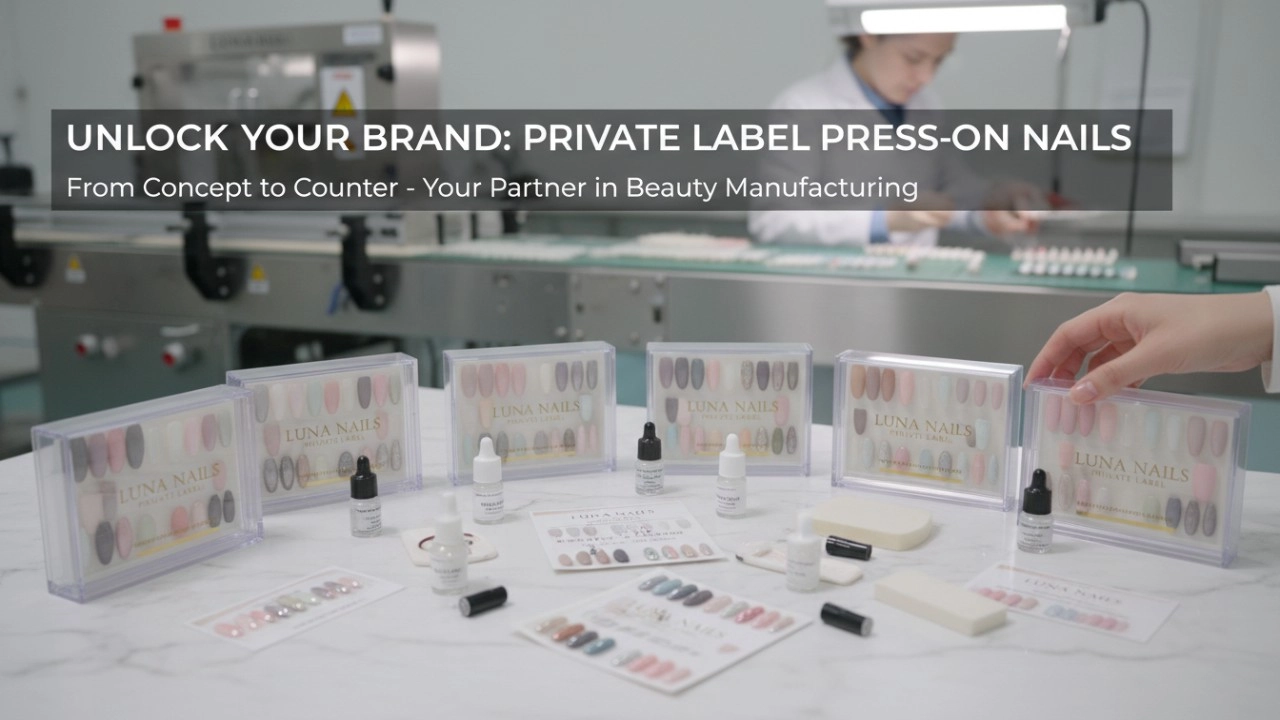
About Xianxing Beauty: We are a professional press-on nail manufacturer and ecommerce partner providing small-batch production, artwork support, and drop logistics for indie brands and salons.
7 Red Flags to Avoid When Selecting a Wholesale Press On Nails Manufacturer
Quality Control: What to Expect from a Top-Tier Wholesale Press On Nails Manufacturer
The Ultimate Guide to Choosing the Best Wholesale Press On Nails Manufacturer in 2026
How to Scale Your Beauty Brand: Why Private Label Press On Nails Are the Highest-Margin Entry Point in 2026
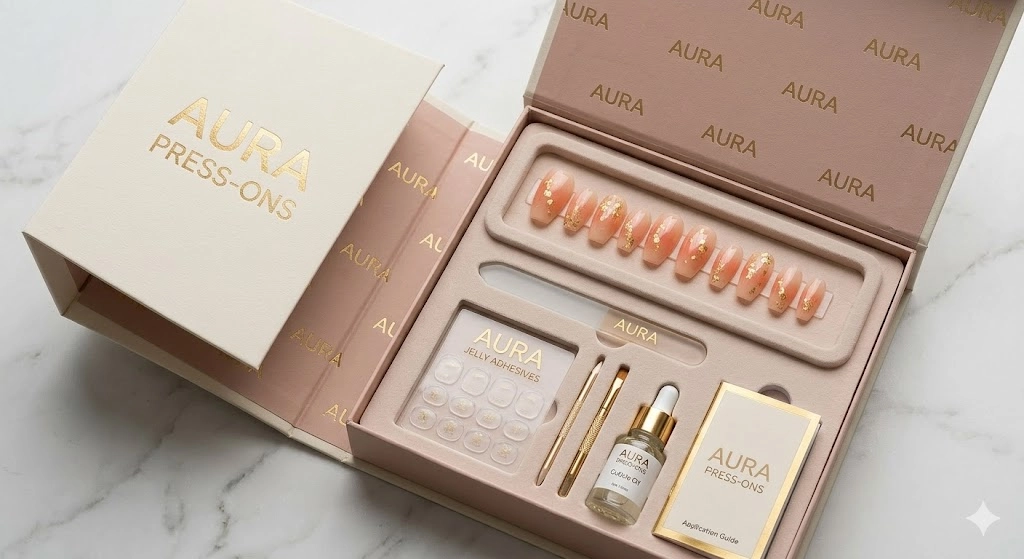
Why Partnering with Professional Press On Nails Manufacturers Boosts Your Brand Growth
About Toe Nails
Are toe press-on nails waterproof?
Most press-on nails are water-resistant, but prolonged exposure to water (such as swimming or frequent baths) may weaken the adhesive. If you want to keep them on for longer, avoid submerging them in water for extended periods.
Product Customization
Can you provide samples?
Yes, we offer a sample service for customers to confirm customization details. The sample fee will be calculated based on the product and customization requirements.
How do you ensure product quality?
We implement strict quality control with professional inspection processes at every stage of production to ensure the finished products meet international quality standards. Each batch of products undergoes a full inspection before leaving the factory.
Recycled ABS Nails
How to avoid allergic reactions?
Some people may be allergic to the glue or other materials used for press-on nails, resulting in symptoms such as redness, swelling, and itching of the skin around the nails. If you are an allergic person, it is recommended to conduct a local skin test before using, or choose to use anti-allergic glue.
Crystal spike
Are Crystal Point Sticks and Wooden Sticks safe to use?
Yes, both types of sticks are safe if used gently and correctly.
For Wooden Sticks, make sure the wood is smooth and free of splinters before use.
For Crystal Point Sticks, the tip should be fine but not sharp enough to cause injury. Always handle both tools with care to avoid skin irritation.
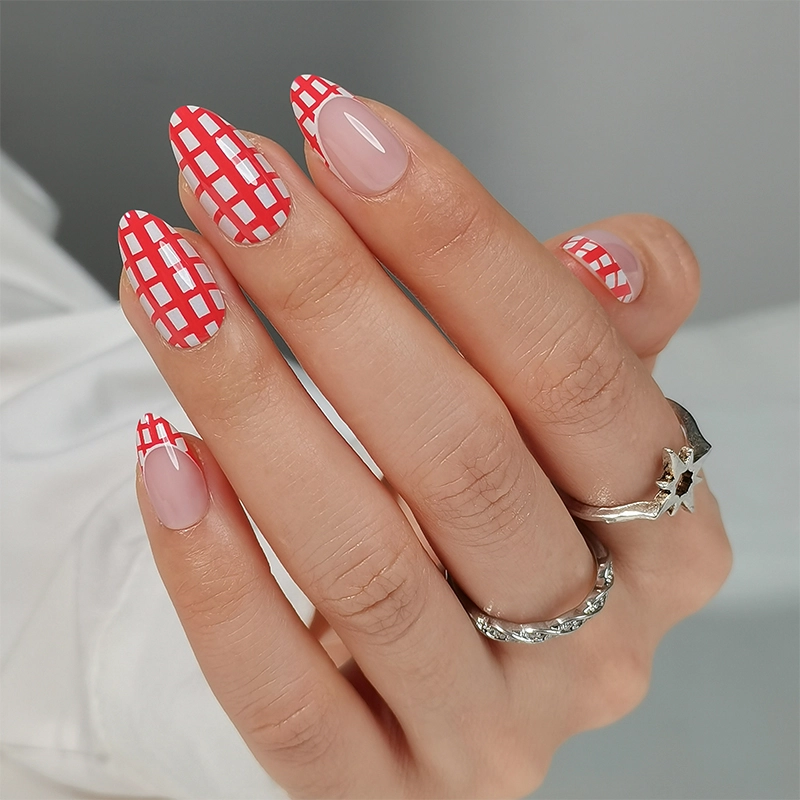
Wholesales Red French Nails Tips Checkered Soft Gel Nail Tips 32 Piece Set
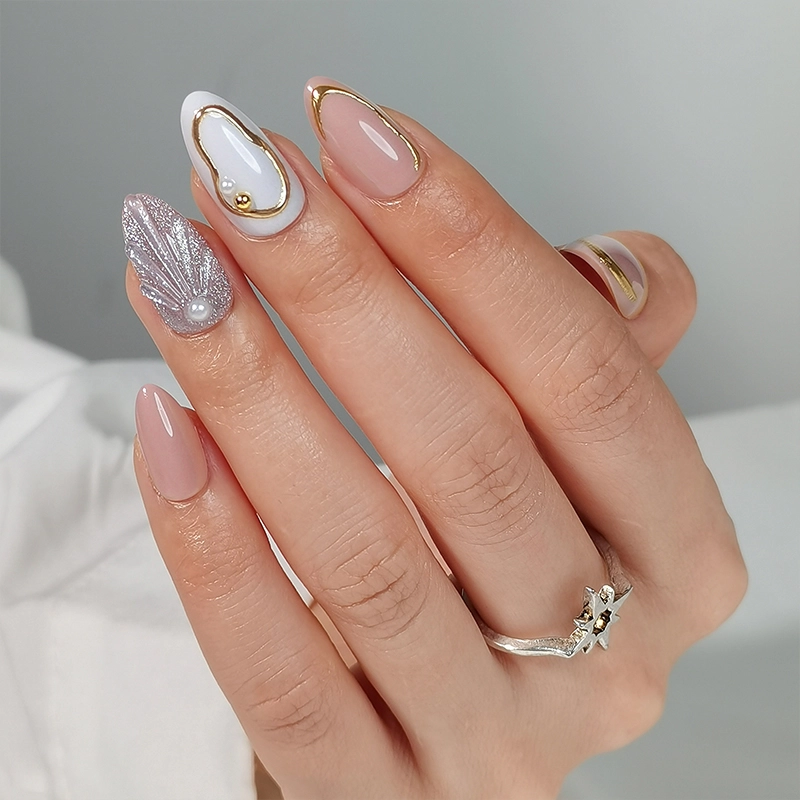
Wholesales Elegant Shell Inspired Soft Gel Wearable Nails for Seasonal Celebrations
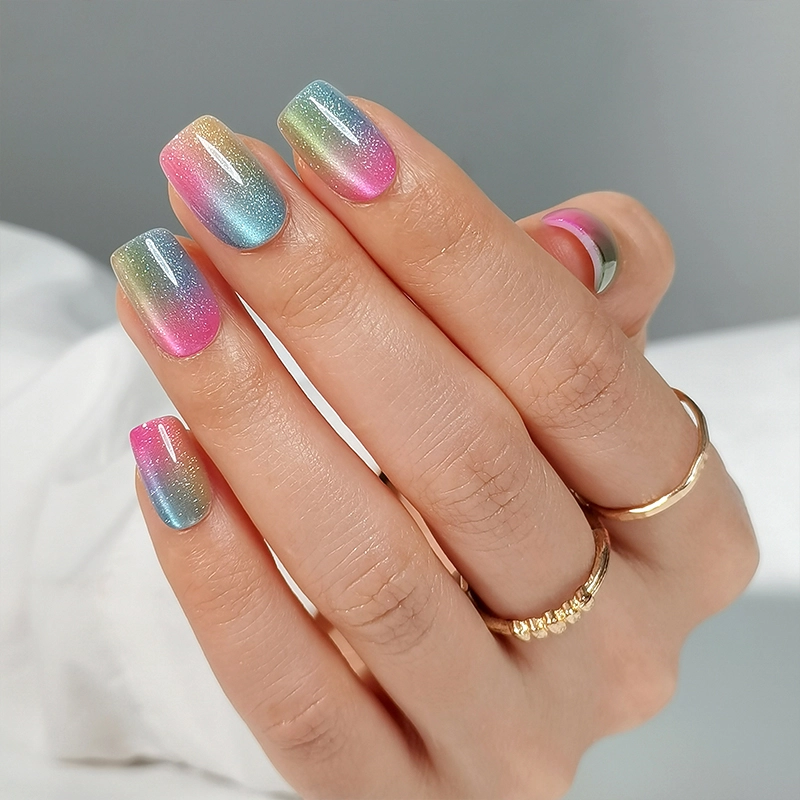
Custom Wholesale Gradient Cat Eye Soft Gel Wearable Fake Nails
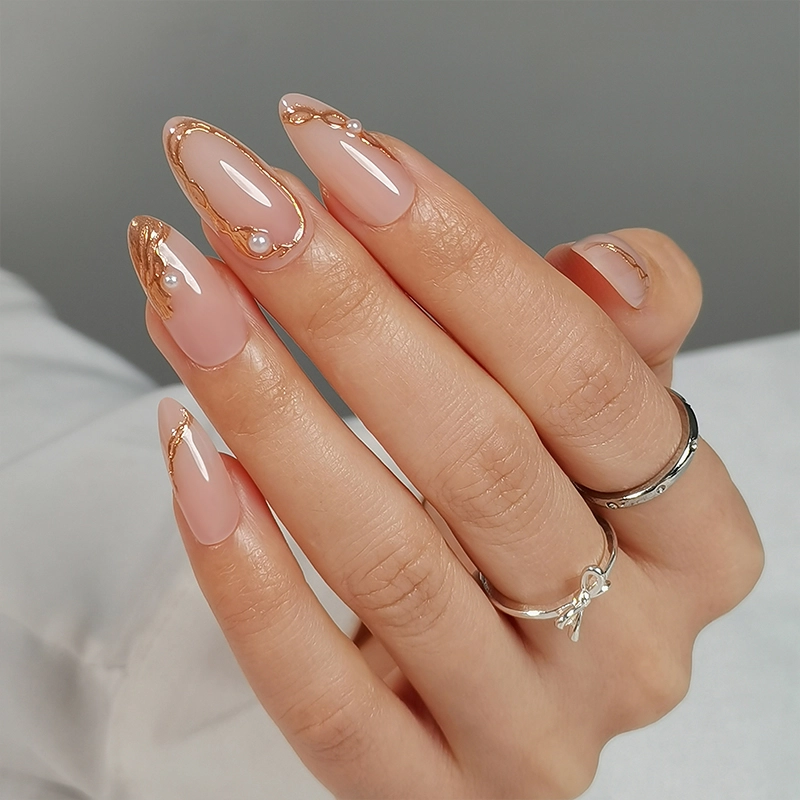
Wholesales Luxury Rhinestone Handmade Private Label Press On Nails Art Tips
Contact us
If you have press on nails products or customization needs, please feel free to contact from
below or via the contact information provided, we'll get back to you promptly within 24 hours.
By clicking 'Send Inquiry Now' I agree to XIANXING BEAUTY processing my personal data.
To see how to withdraw your consent, how to control your personal data and how we process it, please see our Privacy Policy and Terms of use.
Copyright © 2025 - XIANXING BEAUTY All Rights Reserved. Sitemap
Facebook
YouTube
Instagram
LinkedIn