
How to set wholesale discounts for press on nails buyers?
- 1) How to start custom press on nails with very low upfront investment while still producing professional-quality prototypes?
- 2) How to choose between ABS, gel, or acrylic press on nails when buyers require durability and flexible sizing?
- 3) What are realistic MOQs and lead times for custom press on nails production for small wholesale brands, and how to reduce them?
- 4) How to set wholesale discounts for press on nails buyers without eroding your retail value or causing channel conflict?
- 5) Which packaging, labeling and testing standards should buyers require when importing custom press on nails into the US and EU?
- 6) How to build a predictable quality control and returns process for press on nails buyers to minimize defects and chargebacks?
- Quick procurement checklist before placing your first custom order
If you're researching how to start Custom Press on Nails and build a reliable wholesale channel, you need more than surface-level tips. This article answers six under-addressed, buyer-focused questions that beginners and small brands frequently ask — with procurement-grade, actionable guidance. Topics include realistic MOQs and lead times, material selection (ABS vs gel), wholesale discount structures, regulatory must-haves for the US and EU, quality-control protocols, and returns handling.
1) How to start custom press on nails with very low upfront investment while still producing professional-quality prototypes?
Pain point: New brands want professional samples without large tooling fees or high MOQs.
Actionable steps:
- Choose rapid prototyping over immediate tooling. Ask suppliers for 3D-printed or CNC prototype sets before committing to molded tooling. Many factories offer low-cost prototype runs (often 10–50 pieces) to validate shape, curve, and length.
- Specify exact shape, curvature (C-curve), and sizing system up front. Provide a sample set from a competitor or a physical size chart. Use digital measurements (mm) for length and base width for each size (S, M, L, XL).
- Opt for off-the-shelf blank press-on shapes made from ABS for prototype art testing — ABS blanks are inexpensive and quick to produce, letting you test finish (gloss/matte) and art placement without custom molds.
- Order art-only samples: have the factory apply your decal, print, or hand-paint finish to blanks so you can approve designs before tooling.
- Negotiate sample fees to be credited against first production order. Use a sample agreement that credits 50–100% of sample fees when MOQ is met.
Why this works: It lowers initial cash outflow while giving you concrete samples to test fit, finish, and consumer appeal. Typical prototype cadence: concept → blank-art sample → 1st run (100–500 pcs) → tooling if volume-demand is proven.
2) How to choose between ABS, gel, or acrylic press on nails when buyers require durability and flexible sizing?
Pain point: Buyers get conflicting advice on materials and return rates rise from breakage or poor fit.
Material considerations:
- ABS (acrylonitrile butadiene styrene): most common for press-on nails. Pros: lightweight, consistent curvature, low cost, easy to print or attach embellishments. Cons: less flexible than some gels; can snap if thin and under impact.
- Gel/UV-cured press-ons: typically made by applying builder gel on a mold then curing. Pros: higher flexibility and glossy finish, better adhesion for 3D art. Cons: higher production cost, longer cure time, often higher MOQ and more complex shipping (avoid extreme heat).
- Acrylic press-ons: less common as pre-made sets (acrylic is usually used in-salon). Pros: strong and customizable in thickness. Cons: heavier and more labor-intensive to manufacture at scale.
Procurement guidance:
- For first-time wholesale portfolios, start with ABS offering one or two thicknesses (standard + High Quality). ABS balances cost and printability and is preferred by many direct-to-consumer brands.
- If target customers consistently request salon-grade durability (reusable, thicker, better bend-resistance), introduce a gel line as a High Quality SKU.
- Request mechanical property data from factories: flexural strength and impact resistance for the specific material grade. Ask for sample bend tests (count of bends until failure) and real-use wear tests.
- Design the size set to include multiple base-width options and recommend a 10-size chart per set. Offer size-mix customization in wholesale packs to reduce end-user fit returns.
3) What are realistic MOQs and lead times for custom press on nails production for small wholesale brands, and how to reduce them?
Pain point: Buyers expect small orders and fast turnaround but get stuck with high MOQs and long waits.
Typical ranges and how to negotiate them:
- MOQs: Off-the-shelf designs often start at 100–300 sets per design. Fully custom molded sets (tooling + custom sizes) commonly require higher MOQs, often 300–1,000+ sets per design depending on the factory. Gel-based custom lines frequently have higher minimums due to curing time and specialized labor.
- Lead times: Prototype → sample approval: 1–4 weeks. Production lead time after approval: 3–8 weeks for typical ABS runs; 6–12 weeks for gel or heavily embellished sets during busy seasons.
- How to lower MOQs and lead times:
- Use standard blank shapes from the factory and pay only for custom art — this often drops MOQ to 100–200 sets.
- Consolidate SKUs into collection launches to hit higher combined MOQs, then split production internally into smaller mixes.
- Negotiate rolling orders with a committed annual volume and quarterly releases to obtain lower per-batch MOQs.
- Pay a tooling deposit that is amortized across future orders; sometimes paying more upfront reduces per-order MOQ.
Tip: Ask for a clear production timeline with milestones (material in, press, art, QC, packing, shipment) and require photographic updates at each stage.
4) How to set wholesale discounts for press on nails buyers without eroding your retail value or causing channel conflict?
Pain point: Brands offer discounts that undercut retailers or leave them no margin, or they lose profit to blanket discounts.
Pricing framework and practical formulas:
- Start with your unit cost (COGS) = material + labor + packaging + per-unit overhead + shipping-to-port. Then set a target wholesale gross margin (for your company) — commonly 30–50% at wholesale level to sustain operations. Use this formula:
Wholesale price = COGS / (1 - target_gross_margin)
- Design for retailability: set the suggested retail price (MSRP) so retailers who apply a standard keystone markup (2× wholesale or 100% markup) can hit acceptable margins. Example approach: MSRP = wholesale_price × 2 (keystone). This means wholesalers usually aim to leave space for retail markups.
- Tiered discount structure (example breakpoints):
- 1–49 sets: wholesale price = base (no extra discount)
- 50–199 sets: 5–10% discount
- 200–499 sets: 10–15% discount
- 500–999 sets: 15–25% discount
- 1,000+ sets: negotiate 25–35% or fixed net-cost pricing
- Use conditional discounts to protect MSRP and brand value:
- MAP (Minimum Advertised Price) policy for online retailers to prevent price erosion.
- Territorial or channel restrictions to avoid direct channel conflict (e.g., no selling via certain marketplaces at deep discounts).
- Sample pricing: charge for custom samples (e.g., $10–$30 per set), refundable upon first paid order over an agreed MOQ or credited against the first invoice.
- Alternative incentive structures:
- Bundle discounts: fixed-dollar reduction per SKU when purchased in multi-SKU bundles (great for new collections).
- Early-pay discounts (e.g., 2/10 Net 30) to improve cash flow.
- Rebate programs tied to annual volume to reward top resellers without giving upfront deep discounts to everyone.
Implementation tips:
- Automate discount tiers inside your wholesale portal so quotes and invoices are consistent and reduce negotiation friction.
- Publish a clear wholesale terms page that explains MOQs, shipping responsibility (FOB or DDP), payment terms, and MAP rules.
- Track channel performance and adjust tiers annually. Offer limited-time promotional discounts rather than permanent cuts.
5) Which packaging, labeling and testing standards should buyers require when importing custom press on nails into the US and EU?
Pain point: Buyers receive goods that fail customs or trigger consumer safety issues due to non-compliant labeling or missing paperwork.
Key compliance items to require from suppliers:
- Regulatory frameworks:
- EU: Cosmetic products sold in the EU fall under Regulation (EC) No 1223/2009. While press-on nails themselves are not traditional cosmetics, decorative nail products (and any included adhesives or inks) may be subject to this regulation; require a Product Information File (PIF) and ensure any adhesives or inks comply with EU restricted substances lists.
- US: The FDA does not pre-approve cosmetics, but labeling must be truthful and not misleading; certain color additives require preapproval. Ensure labels include ingredient lists where applicable and that adhesives have MSDS/SDS documentation.
- Labeling and packaging:
- Country of origin, batch/lot code, and manufacturer or distributor contact information should be on carton or product packaging for traceability.
- Include clear user instructions and allergy/patient safety warnings (e.g., “Perform a patch test for adhesives; discontinue use if irritation occurs”).
- Barcodes: supply GS1-compliant UPC/EAN codes if your buyers will retail on major marketplaces and brick-and-mortar.
- Testing and documentation:
- Request MSDS (material safety data sheets) for adhesives and for any chemical inks/finishes. Get Certificates of Analysis (COA) for color pigments if used in inks.
- Where applicable, obtain third-party lab test reports for restricted substances (e.g., heavy metals in metallic foils, if used). Ask the supplier for lab reports from accredited labs (ISO/IEC 17025).
- Adopt ISO 22716 (Good Manufacturing Practices for cosmetics) as a supplier requirement if you include liquid adhesives or liquid-based coatings in your product offering.
Practical procurement clause: Contractually require that suppliers provide PIF/SDS/COA/MOQs and permit a third-party pre-shipment inspection or lab test if requested at buyer expense.
6) How to build a predictable quality control and returns process for press on nails buyers to minimize defects and chargebacks?
Pain point: High return rates, inconsistent sets, and disputes over defect claims increase costs and reduce seller credibility.
QC and returns playbook:
- Define acceptance criteria up front using AQL sampling plans (ANSI/ASQ Z1.4). Typical thresholds: AQL 2.5 for major defects and AQL 4.0 for minor defects for consumer-facing goods. Put these thresholds in your contract and inspection checklist.
- Pre-shipment inspection (PSI): Require photographic evidence of finished sets, inner packaging, and carton loading. For larger orders, hire a third-party inspector for on-site checks and a written PSI report with sampled measurements, visual checks (print alignment, color, embossing), and functional tests (fit test, adhesion if glued).
- Set defect handling rules:
- Allow a small acceptable defect rate (e.g., same as your agreed AQL). For defects above the AQL, require rework, replacement, or a negotiated discount/refund.
- Use clear RMA terms for returns: timeline for claims (e.g., buyer must report visible defects within 7–14 days of receipt with photos), condition for returns (unused, within original packaging), and who pays for return shipping depending on fault.
- Batch traceability: Require lot/batch numbers on cartons and inner packs to quickly isolate problems to a production run.
- Continuous improvement: Track defect types and frequency. Use corrective action requests (CARs) with suppliers and require root cause analysis and a CAPA (corrective and preventive action) plan for recurring issues.
Operational tip: Maintain a small buffer stock of top SKUs to replace returns quickly and keep retailer relationships healthy while root-cause issues are resolved.
Quick procurement checklist before placing your first custom order
- Confirm COGS breakdown and target wholesale margin (use wholesale = COGS / (1 - margin)).
- Agree MOQ and phased production plan (prototype → test run → full run).
- Obtain sample approval with signed sample sign-off document.
- Set AQL acceptance criteria and PSI protocol in the contract.
- Require MSDS/SDS and COAs for adhesives and inks; ensure labeling meets destination market rules (EU/US).
- Establish clear wholesale discount tiers, MAP policy, and terms for returns and chargebacks.
Final note: How to start Custom Press on Nails is as much about treating production as a predictable supply chain problem as it is about design. Focus on small, validated steps (prototypes and test runs), clear contractual terms, and defensible pricing strategies that protect both your margins and your retailers’ margins.
Xianxing Beauty advantage: Xianxing Beauty combines 10+ years of specialty nail manufacturing experience with end-to-end support for private label and wholesale customers: low-cost prototyping, flexible MOQs, factory-level QC with AQL-driven inspections, regulatory documentation (SDS/COA), GS1 barcode support, and transparent pricing models. We offer tailored wholesale discount tiers, MAP policy templates, and assist with PIF/Safety documentation for EU/US markets, helping brands scale responsibly with predictable lead times and high first-pass quality.
Contact us for a tailored quote and to discuss your first sample order: www.xianxingbeauty.com • [email protected]
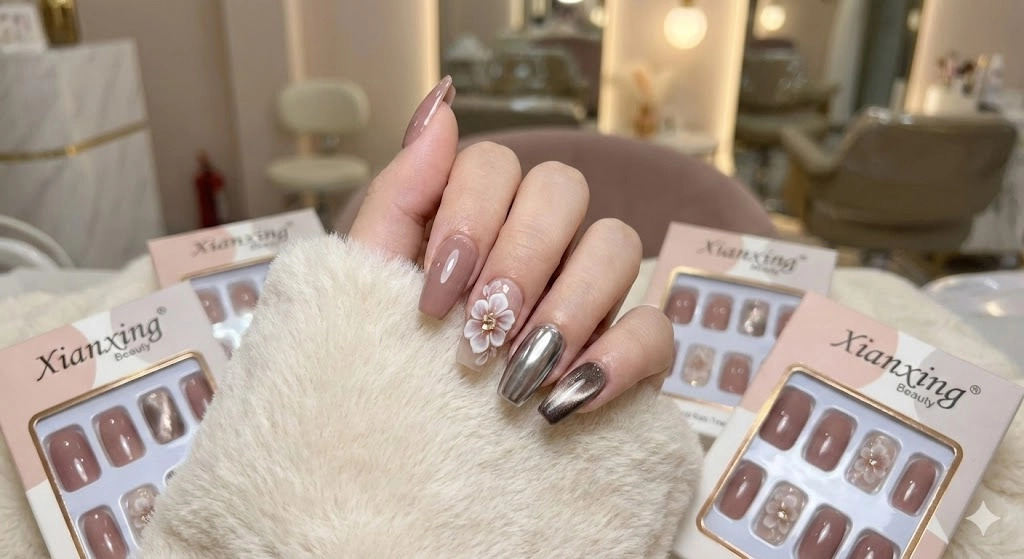
7 Red Flags to Avoid When Selecting a Wholesale Press On Nails Manufacturer
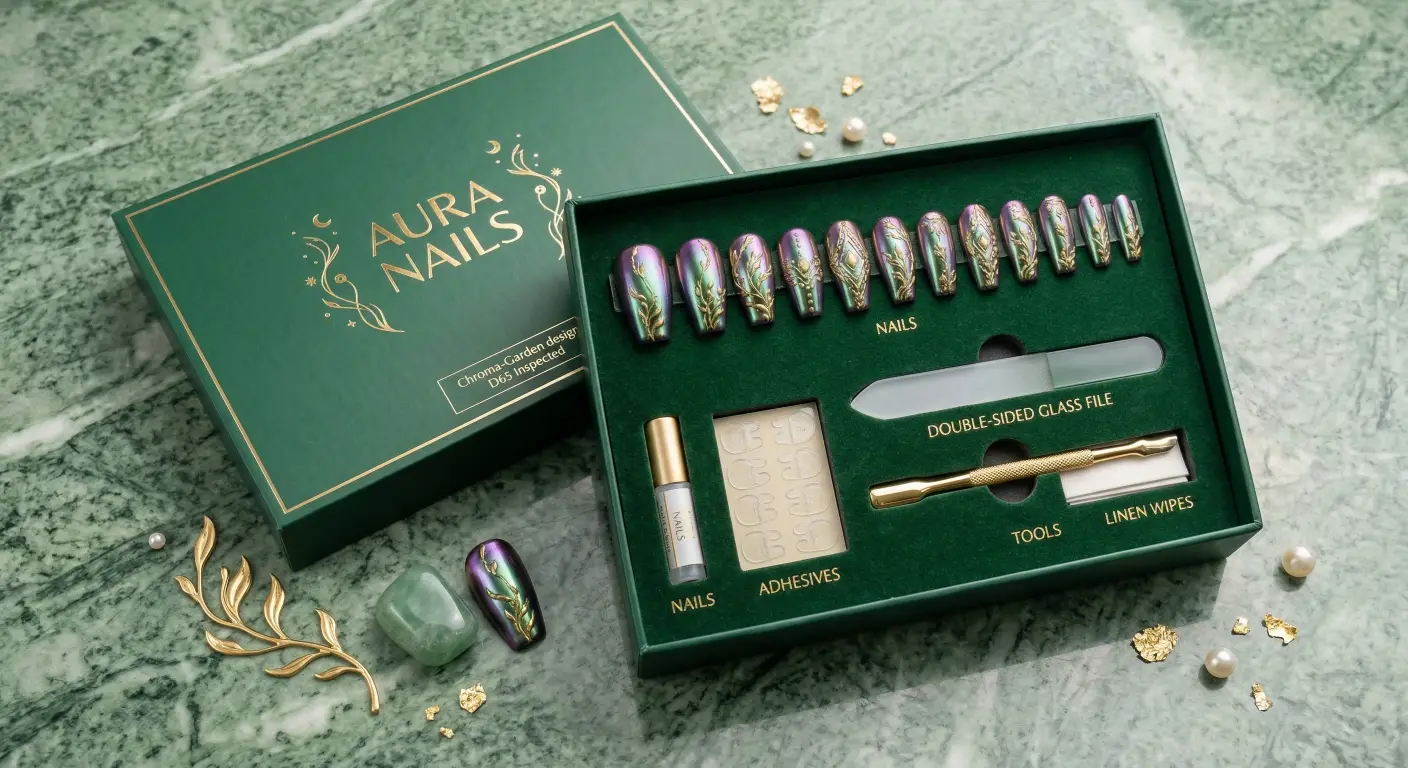
Quality Control: What to Expect from a Top-Tier Wholesale Press On Nails Manufacturer
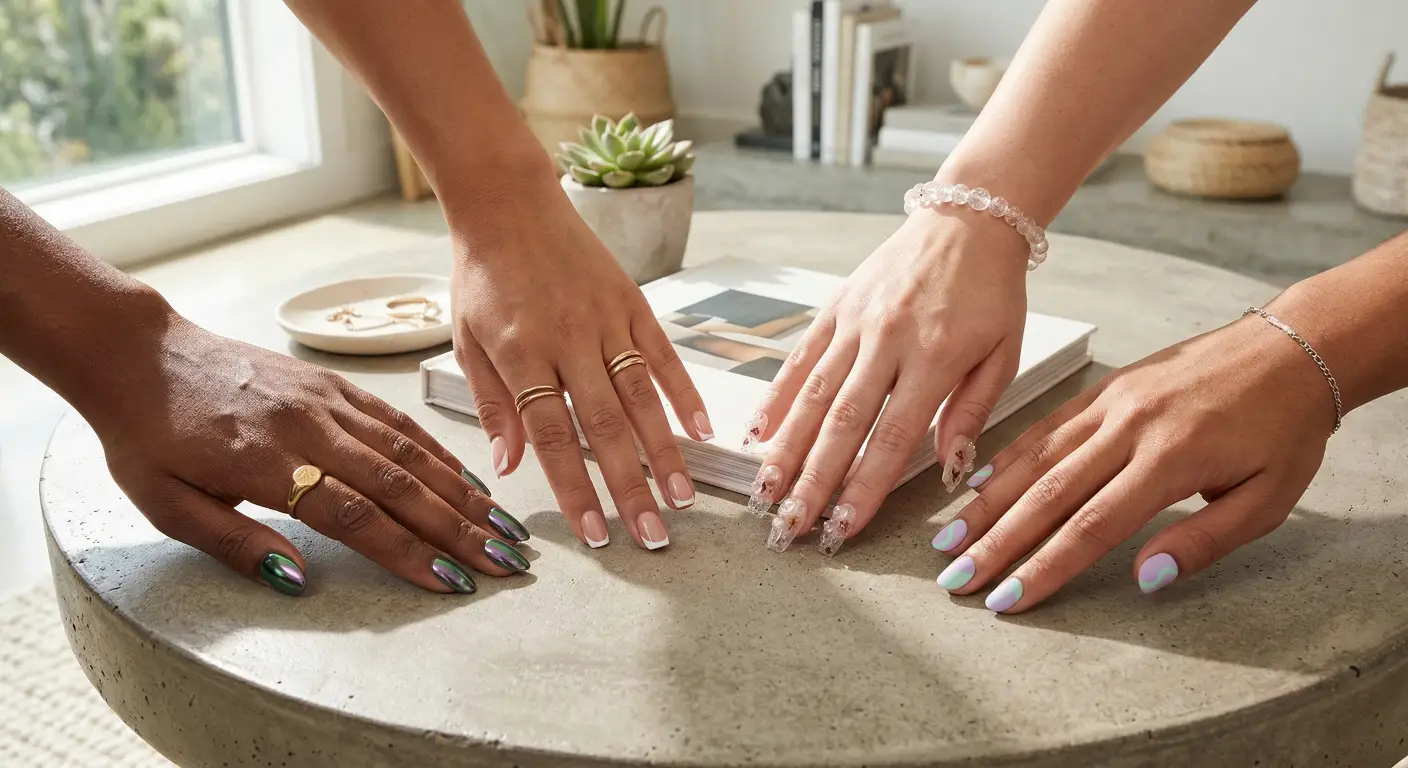
The Ultimate Guide to Choosing the Best Wholesale Press On Nails Manufacturer in 2026
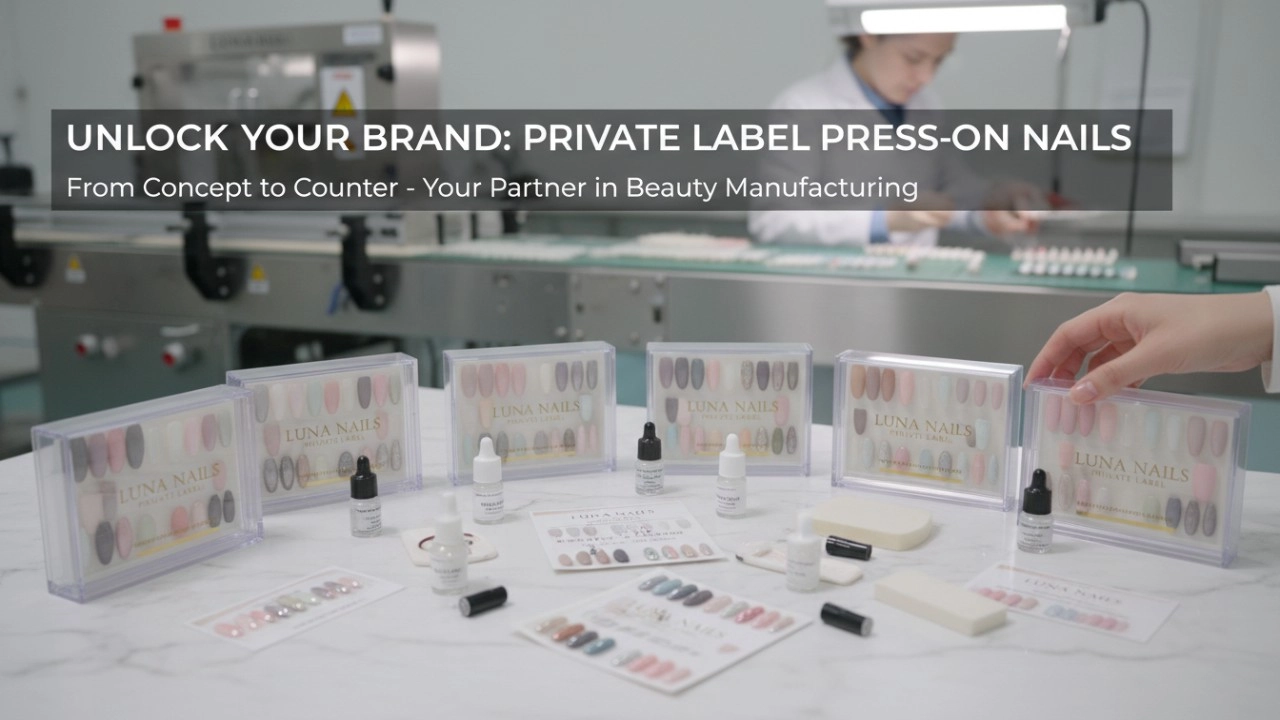
How to Scale Your Beauty Brand: Why Private Label Press On Nails Are the Highest-Margin Entry Point in 2026
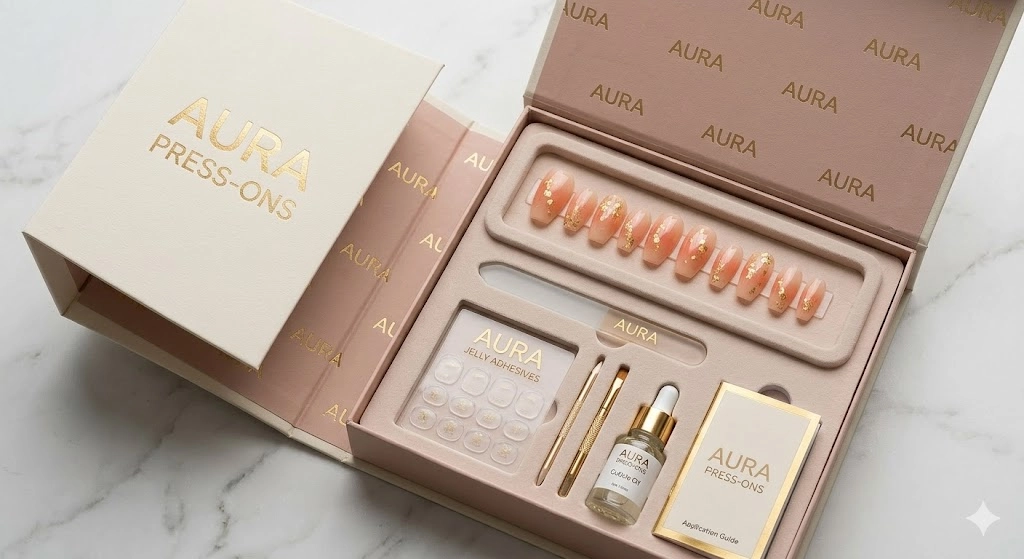
Why Partnering with Professional Press On Nails Manufacturers Boosts Your Brand Growth
Crystal spike
Which stick should I choose: Crystal Point or Wooden Stick?
Choose a Crystal Point Stick if you want a long-lasting, smooth, and precise tool that’s easier to clean and gentler on the skin.
Choose a Wooden Stick if you’re looking for an affordable option or prefer a traditional tool for cuticle care and nail cleaning. Just be mindful of the risk of splinters.
About Toe Nails
Are toe press-on nails waterproof?
Most press-on nails are water-resistant, but prolonged exposure to water (such as swimming or frequent baths) may weaken the adhesive. If you want to keep them on for longer, avoid submerging them in water for extended periods.
About French Nails Tips
Do press-on nails damage natural nails?
When applied and removed properly, they should not damage your natural nails. Be sure to moisturize your nails and cuticles after removal.
Drying Nail Glue
What is press-on nails glue?
Press-on nails glue is a specially formulated adhesive used to attach press-on nails to your natural nails. It typically comes in small tubes or bottles and is designed to hold the press-on nails securely in place for several days or weeks.
OEM/ODM
How long does it take to produce custom press on nails?
Production times vary depending on the complexity of your order, but typically it takes 2-4 weeks to complete.
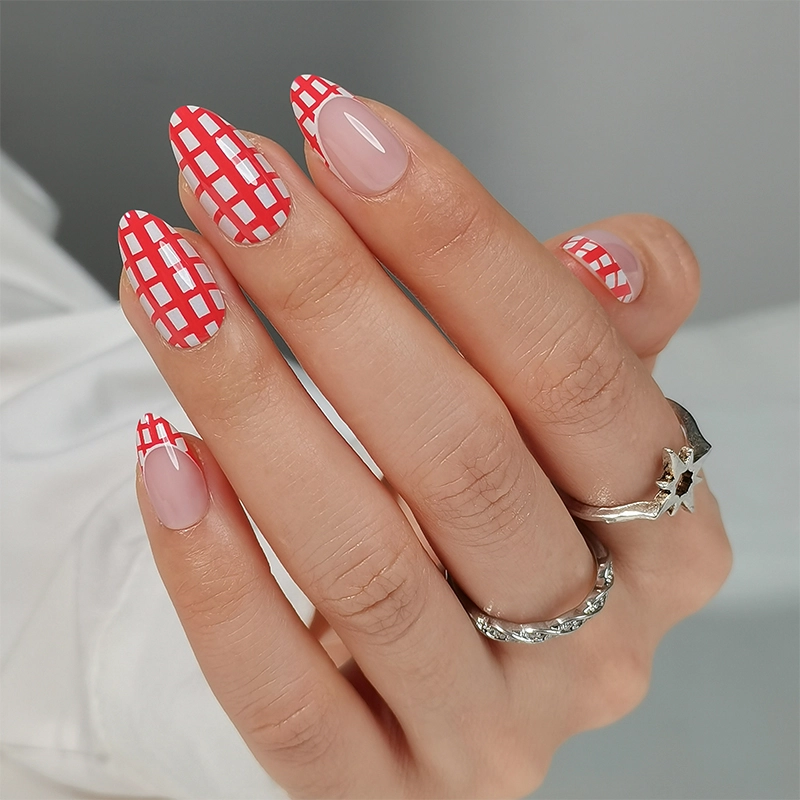
Wholesales Red French Nails Tips Checkered Soft Gel Nail Tips 32 Piece Set
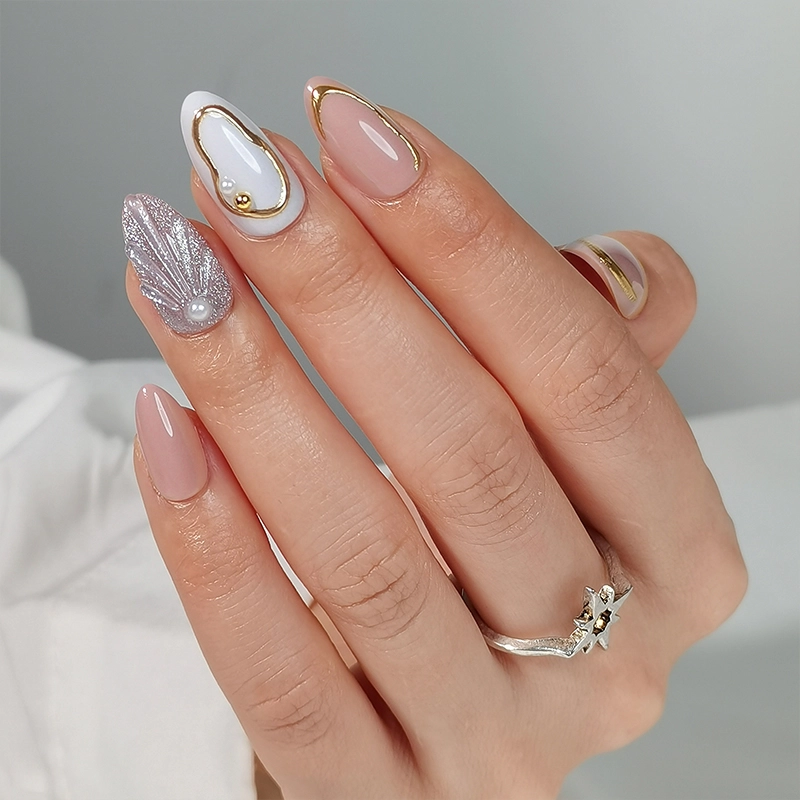
Wholesales Elegant Shell Inspired Soft Gel Wearable Nails for Seasonal Celebrations
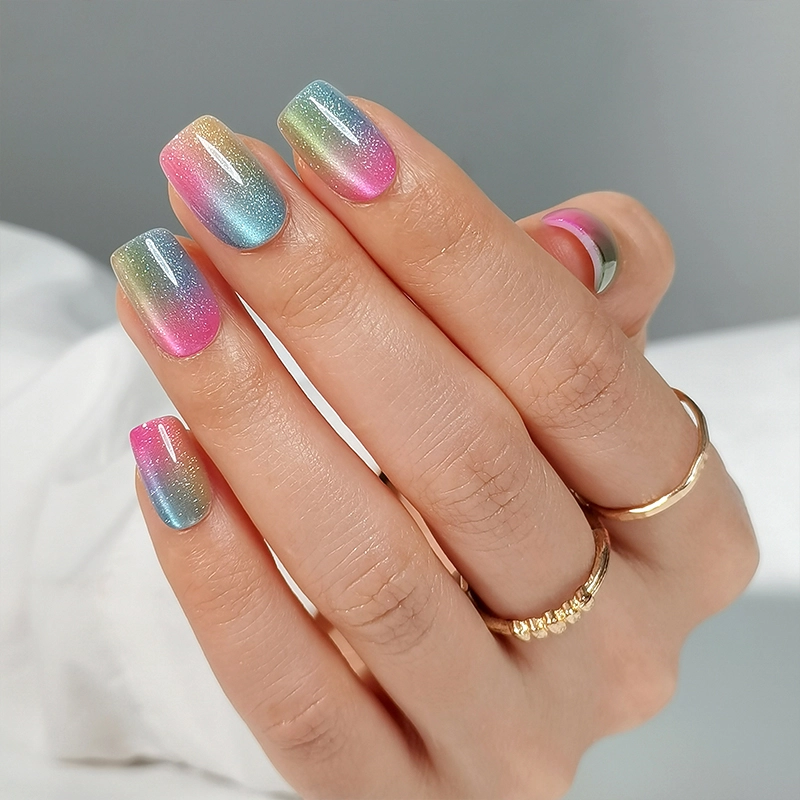
Custom Wholesale Gradient Cat Eye Soft Gel Wearable Fake Nails
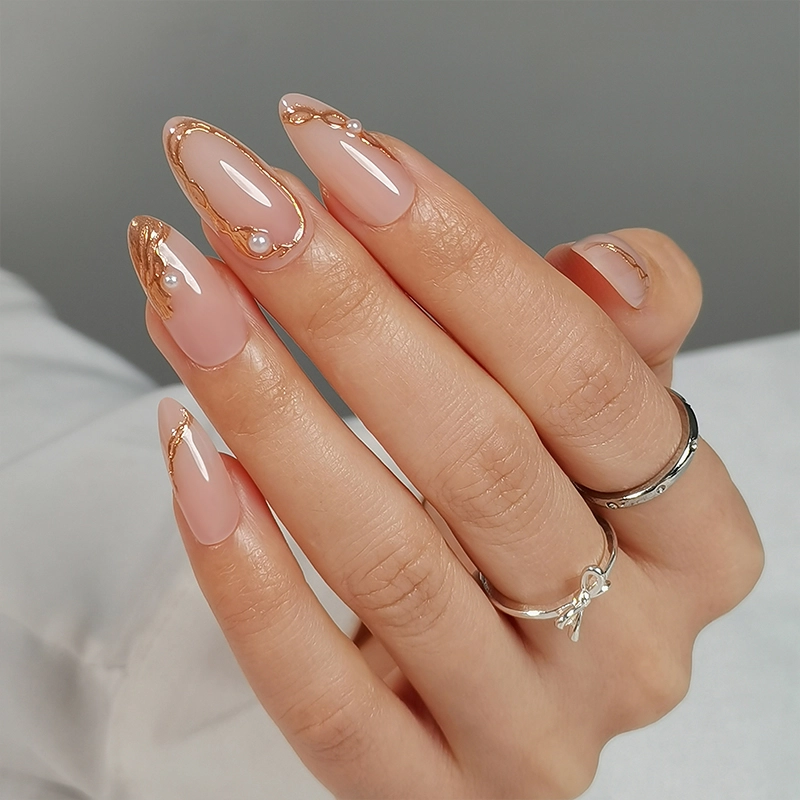
Wholesales Luxury Rhinestone Handmade Private Label Press On Nails Art Tips
Contact us
If you have press on nails products or customization needs, please feel free to contact from
below or via the contact information provided, we'll get back to you promptly within 24 hours.
By clicking 'Send Inquiry Now' I agree to XIANXING BEAUTY processing my personal data.
To see how to withdraw your consent, how to control your personal data and how we process it, please see our Privacy Policy and Terms of use.
Copyright © 2025 - XIANXING BEAUTY All Rights Reserved. Sitemap
Facebook
YouTube
Instagram
LinkedIn