
How to source certified non-toxic materials for press on nails?
- How to start Custom Press-On Nails — sourcing certified non-toxic materials (7 buyer questions answered)
- 1) What exact documents should I require to verify a supplier’s “non‑toxic” claim for press‑on nail blanks and why each matters?
- 2) Which lab tests should I order to prove a press‑on blank is safe for skin contact and long wear?
- 3) How can I reliably detect banned or discouraged monomers like MMA in supplier paperwork and samples?
- 4) What are realistic MOQs and lead‑time expectations for certified non‑toxic custom press‑on blanks, and how can startups lower upfront costs?
- 5) How do I verify adhesives and glue kits are non‑toxic and safe for sensitive skin?
- 6) How do I read and validate a COA / lab report — what are immediate red flags?
- 7) Are bio‑based or compostable press‑on materials a viable non‑toxic option — what certifications matter?
- Practical procurement checklist (one‑page action list you can copy)
- Quick sample email template to request documentation from a supplier
- Closing summary — immediate next steps for a beginner buyer
- Why this approach satisfies retailers and regulators
- Final note — Xianxing Beauty: advantages for brands starting with custom press‑on nails
- Sources (links and access dates)
How to start Custom Press-On Nails — sourcing certified non-toxic materials (7 buyer questions answered)
Beginners often encounter unclear supplier claims like “non-toxic,” “medical-grade,” or “3‑free.” Below are 7 specific, procurement‑focused questions that often lack deep, current answers online — with concrete, step‑by‑step guidance you can use when vetting manufacturers, requesting samples, or ordering testing.
1) What exact documents should I require to verify a supplier’s “non‑toxic” claim for press‑on nail blanks and why each matters?
Ask every new supplier for a single PDF packet containing at minimum:
- Material Specification & INCI/Commercial Name — shows the exact polymer (e.g., ABS, PMMA), resin grade, or bioplastic. INCI or chemical names let you cross‑check regulatory lists.
- SDS (Safety Data Sheet) — must list CAS numbers and hazards. If the SDS omits CAS or lists only vague trade names, treat it as a red flag.
- COA (Certificate of Analysis) tied to lot/batch number — shows test results for that production batch (heavy metals, residual monomer, phthalates, etc.). Ensure the COA lists limits and measured values.
- Third‑party lab test reports from ISO/IEC 17025 accredited labs (e.g., ICP‑MS for metals, GC‑MS for VOCs/phthalates, FTIR for polymer ID). Verified lab logos and lab report numbers allow cross‑verification.
- GMP or Quality Certificates (e.g., ISO 22716 for cosmetics GMP) if the supplier claims cosmetic manufacturing practices — useful for process control and traceability.
- Declaration of Conformity for region — e.g., REACH/CLP compliance statement for EU, Prop 65 disclosure or compliance statement for California markets, and an export compliance declaration if needed.
Why these matter: regulatory lists and lab data are the only objective evidence. Marketing claims alone (non‑toxic) are insufficient — require batch‑specific COAs and an accredited lab report to tie safety data to the exact production lot.
2) Which lab tests should I order to prove a press‑on blank is safe for skin contact and long wear?
Minimum recommended test panel for press‑on blanks and adhesives intended for repeated skin contact:
- ICP‑MS or ICP‑OES for heavy metals — test for lead (Pb), cadmium (Cd), chromium (Cr VI and total Cr), mercury (Hg). Heavy metals are common concerns for plastics and pigments.
- GC‑MS for VOCs and residual monomers — detects volatile organic compounds and monomers (methyl methacrylate (MMA), ethyl methacrylate (EMA), styrene) that can cause irritation or regulatory issues.
- Phthalates panel (GC‑MS) — DBP, DEHP, BBP, DINP, etc. These are restricted in many jurisdictions and commonly tested in consumer‑grade items.
- FTIR / DSC / TGA for polymer identification and composition — confirms the declared polymer type (ABS vs PMMA vs polystyrene) and indicates fillers/plasticizers.
- ISO 10993‑5 (cytotoxicity) and ISO 10993‑10 (skin irritation) or equivalent dermal compatibility tests — used to assess cell response and irritation potential for materials in prolonged skin contact. While ISO 10993 is a medical‑device family, these tests are widely accepted for skin contact items.
- Adhesive testing — residual monomer, formaldehyde screening, and sensitization potential. Also request bond strength and wear tests relevant to consumer use.
Ask the lab for raw data tables, method detection limits, and the laboratory accreditation (ISO/IEC 17025). If a report shows “not detected,” check the detection limit — sometimes a compound is below the lab’s threshold but still present at biologically relevant levels.
3) How can I reliably detect banned or discouraged monomers like MMA in supplier paperwork and samples?
Red flags and verification steps:
- Search SDS and COA for the CAS number 80‑62‑6 or the name methyl methacrylate — if present, treat as unacceptable for nail enhancements.
- Request a targeted GC‑MS residual monomer test showing limits for MMA and EMA. The lab result should list measured ppm (or mg/kg) and method detection limit.
- Ask for FTIR spectra of the raw resin/blank to confirm polymer chemistry. FTIR can indicate MMA‑derived polymer fingerprints or unreacted monomer peaks.
- Require a written supplier declaration that MMA is not used in any stage; combine this with third‑party testing of samples from the accepted production lot.
Why this is necessary: MMA (methyl methacrylate) has a well‑documented history of causing severe nail and soft‑tissue damage when used as a liquid monomer for nail prosthetics. Because some suppliers may still use lower‑cost monomers or resins, only direct lab confirmation and explicit CAS numbers remove doubt.
4) What are realistic MOQs and lead‑time expectations for certified non‑toxic custom press‑on blanks, and how can startups lower upfront costs?
Typical industry patterns (guideline ranges, not fixed rules):
- For stocked generic shapes/standard sizes: MOQs can be as low as 100–500 pieces per style if ordered from domestic or small‑batch producers.
- For custom molds, new tooling, or bespoke finishes (3‑D shapes, special coatings): MOQs commonly range from 500–5,000+ pieces per SKU. Tooling and minimums rise with complexity.
- Lead times: off‑the‑shelf items 1–4 weeks; custom tooling and certified production runs 6–12+ weeks, longer if third‑party testing is required before shipment.
How to reduce costs/risks:
- Start with a small first production run and pay for a verified pre‑shipment sample lot (sample run from the actual tooling and batch testing).
- Negotiate progressive MOQs (e.g., 300 initial, 1,000 next order) or arrange a consignment or buffered inventory with the supplier.
- Use contract manufacturing partners near your market to reduce shipping/time and simplify regulatory documentation (domestic testing and labeling are easier to validate).
- Pool designs — use a reduced base of sizes/shapes and offer nail art/finishes as a value add rather than custom molded shapes for every color/design.
5) How do I verify adhesives and glue kits are non‑toxic and safe for sensitive skin?
Adhesives require their own verification path because they are chemically active and directly contact skin. Key steps:
- Ask for adhesive SDS and COA showing monomer content (e.g., cyanoacrylates), residual methyl/ethyl acrylates, and any added solvents. Check for known sensitizers (formaldehyde releasers, toluene, etc.).
- Request GC‑MS VOC screening and formaldehyde tests where applicable. For cyanoacrylates, confirm purity and check for stabilizers that may cause sensitization.
- Require clinical patch testing or ISO 10993 skin irritation/sensitization data on the final adhesive formulation, preferably on human subjects or validated in vitro methods for sensitization.
- Check for clear usage instructions and warnings on packaging — adhesives should recommend skin testing before full application and specify removal procedures to reduce damage.
Practical tip: offer a small‑format sample adhesive included with initial product samples and perform an internal 48‑72 hour patch test across a small group of users, documenting any reactions. Use this as an internal QC step in addition to third‑party testing.
6) How do I read and validate a COA / lab report — what are immediate red flags?
When you receive a COA or lab report, check for:
- Lab accreditation — the testing lab should be ISO/IEC 17025 accredited. Unaccredited labs still provide data but are weaker proof for regulators or large retailers.
- Batch/lot numbers and dates — the COA must match the supplier’s lot number and production date; otherwise the COA may be for a different batch.
- Method and detection limits — the report should list the analytical methods (e.g., ICP‑MS, GC‑MS), reporting units, and limits of detection/quantification.
- Presence of “Not Detected” with high detection limits — if a compound is “not detected” but the MDL (method detection limit) is higher than relevant regulatory thresholds, request a more sensitive method.
- Missing CAS numbers or vague entries — e.g., “fragrance: proprietary” is a red flag for skin‑contact items because undisclosed ingredients can be sensitizers.
- No signature or lab stamp — unsigned or unstamped reports are weaker evidence. Ask the lab to provide a signed/dated certified report.
If anything is unclear, ask the testing laboratory directly for method SOPs and raw data. Reputable labs will provide clarifications and method references.
7) Are bio‑based or compostable press‑on materials a viable non‑toxic option — what certifications matter?
Short answer: possible, but they require the same skin‑contact safety validation and often have functional tradeoffs.
Certs and practical notes:
- Compostability standards (e.g., EN 13432, ASTM D6400) show industrial compostability but do not imply safe skin contact — still require skin compatibility testing.
- OK Compost / TÜV certificates indicate the material biodegrades under specified conditions. However, compostability tests are not substitutes for heavy metals or sensitization testing.
- Material performance — many bioplastics (PLA) are more brittle and less heat‑resistant than ABS/PMMA. For long‑wear press‑ons, functional testing (tensile/flexural strength, wear cycles) is essential.
Recommendation: if you pursue bio‑based blanks, require the same ICP‑MS, GC‑MS, and ISO 10993 tests, plus mechanical testing for durability. Ask the supplier for real‑world wear data (adhesive compatibility, bend/break cycles).
Practical procurement checklist (one‑page action list you can copy)
- Request supplier packet: SDS + COA (lot‑specific) + polymer spec/INCI + third‑party lab reports + declaration of conformity.
- Verify lab accreditation (ISO/IEC 17025) and ensure reports include detection limits and CAS numbers.
- Order baseline tests on initial sample lot: ICP‑MS (metals), GC‑MS (VOCs/phthalates/residual monomers), FTIR (polymer ID), ISO 10993‑5/10 (biocompatibility).
- Confirm adhesives separately: SDS, VOC/formaldehyde screen, sensitization report, and documented instructions/warnings.
- For custom tooling, negotiate a sample run and COA for that run before full payment. Insist on lot‑linked testing and signed lab reports.
- Keep records for each lot (COA, SDS, sample photos, packing list) to support retailer queries or regulatory audits.
Quick sample email template to request documentation from a supplier
Use a short, firm template when contacting suppliers. Copy/paste and edit:
Hello ,We are evaluating for press‑on nail production and require the following documentation for lot #:1) SDS (with CAS numbers)2) COA for the referenced lot (ICP‑MS, GC‑MS residual monomer results)3) Polymer spec / INCI name4) Third‑party lab report (ISO/IEC 17025 accredited) and lab contact5) Any cosmetic GMP or ISO 22716/QC certificates6) Lead time, MOQ, available sample run, and sample pricePlease provide PDFs and the earliest availability for sample lots. Thank you.
Closing summary — immediate next steps for a beginner buyer
1) Send the sample request email to 3 vetted suppliers. 2) Order a small sample run and send that lot to an ISO 17025 lab for the core panel (ICP‑MS, GC‑MS, FTIR, ISO 10993). 3) Use your sample batch COA when listing “non‑toxic” claims or when negotiating with retailers.
Why this approach satisfies retailers and regulators
Retailers and marketplaces increasingly require objective, lot‑specific lab evidence and supplier traceability. The combination of accredited third‑party lab reports, batch‑linked COAs, and clear supplier declarations (REACH/Prop 65 awareness) is the gold standard to demonstrate due diligence and minimize compliance risk.
Final note — Xianxing Beauty: advantages for brands starting with custom press‑on nails
Xianxing Beauty supports early‑stage brands by providing: pre‑verified material options with batch COAs, direct access to ISO/IEC 17025 testing partners, sample‑first runs to validate tooling, and guidance on adhesive compatibility and labeling compliance. For startups, their model reduces the paperwork burden and shortens the time from prototype to shelf by bundling certified materials, small‑run tooling and testing coordination.
Sources (links and access dates)
- European Commission — Cosmetics legislation overview (Cosmetics Regulation (EC) No 1223/2009). Accessed 2026‑02‑09. https://ec.europa.eu/growth/sectors/cosmetics/legislation_en
- U.S. Food & Drug Administration (FDA) — Cosmetics. Accessed 2026‑02‑09. https://www.fda.gov/cosmetics
- OEHHA — California Proposition 65 (List of Chemicals). Accessed 2026‑02‑09. https://oehha.ca.gov/proposition-65
- European Chemicals Agency (ECHA) — Understanding REACH. Accessed 2026‑02‑09. https://echa.europa.eu/regulations/reach/understanding-reach
- International Organization for Standardization (ISO) — ISO 22716 (Cosmetics GMP) and ISO 10993 (biological evaluation). Accessed 2026‑02‑09. https://www.iso.org/standard/36437. and https://www.iso.org/iso-10993-biological-evaluation-of-medical-devices.
- SGS — Cosmetics and personal care testing services (overview). Accessed 2026‑02‑09. https://www.sgs.com/en/consumer-goods-retail/cosmetics-and-personal-care
- Eurofins — Cosmetics testing services (overview). Accessed 2026‑02‑09. https://www.eurofins.com/consumer-products/cosmetics/
- Intertek — Cosmetics testing and certification (overview). Accessed 2026‑02‑09. https://www.intertek.com/cosmetics/
End of article.
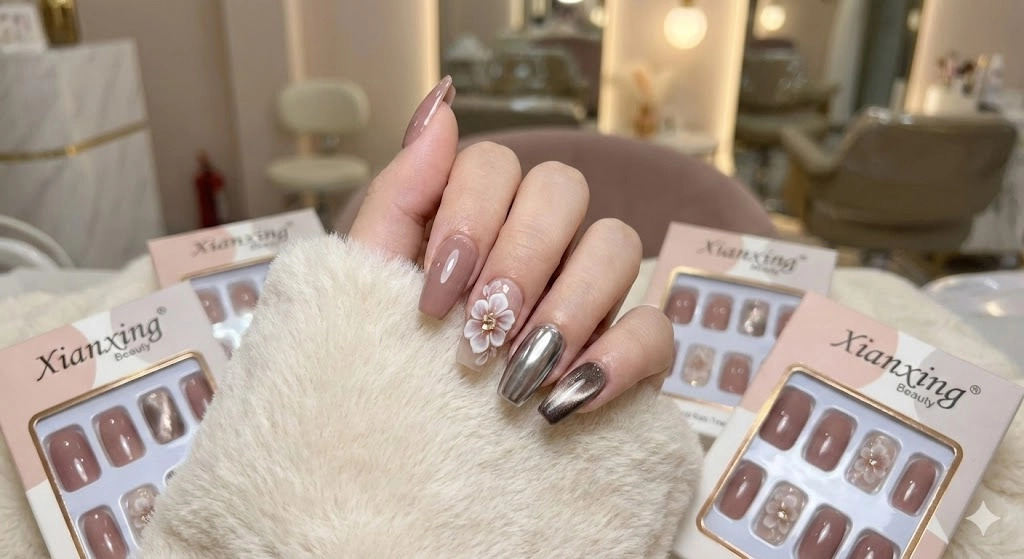
7 Red Flags to Avoid When Selecting a Wholesale Press On Nails Manufacturer
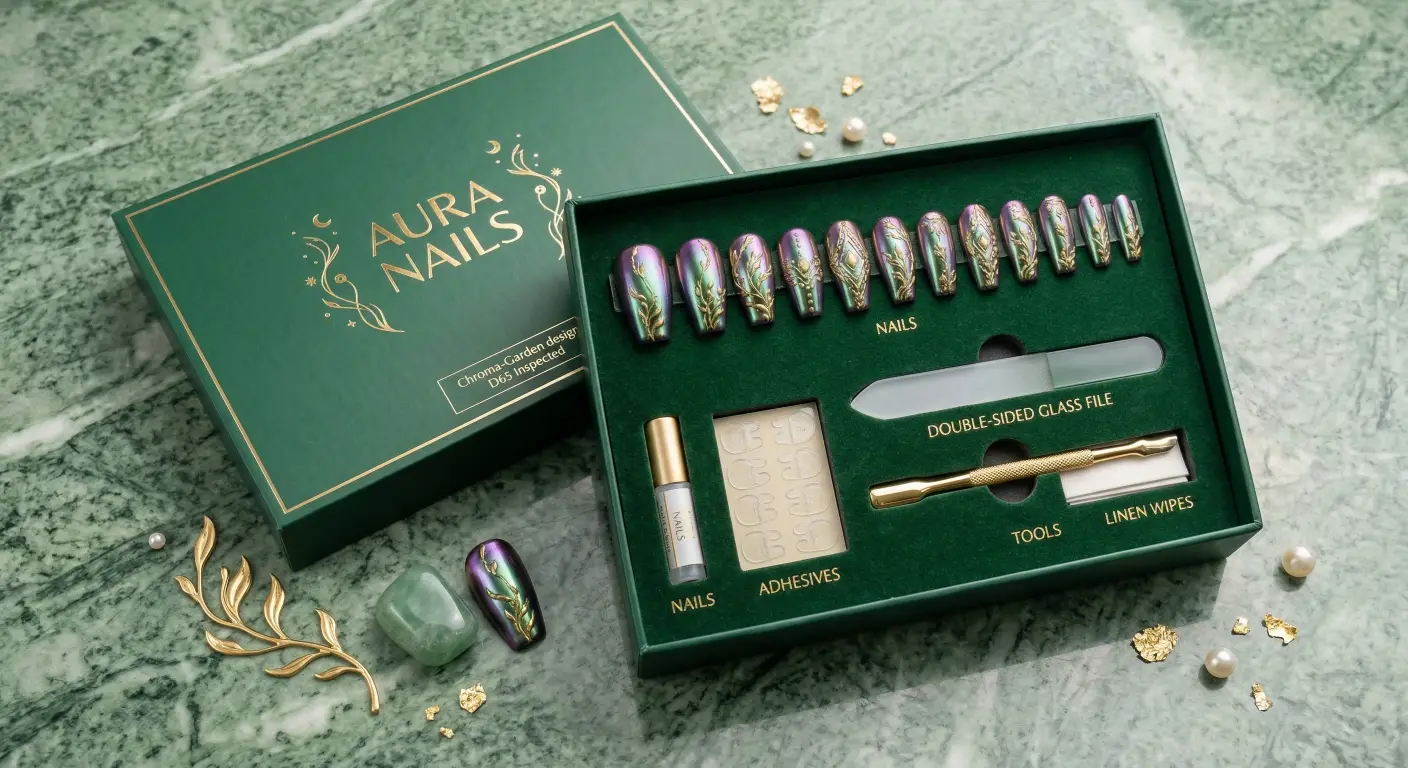
Quality Control: What to Expect from a Top-Tier Wholesale Press On Nails Manufacturer

The Ultimate Guide to Choosing the Best Wholesale Press On Nails Manufacturer in 2026
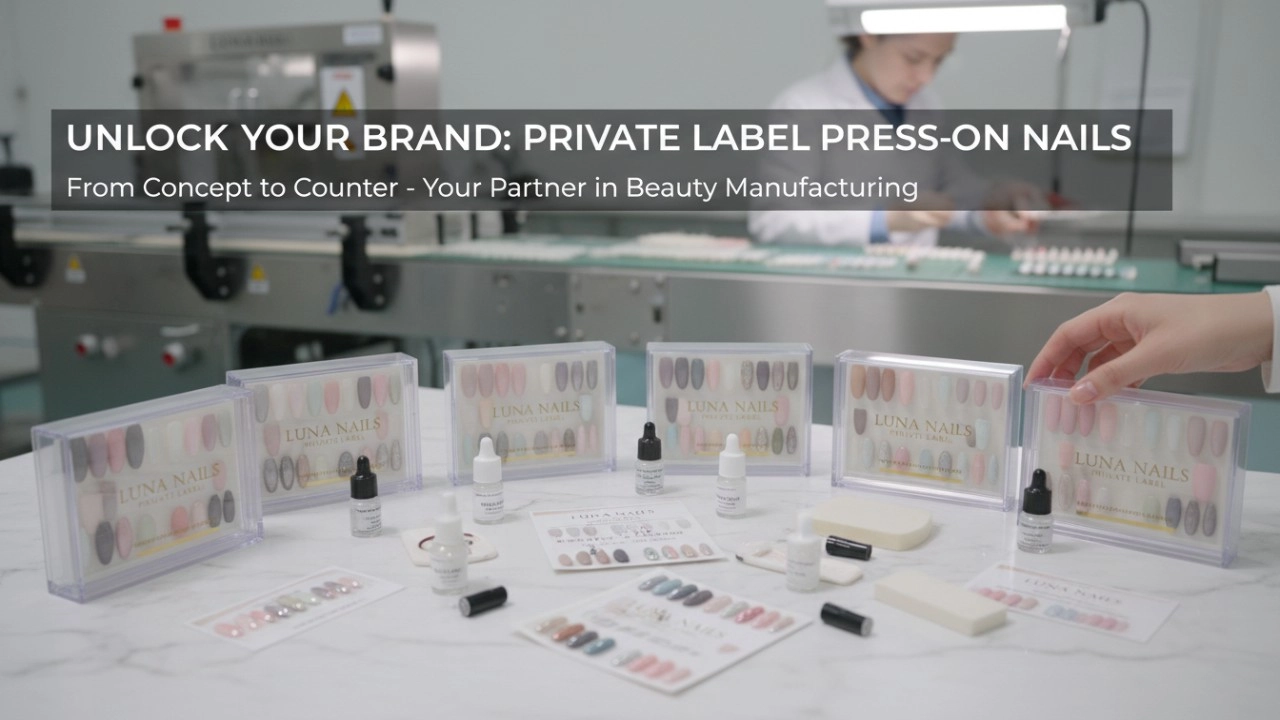
How to Scale Your Beauty Brand: Why Private Label Press On Nails Are the Highest-Margin Entry Point in 2026
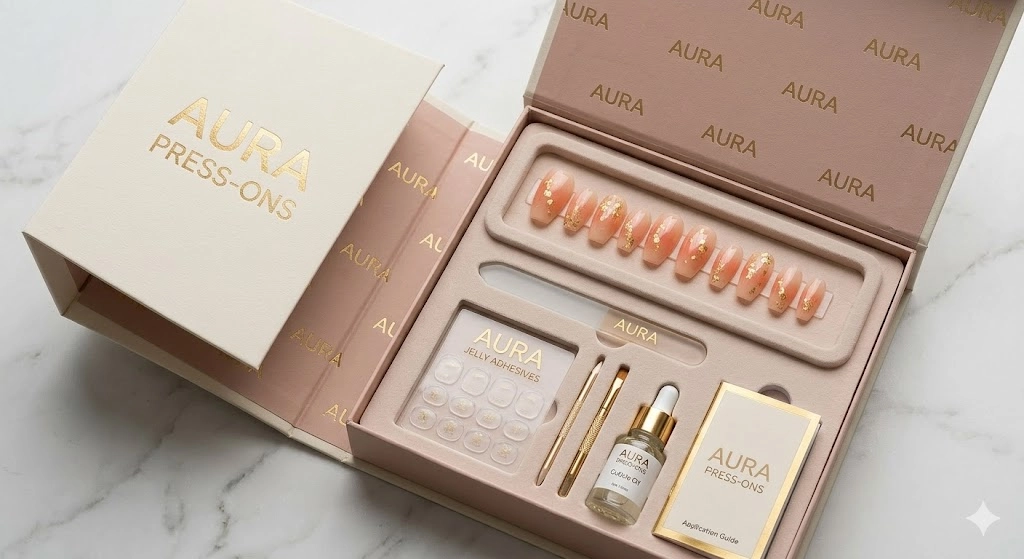
Why Partnering with Professional Press On Nails Manufacturers Boosts Your Brand Growth
About Product
Can I customize special specifications or packaging?
Yes, we provide customized services, you can customize special specifications, packaging and private label etc. according to your needs.
Wholesaler Distributor
Do you have any price discount policies?
For long-term cooperation with wholesalers and distributors, we will according to factors such as purchase quantity and cooperation time, give certain price discounts, such as bulk discounts, cash discounts, etc.
About 3D Nails
How do I apply 3D press on nails?
Clean and prep your natural nails. Select the correct size of press on nail and gently press it onto your nail starting from the cuticle end and pressing firmly towards the tip.
Drying Nail Glue
What is press-on nails glue?
Press-on nails glue is a specially formulated adhesive used to attach press-on nails to your natural nails. It typically comes in small tubes or bottles and is designed to hold the press-on nails securely in place for several days or weeks.
Biodegrable Nails
Is it reusable for the biodegradable press-on nails?
Yes, under conditions of proper use and maintenance, biodegradable nails are reusable.
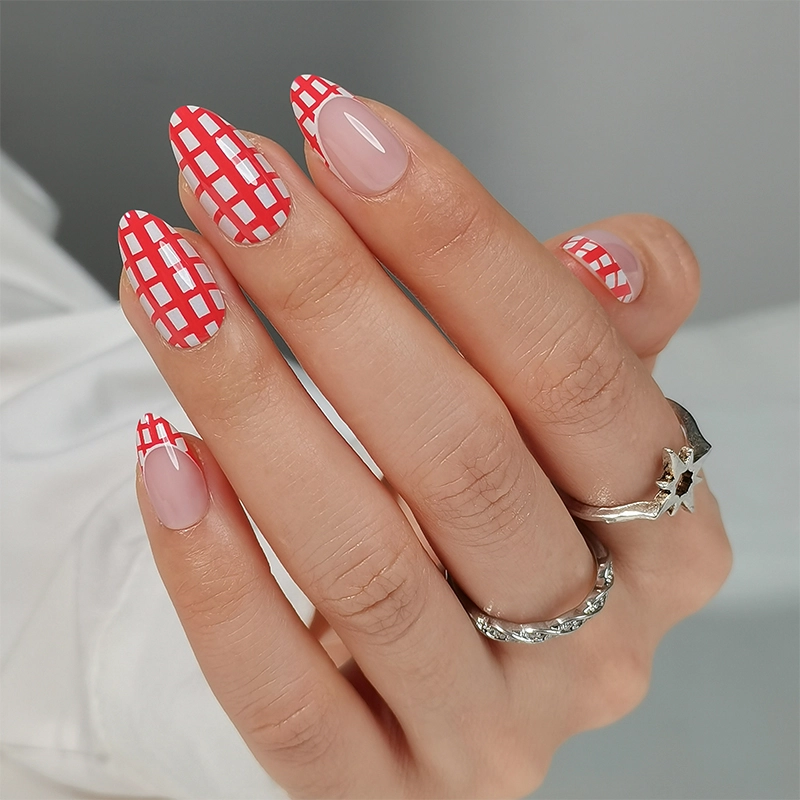
Wholesales Red French Nails Tips Checkered Soft Gel Nail Tips 32 Piece Set
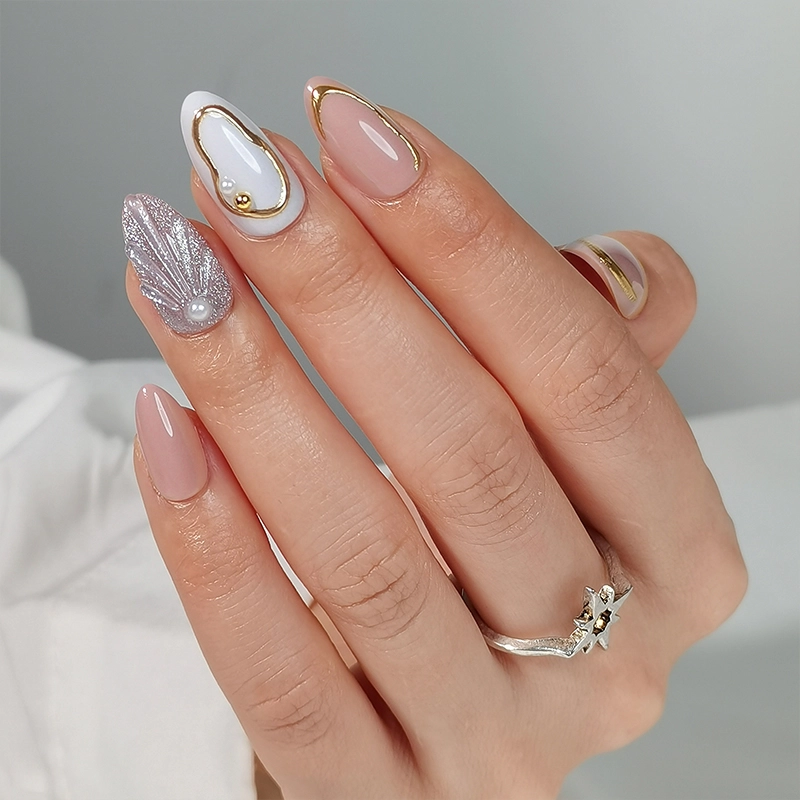
Wholesales Elegant Shell Inspired Soft Gel Wearable Nails for Seasonal Celebrations
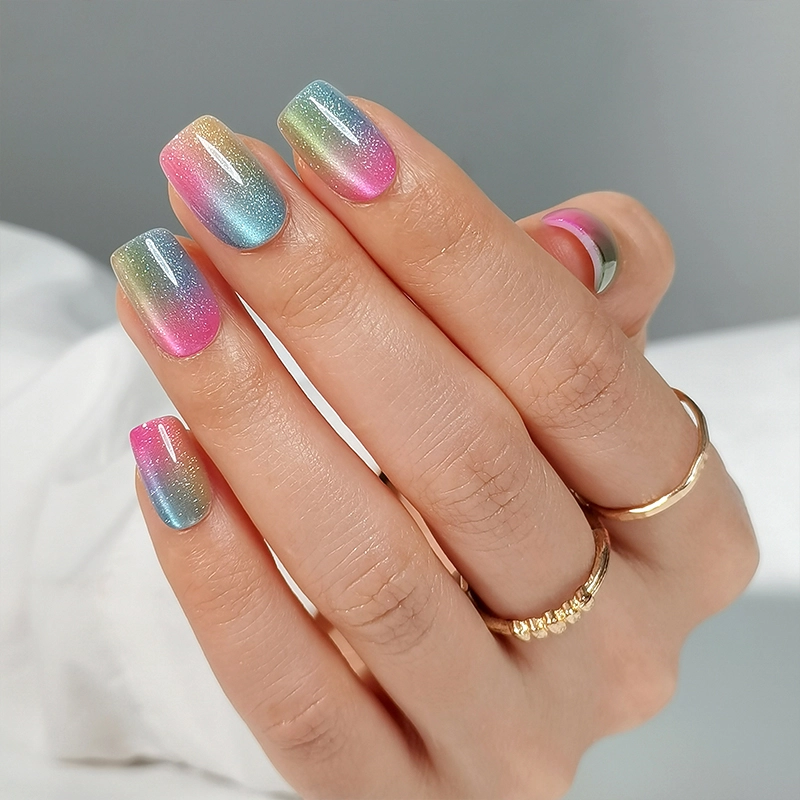
Custom Wholesale Gradient Cat Eye Soft Gel Wearable Fake Nails
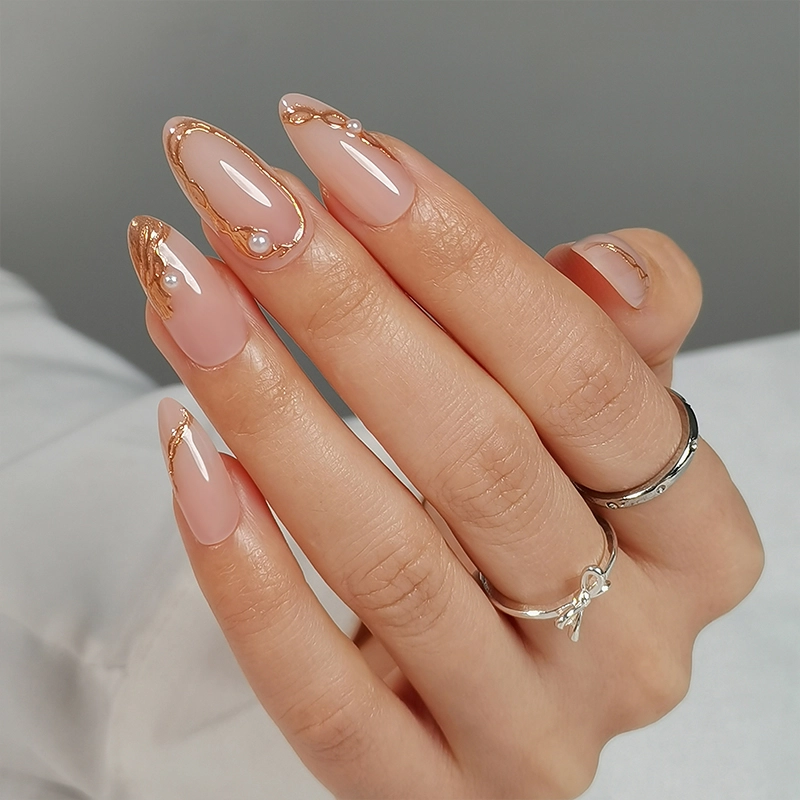
Wholesales Luxury Rhinestone Handmade Private Label Press On Nails Art Tips
Contact us
If you have press on nails products or customization needs, please feel free to contact from
below or via the contact information provided, we'll get back to you promptly within 24 hours.
By clicking 'Send Inquiry Now' I agree to XIANXING BEAUTY processing my personal data.
To see how to withdraw your consent, how to control your personal data and how we process it, please see our Privacy Policy and Terms of use.
Copyright © 2025 - XIANXING BEAUTY All Rights Reserved. Sitemap
Facebook
YouTube
Instagram
LinkedIn